森の静寂に刻まれた祈りの系譜
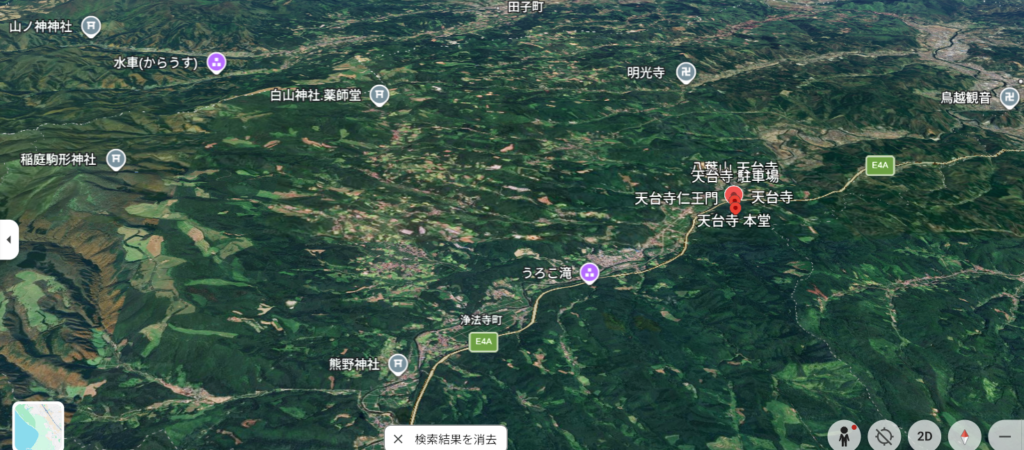
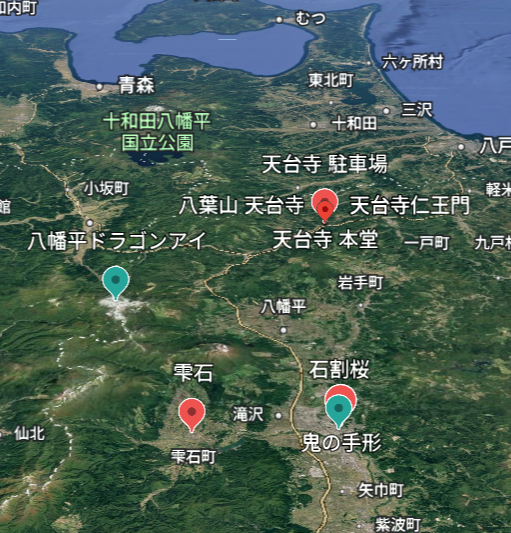
岩手県二戸市の山懐に抱かれた天台寺は、単なる古刹という枠組みを超え、東北の精神史における「境界」を象徴する場所です。杉木立が立ち並ぶ参道を歩むとき、私たちは物理的な距離だけでなく、時間の層を遡るような感覚に陥ります。奈良時代の高僧・行基によって開山されたという伝承を持つこの寺は、古くから北東北における仏教文化の最前線であり、法華経への深い信仰が根付いていました。ここでは、仏教という外来思想が、いかにしてこの過酷な北の自然と共鳴し、独自の信仰形態へと昇華していったのかという、歴史のパズルを紐解く鍵が隠されています。
A Genealogy of Prayer Carved into the Forest Silence
Nestled in the mountains of Ninohe City, Iwate Prefecture, Tendai-ji Temple is more than just an ancient temple; it is a place that symbolizes the “frontier” in the spiritual history of the Tohoku region. As one walks the path lined with towering cedar trees, one experiences a sense of traveling not only through physical distance but through layers of time. The temple, said to have been founded by the legendary monk Gyoki during the Nara period, has long served as a vanguard of Buddhist culture in northern Tohoku, deeply rooted in the faith of the Lotus Sutra. Here lies the key to solving a historical puzzle: how an imported ideology like Buddhism resonated with the harsh nature of the North to sublimate into a unique form of spiritual belief.
歴史の断層と法華経の受容
天台寺が「みちのくの古刹」として特異な地位を占める理由は、その成立過程における「融合」にあります。かつてこの地は、中央政権の力が及ぶか及ばぬかの境界線上にありました。平安時代、慈覚大師円仁によって再興されたという伝承は、天台密教の教義がこの地に浸透した過程を示唆しています。しかし、天台寺の真の魅力は、その強固な教義の背後に、この地に古くから伝わる山岳信仰や、シャーマニズム的な習俗が重層的に折り重なっている点にあります。法華経が説く「万物の成仏」という思想は、森羅万象に神を見出す日本古来の精神性と親和性が高く、この地で独自の調和を見せたのです。
Historical Fault Lines and the Reception of the Lotus Sutra
The reason Tendai-ji holds a unique position as an “ancient temple of Michinoku” lies in the “fusion” that occurred during its formation. Once, this region existed on the blurred border where the power of the central government barely reached. The tradition that it was revived by the monk Ennin (Jikaku Daishi) in the Heian period suggests the process by which the doctrines of Tendai Esoteric Buddhism permeated this region. Yet, the true allure of Tendai-ji lies in how indigenous mountain worship and shamanistic customs are layered behind its rigid doctrines. The Lotus Sutra’s tenet of “the enlightenment of all beings” resonated deeply with the ancient Japanese spirit that finds divinity in all things, leading to a unique harmony found nowhere else.
瀬戸内寂聴という名の「巡礼」
現代において天台寺を語る上で欠かせないのが、作家であり僧侶でもあった瀬戸内寂聴氏の存在です。彼女は荒廃していたこの寺の住職となり、法話を通じて再び人々の心をこの聖域へと呼び戻しました。彼女にとっての天台寺は、単なる寺院の管理ではなく、現代人が抱える孤独や苦悩を浄化する「駆け込み寺」としての機能を取り戻すプロセスでした。彼女が遺した言葉や活動は、天台寺を過去の遺物から、現代を生きる人々のための「生きた祈りの場」へと変貌させました。彼女の巡礼は、歴史を保存するだけでなく、歴史を現在進行形の物語として更新する行為だったと言えるでしょう。
The “Pilgrimage” Named Jakucho Setouchi
In discussing the modern history of Tendai-ji, one cannot overlook the presence of the late writer and nun, Jakucho Setouchi. She became the chief priest of this once-dilapidated temple and used her sermons to draw people’s hearts back to this sacred sanctuary. For her, managing Tendai-ji was not merely about administration; it was about restoring the temple’s function as a “refuge” to cleanse the loneliness and anguish borne by modern people. Her words and activities transformed Tendai-ji from a relic of the past into a “living place of prayer” for those living in the present. Her pilgrimage was an act not just of preserving history, but of updating it into an ongoing, contemporary narrative.
巡礼の道が繋ぐもの
今日、天台寺を訪れる参拝者は、深い木立の中で自分自身と向き合う時間を持ちます。法華経の教えが説く「誰もが救われる」というメッセージは、千年の時を超えて、この静寂な空間で今も響き続けています。二戸の地で育まれたこの歴史のパズルは、完成されることはありません。訪れる一人ひとりが、その歴史の一部となり、自らの人生というピースをはめ込むことで、ようやく全体像が見えてくるのです。天台寺への旅は、単なる観光ではなく、自己の精神の深淵を探索する、終わりのない巡礼の道なのです。
そこには、千年の祈りが地層のように静かに降り積もる「堆積」と、訪れる者の世俗の迷いを清涼な風が削ぎ落としていく「侵食」という、相反するようでいて調和に満ちた美しい営みがあります。みちのくの厳しい冬の雪が森を白く染め、やがて溶けて清冽な水となるように、私たちの心もまた、この地で静かに削られ、そして深く満たされていくのです。岩手県北の冷涼な空気に抱かれながら、古い桂の木々のざわめきに耳を澄ませるとき、あなたはきっと、自分だけの真実の声を聞くことでしょう。静寂という名の最も雄弁な語り部が、あなたを永遠の岩手曼荼羅へと誘うのです。
■ English Version
What the Path of Pilgrimage Connects
Today, visitors to Tendai-ji find time to face themselves within the deep, silent groves. The message of the Lotus Sutra, that “everyone is saved,” has echoed through this tranquil space across a millennium. This historical puzzle, cultivated in the land of Ninohe, is never truly finished. It is only when each visitor becomes a part of this history, inserting the piece of their own life, that the broader picture finally begins to emerge. A journey to Tendai-ji is not merely sightseeing; it is an endless path of pilgrimage that explores the abyss of one’s own spirit.
Here lies a beautifully harmonious process of seemingly opposing forces: the “accumulation” of a thousand years of prayers layering like geological strata, and the “erosion” of worldly defilements weathered away by the crisp, purifying winds. Just as the harsh snows of the Michinoku winter blanket the forest in white before melting into pristine streams, our hearts too are quietly carved out, only to be deeply fulfilled in this sacred ground. As you stand embraced by the cool air of northern Iwate, listening to the rustling of the ancient Katsura trees, you will undoubtedly hear the true voice within yourself. Silence, the most eloquent storyteller of all, invites you into the eternal cosmos of the Iwate Mandala.
■ メタデータ
カテゴリー: 県北 Northern Iwate
タグ: 天台寺, 二戸, 巡礼, 精神性, 歴史