岩手の二つの龍:山頂の瞳から地底の深淵へ / The Two Dragons of Iwate: From the Mountain Peak to the Earth’s Core

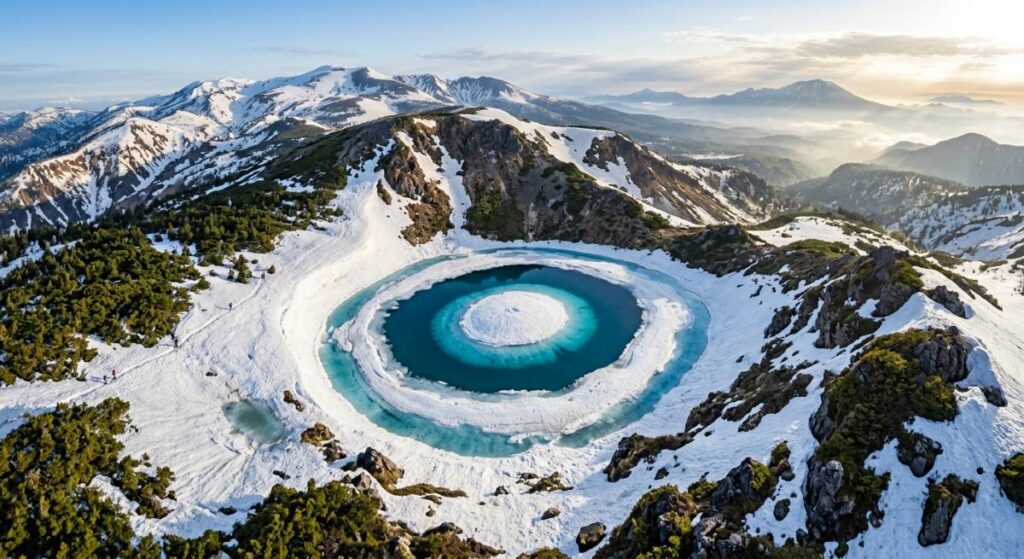
岩手県の大地には、二つの龍が眠っているという伝説が、現代の絶景となって息づいています。一つは、春の限られた時期にだけ八幡平の山頂に現れる雪の奇跡「ドラゴンアイ」。もう一つは、岩泉町の地底深くで静かに青い呼吸を続ける「龍泉洞」の地底湖です。空を仰ぐ龍と、地の底に潜む龍。この二つの神秘を巡る旅は、単なる観光ではなく、岩手の自然が織りなす垂直方向の壮大な物語を体感する冒険と言えるでしょう。

天上の雪がもたらす一瞬の奇跡と、地下の石灰岩が数億年かけて侵食された悠久の空間。山頂に降り積もった純白の「堆積」が春の陽光にとけて天の龍を開眼させるとき、その雪解け水はやがて地中深くへと潜り、途方もない年月をかけて地の龍の棲家であるドラゴンブルーの地底湖を満たしていきます。「堆積」と「侵食」という対極の自然の営み。空のまばゆさと地底の静寂。イーハトーブの風に吹かれながら、天と地を巡る水の軌跡に想いを馳せるとき、私たちは岩手という大地そのものが、脈打つ一つの巨大な生命体であることを静かに悟るのです。

■ English Version

In the vast landscape of Iwate, two dragons are said to dwell, manifesting today as breathtaking natural phenomena. One is the “Dragon Eye,” a miracle of snow that appears on the summit of Mount Hachimantai only during a brief window in spring. The other is the subterranean lake of “Ryusendo” Cave in Iwaizumi, quietly breathing deep blue beneath the earth. A dragon looking up at the sky, and another lurking in the abyss. A journey to witness these two mysteries is not mere sightseeing, but an adventure to experience the magnificent, vertical narrative woven by Iwate’s nature.

It is a profound contrast between the fleeting miracle brought by celestial snow and the eternal space carved by the erosion of limestone over hundreds of millions of years. When the pure white accumulation on the summit melts in the spring sunlight to awaken the heavenly dragon, that water eventually seeps deep into the earth, taking an eternity to fill the dragon-blue lakes where the earthly dragon resides. The “accumulation” of snow and the “erosion” of stone—these opposing breaths of the earth connect the dazzling sky and the silent subterranean depths. As we feel the wind of Ihatov and trace the trajectory of water traveling between heaven and earth, we silently realize that the very land of Iwate is a single, colossal living organism.


■ WordPress設定データ

カテゴリー: 【県北 Northern Iwate】
タグ: 八幡平ドラゴンアイ, 龍泉洞, イーハトーブ, 自然の循環, 絶景
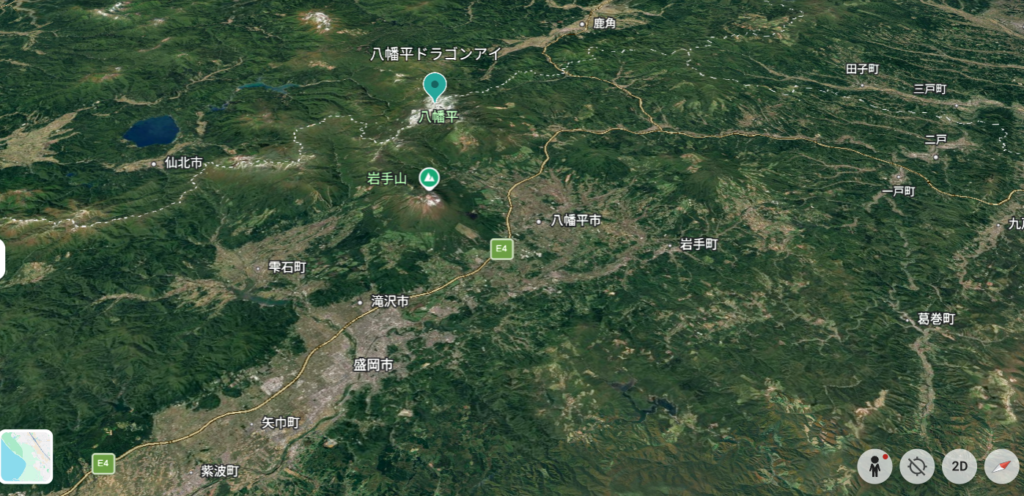
アクセスポイント(座標): 39.9545, 140.8491

岩手の大自然が描く奇跡:三陸海岸から八幡平ドラゴンアイへ / The Miracles of Iwate’s Nature: From Sanriku to the Dragon Eye

海と雪が織りなす圧倒的スケール

三陸海岸の荒々しい断崖から、内陸の八幡平へ。岩手の自然は躍動しています。春の訪れとともに姿を現すのが、雪解けの奇跡「八幡平ドラゴンアイ」。鏡沼の氷雪がドーナツ状に溶け、エメラルドブルーの巨大な瞳が空を見上げます。わずか数週間しか見られない幻の絶景。波が彫り上げた海岸線と、雪が描く神秘の瞳。荒々しさと美しさが交差する岩手の圧倒的なスケールを、その目に焼き付けてください。

Overwhelming Scale of Ocean and Snow

From the rugged cliffs of the Sanriku Coast to the mystical Mount Hachimantai, Iwate’s nature is dynamic. In spring, melting snow creates the miracle known as the “Hachimantai Dragon Eye.” The ice of Kagaminuma Pond thaws into a perfect ring, revealing a vast, emerald blue “eye” gazing up at the heavens. This ephemeral spectacle lasts only a few weeks—a phantom landscape born from the shifting seasons. Between the coastlines carved by relentless waves and this crystalline eye in the mountains, witness the breathtaking contrast and overwhelming scale of Iwate’s natural wonders, an experience that will stay etched in your memory forever.

「銀河鉄道」から跳躍する星空:洋野町に広がる三陸海岸の満天の夜空 / Leaping from the “Galactic Railroad”: The Starry Heavens of the Sanriku Coast in Hirono Town

岩手の夜空に刻まれた「銀河鉄道」の地図

宮沢賢治が遺した不朽の名作『銀河鉄道の夜』。多くの読者は、あの物語を単なる空想の産物として捉えがちですが、岩手県洋野町の海岸線に立つとき、その認識は根底から覆されます。暗闇の中で海と空の境界線が消失し、地平線から天頂へと銀河がアーチを描く光景は、賢治が描こうとした宇宙の深淵そのものです。ここは、文学と天文学が交差する、日本でも数少ない「星の聖地」と言えるでしょう。

The Galactic Map Etched into Iwate’s Night Sky

Kenji Miyazawa’s timeless masterpiece, *Night on the Galactic Railroad*, is often perceived by readers as a mere product of fantasy. However, when standing on the coastline of Hirono Town in Iwate, that perception is fundamentally overturned. In the darkness, the boundary between the sea and the sky dissolves, and the sight of the Milky Way arching from the horizon to the zenith is the very abyss of the cosmos that Kenji sought to depict. This is one of the few “sacred sites of the stars” in Japan, where literature and astronomy intersect.

三陸の断崖が誘う、宇宙への没入

三陸海岸の地形は、地球という惑星の荒々しい歴史を物語っています。洋野町の断崖は、太古の地層が積み重なった「地球の肌」であり、その足元には太平洋が静かに、あるいは激しく波を打ち寄せています。人工の光が届かないこの場所で夜空を見上げることは、単なる天体観測ではありません。それは、数億年の地質学的時間と、数万光年の天文学的時間が、個人の意識の中で同調する稀有な体験なのです。この場所では、星々はただ輝くだけではなく、重力を持って見る者の心を捉えます。

The Sanriku Cliffs: An Invitation to Cosmic Immersion

The topography of the Sanriku Coast narrates the rugged history of our planet. The cliffs of Hirono are the “skin of the Earth,” layered with ancient strata, while the Pacific Ocean laps at its feet—sometimes silently, sometimes violently. Looking up at the night sky in this place, far removed from artificial light, is not merely astronomical observation. It is a rare experience where hundreds of millions of years of geological time and tens of thousands of light-years of astronomical time synchronize within one’s consciousness. Here, the stars do not just shine; they possess a gravity that captures the heart of the observer.

光の汚染なき「ほんとうのさいわい」

現代社会において、私たちは常に情報を浴び、光に晒されています。しかし、洋野町の夜空は、その過剰な刺激を容赦なく剥ぎ取ります。街灯の灯りが存在しない場所で、人間の瞳は本来の感度を取り戻し、肉眼で天の川の複雑な濃淡を捉えるようになります。賢治が求めた「ほんとうのさいわい」とは、何者にも邪魔されず、静寂の中で宇宙の運行に身を委ねる、このような瞬間を指していたのではないでしょうか。星空を見上げる行為は、自己の小ささを認め、同時に宇宙の一部であるという連帯感を取り戻す哲学的な儀式なのです。

“True Happiness” in the Absence of Light Pollution

In modern society, we are constantly bathed in information and exposed to artificial light. However, the night sky of Hirono mercilessly strips away such excessive stimuli. In the absence of streetlights, human eyes regain their original sensitivity, coming to perceive the complex density of the Milky Way with the naked eye. Perhaps the “true happiness” that Kenji sought refers to these very moments—surrendering oneself to the movement of the cosmos in the silence, undisturbed by anyone. The act of looking up at the starry sky is a philosophical ritual: it is the recognition of one’s own smallness, and simultaneously, the reclamation of the sense of solidarity that comes from knowing we are a part of the universe.

星空の回廊を歩むために

洋野町の夜空は、季節ごとに異なる物語を紡ぎます。春の澄み渡る空気の中で輝く星座、夏の天の川の圧倒的な密度、秋の深まりとともに凛とする星々、そして冬の凍てつく空に浮かぶダイヤモンドのような輝き。ここを訪れることは、単なる観光ではなく、賢治が見た銀河の回廊を自らの足で歩く旅です。岩手のこの地で、私たちは「銀河鉄道」の乗客となり、日常の喧騒から離れて、永遠の時間へと跳躍することができるのです。

Walking the Corridor of the Starry Sky

The night sky of Hirono weaves a different story with each season: the constellations shining in the clear air of spring, the overwhelming density of the Milky Way in summer, the crisp, deepening stars of autumn, and the diamond-like brilliance floating in the frozen sky of winter. Visiting this place is not merely tourism; it is a journey to walk the corridor of the galaxy that Kenji once saw, using one’s own feet. Here in Iwate, we can become passengers on the “Galactic Railroad” ourselves, leaving behind the clamor of daily life to resonate with the profound depths of eternal time. In the silence of this sacred site of stars, we find our own “true happiness” etched into the boundless dark.

二戸・浄法寺塗の漆掻き / Urushi Tapping for Joboji Lacquerware in Ninohe

浄法寺塗——木々の命を一滴に宿す、沈黙と艶の美学

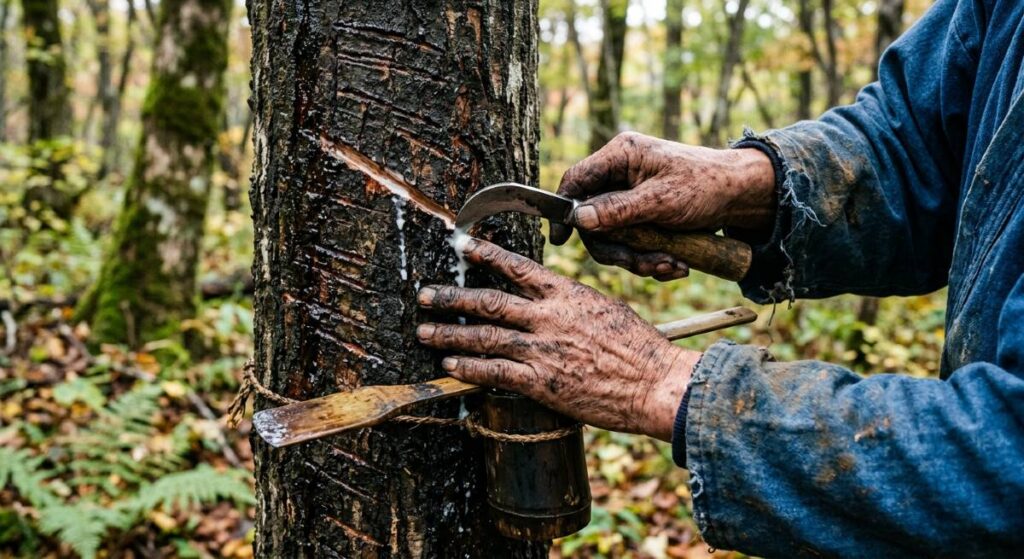
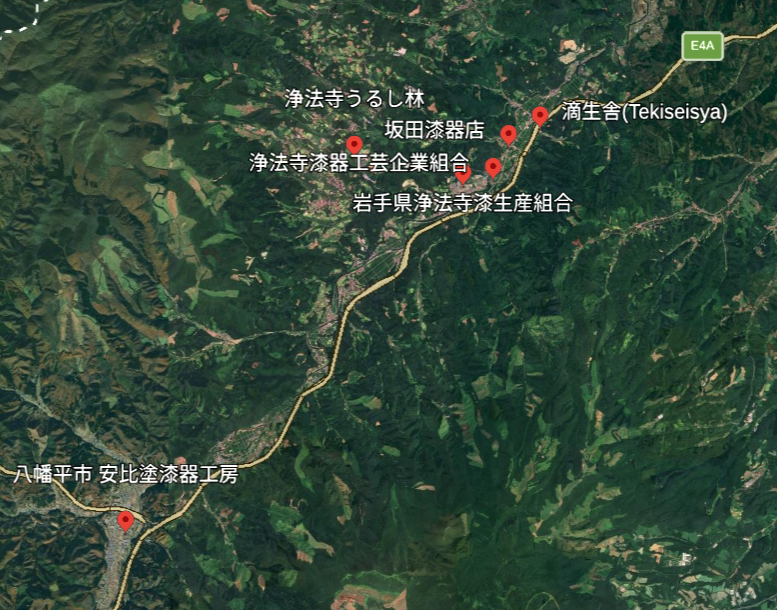
岩手県北部に位置する二戸市浄法寺町。初夏から秋にかけて、この地の深く青々とした森に足を踏み入れると、張り詰めた静寂の中で「カン、カン」と小気味よい音が響くことがある。それは「漆掻き」と呼ばれる職人たちが、漆の木と静かに、そして命がけの対話をしている音だ。

浄法寺は、現在日本で使われる国産漆の実に七割以上を産出する「漆の里」である。ここで古くから受け継がれてきたのは「殺し掻き」という壮絶な採取法だ。樹齢十年を超える漆の木の幹に、数日おきに専用のカンナで少しずつ傷を刻み、滲み出る乳白色の樹液を一滴ずつ掻き取る。秋の終わりに木が枯死するまで限界まで命を搾り取るこの手法によって、一本の木から得られる漆は、わずか牛乳瓶一本分(約200グラム)にすぎない。漆とは単なる塗料ではなく、木がその短い生涯をかけて大地から吸い上げた水分、ミネラル、そして岩手の冷涼で厳しい風雪の記憶が凝縮された「森の血液」なのである。

この神聖なる一滴一滴から生み出される「浄法寺塗」の器は、実に素っ気ない。豪華絢爛な蒔絵や螺鈿の装飾は影を潜め、多くは漆黒や深い朱色の単色で塗られている。手に入れたばかりの器は、どこかマットで鈍い光を放ち、まるで沈黙を守っているかのようだ。しかし、ここにこそ浄法寺塗の真髄がある。

日々の食卓で熱い汁を注がれ、人の両手に包まれ、布で拭かれる。その無数の摩擦と、人の肌から伝わるわずかな油分が、強靭な漆の膜を少しずつ磨き上げていくのだ。数年の時を経た器は、やがて内側から透き通るような鏡のごとき艶を放ち始める。作り手の手を離れた時はまだ「未完成」であり、使い手が日々の営みを通じて育て上げることで初めて完成する——これが浄法寺塗の持つ「時間の美学」である。

縄文の昔から日本人は漆の防腐作用と美しさに魅了されてきた。世界遺産である平泉・中尊寺金色堂の燦然たる輝きを下支えしているのも、他ならぬこの浄法寺の漆だ。堅牢という言葉だけでは語り尽くせない。そこには、命を奪うことへの深い畏敬と、それを日々の暮らしの中で永遠の美へと昇華させようとする、岩手の人々の祈りのような精神が宿っている。両手でその椀を包み込んだ時、あなたはきっと、東北の森の奥深き鼓動を感じるだろう。

Joboji Lacquerware—The Aesthetics of Silence and Luster, Distilling the Life of Trees into a Single Drop

In Joboji, nestled within the northern reaches of Iwate Prefecture, the deep, verdant forests between early summer and autumn hold a profound stillness. Step inside, and you may hear a rhythmic, echoing *clack, clack*—the sound of *urushi-kaki* (lacquer tappers) engaging in a quiet, almost sacred dialogue with the lacquer trees.

Joboji is Japan’s preeminent sanctuary of lacquer, producing over 70% of the domestically sourced *urushi* used today. The traditional harvesting method preserved here is known as *koroshi-gaki*, or “death tapping”—a stark and unyielding process. Over several months, the tapper meticulously scores the trunk of a tree that has grown for over a decade, gathering the seeping milky-white sap drop by precious drop until the tree is completely drained of its life force by late autumn. The absolute yield from a single tree after its entire lifetime is a mere 200 grams—barely enough to fill a small glass bottle. Thus, this lacquer is not merely a varnish; it is the “blood of the forest,” a potent distillation of water, minerals, and the harsh, freezing winds of Iwate that the tree absorbed during its fleeting existence.

The lacquerware born from these sacred drops, known as Joboji-nuri, may initially appear remarkably austere. Stripped of the extravagant gold dust (*maki-e*) or mother-of-pearl inlays found in other regions, it typically presents itself in solid, unadorned shades of profound black or deep vermilion. When newly purchased, the vessels bear a matte, subdued finish, as if keeping a resolute silence. Yet, therein lies the true essence of Joboji lacquerware.

As the bowl is used at the daily dining table—filled with hot soup, cradled in human hands, and washed and wiped with a cloth—countless micro-frictions and the subtle oils from human skin gradually polish its robust surface. After years of faithful use, the once-matte vessel begins to radiate a mirror-like, translucent luster from deep within. The vessel is, in fact, “incomplete” when it leaves the artisan’s hands; it achieves perfection only through the daily life of its user. This is the “aesthetics of time” inherent in Joboji-nuri.

Since the Jomon period, the Japanese have been captivated by the preservative power and beauty of lacquer. Even the resplendent golden glory of the World Heritage site, Chuson-ji Temple’s Konjikido in Hiraizumi, is sustained by the steadfast foundation of Joboji lacquer. The word “robustness” alone cannot fully encompass the depth found here. It contains a profound reverence for the sanctity of life and a prayer-like spirit unique to the people of Iwate, who seek to sublimate the fleeting life of a tree into eternal beauty through the rhythms of daily existence. When you cradle such a bowl in both hands, you will surely feel the deep, resonant heartbeat of the Tohoku soul.

浄法寺漆:黄金の国・日本を支える黒き宝の系譜 / Joboji Urushi: The Black Treasure Supporting Japan’s Golden Heritage

岩手県北部に位置する二戸市。この静寂に包まれた山間部は、日本国内の漆生産量の約7割を占める、まさに「漆の聖地」です。ここで採れる「浄法寺漆」は、単なる工芸材料ではありません。それは、日本の歴史そのものを修復し、守り続けるための生命線なのです。かつて南部藩主がこの地で漆の植樹を奨励し、保護したことで育まれたこの伝統は、時を超えて今、国宝建築を支える重要な役割を果たしています。今回は、漆掻き職人の魂と、歴史が紡いだ黒き宝の物語を紐解きます。

Joboji Urushi: The Black Treasure Supporting Japan’s Golden Heritage

Nestled in the northern mountains of Iwate Prefecture, Ninohe City is the heart of Japan’s lacquer production, accounting for approximately 70% of the nation’s supply. Joboji Urushi is far more than a simple craft material; it is a vital lifeline used to restore and preserve the very fabric of Japanese history. This tradition, nurtured under the protection and encouragement of the Nambu lords centuries ago, continues to play a crucial role in maintaining National Treasures today. In this story, we unravel the narrative of this “black treasure,” woven by history and the indomitable spirit of the lacquer tappers.

岩手の山々を巡る色彩の旅:八幡平の可憐な高山植物から、室根山の情熱的なツツジへ / A Journey of Colors Through Iwate: From Hachimantai’s Alpine Flora to the Flaming Azaleas of Mt. Murone

From the delicate alpine flora of Hachimantai to the vibrant red azaleas of Mt. Murone

岩手県は、北上高地と奥羽山脈という二つの大きな脊梁山脈に抱かれた、広大な大地です。北から南へ、季節の移ろいとともに山々は表情を変え、訪れる者に生命の力強さを教えてくれます。今回は、八幡平の厳しい自然の中で咲き誇る可憐な高山植物と、一関市・室根山を燃えるような赤に染め上げるツツジの群生、この二つの絶景を繋ぐ「色彩の旅」をご案内します。岩手の山岳風景が織りなす、繊細さと大胆さのコントラストを紐解いていきましょう。

Journey of Colors: From Hachimantai’s Alpine Blooms to the Azaleas of Mount Murone

Iwate Prefecture is a vast land embraced by two major mountain ranges: the Kitakami Highlands and the Ou Mountains. From north to south, the mountains transform with the passing of the seasons, teaching visitors about the resilience of life. In this article, we invite you on a “Journey of Colors” that connects two breathtaking landscapes: the delicate alpine plants blooming in the harsh environment of Hachimantai, and the clusters of azaleas that dye Ichinoseki’s Mount Murone in a fiery red. Let us explore the profound contrast between delicacy and boldness woven into the fabric of Iwate’s mountainous scenery.

戦国の記憶を癒す一滴 ― 九戸政実の乱と「あま茶」の数奇な物語 / A Drop to Heal the Memories of War: The Kunohe Rebellion and the Curious Tale of

Discover the bittersweet history of Kunohe

戦国の記憶を癒す一滴 — 九戸政実の乱と「あま茶」の数奇な物語

A Drop to Heal the Memories of War: The Kunohe Rebellion and the Curious Tale of Amacha

岩手県北、二戸の地に刻まれた「九戸政実の乱」は、豊臣秀吉の天下統一における「最後の戦い」として歴史にその名を留めています。1591年、圧倒的な軍勢を前に九戸城に散った将兵たちの無念は、長くこの地に沈殿していました。しかし、その戦火の記憶を静かに癒やすかのように、九戸の山々には「あま茶(甘茶)」という不思議な植物が自生していました。

最後まで「己」を貫いた武士の誇り 九戸政実は、中央集権化へと進む時代の荒波の中で、地方の独立自尊を掲げて戦い抜いた武士(もののふ)の象徴です。その不屈の精神は、岩手の人々が持つ「芯の強さ」の原型とも言えるでしょう。

大地から湧き出す「天然の甘露」 戦いの舞台となった九戸・二戸エリアは、現在、日本屈指のあま茶の産地です。砂糖が貴重だった時代から、人々に安らぎを与えてきたこのお茶は、ノンカロリーでありながら驚くほどの甘みを持ちます。 凄絶な戦国時代の記憶を、大地が育んだ優しい甘露が包み込む――。この記事では、血塗られた歴史の「点」と、現代の癒やしの「線」が交差する、九戸の知られざる物語を紐解きます。


English Text

The “Kunohe Rebellion,” etched into the land of Ninohe in northern Iwate, remains in history as the “final battle” of Toyotomi Hideyoshi’s unification of Japan. In 1591, the regret of the soldiers who perished at Kunohe Castle before an overwhelming army lingered in this land for centuries. Yet, as if to quietly heal the memories of war, a mysterious plant called “Amacha” (sweet hydrangea tea) has long grown wild in the mountains of Kunohe.

The Pride of the Samurai Who Remained True to Himself Masazane Kunohe stands as a symbol of the samurai spirit, fighting for regional independence and self-respect amidst the turbulent waves of centralization. His indomitable spirit can be seen as the prototype for the “inner strength” that the people of Iwate possess today.

A “Natural Nectar” Rising from the Earth The Kunohe and Ninohe areas, once the stage of fierce combat, are now Japan’s leading producers of Amacha. This tea, which has provided comfort to people since times when sugar was a rare luxury, possesses an astonishing natural sweetness despite being calorie-free. The earth’s gentle nectar embraces the memories of a brutal warring era. In this article, we unravel the hidden narrative of Kunohe, where the “dot” of a bloodstained history intersects with the “line” of modern-day healing.

寒冷地に咲く甘じょっぱい奇跡:久慈市「まめぶ汁」に刻まれた生き抜くための記憶 / A Sweet and Savory Miracle in the Cold: The Survival Wisdom Behind Kuji’s

久慈市山形町に伝わる「まめぶ汁」は、岩手の厳しい冬を生き抜くための知恵と愛情が凝縮された郷土料理です。クルミと黒砂糖を包んだ小麦団子(まめぶ)を、野菜や豆腐と共に醤油仕立ての汁で煮込む――。口の中で広がる「甘み」と「しょっぱさ」の絶妙なハーモニーは、単なる味覚の驚きだけでなく、かつて貴重だった糖分を大切に分かち合った先人たちの「生きる力」を伝えてくれます。

English Text: “Mamebu-jiru,” a traditional dish from the Yamagata district of Kuji City, is a concentrated essence of the wisdom and affection needed to survive Iwate’s harsh winters. It features “mamebu”—small wheat flour dumplings stuffed with walnuts and brown sugar—simmered in a savory soy-based broth with vegetables and tofu. The exquisite harmony of “sweet and salty” that spreads in the mouth is more than just a culinary surprise; it conveys the “vitality” of ancestors who cherished and shared precious sugar in times of scarcity.

遠野の霊気から二戸の湯けむりへ:南部藩に息づく伝承と癒やしの旅 / From Tono’s Spirits to Ninohe’s Steam: A Journey into the Folklore and Healing Traditions of the Nanbu Domain

Explore the mysterious legends of Tono and the healing waters of Kindaichi Onsen. A journey through the history of the Nanbu Domain awaits in Iwate. Discover the intersection of spirit and rest. #VisitIwate #Morioka #Tono #KindaichiOnsen #JapanHistory

[Area] North
[Category] Landmarks & History

遠野の「異界」と、二戸の「湯治」。一見すると遠く離れた二つの文化ですが、かつて岩手を治めた南部藩という大きな歴史の枠組みの中で、これらは密接に繋がっています。遠野で育まれた「座敷わらし」の伝承が示すのは、人間と精霊が隣り合わせで暮らす世界観。そして、県北の金田一温泉で受け継がれてきた湯治文化は、厳しい北国の冬を生き抜くための身体的知恵です。本記事では、岩手の精神性と身体性が交差する歴史の旅路を辿ります。

From Tono’s Spirits to Ninohe’s Steam: A Journey into the Folklore and Healing Traditions of the Nanbu Domain

The “otherworld” of Tono and the “hot spring healing” (toji) of Ninohe. At first glance, these may seem like two separate cultures, but they are deeply intertwined within the grand historical framework of the Nanbu Domain, which once ruled over Iwate. The legend of the Zashiki-warashi born in Tono reveals a worldview where humans and spirits coexist side by side. Meanwhile, the toji culture preserved at Kindaichi Onsen in the north represents the physical wisdom necessary to survive the brutal winters of the northern lands. In this article, we trace a historical journey where Iwate’s spirituality and physicality intersect.

岩手の食の源流、軽米の雑穀とわんこそばの物語 / The Roots of Iwate’s Flavor: Millet Culture in Karumai and the Story of Wanko Soba

h2>わんこそばの精神と雑穀の記憶

岩手の代名詞として知られる「わんこそば」。次々と椀に投げ入れられるその華やかなおもてなしの裏には、実は厳しい北の地で育まれた「雑穀」という、もう一つの逞しい食の系譜があります。わんこそばが「ハレ(非日常)」の祝祭的な食であるならば、県北・軽米町(かるまいまち)で受け継がれてきた雑穀文化は、この地の人々を支え続けてきた「ケ(日常)」の生命線です。岩手の歴史パズルを解くように、この二つの食の接点を探ってみましょう。

The Spirit of Wanko Soba and the Memory of Millet

Wanko Soba is synonymous with Iwate. Yet, behind this flamboyant display of hospitality, where noodles are tossed into bowls in rapid succession, lies another resilient lineage of food nurtured in the harsh northern climate: millet (zakkoku).

If Wanko Soba represents the festive, extraordinary meals of hare (special occasions), then the millet culture passed down in the northern town of Karumai is the lifeline of ke (everyday life) that has long sustained the people of this region. Let’s explore the intersection of these two culinary traditions, as if piecing together the historical puzzle of Iwate.