森の静寂を震わせる黒鉄の祈り / A Prayer of Black Iron Trembling the Forest’s Silence

千年の業火が鍛え上げた、森と人を繋ぐ澄明なる残響

 東北の山深く、朝露に濡れたブナの原生林に足を踏み入れるとき、腰に下げた真っ黒な鉄の鈴が「ちりぃん」と高く澄んだ音を立てる。その音色は、単なる金属の衝突音ではない。木々の隙間を縫い、苔生した岩肌を滑り、底知れぬ谷の奥底までも染み渡るような、透明な余韻を持っている。岩手の森を歩く者にとって、この「熊よけの鈴」は単なる安全装備ではなく、大自然という神域へ足を踏み入れる際の、畏敬を込めたご挨拶なのだ。「私というちっぽけな人間が、今からあなたの領域にお邪魔しますよ」。森の主であるヒグマやツキノワグマに対する、謙虚なる境界の鐘。その神秘的な音色を生み出しているのが、岩手県が世界に誇る「南部鉄器」の鋳造技術である。

 南部鉄器と一口に言うが、その水脈には、奥州市(旧水沢市)と盛岡市という二つの異なる歴史の源流があることをご存知だろうか。奥州市の鉄器の歴史は古い。平安時代後期、奥州藤原氏の初代・清衡が、中尊寺建立のために近江国から鋳物師を招いたのが始まりとされる。彼らは鍋や釜、あるいは武具といった「日々の命を支えるための鉄」を泥臭く、しかし途方もなく頑丈に鋳造し続けた。一方、盛岡市の鉄器は江戸時代、茶の湯を愛した南部藩主が京都や甲州から釜師を呼び寄せ、芸術品としての「茶釜」を作らせたことに端を発する。言わば、奥州の「土着と実用」と、盛岡の「洗練と美学」——この全く出自の異なる二つの川が、昭和の時代に「南部鉄器」という一つの大河へと合流したのである。全く異なるルーツを持つ職人たちが、同じ鉄という物質に向き合い、互いの技を昇華させてきた奇跡がここにある。

 しかし、なぜ岩手の地でこれほどまでに鉄の技術が花開いたのか。そこには、地質学的な大地の采配がある。日本最古の地層を抱く北上山地は、古くから良質な砂鉄と鉄鉱石の宝庫であった。そして、鉄を溶かす1000度を超える業火を生み出すのは、北上山地を覆う広葉樹林から作られる上質な木炭である。さらに、鋳型を作るためには北上川が運ぶきめ細やかな川砂と粘土が不可欠であった。つまり南部鉄器とは、岩手の「鉱」「木」「水」「土」という四大要素が、職人の手を通じて黒光りする小宇宙へと凝縮されたものなのだ。

 熊よけの鈴の製造工程を見ると、その小宇宙の誕生に息を呑む。職人は、砂と粘土を精緻に突き固めて鈴の鋳型を造る。そこへ、真っ赤に煮えたぎる湯(溶解した鉄)を一気に流し込む。このとき、わずかな温度の変化や砂の湿度が、完成した鈴の「音色」を決定づけてしまう。冷え固まった鋳型を割り、中から現れるのは、無骨でありながらえも言われぬ品格を漂わせる漆黒の鈴。最後に表面に焼き付けられる漆と鉄漿(おはぐろ)が、鉄を錆から守ると同時に、あの吸い込まれるような深い黒「南部黒」を生み出す。

 千度の炎と土から生まれた鉄が、森の木々が化けた炭によって鍛えられ、再び森の獣たちに語りかけるための鈴となる。岩手の森で南部鉄器の鈴を鳴らすとき、私たちは無意識のうちに、大地の循環という壮大な輪廻のなかに組み込まれている。硬質で冷たいはずの鉄片から放たれる音が、なぜこれほどまでに人の心を揺さぶり、森の静寂に美しく溶け込むのか。それは、この黒鉄の中に、岩手の風土そのものが封じ込められているからに他ならない。

The Clear Reverberation Forged by a Millennium of Fire: Bridging Man and Forest

The Clear Reverberation Forged by a Millennium of Fire: Bridging Man and Forest

Deep in the mountains of Tohoku, as you step into a primeval beech forest damp with morning dew, a pitch-black iron bell hung at your waist lets out a high, clear chiriin. This sound is no mere metallic clatter. It possesses a penetrating resonance—a transparent reverberation that weaves through the canopy, glides over moss-covered boulders, and seeps into the very bottom of the abyssal valleys. For those walking the forests of Iwate, this “bear warning bell” is not simply a piece of safety gear; it is an act of profound reverence, a greeting upon entering the sacred sanctuary of nature. “I, a mere human, am humbly encroaching upon your domain.” It is a bell of boundaries, offering humble respect to the masters of the forest, the bears. The source of this mystical timbre lies in the casting techniques of “Nanbu Tekki” (Nanbu ironware), a craft that Iwate Prefecture proudly presents to the world.

Though collectively known as Nanbu Tekki, you may not know that its lineage flows from two distinct historical springs: Oshu City (formerly Mizusawa) and Morioka City. The ironware of Oshu traces its roots back to the late Heian period, when Fujiwara no Kiyohira, the first lord of the Oshu Fujiwara clan, summoned casters from Omi Province to aid in the construction of Chuson-ji Temple. There, they forged cauldrons, pots, and weaponry—the “iron of daily survival”—with a rugged, earthy, and extraordinarily durable constitution. Conversely, Morioka’s ironware originated in the Edo period, born from the refined aesthetics of the Nanbu domain lords who adored the tea ceremony. They invited master kettle makers from Kyoto and Koshu to craft exquisite chagama (iron tea kettles) as works of art. The “indigenous practicality” of Oshu and the “aristocratic refinement” of Morioka—two entirely different rivers of tradition—eventually merged into the great confluence known as Nanbu Tekki in the Showa era. It is a historical miracle that artisans with such disparate roots confronted the same elemental iron, ultimately sublimating each other’s techniques.

But why did the art of iron flourish so magnificently in Iwate? The answer lies in the profound providence of geology. The Kitakami Mountains, harboring some of Japan’s oldest geological formations, have long been a treasure trove of high-quality iron sand and iron ore. To melt this iron, artisans required infernos exceeding 1,000 degrees Celsius, fueled by premium charcoal produced from the vast broadleaf forests blanketing those very mountains. Furthermore, the creation of the intricate casting molds demanded the fine river sand and clay carried by the Kitakami River. Thus, Nanbu Tekki is the ultimate condensation of Iwate’s four great elements—ore, wood, water, and earth—forged into a gleaming black microcosm by the hands of master craftsmen.

To witness the creation of a bear bell is to watch the birth of this microcosm. Artisans meticulously tamp sand and clay to form the mold, into which they pour a torrent of molten, crimson iron. In that fleeting moment, the slightest fluctuation in temperature or the humidity of the sand dictates the final “voice” of the bell. When the cooled mold is broken apart, a pitch-black bell emerges—rugged, yet exuding an indescribable elegance. The final application of urushi (lacquer) and ohaguro (iron rust and tea solution) baked onto the surface protects the iron from corrosion while giving birth to that captivating, deep Nanbu black. This profound black transcends the mere realm of color; it is the accumulated memory of the earth across millennia, the testament to life absorbed by the trees of the Kitakami Mountains, and countless prayers offered by nameless artisans who continually confronted iron. The chiriin sound emitted by a Nanbu Tekki bell therefore possesses a primordial resonance, echoing from a distant past. It is the sound of Iwate’s soul, where humans and nature coexist, living with mutual reverence. When one touches this jet-black mass and listens to its timbre, one cannot help but feel the grand narrative unfolding beneath their feet and the invisible connections of “life.” Within it resides the very breath of Iwate itself, transcending a mere tool.


■ WordPress設定データ

カテゴリー: 県央 Central Iwate
タグ: 南部鉄器, 熊よけの鈴, 伝統工芸, 北上山地, 岩手
アクセスポイント(座標): 39.7027, 141.1394

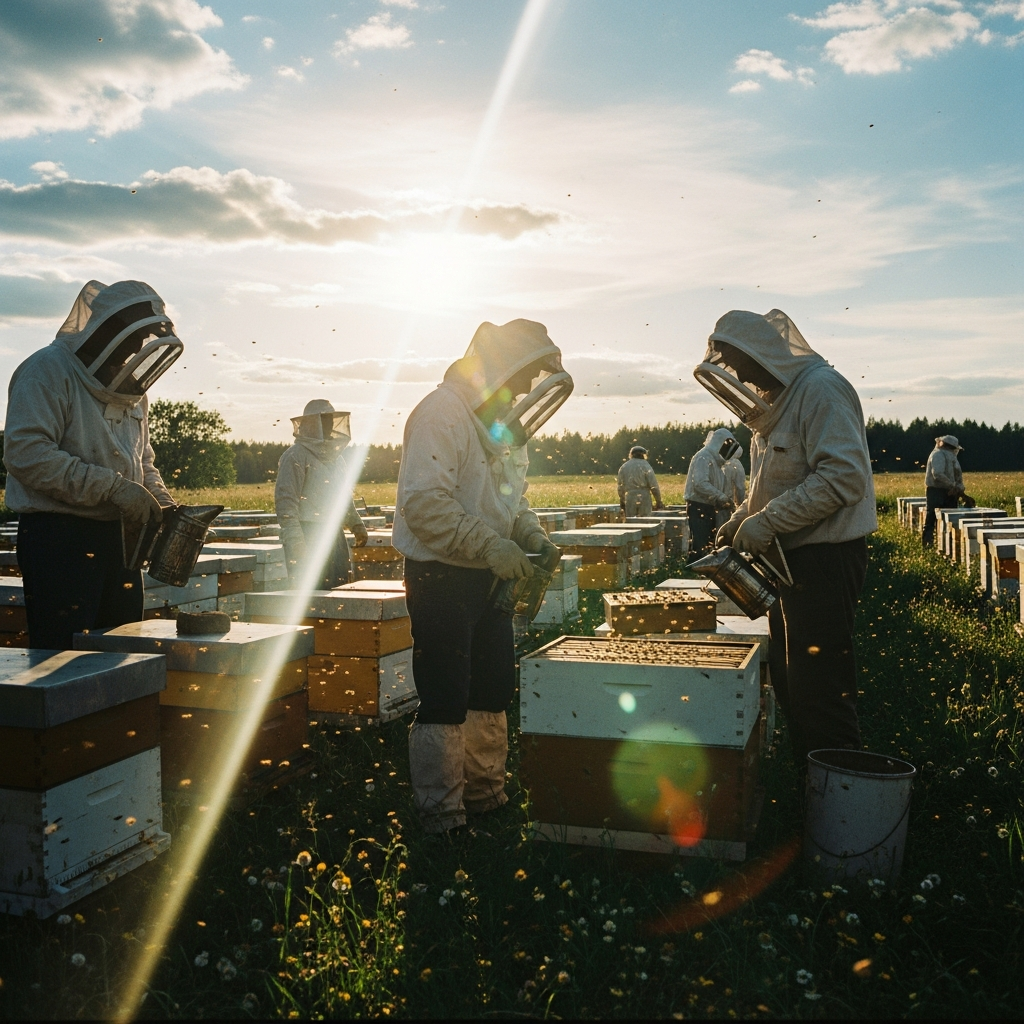
森の血潮を舐める — 盛岡・老舗養蜂場が紡ぐ熊と花々の蜜月 / Tasting the Lifeblood of the Forest: The Honeymoon of Bears and Flora Woven by Morioka’s Historic Apiaries

黄金の雫に宿る、奥羽の森の野性と洗練

岩手の森は、深く、そして濃い。奥羽山脈と北上高地に抱かれたこの地には、太古の息吹を色濃く残す広葉樹の海が広がっている。童話の世界では「熊と蜂蜜」は愛らしいアイコンとして描かれるが、ここ岩手において、それは生々しい命のやり取りと直結した森の真理だ。胸に白い三日月の刻印を持つ森の覇者、ツキノワグマ。彼らが厳しい冬の眠りにつく前、血眼になって探し求める究極のエネルギー源こそが、森の奥深くに隠された黄金の甘露である。

盛岡の地で一世紀以上にわたりミツバチと対話を続けてきた老舗養蜂場の営みは、この荒ぶる森の野性と、人間の繊細な手仕事の交差点にある。彼らは、森のバイオリズムを誰よりも熟知している。奥羽の山々を潤した雪解け水が地下の岩盤で濾過され、トチノキやアカシア、そして山藤の根から吸い上げられて、初夏の陽光の下で爆発的に開花するその瞬間を、彼らは逃さない。岩手の夏は短く、花々の命もまた儚い。植物たちはその短い期間に受粉を完遂させるため、自身の命の結晶とも言える濃密な蜜を分泌する。それはまさに、森の血管を流れる血潮そのものである。

一匹のミツバチが、その短い生涯のすべてを懸けて集めることのできる蜂蜜は、わずかティースプーンの半分にも満たない。盛岡の養蜂家たちは、ミツバチという小さな錬金術師たちが集めた数百万の花の記憶を、決して濁らせることなく瓶へと封じ込める。琥珀色に輝くトチノキの蜜を一口含んでみてほしい。豊かな甘みの中に潜む、野性味を帯びた僅かな渋みと複雑な酸味。それは、雨に濡れた黒土の匂いや、朝露に光るシダの葉脈、そして遠くで森の王が気配を消して佇む情景すら感じさせる、岩手特有の「テロワール」だ。

純度の高い蜂蜜は、数千年腐らないと言われている。瓶の蓋を開けるとき、あなたは単なる甘味料を口にするのではない。人と蜂が紡いだ途方もない時間と、熊が焦がれた奥羽の森の濃密な空気を、静かに舌の上で溶かしているのだ。

Wilderness and Refinement of the Ou Mountains Enclosed in Golden Drops

Wilderness and Refinement of the Ou Mountains Enclosed in Golden Drops

The forests of Iwate are deep, dense, and profound. Cradled between the Ou Mountains and the Kitakami Highlands, this land boasts a vast sea of broadleaf trees that strongly retain the breath of antiquity. In fairy tales, the pairing of bears and honey is often depicted as an endearing motif. However, in Iwate, this pairing directly embodies the raw truth of the forest, a profound exchange of life itself. The crescent-chested Asian black bear, the true sovereign of these woods, feverishly seeks the ultimate energy source—the golden nectar hidden deep within the forest—before their long winter slumber.

The century-long endeavor of a venerable beekeeping establishment in Morioka lies at the intersection of this untamed wilderness and the delicate craftsmanship of human hands. They possess an unparalleled understanding of the forest’s biorhythms. They never miss the moment when snowmelt, filtered through the subterranean bedrock of the Ou Mountains, is drawn up by the roots of horse chestnuts, acacias, and wisteria, bursting into spectacular bloom under the early summer sun. Iwate’s summer is fleeting, and the lives of its flowers are equally ephemeral. To complete pollination within this brief period, plants secrete a concentrated nectar—the very crystallization of their life force—a true lifeblood flowing through the forest’s veins.

A single honeybee, dedicating its entire short life, collects less than half a teaspoon of honey. The beekeepers of Morioka meticulously seal millions of floral memories, gathered by these tiny alchemists, into jars without ever clouding their purity. Take a sip of the amber-hued horse chestnut honey. Beneath its rich sweetness, you’ll discover a subtle bitterness and complex acidity, tinged with a wild essence. It is Iwate’s unique “terroir,” evoking the scent of rain-soaked black earth, the shimmering veins of ferns in morning dew, and even the distant, hushed presence of the forest’s king.

Pure honey is said to remain unspoiled for thousands of years. When you uncap a jar, you are not merely tasting a sweetener. You are quietly dissolving on your tongue the immense span of time woven by humans and bees, and the concentrated essence of the Ou Mountains’ air, yearned for by bears.


■ WordPress設定データ

カテゴリー: 県央 Central Iwate
タグ: 岩手, 蜂蜜, 養蜂, 奥羽山脈, 盛岡
アクセスポイント(座標): 39.7028, 141.1523

星降る牧場、宇宙と交信する夜 / A Star-Studded Pasture, A Night of Communion with the Cosmos

おおぐま座の瞬きと、洋野町の風が紡ぐ天体観測

岩手県沿岸部の最北端に位置する洋野町。その内陸側に広がる大野地区のなだらかな丘陵地帯に、「ひろのまきば天文台」はひっそりと佇んでいる。昼間は牛たちがのんびりと草を食む牧歌的な風景が広がるが、太陽が稜線の彼方に沈み、逢魔が時を過ぎると、この場所は深遠なる宇宙の深淵へと繋がる秘密の港へと変貌を遂げる。街の明かりという現代のベール(光害)が一切存在しない漆黒のキャンバスには、まるで神々がダイヤモンドの粉末を無造作に撒き散らしたかのような星屑が瞬いている。

この圧倒的な星空を語るうえで、決して避けて通れない「寄り道」がある。それは、三陸の気候を支配する風、「やませ(山背)」の存在だ。初夏から夏にかけて、太平洋から吹き込むこの冷たく湿った偏東風は、しばしば大地を深い海霧で覆い隠し、農作物に冷害をもたらすこともある厳しい自然現象である。しかし、このやませが運んできた湿り気を大気が見事に払い落とし、奇跡のように空が晴れ渡る夜がある。海風が大気中の塵を彼方へ吹き飛ばし、標高に恵まれた大野の牧場は、天然の巨大な光学レンズへと姿を変えるのだ。その夜の星空の透明度と立体感は、環境省がかつて「日本一の星空」と称えたほどの、筆舌に尽くしがたい美しさを誇る。

天頂を仰げば、おおぐま座が天空の特等席に悠然と横たわっている。その背中から長い尻尾にかけて描かれる七つの星——北斗七星は、古代バビロニアの時代から旅人たちが北極星を探し出すための、決して揺らぐことのない不動の羅針盤であった。ギリシャ神話に耳を傾ければ、女神の嫉妬によって醜い熊の姿に変えられ、実の息子に弓を引かれそうになった悲劇のニュンペー(精霊)、カリストの哀しい物語が思い浮かぶだろう。しかし、洋野町の澄み切った冷気の中で輝くおおぐま座は、悲劇の象徴というよりむしろ、永遠の時を刻みながら地球を見守る、優しき天球の守護者のように見える。

岩手が生んだ稀代の童話作家・宮沢賢治は、自らの作品の中で星空を「桔梗いろの空」や「透明な水」と表現した。ここ、ひろのまきば天文台の冷たい芝生に身を横たえ、数千年、数万年の果てしない旅を経て網膜に飛び込んでくる光の矢を受け止めていると、賢治の言葉が単なる詩的暗喩ではなく、岩手の夜空を極めて正確に捉えた写実描写であったことに気づかされる。風が運ぶ青草の匂い、遠くで微かに響く秋虫の音、そして、手を伸ばせば届きそうなほど間近に迫る圧倒的な星の瞬き。あなたはここで、望遠鏡を覗き込むまでもなく、自分自身がこの広大な宇宙を構成する、ちっぽけで、しかし途方もなく愛おしい「星屑の欠片」であることを静かに思い出すだろう。

The Twinkle of Ursa Major and the Winds of Hirono

The Twinkle of Ursa Major and the Winds of Hirono

Situated in the gently rolling hills of the Ono district, inland from the northernmost coastal town of Hirono in Iwate Prefecture, stands the Hirono Makiba Observatory. By day, the area offers a pastoral landscape of cows grazing peacefully. Yet, as the sun dips below the horizon and twilight fades, this very spot transforms into a secret port connecting directly to the profound depths of the cosmos. On a pitch-black canvas entirely free from the modern veil of urban light pollution, stardust twinkles as if the gods had haphazardly scattered diamond powder across the heavens.

To truly understand this overwhelming starry sky, one must take a fascinating detour into the local geography and climate—specifically, the presence of the “Yamase.” From early summer to midsummer, this cold, damp easterly wind blows in from the Pacific Ocean, dictating the climate of the Sanriku coast. The Yamase is a harsh natural phenomenon that often blankets the land in thick sea fog and occasionally brings cold-weather damage to crops. However, there are nights when the atmosphere miraculously shakes off the moisture brought by the Yamase, and the sky clears completely. The sea breeze sweeps away airborne dust, turning the elevated pastures of Ono into a gigantic, pristine natural optical lens. The transparency and three-dimensionality of the sky on such nights boast an indescribable beauty, so much so that the Ministry of the Environment once crowned it the best starry sky in Japan.

Gazing at the zenith, Ursa Major—the Great Bear—lies majestically in its celestial VIP seat. The seven stars tracing from its back to its long tail, widely known as the Big Dipper, have served since the days of ancient Babylonia as an unwavering compass for travelers seeking the North Star. If we listen to Greek mythology, we might recall the sorrowful tale of Callisto, the beautiful nymph transformed into a hideous bear by divine jealousy and nearly hunted down by her own son. Yet, shining through the crystal-clear, crisp air of Hirono, Ursa Major appears less a symbol of tragedy and more a gentle guardian of the celestial sphere, quietly watching over the earth while ticking away eternal time.

Kenji Miyazawa, the brilliant fairy-tale writer born in Iwate, once described the starry night in his works as a “bellflower-colored sky” and ‘transparent water.’ Lying on the cool grass of Hirono Makiba Observatory, accepting the arrows of light that have traveled countless millennia to reach your retina, you realize that Miyazawa’s words were not mere poetic metaphors but acutely realistic depictions of Iwate’s night sky. The scent of fresh grass carried on the wind, the faint distant chirping of autumn insects, and the overwhelming shimmer of stars so close you feel you could almost touch them. Here, without even peering into a telescope, you will quietly recall that you, too, are a tiny yet immensely precious ‘fragment of stardust,’ forming part of this vast universe.


■ WordPress設定データ

カテゴリー: 県北 Northern Iwate
タグ: ひろのまきば天文台, 洋野町, 星空, 宮沢賢治, やませ
アクセスポイント(座標): 39.9926, 141.5971

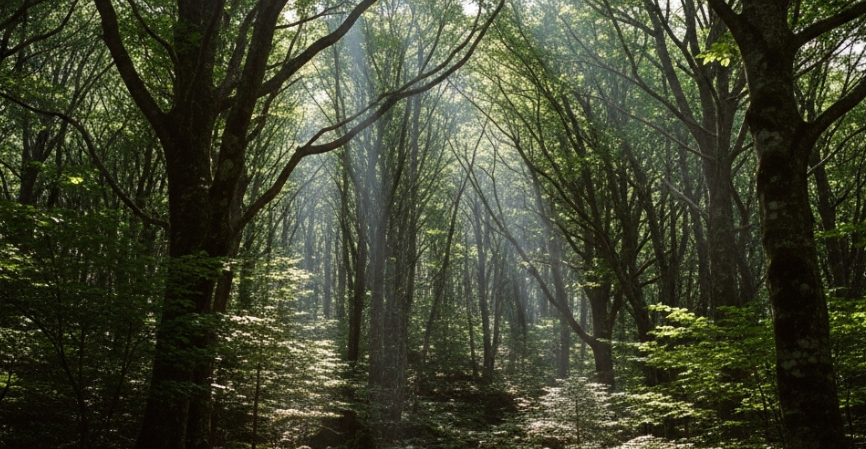
命の揺籃、八幡平のブナ樹海 / The Cradle of Life: The Primeval Beech Sea of Hachimantai

森の母が抱く、黒き毛皮の孤独な巡礼者

岩手山の北西、秋田県との県境に広がる八幡平(はちまんたい)の奥深くへ足を踏み入れると、外界の喧騒は分厚い緑のヴェールに吸い込まれ、絶対的な静寂が訪れる。足裏に伝わるのは、何千年もの間、幾世代にもわたって降り積もった落ち葉と火山灰が織りなす、スポンジのような腐葉土の感触だ。この地を覆い尽くすのは、広大なブナの原生林である。漢字で「木」に「無」と書いて「橅(ぶな)」と読むこの木は、かつて水分が多く建材としての使い道がないことからその字を当てられたという説があるが、それは人間の勝手な都合に過ぎない。自然界において、ブナほど豊かな恵みをもたらす存在はないのだ。灰白色の滑らかな樹皮を伝って降り注ぐ雨水は、保水力に富んだ土壌に深く浸透し、やがて清冽な伏流水となって麓の里を潤す。ゆえにブナは「緑のダム」であり、「森の母」と尊称される。

この豊穣なる樹海を最も必要としているのが、ツキノワグマである。晩秋、森が黄金色に染まる頃、見上げれば枝先が鳥の巣のように丸く絡まり合った「クマ棚」をあちこちに見つけることができるだろう。これは、クマが木に登り、脂質とタンパク質に富んだブナの実(堅果)を枝ごと手繰り寄せて食べた痕跡である。厳しい東北の冬を土穴の中で生き抜くため、彼らはこの小さな三角形の実を狂おしいほどに貪り食い、皮下脂肪を蓄える。興味深いことに、ブナは数年に一度、「マスティング(一斉開花・結実)」と呼ばれる現象を起こす。一説には、これは捕食者である動物たちを飽食させ、食べ残された種子を確実に発芽させるための植物の生存戦略だという。ツキノワグマはブナの実を喰らいながらも、広大な森を歩き回ることで糞と共に未消化の種子を蒔き、結果として森の領域を広げる一翼を担っているのだ。

八幡平の火山活動が創り上げた起伏に富んだ大地に根を張るブナと、その懐で命を繋ぐ黒き毛皮の巡礼者たち。風が梢を揺らすとき、それは単なる自然のざわめきではなく、気の遠くなるような時間をかけて紡がれてきた、植物と動物の壮絶で美しい命の交響曲のようにも聞こえる。この森に立つとき、私たちは自らが地球という巨大な生命体のごく一部に過ぎないという、心地よい無力感と深い畏敬の念に包まれるのである。

The Mother of the Forest and Her Solitary, Dark-Furred Pilgrims

The Mother of the Forest and Her Solitary, Dark-Furred Pilgrims

Stepping into the deep reaches of Hachimantai, sprawling northwest of Mount Iwate along the border of Akita Prefecture, the clamor of the outside world is absorbed by a thick veil of green, leaving an absolute and profound silence. Beneath your boots, you feel the spongy resilience of the forest floor—a rich humus woven from centuries of fallen leaves intertwined with ancient volcanic ash. This land is blanketed by a vast, primeval forest of Japanese beech, known as buna. In the Japanese kanji script, buna (橅) is formed by combining the characters for “tree” (木) and “nothingness” (無). Legend has it that this character was assigned because the wood, prone to retaining water and warping, was deemed useless for construction. Yet, this is merely a human-centric judgment. In the natural world, few existences offer as much abundance as the buna. Rainwater glides down their smooth, ashen-gray bark, seeping deep into the highly retentive soil, eventually emerging as pure subterranean streams that quench the thirst of the villages below. Thus, the beech is revered as a “green dam” and the “Mother of the Forest.”

No creature relies on this bountiful sea of trees more than the Asian black bear (Tsukinowaguma). In late autumn, as the forest is dyed in hues of gold and amber, looking up into the canopy reveals “bear shelves” (kumadana)—tangled clusters of broken branches that resemble oversized bird nests. These are the remnants of a bear’s feast, created as they climb high to snap off branches and gorge on the lipid- and protein-rich beech nuts. To survive the unforgiving Tohoku winter hibernating in earthen dens, they consume these small, triangular nuts with desperate voracity to build crucial subcutaneous fat. Fascinatingly, beech trees undergo a phenomenon known as mast seeding (synchronous flowering and fruiting). One theory suggests this is a survival strategy by the plants, designed to satiate predators and ensure that uneaten seeds have a higher chance of germinating. Even as they feast on beech nuts, the Asian black bears roam the vast forest, dispersing undigested seeds through their scat, thus playing an integral role in extending the forest’s reach.

The beech trees, rooted in the undulating landscape shaped by Hachimantai’s volcanic activity, and the dark-furred pilgrims whose lives are sustained within their embrace. When the wind rustles through the treetops, it sounds not merely like a natural murmur, but rather like a magnificent and poignant symphony of life, painstakingly woven over an unimaginable span of time by both flora and fauna. Standing in this forest, we are enveloped by a comforting sense of insignificance and profound reverence, realizing that we are but a minuscule part of the colossal living entity that is Earth.


■ WordPress設定データ

カテゴリー: 県央 Central Iwate
タグ: 八幡平, ブナ林, ツキノワグマ, 生態系, 森の循環
アクセスポイント(座標): 39.957, 140.925

地底の胎動と永遠の雫 — 住田町「滝観洞」の深淵 / The Subterranean Quickening and Eternal Drops: The Abyss of Rokando Cave in Sumita

冬の静寂の底で脈打つ、石灰岩の記憶

雪に閉ざされた東北の冬、森の獣たちが暖かな土の穴倉でまどろむように、大地そのものもまた、その暗奥に測り知れない生命の息吹を隠し持っています。岩手県気仙郡住田町。北上山地の懐に抱かれたこの静謐な町にぽっかりと開いた「滝観洞(ろうかんどう)」は、単なる地下の空洞ではなく、地球という巨大な生命体が呼吸を続ける「冬眠の穴」の最深部を思わせます。

硬いヘルメットを被り、身を屈めてひんやりとした洞口をくぐると、そこは光なき地底の迷宮です。一歩足を踏み入れるごとに、私たちは地質学的なタイムトラベルへと誘われます。この洞窟を形作る大理石(結晶質石灰岩)は、今からおよそ3億年前、古生代石炭紀からペルム紀にかけての温暖な浅海に群生していたサンゴや有孔虫の死骸が堆積し、気の遠くなるような地殻変動を経て隆起したものです。つまり、私たちが手を触れる冷たい岩肌は、かつて南方の海で太陽の光をたっぷり浴びていた命の残骸に他なりません。岩手の山奥深くを潜りながら、太古の熱帯の海を歩行しているという目眩めくようなパラドックス。これこそが、カルスト地形が秘める究極のロマンなのです。

狭く、時に身をよじるようにして進む道程は、どこか母胎回帰にも似た心細さと安堵感を伴います。頭上の鍾乳管から落ちる一滴の雫は、地表に降った雨水が森の腐葉土を通り抜け、微かな酸を帯びて数千年の歳月をかけて石灰岩を溶かし出したもの。その微かなピチッという水音は、地球の砂時計が刻む永遠の秒針です。

そして、洞内を約880メートル進んだ先、地の底の行き止まりで旅行者を待ち受けるのは、絶対的な暗黒を引き裂くような圧倒的な轟音です。落差約29メートル、日本有数の洞内滝「天の岩戸の滝」。ドーム状の巨大な地下空間の天井の裂け目から、真っ暗な奈落へ向かって一条の瀑布が激しく叩きつけられています。地上は凍てつくような冬の静寂に包まれているというのに、大地の奥底では、これほどまでに暴力的なまでに純粋な水のエネルギーが、人知れず咆哮を上げ続けているのです。

この漆黒の空間に響き渡る水の轟音を聞きながら滝を見上げるとき、人は自らの内に眠る野性が揺さぶられるのを感じるでしょう。それは長い冬眠の果てに訪れる、強烈な春の目覚めにも似た感覚。滝観洞は、訪れる者の魂の殻を打ち破り、根源的な生命力を呼び覚ましてくれる、真に神聖なる地底の胎内なのです。

The Beating Heart of Limestone Memories Beneath the Winter Silence

The Beating Heart of Limestone Memories Beneath the Winter Silence

Just as the beasts of the forest slumber in warm earthen dens during the snow-bound winters of Tohoku, the earth itself harbors an unfathomable breath of life hidden in its dark depths. Located in Sumita Town, Kesen District of Iwate Prefecture, nestled in the embrace of the Kitakami Mountains, the gaping maw of Rokando Cave is no mere subterranean void. Rather, it evokes the deepest reaches of a “hibernation den” where the colossal living entity known as Earth continues to breathe.

Donning a hard helmet and crouching to pass through the chilling entrance, you step into a lightless subterranean labyrinth. With every step, you are invited on a geological time travel. The marble (crystalline limestone) that forms this cave is the accumulated remains of coral and foraminifera that thrived in warm, shallow seas around 300 million years ago, during the Carboniferous to Permian periods of the Paleozoic Era, subsequently uplifted through mind-boggling crustal movements. In other words, the cold rock faces you touch are nothing less than the remnants of life that once bathed abundantly in the sunlight of southern seas. Delving deep into the mountains of Iwate while effectively walking across an ancient tropical ocean—this dizzying paradox is the ultimate romance concealed within karst topographies.

The narrow, sometimes contorting path forward carries a mix of vulnerability and reassurance, akin to a return to the womb. A single drop falling from a stalactite above is rainwater that fell on the surface, filtered through the forest’s leaf litter, gained a slight acidity, and dissolved the limestone over thousands of years. That faint drip is the eternal second hand ticking on the Earth’s hourglass.

Then, about 880 meters into the cave, at the dead end of the earth’s depths, visitors are met with an overwhelming roar that seems to tear through the absolute darkness. This is the “Amano-Iwato Waterfall,” one of Japan’s foremost subterranean waterfalls, boasting a drop of approximately 29 meters. From a fissure in the ceiling of the colossal dome-shaped underground chamber, a single cascade slams violently into the pitch-black abyss. Even as the surface world is wrapped in the freezing silence of winter, deep within the earth, this pure, almost violently pristine energy of water continues to roar, unseen by human eyes.

As you look up at the waterfall, listening to the thunderous sound echoing through this jet-black space, you will feel the dormant wildness within you being shaken awake. It is a sensation much like the fierce awakening of spring that arrives at the end of a long hibernation. Rokando Cave is a truly sacred subterranean womb—a place that shatters the shell of the visitor’s soul and awakens a primordial vitality.

This chalky darkness was forged by the mind-boggling “accumulation” of life over 300 million years. Yet, it is the unceasing “erosion” of water over millennia that has pierced this pulsating hollow and birthed the roaring falls. The eternal sculpture, woven from stillness and motion, accumulation and erosion, continues to transform in the earth’s depths at this very moment. Emerging from the cave and filling your lungs once more with the transparent winter air, you will come to a profound realization. The snow-bound land of Iwate is far from dead. In its unseen depths, through endless carving and layering, the earth breathes quietly yet powerfully toward the new birth of the coming spring.


■ WordPress設定データ

カテゴリー: 沿岸 Coastal Iwate
タグ: 滝観洞, 住田町, カルスト地形, 天の岩戸の滝, 地球の記憶
アクセスポイント(座標): 39.1837, 141.6750

遠野の深層:霧の彼方に潜む山人とマヨイガの誘い / The Depths of Tono: Yamabito, Mayoiga, and the Lure of the Ethereal Mists

境界の消失点—北上山地の古層が育んだ畏れと恩寵

早朝の遠野盆地を見下ろす高台に立つと、白濁した霧が海のようにうねり、やがてその中から濃緑の山々が島のように浮かび上がってくる。岩手県の中南部に位置するこの土地を囲む北上山地は、日本列島が現在の形を成すはるか以前、古生代から中生代にかけて形成された日本最古の地層を抱いている。アルプスのような人を寄せ付けない鋭利な峰々ではない。何億年という気の遠くなるような風雨に削られた稜線はなだらかで、まるで巨大な獣の背中のように穏やかだ。しかし、その「穏やかさ」こそが罠である。なだらかであるがゆえに尾根と谷の境界が曖昧になり、人は知らず知らずのうちに深みへと絡め取られていく。柳田国男の名著『遠野物語』に記された数々の怪異は、単なる村人の迷信ではない。この古びた地質と閉鎖的な地形が生み出した、抗いがたい自然の引力に対する「平地人の戦慄」の記録である。

その最たるものが「山人(やまびと)」の存在だ。彼らは身の丈が高く、眼をらんらんと輝かせ、時に里の女をさらい、時に山中で猟師とすれ違う。山人は、ヤマト王権に追いやられた先住民(蝦夷)の末裔であるという歴史的推考も成り立とう。しかし、遠野の森を歩き、朽ちた倒木と湿った苔の匂いを嗅ぐとき、別の直感が働く。山人とは、人間の法則が一切通用しない「絶対的な野生」そのものの受肉である、と。彼らは悪意を持っているわけではない。ただ、自然界という圧倒的な他者としてそこに「在る」のだ。我々が彼らに抱く恐怖は、文明という薄皮一枚を剥がされた時に直面する、己の無力さへの根源的な恐怖に他ならない。

そして、この恐ろしい山が時折見せる甘美な幻影が「マヨイガ(迷い家)」である。山菜採りや道に迷った者が偶然たどり着く、黒々とした門構えの豪壮な屋敷。庭には牛馬が草を食み、竈には火が熾り、膳には朱塗りの椀が並んでいる。しかし、人の気配だけがすっぽりと抜け落ちている。この異界の家から什器を持ち帰れば、その者は一生富み栄えるという。だが、想像してみてほしい。無音の豪邸にただ一人佇み、他者の温もりだけが生々しく残る空間で膳を手に取る時の、背筋を這い上がるような薄気味悪さを。マヨイガの伝説は、豊穣の神である山からの恩恵(ギフト)であると同時に、「こちらの世界へおいで」という異界からの妖しくも恐ろしい誘惑である。欲に目が眩んだ者は、そのまま屋敷の住人として取り込まれてしまうのではないか—そんな余白が、この物語には残されている。

遠野を旅するということは、整備された観光地を巡ることではない。それは、夕暮れ時、逢魔が時に山際を染める茜色を見つめながら、自分の足元にある日常と非日常の境界線がふっと溶けて消える感覚を味わうことだ。山人たちの息遣いと、マヨイガの開け放たれた門は、今も北上山地の分厚い広葉樹林の奥底で、我々現代人が迷い込んでくるのを静かに待っている。

The Vanishing Point of Boundaries: Awe and Grace Nurtured by the Paleozoic Strata of the Kitakami Mountains

The Vanishing Point of Boundaries: Awe and Grace Nurtured by the Paleozoic Strata of the Kitakami Mountains

Standing on high ground overlooking the Tono Basin in the early morning, one witnesses a milk-white sea of fog undulating across the landscape, from which deep-green mountains eventually emerge like isolated islands. The Kitakami Mountains, which cradle this region in south-central Iwate Prefecture, harbor some of the oldest geological strata in the Japanese archipelago, dating back to the Paleozoic and Mesozoic eras—long before Japan took its current form. These are not the jagged, forbidding peaks of an alpine range. Their ridges, smoothed by hundreds of millions of years of wind and rain, are gentle, rolling like the slumbering backs of gargantuan beasts. Yet, this very “gentleness” is a snare. Because the slopes are so gradual, the boundaries between ridge and valley blur into an amorphous labyrinth, seamlessly entangling wanderers and drawing them into abyssal depths. The myriad bizarre tales recorded in Kunio Yanagita’s masterpiece, Tono Monogatari (The Legends of Tono), are not mere rustic superstitions; they are visceral records of the “shudder of the plainsfolk”—a primal terror provoked by the irresistible gravitational pull of nature, born of this ancient geology and enclosed topography.

The epitome of this dread manifests in the existence of the Yamabito (Mountain People). Described as unusually tall with eyes that gleam fiercely in the gloom, they occasionally abduct village women or silently cross paths with hunters deep in the woods. One could hypothesize historically that the Yamabito are the fading memories of indigenous tribes (such as the Emishi) driven into the mountains by the Yamato state. However, when you walk through the forests of Tono, breathing in the scent of rotting timber and damp moss, a different intuition takes hold: the Yamabito are the very incarnation of “absolute wilderness”—a realm where human laws hold absolutely no jurisdiction. They do not necessarily harbor malice; they simply exist as the overwhelming “Other” of the natural world. The terror we feel toward them is nothing less than the primordial dread of our own utter helplessness when the fragile veneer of civilization is peeled away.

Contrasting this terrifying wilderness is the sweet, tantalizing mirage occasionally conjured by the mountain: the legend of the Mayoiga (The Illusory House). A wanderer or a forager, having lost their way, suddenly stumbles upon a magnificent, imposing mansion with heavy black gates. In the courtyard, horses and cattle graze peacefully; a fire crackles in the hearth, and exquisite red-lacquered bowls are meticulously set on dining trays. Everything is prepared for a feast, yet the presence of human beings is entirely, unsettlingly absent. It is said that anyone who takes a utensil from this otherworldly home will be blessed with lifelong prosperity. But imagine the scene: standing utterly alone in a silent, opulent mansion, reaching for a bowl in a space where the lingering warmth of unseen inhabitants feels almost palpable. The sheer eeriness of that moment would send a shiver crawling up your spine. The legend of the Mayoiga is an allegory for the bounty bestowed by the mountain gods, but simultaneously, it is a seductively terrifying invitation from the Otherworld whispering, “Come, join us in this otherworld.” The legend leaves a chilling blank space: might not those blinded by avarice be subtly ensnared, absorbed as new residents into the mansion’s timeless embrace?

To journey through Tono is not merely to visit manicured tourist spots. It is to gaze upon the fiery scarlet that paints the mountain ridge at dusk, during Ōmagatoki—the time when demons emerge—and to feel the fleeting sensation of the boundary between the mundane and the extraordinary dissolve beneath your very feet. The breath of the Yamabito and the open gates of the Mayoiga still patiently await modern wanderers, deep within the ancient, dense broadleaf forests of the Kitakami Mountains. In that moment when boundaries blur, one might glimpse the abyss of awe etched into primordial strata, and simultaneously, the profound grace bestowed by the land. Tono remains a place where, with the faint glow of civilization at its back, it resonates eternally with the wild pulse that still lurks within.


■ WordPress設定データ

カテゴリー: 県南 Southern Iwate
タグ: 遠野物語, 山人, マヨイガ, 北上山地, 異界
アクセスポイント(座標): 39.3249, 141.5173

雪嶺の彼方、山の神と契る民——西和賀に息づくマタギの魂 / Beyond the Snow-Capped Peaks: The Matagi Soul and the Vow to the Mountain Gods in Nishiwaga

白銀の帳に響く、生命と畏敬の交響曲

西和賀町。岩手県西部に位置し、奥羽山脈の襞深くに抱かれたこの地は、本州屈指の豪雪地帯として知られる。空から降り注ぐ雪はすべての音を吸い込み、世界を白銀の帳で包み込む。この凍てつく静寂の森、見上げるほどのブナの巨木が立ち並ぶ雪の回廊こそが、古より「マタギ」と呼ばれる狩猟民たちの聖域であった。

現代を生きる我々は、「自然共生」という言葉をどこか牧歌的で甘美な概念として捉えがちである。しかし、西和賀に息づくそれは、血の温もりと雪の冷たさが交錯する、命のやり取りという厳粛な契約に他ならない。マタギにとって、山は人間が支配する資源の宝庫ではない。そこは気まぐれで嫉妬深い女神である「山の神」が統べる異界である。彼らの最大の獲物であるツキノワグマは単なる獣ではなく、山の神が彼らに授けた「授かりもの」であり、森の化身そのものなのだ。

ここに、彼らの精神世界を垣間見る興味深い伝承がある。山の神はひどく嫉妬深い醜女とされており、マタギたちは山に入る際、神を喜ばせ機嫌をとるために、自らより醜いとされる「オコゼ(海魚)」の干物を懐に忍ばせた。また、狩りの場である山への女性の立ち入りを厳しく禁じたのも、女神の嫉妬を避けるためである。さらに、仕留めた熊の魂を天へと還す「ケボカイ(毛坊主)」と呼ばれる儀式では、獲物への深い哀悼と感謝の念が捧げられる。肉は集落の者たちで平等に分配され、毛皮や胆(くまのい)は余すところなく命の糧となった。無益な殺生を固く禁じ、必要な分だけを山から頂く彼らの掟は、何百年も前からブナ林の豊かな生態系を維持するための「究極のサステナビリティ」であったと言えよう。

豪雪という圧倒的な自然の猛威に抗うのではなく、その懐深くに入り込み、畏れをもって命をいただく。西和賀の森に足を踏み入れると、今もなお、ふんわりと積もった新雪の下で脈打つ大地のリズムを感じずにはいられない。冷たい風に混じる微かな獣の気配と、生命の循環に寄り添い続けたマタギたちの足跡が、この雪深い町で永遠の歴史として息づいているのである。

A Symphony of Life and Reverence Echoing Through the Silvery Veil

A Symphony of Life and Reverence Echoing Through the Silvery Veil

Nishiwaga Town. Nestled deep within the folds of the Ou Mountains in western Iwate Prefecture, this land is known as one of Honshu’s most unforgiving heavy-snow regions. The snow cascading from the heavens absorbs all sound, enveloping the world in a silvery veil of absolute stillness. These freezing, silent forests—snow-covered corridors lined with towering beech trees—have long been the sacred domain of the traditional hunters known as the “Matagi.”

We, living in the modern age, tend to perceive “harmony with nature” as a somewhat idyllic, sweet concept. However, the harmony that breathes in Nishiwaga is nothing less than a solemn covenant forged in the exchange of lives, where the warmth of blood and the biting cold of the snow intersect. To the Matagi, the mountain is not a repository of resources for human domination. It is the Otherworld, ruled by the “Yama-no-Kami” (Mountain Goddess), a whimsical and profoundly jealous deity. The Asiatic black bear, their primary quarry, is not merely a beast. It is a divine gift bestowed by the Mountain Goddess, an incarnation of the forest itself.

There is a fascinating piece of folklore hidden within their traditions that offers a glimpse into their spiritual worldview. The Mountain Goddess is said to be notoriously jealous and self-conscious of her unsightly appearance. To appease and delight her, the Matagi would secretly carry the dried bodies of the “okoze” (stonefish)—a marine creature deemed even more grotesque than the goddess—in their breast pockets when entering the mountains. The strict taboos placed on women entering the hunting grounds were also born from a desire to avoid incurring the goddess’s jealousy. Furthermore, the ritual known as “Kebokai” (hair priest)—a ceremony to return the soul of the slain bear to the heavens—is conducted with profound mourning and gratitude toward the prey. The meat was shared equally among the villagers, while the fur and gall bladder were fully utilized as vital sustenance. Their strict code, prohibiting senseless killing and taking only what is necessary from the mountains, can be seen as the “ultimate sustainability” that has maintained the rich ecosystem of the beech forests for centuries.

Instead of defying the overwhelming ferocity of the heavy snow, they embraced its depths and respectfully received life. Stepping into the forests of Nishiwaga, one cannot help but feel the rhythm of the earth pulsing beneath the softly accumulated fresh snow. Here lies a profound intersection: the endless “accumulation” of snow that attempts to blanket all things in white, and the “erosion” carved by the Matagi’s living testament—their souls traversing the mountains to sustain life and ingrain nature’s logic. Within this forest where such opposing forces intertwine, there exists the ultimate contrast between the absolute stillness of silver and the vivid red of flowing blood. The faint scent of beasts mingling with the freezing wind, alongside the enduring footprints of those who closely shadowed the cycle of life, will never be erased by the ever-falling snow. Instead, they continue to resonate through this snow-deep town as an eternal symphony.


■ WordPress設定データ

カテゴリー: 県南 Southern Iwate
タグ: 西和賀町, マタギ, 自然共生, ツキノワグマ, 究極のサステナビリティ
アクセスポイント(座標): 39.3151, 140.7756

岩手の蒼き瞳:八幡平ドラゴンアイの神秘 / The Azure Pupil of Iwate: The Mystery of Hachimantai’s Dragon Eye

Witness the ephemeral beauty of Hachimantai’s “Dragon Eye,” a fleeting masterpiece where snow meets volcanic history. A true natural wonder in the heart of the north. #VisitIwate #Morioka #DragonEye #Hachimantai #NatureTravel

火山が刻んだ大地と、雪解けの瞬き

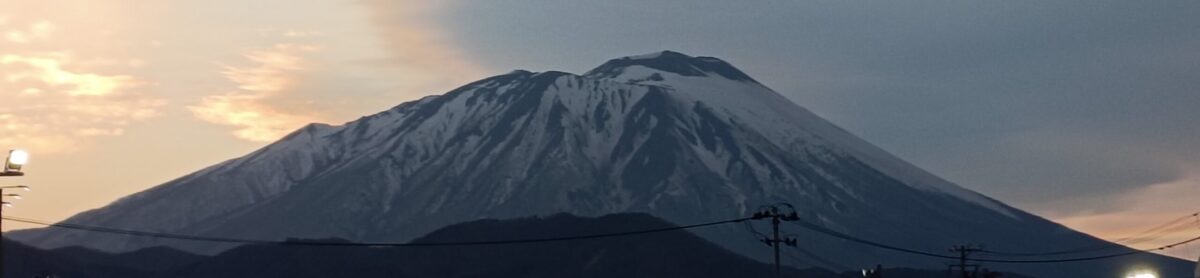
岩手山が太古に轟かせた噴火の記憶は、北へ向かうにつれて静寂な高原へと姿を変えます。八幡平(はちまんたい)は、地質学的な激動の果てに生まれた、岩手県を代表する火山性の湿原です。春、この高層湿原が長い冬の眠りから覚めるとき、鏡沼(かがみぬま)という小さな水面には、地球が呼吸しているかのような奇跡的な現象「ドラゴンアイ」が現れます。それは単なる観光スポットではなく、岩手の自然が数千年の時間をかけて練り上げた、一瞬の芸術作品なのです。

The Sculpted Earth and the Blink of Melting Snow

The memories of the ancient eruptions that once thundered from Mt. Iwate transform into a quiet highland as one travels north. Hachimantai is a volcanic wetland, representative of Iwate Prefecture, born from the aftermath of geological upheaval. Each spring, as this high-moor wetland awakens from its long winter slumber, a miraculous phenomenon known as the “Dragon Eye” emerges on the surface of Kagaminuma pond, as if the earth itself were breathing. This is not merely a tourist destination; it is a fleeting work of art, refined by the nature of Iwate over thousands of years.

地質学的な必然が織りなす「龍の瞳」

ドラゴンアイの形成には、非常に繊細な自然のバランスが関与しています。冬の間に降り積もった膨大な雪が、春の陽光を受けて融解する過程で、沼の中央部から水が溜まり始めます。周囲の雪が環状に残ることで、そのコントラストがまるで巨大な龍の瞳のような蒼い円形を描き出すのです。この現象は毎年、気象条件によって微妙に形や色を変え、二度と同じ姿を見せることはありません。火山灰地特有の土壌と、八幡平特有の積雪量が重なり合って初めて成立する、まさに自然のパズルが完成する瞬間と言えるでしょう。

The Geological Necessity of the “Dragon’s Eye”

The formation of the Dragon Eye involves a delicate balance of nature. As the massive snowfall from the winter begins to melt under the spring sun, water gathers in the center of the pond, while the surrounding snow remains in a ring, creating a mesmerizing azure circle that resembles the eye of a colossal dragon. This phenomenon changes its shape and hue subtly every year depending on weather conditions, never appearing exactly the same twice. It is truly the moment a natural puzzle is solved—an occurrence that can only exist through the convergence of the volcanic soil and the specific volume of snowfall unique to Hachimantai.

畏敬の念を抱かせる、高山の精神性

かつて、この地を歩んだ修験者たちは、噴火を繰り返す山々に神の怒りと慈悲を重ねました。現代の私たちがドラゴンアイに惹きつけられるのも、そこに単なる「絶景」以上の何かを感じ取っているからではないでしょうか。気候変動の影響で、この神秘的な造形がいつまで姿を見せてくれるのかは誰にも分かりません。だからこそ、この「龍」と対峙する時間は、私たち人間に、自然という巨大なシステムの一部として生きているという謙虚な自覚を促すのです。

The Alpine Spirituality That Commands Awe

In the past, the mountain ascetics who traversed these lands projected both the wrath and mercy of the gods onto the mountains that repeatedly erupted. Perhaps we are drawn to the Dragon Eye today because we sense something more than just a “scenic view.” With the impacts of climate change, no one knows how long this mystical formation will continue to appear. This is precisely why the time we spend confronting this “dragon” compels us, as humans, to embrace a humble awareness that we are merely a part of the vast, complex system of nature.

■ WordPress設定データ

カテゴリー: 県央 Central Iwate
タグ: 八幡平, ドラゴンアイ, 鏡沼, 高層湿原, ジオツーリズム
アクセスポイント(座標): 39.9537, 140.8543

岩手の生命の鼓動:石割桜から八幡平ドラゴンアイへ / The Pulse of Life in Iwate: From Ishiwari-zakura to Hachimantai Dragon Eye

Witness the miracle of nature in Iwate. From the resilient Ishiwari-zakura in #Morioka to the ephemeral beauty of the Hachimantai Dragon Eye, discover the untamed spirit of the north. A seasonal masterpiece you cannot miss. #VisitIwate #Morioka

岩手の春、生命の物語

岩手の春は、単なる季節の移ろいではない。それは石を割り、雪を溶かす、荒々しくも美しい生命の賛歌である。盛岡の市街地に立つ「石割桜」が示した不屈の精神は、北の山岳地帯、八幡平へと受け継がれる。この地で春を待つことは、自然界のドラマを観測する知的な旅に他ならない。

The Spring of Iwate: A Narrative of Life

Spring in Iwate is not merely a shift in seasons; it is a wild and beautiful hymn of life that cracks stone and melts snow. The indomitable spirit embodied by the “Ishiwari-zakura” (Rock-splitting Cherry Tree) in Morioka is passed on to the northern mountainous region of Hachimantai. To wait for spring in this land is nothing less than an intellectual journey to observe the drama of the natural world.

石割桜:花崗岩に刻まれた不屈の歴史

盛岡地方裁判所の敷地に佇む樹齢約360年のエドヒガンザクラ。巨大な花崗岩の割れ目に根を張り、長い歳月をかけて石を押し広げてきたその姿は、まさに自然の力強さの象徴だ。かつてこの地には南部藩の屋敷があり、この桜は厳しい冬を越えながら、人々の生活と歴史を見守り続けてきた。石を割ってなお咲き誇るその姿には、困難を跳ね除け、自らの道を切り拓く力強さが宿っている。

Ishiwari-zakura: A History of Resilience Carved in Granite

Standing on the grounds of the Morioka District Court, this Edo-higan cherry tree is approximately 360 years old. It has rooted itself in the crevice of a massive granite boulder, slowly pushing the stone apart over centuries—a true symbol of nature’s tenacity. Once the site of a residence for the Nanbu clan, this tree has watched over the lives and history of the people through countless harsh winters. Its ability to bloom despite splitting the stone embodies the strength to overcome adversity and carve out one’s own path.

八幡平ドラゴンアイ:雪解けが描く奇跡の造形

盛岡から北上し、標高1,600メートルを超える八幡平へ。ここでは季節の時計が遅れて進む。春の訪れとともに、鏡沼(かがみぬま)に現れる「八幡平ドラゴンアイ」は、まさに北国の奇跡だ。雪解け水が沼の周囲に溜まり、中心部の雪が浮き上がって、まるで龍の眼のような瞳孔を形成する。この神秘的な造形は、気温と地形が完璧に調和した時にしか姿を現さない。石を割った桜の生命力が、今度は山頂の雪を溶かし、新たな命の輪郭を描き出しているかのようだ。

Hachimantai Dragon Eye: A Miracle Sculpted by Snowmelt

Traveling north from Morioka to the Hachimantai highlands, at an altitude exceeding 1,600 meters, the seasonal clock ticks differently. As spring approaches, the “Hachimantai Dragon Eye” emerges on Kagami-numa pond—a true miracle of the north country. As snowmelt collects around the pond, the snow in the center lifts, creating a pupil-like shape resembling a dragon’s eye. This mystical formation appears only when the temperature and topography are in perfect harmony. It is as if the same vitality that once split the stone now melts the summit snow, tracing the contours of new life.

📍 アクセス / Access

石割桜:盛岡駅からバスで約10分「盛岡地方裁判所前」下車。八幡平ドラゴンアイ:盛岡駅からバスで「八幡平頂上」まで約120分、そこから徒歩約20分。 / Ishiwari-zakura: Approx. 10 mins by bus from Morioka Station to “Morioka Chiho Saibansho-mae”. Hachimantai Dragon Eye: Approx. 120 mins by bus from Morioka Station to “Hachimantai Chojo”, followed by a 20-min walk.

🗺️ Google Mapsで場所を確認する / View on Google Maps

カテゴリー: 【県央 Central Iwate】
タグ: [石割桜, 八幡平ドラゴンアイ, 春, 堆積と侵食, イーハトーブ]
アクセスポイント(座標): [39.9536, 140.8521]
(※八幡平ドラゴンアイが浮かび上がる「鏡沼」の代表的な座標)

浄法寺塗と鬼の手形:漆の雫に宿る岩手の魂 / Joboji-nuri and the Demon’s Handprint: The Soul of Iwate in a Drop of Lacquer

岩手の語源と漆の深淵

岩手という地名の由来とされる、盛岡・三ツ石神社の「鬼の手形」。伝説によれば、この土地で悪さをした鬼が、二度と戻らないという誓いを石に刻んだとされています。この異界と人間界が交差した物語は、岩手の精神的な基層を成しています。しかし、岩手の物語は伝説だけではありません。北の二戸市には、鬼の荒々しい力とは対極にある、静謐で深遠な「漆」の文化が根付いています。それが、日本一の国産漆の産地として知られる「浄法寺塗」です。

The Etymology of Iwate and the Abyss of Urushi

The legend of the “Demon’s Handprint” at Mitsuishi Shrine in Morioka is said to be the origin of the name “Iwate.” According to folklore, a demon that wreaked havoc on this land carved a handprint into stone, swearing never to return. This story of the intersection between the supernatural and the human world forms the spiritual bedrock of Iwate. However, the story of Iwate is not limited to legends. In the northern city of Ninohe, there exists a culture of “Urushi” (lacquer) that is as profound as it is tranquil, standing in stark contrast to the demon’s raw power. This is “Joboji-nuri,” a craft from the nation’s premier producer of domestic lacquer.

漆掻き職人の手:自然との対話

浄法寺の森で、漆掻き職人は慎重に木肌を傷つけます。漆の木から滴り落ちる一滴の漆は、まさに木の命そのもの。職人は「漆を採る」のではなく、「木から分けていただく」という謙虚な姿勢で対話を行います。鬼の手形が「拒絶と契約」の印であるならば、漆掻き職人の手は「共生と感謝」の証です。過酷な冬を越え、季節の巡りの中で育まれた漆は、浄法寺塗の深みのある艶の源泉となります。

The Hands of the Urushi-kaki: A Dialogue with Nature

In the forests of Joboji, the *urushi-kaki* (lacquer tapper) carefully incises the bark of the tree. Each drop of lacquer that drips from the tree is truly the life force of the tree itself. The craftsman does not simply “take” the lacquer; he engages in a dialogue with a humble attitude, as if “receiving a share” from the tree. If the demon’s handprint is a mark of “rejection and a contract,” the hands of the lacquer tapper are a testament to “coexistence and gratitude.” Nurtured through the harsh winters and the turning of the seasons, this lacquer becomes the source of the profound luster found in Joboji-nuri.

時を超える「用の美」

浄法寺塗は、華美な装飾を競うものではありません。日々の暮らしの中で使い込むほどに、持ち主の人生を吸い込み、より美しく艶を増していきます。三ツ石神社の伝説が千年の時を超えて語り継がれるように、浄法寺塗の器もまた、世代を超えて受け継がれる「時間」の容器なのです。岩手の地で職人の手によって生み出された漆器は、単なる道具ではなく、歴史と自然が織りなす「生きた工芸」として、現代を生きる私たちの暮らしに静かに寄り添っています。

The “Beauty of Utility” Transcending Time

Joboji-nuri does not compete through ostentatious decoration. As it is used in daily life, it absorbs the life of its owner, becoming more beautiful and lustrous with time. Just as the legend of Mitsuishi Shrine has been passed down for a millennium, Joboji lacquerware is a vessel of “time,” inherited across generations. Born from the hands of craftsmen in Iwate, these lacquerwares are not merely tools; they are “living crafts” woven from history and nature, quietly accompanying our modern lives.

📍 アクセス / Access

二戸市浄法寺町へのアクセス:JR東北新幹線「二戸駅」下車後、バスにて約40分。/ Access to Joboji-cho, Ninohe City: Approx. 40 minutes by bus from JR Tohoku Shinkansen

カテゴリー: 【県北 Northern Iwate】
タグ: 浄法寺塗, 漆, 鬼の手形, 伝統工芸, 三ツ石神社
アクセスポイント(座標): 40.2039, 141.1331