春の光と、静寂に眠る漆の記憶
北上展勝地の桜並木は、春の訪れとともに淡いピンクのトンネルを作り出し、多くの人々の心を奪います。しかし、岩手の魅力はその儚い美しさだけではありません。山々が育む広葉樹の恵み、すなわち「漆」という深い黒の世界にこそ、この土地の真髄が隠されています。桜が「点」としての美を愛でるものなら、漆は「線」として歴史を繋ぐ存在です。
Spring Light and the Memory of Lacquer Sleeping in Silence
The rows of cherry trees at Kitakami Tenshochi create a tunnel of pale pink with the arrival of spring, captivating the hearts of many. However, the allure of Iwate lies not only in such ephemeral beauty. The true essence of this land is concealed within the bounty of the broad-leaved forests—the deep, profound world of “Urushi” (lacquer). If cherry blossoms are to be admired for their beauty as a “point” in time, lacquer exists as a “line” that connects history.
森の循環がもたらす「浄法寺塗」の哲学
展勝地の桜が散り、新緑が萌える頃、岩手の山々は生命力に満ち溢れます。この豊かな植生こそが、日本一の漆の産地である二戸市浄法寺を支える基盤です。漆の木は、樹液を採取するために丹念に育てられ、やがてその樹液は「浄法寺塗」という、時を重ねるごとに艶を増す器へと昇華します。自然のサイクルを壊さず、木から恵みを授かり、それを長く使い続ける。この持続可能性こそが、岩手の森が私たちに教える知恵です。
The Philosophy of “Joboji-nuri” Brought by the Forest Cycle
As the cherry blossoms of Tenshochi fall and the fresh greenery emerges, the mountains of Iwate overflow with vitality. This rich vegetation forms the foundation of Joboji in Ninohe City, the premier production area of lacquer in Japan. Urushi trees are carefully cultivated to harvest their sap, which eventually evolves into “Joboji-nuri”—vessels that grow more lustrous with the passing of time. Taking blessings from trees without disrupting the natural cycle, and using them for a lifetime—this sustainability is the wisdom that the forests of Iwate teach us.
日常に宿る精神性と歴史の継承
浄法寺塗の歴史は、古くは天台寺の僧侶たちが日常的に使用した器に遡ります。華美な装飾を排し、堅牢で実用的であることを最優先したその姿には、厳しい冬を越す岩手の風土と、質実剛健な精神が宿っています。漆器は使い込むほどに色が透け、所有者の人生に寄り添う「育てる道具」となります。それは単なる食器ではなく、使い手の記憶を漆の層に刻み込んでいく、時間との対話なのです。
Inheriting Spirituality and History Within Daily Life
The history of Joboji-nuri traces back to the vessels used daily by the monks of Tendai-ji Temple. Dispensing with ornate decorations, these pieces prioritize durability and utility—a reflection of the Iwate climate, where harsh winters demand resilience, and the pragmatic spirit of its people. As lacquerware is used, its color becomes more transparent, turning it into a “living tool” that grows alongside its owner. It is not merely tableware; it is a dialogue with time, where the user’s memories are etched into the layers of lacquer.
岩手の風土を旅するということ
桜の儚さと漆の永遠。この対照的な二つの美しさは、岩手の四季という循環の中で一つに繋がっています。私たちは北上で「今」という一瞬の輝きを愛で、浄法寺で「未来」へ向かう質実な道具を手に取る。岩手の森がもたらすこの深遠な物語を知ることは、単なる観光を超え、日本文化の根源に触れる旅そのものと言えるでしょう。森から生まれ、人々の生活に溶け込む漆の黒に、あなたは岩手の魂を見出すはずです。
Traveling Through the Climate of Iwate
The ephemerality of cherry blossoms and the eternity of lacquer. These two contrasting beauties are connected within the cycle of Iwate’s four seasons. We admire the brilliance of the “present” at Kitakami, and we hold in our hands the pragmatic tools that head toward the “future” at Joboji. To understand this profound narrative brought forth by Iwate’s forests is to embark on a journey that goes beyond mere sightseeing and touches the very roots of Japanese culture. In the black of the lacquer, born from the forest and blended into people’s lives, you will surely find the soul of Iwate.
📍 アクセス / Access
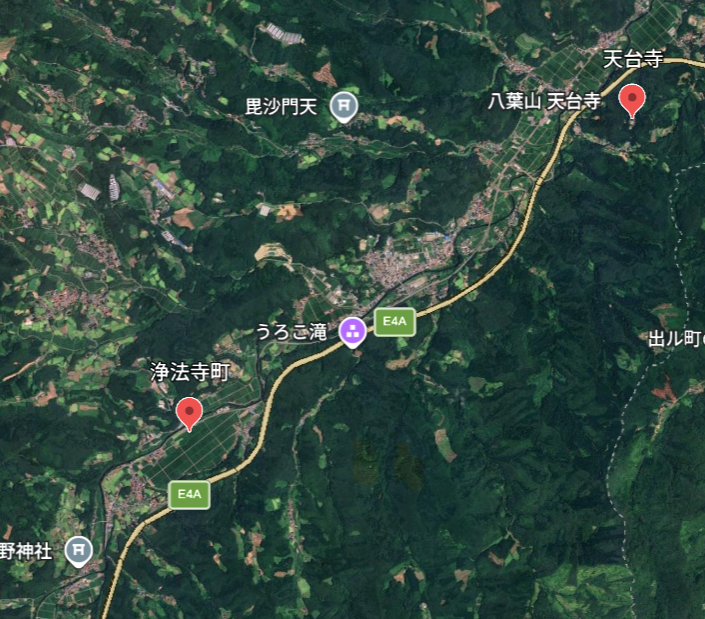
【電車・バス】JR東北新幹線「二戸駅」下車。二戸駅東口よりJRバス東北「浄法寺・軽米方面」行きに乗車、「浄法寺」バス停下車。所要時間約40分。 【車】八戸自動車道「浄法寺IC」より約5分。 — [Trains and buses] Get off at Ninohe Station on the JR Tohoku Shinkansen. From the east exit of Ninohe Station, take the JR bus bound for Joho-ji Temple and Karumai-kai Station on the JR bus bound for Joho-ji Temple and Karumai Station. It takes about 40 minutes. 【Car】About five minutes from Hachinohe Expressway “Johoji IC”
■ WordPress設定データ
カテゴリー: 県北 Northern Iwate
タグ: 浄法寺塗, 漆, 北上展勝地, 桜, 伝統工芸
アクセスポイント(座標): 40.2155, 141.1352 (※浄法寺塗の歴史的・精神的起源である「天台寺」の座標)