岩手の語源と漆の深淵
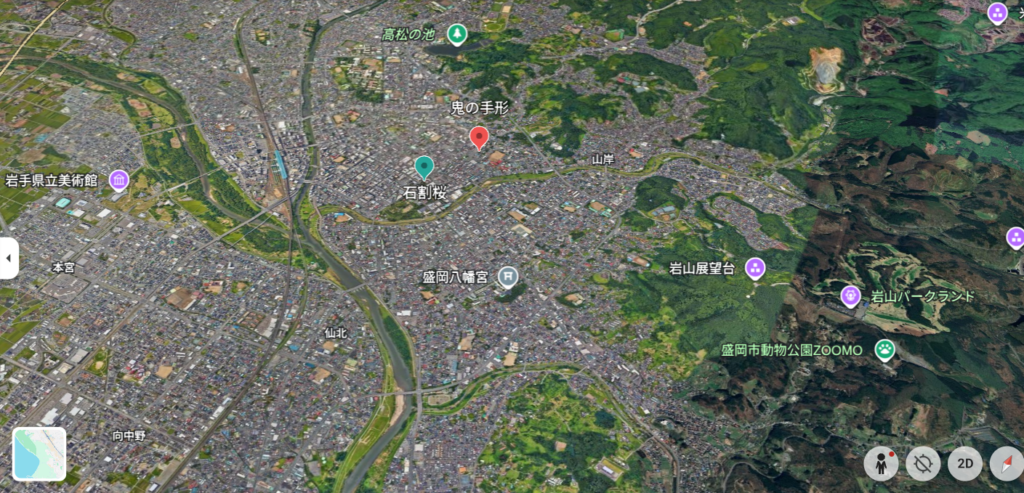
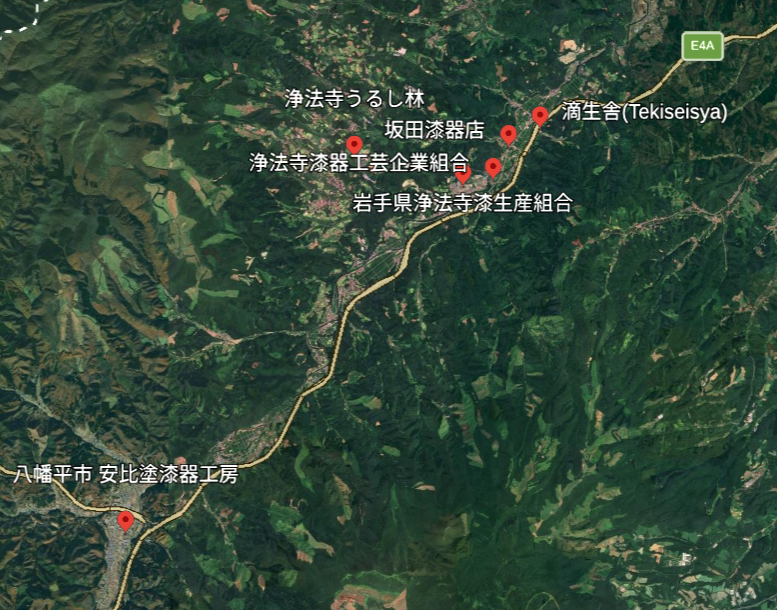
岩手という地名の由来とされる、盛岡・三ツ石神社の「鬼の手形」。伝説によれば、この土地で悪さをした鬼が、二度と戻らないという誓いを石に刻んだとされています。この異界と人間界が交差した物語は、岩手の精神的な基層を成しています。しかし、岩手の物語は伝説だけではありません。北の二戸市には、鬼の荒々しい力とは対極にある、静謐で深遠な「漆」の文化が根付いています。それが、日本一の国産漆の産地として知られる「浄法寺塗」です。
The Etymology of Iwate and the Abyss of Urushi
The legend of the “Demon’s Handprint” at Mitsuishi Shrine in Morioka is said to be the origin of the name “Iwate.” According to folklore, a demon that wreaked havoc on this land carved a handprint into stone, swearing never to return. This story of the intersection between the supernatural and the human world forms the spiritual bedrock of Iwate. However, the story of Iwate is not limited to legends. In the northern city of Ninohe, there exists a culture of “Urushi” (lacquer) that is as profound as it is tranquil, standing in stark contrast to the demon’s raw power. This is “Joboji-nuri,” a craft from the nation’s premier producer of domestic lacquer.
漆掻き職人の手:自然との対話
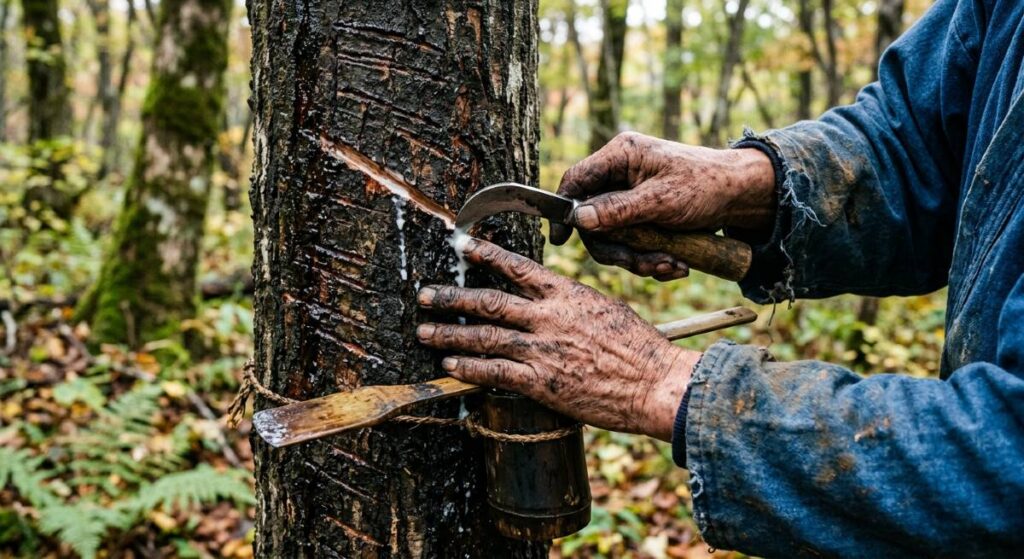
浄法寺の森で、漆掻き職人は慎重に木肌を傷つけます。漆の木から滴り落ちる一滴の漆は、まさに木の命そのもの。職人は「漆を採る」のではなく、「木から分けていただく」という謙虚な姿勢で対話を行います。鬼の手形が「拒絶と契約」の印であるならば、漆掻き職人の手は「共生と感謝」の証です。過酷な冬を越え、季節の巡りの中で育まれた漆は、浄法寺塗の深みのある艶の源泉となります。
The Hands of the Urushi-kaki: A Dialogue with Nature
In the forests of Joboji, the *urushi-kaki* (lacquer tapper) carefully incises the bark of the tree. Each drop of lacquer that drips from the tree is truly the life force of the tree itself. The craftsman does not simply “take” the lacquer; he engages in a dialogue with a humble attitude, as if “receiving a share” from the tree. If the demon’s handprint is a mark of “rejection and a contract,” the hands of the lacquer tapper are a testament to “coexistence and gratitude.” Nurtured through the harsh winters and the turning of the seasons, this lacquer becomes the source of the profound luster found in Joboji-nuri.
時を超える「用の美」
浄法寺塗は、華美な装飾を競うものではありません。日々の暮らしの中で使い込むほどに、持ち主の人生を吸い込み、より美しく艶を増していきます。三ツ石神社の伝説が千年の時を超えて語り継がれるように、浄法寺塗の器もまた、世代を超えて受け継がれる「時間」の容器なのです。岩手の地で職人の手によって生み出された漆器は、単なる道具ではなく、歴史と自然が織りなす「生きた工芸」として、現代を生きる私たちの暮らしに静かに寄り添っています。
The “Beauty of Utility” Transcending Time
Joboji-nuri does not compete through ostentatious decoration. As it is used in daily life, it absorbs the life of its owner, becoming more beautiful and lustrous with time. Just as the legend of Mitsuishi Shrine has been passed down for a millennium, Joboji lacquerware is a vessel of “time,” inherited across generations. Born from the hands of craftsmen in Iwate, these lacquerwares are not merely tools; they are “living crafts” woven from history and nature, quietly accompanying our modern lives.
📍 アクセス / Access
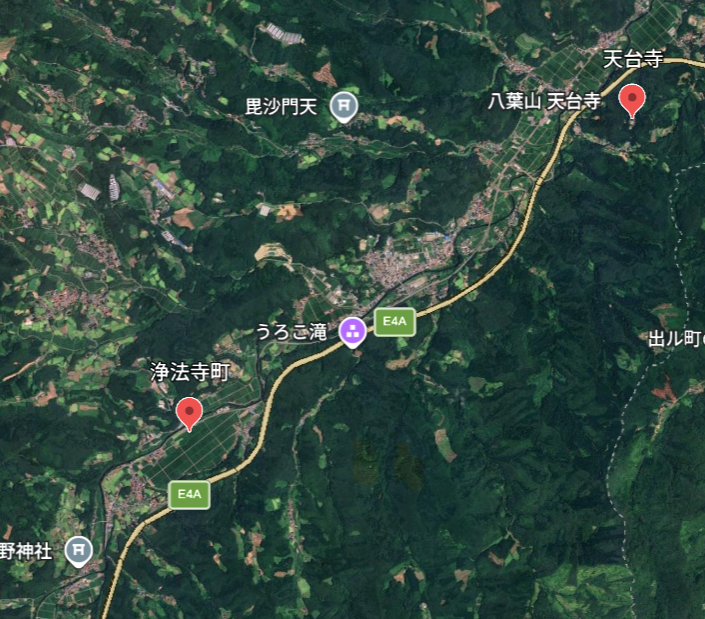
二戸市浄法寺町へのアクセス:JR東北新幹線「二戸駅」下車後、バスにて約40分。/ Access to Joboji-cho, Ninohe City: Approx. 40 minutes by bus from JR Tohoku Shinkansen
カテゴリー: 【県北 Northern Iwate】
タグ: 浄法寺塗, 漆, 鬼の手形, 伝統工芸, 三ツ石神社
アクセスポイント(座標): 40.2039, 141.1331