荒ぶる風土を芸術に変える「気仙大工」の矜持 / The Pride of Kesen Carpenters: Transforming a Harsh Landscape into Art

The Kesen Carpenters of Rikuzentakata transformed harsh lands into architectural art using resilient Kesen cedar. A legacy of craftsmanship that transcends time and tragedy. #VisitIwate #Morioka

不毛の地から生まれた建築の美学

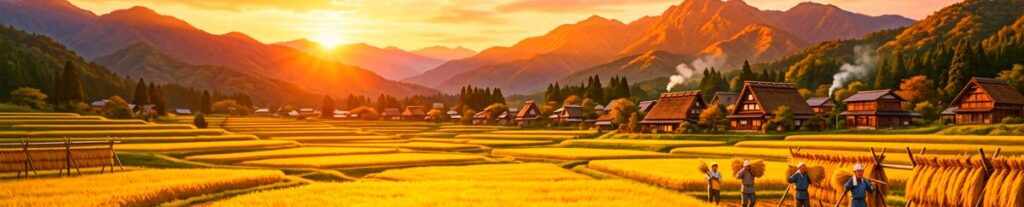
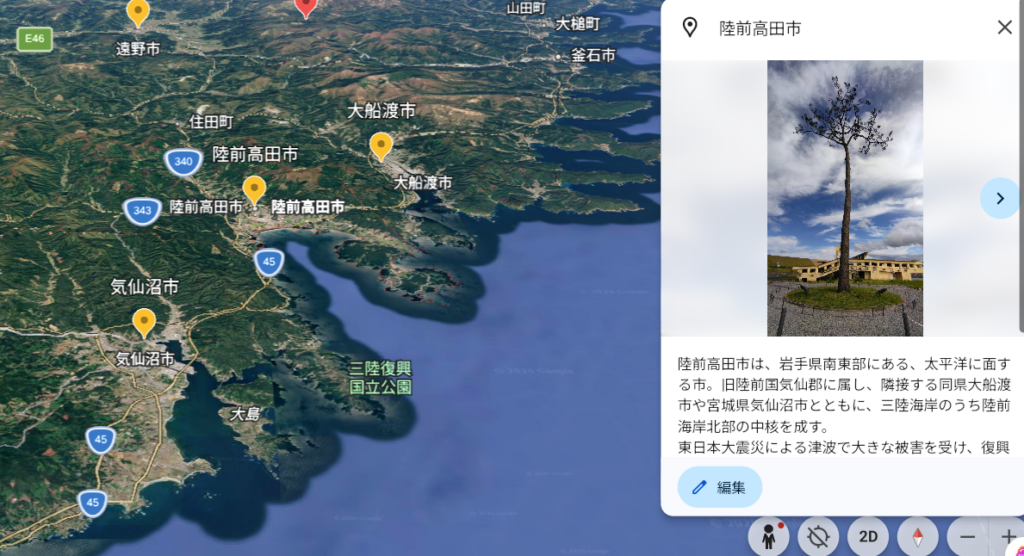
岩手県南東部に位置する陸前高田。この地は、かつて決して豊かな土地とは言い難い場所でした。しかし、伊達藩の治世下で行われた組織的な植林事業が、この地の運命を大きく変えることになります。不毛の荒野を広大な杉の森へと変貌させるという「未来への投資」は、単なる産業の育成に留まりませんでした。それは、木と向き合い、その生命力を建築という芸術に昇華させる「気仙大工」という稀代の職人集団を生み出すための、長い長い序章だったのです。

The Aesthetics of Architecture Born from Barren Lands

Rikuzentakata, located in the southeastern part of Iwate Prefecture, was once far from a prosperous land. However, the systematic afforestation project conducted under the governance of the Date clan changed its destiny. This “investment in the future”—transforming a barren wilderness into vast cedar forests—was more than just developing an industry. It was the prologue to the emergence of the “Kesen Carpenters,” a rare collective of craftsmen who would dedicate their lives to engaging with wood and elevating its vitality into the art of architecture.

気仙杉と職人の対話

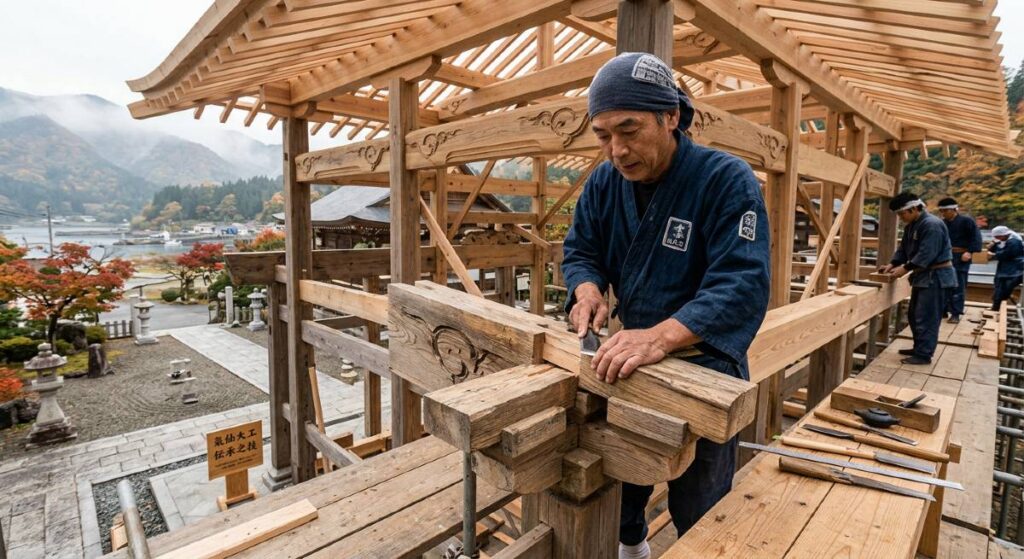
気仙大工の真骨頂は、彼らが扱う「気仙杉」への深い敬意にあります。厳しい冬と潮風に耐え、ゆっくりと年輪を重ねた杉は、緻密で美しい光沢を放ちます。江戸時代、気仙大工たちはこの木材を携え、全国を渡り歩きました。彼らが用いたのは、釘を使わずに複雑な構造を組み上げる「継手・仕口」の技法です。木材の癖を見抜き、数十年、数百年の時を経てもなお揺るがない強固な構造を作り上げるその様は、まさに人間と自然の対話と言えるでしょう。

A Dialogue Between Kesen Cedar and the Craftsman

The essence of the Kesen Carpenters lies in their profound respect for the “Kesen Cedar” they handle. Having endured harsh winters and salty sea breezes, this cedar grows slowly, resulting in dense, beautiful, and lustrous wood. During the Edo period, these carpenters traveled across Japan with this timber. They employed the technique of “tsugite-shiguchi” (joinery)—assembling complex structures without a single nail. By discerning the nature of each piece of wood, they created structures that would remain unshakable for centuries, a true dialogue between humanity and nature.

震災を超えて受け継がれる「技」の魂

東日本大震災という未曾有の悲劇は、この地の風景を一変させました。しかし、気仙大工の魂は消えることはありません。彼らが木を慈しみ、自然の摂理を建築に落とし込むその姿勢は、持続可能な社会を目指す現代において、新たな示唆を与えています。かつて先人が植えた木々が今の森を作り、その森がまた次の時代の建築を支える。気仙大工の歴史は、終わりのない循環の物語であり、岩手が誇る知的な遺産なのです。

津波という自然の猛威がもたらした容赦のない『侵食』は、一瞬にして数多の形あるものを削り取りました。しかし、気仙の地に深く根を下ろした職人たちの誇りと、山々との対話の記憶までは奪えなかったのです。幾星霜の時をかけて人々の営みが『堆積』させた技と精神の地層は、復興の槌音とともに今また新たな芽吹きを迎えています。鉋(かんな)が削り出すひとひらの木屑にさえ、連綿と続く命の詩(うた)が宿る。気仙大工が打ち立てる新たな一柱は、過去から未来へと手渡される、揺るぎない希望の証拠なのです。

■ English Version

The Spirit of “Waza” Enduring Beyond Tragedy

The unprecedented tragedy of the Great East Japan Earthquake transformed the landscape of this region. Yet, the spirit of the Kesen Carpenters remains undimmed. Their dedication to cherishing wood and incorporating the laws of nature into architecture offers profound insights for our modern pursuit of a sustainable society. The trees planted by ancestors created the forests of today, and these forests will support the architecture of the next era. The history of the Kesen Carpenters is a story of an endless cycle—an intellectual legacy that Iwate proudly preserves.

The relentless “erosion” brought by the fury of the tsunami ruthlessly stripped away countless tangible forms in a mere instant. However, it could not wash away the pride of the artisans deeply rooted in the land of Kesen, nor the memories of their profound dialogue with the mountains. The strata of skill and spirit, carefully “accumulated” through human endeavor over countless years, are now witnessing a new awakening, resonating with the sound of hammers striking for reconstruction. Even within a single wood shaving curled by a plane, the continuous poetry of life resides. The new pillar erected by the masterful hands of the Kesen Carpenters stands as unwavering evidence of hope, passed down from the past to the future.


■ WordPress設定データ

カテゴリー: 沿岸 Coastal Iwate
タグ: [気仙大工, 東日本大震災, 伝統建築, 復興, 循環]
アクセスポイント(座標): 39.0818, 141.7088
黄金の国・ジパングの源流:陸前高田・玉山金山が語る歴史の真実 / The Roots of Zipangu: Unearthing the Gold of Rikuzentakata

Discover the true roots of Marco Polo’s “Zipangu” in the ruins of Tamayama Gold Mine, Rikuzentakata. A journey back to the golden era of the Oshu Fujiwara. #VisitIwate #Morioka #History #GoldMine

黄金伝説の深層へ

マルコ・ポーロが『東方見聞録』で記した「黄金の国・ジパング」。その伝説の背後には、奥州藤原氏が栄華を極めた岩手の歴史が深く関わっています。陸前高田の山あいに眠る玉山金山跡は、ただの廃坑ではありません。かつて世界を魅了した黄金の輝きが、ここから生まれたという歴史のパズルが眠っているのです。私たちは今、中世の交易路を通じて世界史に影響を与えた、この地の重層的な物語を紐解く必要があります。

Into the Depths of the Golden Legend

The “Zipangu,” the Land of Gold, described by Marco Polo in his Travels, is deeply intertwined with the history of Iwate, where the Oshu Fujiwara clan once flourished. The Tamayama Gold Mine ruins, nestled in the mountains of Rikuzentakata, are far more than mere abandoned shafts; they are pieces of a historical puzzle, suggesting that the gold which once captivated the world originated here. We must now unravel the multi-layered story of this land, which influenced world history through the trade routes of the Middle Ages.

奥州藤原氏を支えた黄金の力

12世紀、平泉を中心に繁栄した奥州藤原氏は、豊富な砂金と金鉱山を背景に強大な経済力を誇りました。玉山金山は、その黄金文化を支えた主要な供給源の一つです。中尊寺金色堂の眩い輝きは、この地に眠る金があったからこそ実現しました。歴史は語ります。この山々は、単なる資源の採掘場ではなく、東北の独立と独自の文化を支えた「心の拠り所」であり、経済的な生命線であったことを。

The Golden Power Behind the Oshu Fujiwara

In the 12th century, the Oshu Fujiwara clan, based in Hiraizumi, wielded immense economic power fueled by abundant alluvial and vein gold. Tamayama was a primary source supporting this golden culture. The resplendent Chuson-ji Golden Hall was made possible only through the gold extracted from this land. History tells us that these mountains were not merely resource extraction sites, but the bedrock of Tohoku’s independence and cultural identity—the very lifeline of their economy.

世界に伝播した「ジパング」の記憶

マルコ・ポーロが実見しなかったジパングの噂は、当時の交易路を通じて中国、そして世界へと伝播しました。陸前高田の金がどのようなルートを辿り、どのようにして「黄金の国」という神話に昇華されたのか。玉山金山跡の静寂の中に立つと、当時の交易商人の足音や、金の輝きに目を奪われた人々の熱狂が、時を超えて響いてくるようです。この場所は、岩手がかつて世界の経済地図の中心にあったことを証明する証人なのです。

The Echo of “Zipangu” Spread Across the Globe

The rumors of Zipangu, which Marco Polo never actually witnessed, echoed through trade routes to China and eventually the world. One cannot help but wonder: what path did the gold from Rikuzentakata travel to ignite the myth of the “Land of Gold”? Standing in the silence of the Tamayama ruins, one can almost hear the footsteps of ancient merchants and feel the fervor of those who were captivated by the allure of this precious metal. This site stands as a witness, proving that Iwate was once at the center of the world’s economic map.

歴史を未来へ繋ぐ巡礼

現在、玉山金山跡は自然に還りつつあります。しかし、その土壌には、かつての繁栄と、幾多の労働者が掘り起こした歴史の重みが刻まれています。岩手の地には、世界史の転換点となった「黄金の物語」が今も脈々と流れています。この場所を訪れることは、単なる観光ではありません。歴史の深淵に触れ、かつての黄金の記憶を現代に蘇らせる、知的な巡礼の旅なのです。

A Pilgrimage Connecting History to the Future

Today, the Tamayama Gold Mine ruins are slowly returning to nature. Yet, the soil remains etched with the weight of past prosperity and the toil of countless laborers. The “Golden Story,” which became a turning point in world history, still flows through the land of Iwate. Visiting this site is not merely sightseeing; it is an intellectual pilgrimage to touch the depths of history and resurrect the memories of the golden age for the modern world.

奇跡の醤油と南部杜氏の魂:陸前高田が紡ぐ発酵の物語 / The Miracle Soy Sauce and the Soul of Nambu Toji: The Fermentation Saga of Rikuzentakata

Discover the

岩手の厳しい冬と豊かな自然が育んだ「南部杜氏」の技。その伝統は今、沿岸の陸前高田で新たな発酵の奇跡として花開いています。古くから日本酒造りで磨かれてきた微生物との対話技術が、震災という苦難を乗り越え、どのようにして世界を驚かせる「奇跡の醤油」を生み出したのか。今回は、味覚の奥底に触れる発酵の軌跡を辿ります。

The rigor of Iwate’s winters and its abundant nature long nurtured the mastery of the “Nambu Toji” (master brewers). Today, this tradition flourishes as a new miracle of fermentation in the coastal city of Rikuzentakata.

We explore how the techniques of communicating with microorganisms—refined through centuries of sake brewing—overcame the hardships of the Great East Japan Earthquake to create a “miracle soy sauce” that astonished the world. Join us as we trace the path of fermentation that touches the very depths of flavor.