鉄の鼓動とイーハトーブの夢:釜石・橋野鉄鉱山が紡ぐ近代日本の夜明け / The Pulse of Iron and the Dream of Ihatov: The Dawn of Modern Japan at Kamaishi’s Hashino Iron Mining Site

鉄と詩情が交差する場所:イントロダクション

岩手と聞けば、多くの人は宮沢賢治の描いた「イーハトーブ」の牧歌的な風景や、詩情豊かな自然を思い浮かべるだろう。しかし、その土壌には、近代日本を根底から支えた熱き鉄の鼓動が脈打っている。釜石市にある世界遺産「橋野鉄鉱山」は、単なる産業遺構ではない。そこは、孤立した島国が西洋列強の荒波に立ち向かうべく、知恵と情熱を絞り出した「近代化の実験場」であった。鉄という冷徹な素材と、賢治が夢見た理想郷。一見相反する二つの要素が、岩手という地でいかにして結びついているのか。その歴史の深層へと足を踏み入れてみたい。

Where Iron Meets Poetry: An Introduction

When people hear the name “Iwate,” many conjure images of the pastoral landscapes of “Ihatov”—the utopian world envisioned by Kenji Miyazawa—and its poetic, rich nature. Yet, beneath this soil beats the fervent pulse of iron that fundamentally supported the modernization of Japan. The Hashino Iron Mining and Smelting Site in Kamaishi City is not merely an industrial relic; it was an “experimental ground for modernization,” where an isolated island nation poured its wisdom and passion into navigating the turbulent waters of Western expansionism. How do these seemingly contradictory elements—the cold, hard material of iron and the utopian dream of Miyazawa—intersect in Iwate? Let us step into the depths of this history.

近代化の火種:橋野鉄鉱山と大島高任の執念

1857年、幕末の動乱期。南部藩士・大島高任(おおしま たかとう)は、西洋の文献を紐解き、試行錯誤の末に日本で初めてとなる洋式高炉での出銑に成功した。これは単なる技術的な偉業ではない。当時の日本は鎖国体制の終焉を迎え、技術的にも経済的にも圧倒的な西洋の脅威に晒されていた。橋野の山中で、彼らは独力で「鉄」という国家の骨格を創り出そうとしたのだ。当時の遺構に立てば、静寂の中に、当時の技術者たちが燃やした高炉の熱気と、成功への執念が今も響いているように感じられる。彼らが鋳出したのは、単なる鉄の塊ではなく、日本という国家が自立して歩むための「意志」そのものであった。

The Spark of Modernization: The Determination of Oshima Takato

In 1857, amidst the turmoil of the late Edo period, Oshima Takato, a samurai of the Nambu domain, deciphered Western texts and, through exhaustive trial and error, succeeded in producing pig iron using Japan’s first Western-style blast furnace. This was not merely a technical triumph. At the time, Japan was witnessing the end of its isolationist policy and faced the overwhelming threat of Western technological and economic power. Deep in the mountains of Hashino, they were attempting to forge the very skeleton of a nation—”iron”—entirely on their own. Standing among the ruins today, one can almost hear the heat of the blast furnaces and the fierce determination of the engineers who sought success against all odds. What they cast was not merely a lump of iron, but the very “will” for Japan to walk its own path as an independent nation.

イーハトーブという理想と産業の調和

ここで興味深いのは、この「鉄の歴史」と、宮沢賢治の「イーハトーブ」という思想の重なりである。賢治が目指したイーハトーブは、農業や産業、そして自然が調和する理想郷であった。橋野の鉄鉱山もまた、山々の恵み(鉄鉱石と木炭)を使い、人間の知性を駆使して新たな価値を創造する営みである。近代化という名の荒々しい開発ではなく、この土地の資源をいかに賢明に使い、未来を切り拓くか。その問いは、今もなお、この地を訪れる人々に静かな思索を迫る。橋野は、岩手の精神的な深層を理解するための重要なパズルピースなのだ。産業の発展と自然への敬意を両立させることの難しさと尊さを、この地は歴史を通じて私たちに語りかけている。

The Harmony of Ihatov and Industry

What is fascinating here is the intersection between this “history of iron” and Kenji Miyazawa’s philosophy of “Ihatov.” The Ihatov that Miyazawa envisioned was a utopia where agriculture, industry, and nature existed in harmony. The Hashino Iron Mine was also an endeavor that utilized the gifts of the mountains (iron ore and charcoal) and human intellect to create new value. It was not merely aggressive development under the name of modernization, but a question of how to wisely use the land’s resources to carve out a future. That question still compels visitors to this site to engage in quiet reflection. Hashino is an essential puzzle piece for understanding the spiritual depths of Iwate. Through its history, this site speaks to us about the difficulty and the nobility of balancing industrial development with respect for nature.

開拓の精神:過去から未来へ

橋野鉄鉱山を訪れることは、単なる過去への旅ではない。それは、日本という国がどのようにして「自立」を勝ち取ったのか、そして私たちはどのように自然と文明を調和させていくべきなのかという、普遍的なテーマと対峙することに他ならない。冷たい鉄の遺構に刻まれた熱い物語は、時代を超えて、私たちに「開拓」の真の意味を問い続けている。岩手の地で紡がれた鉄の歴史は、今もなお、新しい未来を切り拓こうとする人々の心に、静かに火を灯し続けているのである。

深い山懐に抱かれたこの場所で、私たちは二つの時間を目撃する。一つは、厳しい風雨による自然の「侵食」であり、もう一つは、先人たちの情熱と祈りが幾重にも「堆積」した確かな痕跡である。冷徹な自然の摂理に静かに溶け込みながらも、なお圧倒的な存在感を放つ石組みの沈黙に耳を澄ませてほしい。錆びた鉄がやがて土へと還り、新たな森の命を育むように。橋野の谷を吹き抜ける風は、朽ちゆくものの哀愁ではなく、大地と深く結びついた人間の営みの永遠性を、今日という日に運んでくるのだ。

■ English Version

The Spirit of Pioneering: From Past to Future

Visiting the Hashino Iron Mining and Smelting Site is not merely a journey into the past. It is an encounter with universal themes: how the nation of Japan achieved its “self-reliance,” and how we ought to harmonize nature with civilization. The fervent story etched into these cold iron ruins continues to challenge us, across the ages, to reconsider the true meaning of “pioneering.” The legacy of iron, forged in the rugged heart of Iwate, remains a living flame—quietly illuminating the path and sparking the resolve of those who strive to carve out a new and sustainable future today.

Embraced by the deep mountains, we bear witness to two distinct flows of time in this sanctuary: the natural “erosion” brought about by harsh winds and rains, and the resilient “accumulation” of our ancestors’ passion and prayers layered over generations. Listen closely to the silence of the stone masonry, which maintains an overwhelming presence even as it gently blends into the unforgiving laws of nature. Just as rusted iron eventually returns to the earth to nurture new life in the forest, the wind sweeping through the Hashino valley brings to us today not the sorrow of decay, but the eternity of human endeavor profoundly connected to the earth.


■ WordPress設定データ

カテゴリー: 沿岸 Coastal Iwate
タグ: 橋野鉄鉱山, 産業遺産, 世界遺産, 釜石市, 鉄の歴史
アクセスポイント(座標): 39.3361, 141.6667

どんぐりと山猫の森から縄文の食卓へ:岩泉町のどんぐりラーメンと太古の恵み / From the Forest of “The Acorn and the Wildcat” to the Jomon Table: Iwaizumi’s Acorn Ramen and Ancient Blessings

森の記憶を食す:岩泉の静かなる革命

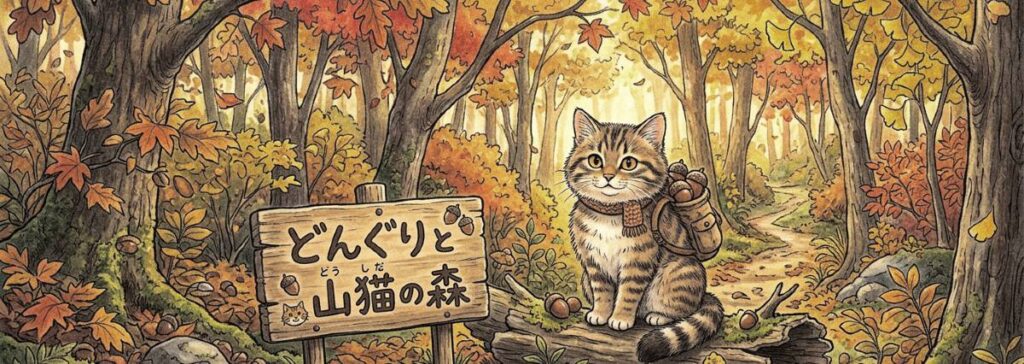
岩手県岩泉町。広大なブナの原生林が広がるこの地は、宮沢賢治の童話『どんぐりと山猫』の幻想的な舞台を彷彿とさせます。しかし、ここで語られる「どんぐり」は単なる物語の小道具ではありません。それは、数千年の時を超えて現代の食卓へと受け継がれた、縄文時代からの「生存の記憶」そのものです。岩泉のどんぐりラーメンは、単なるご当地グルメの枠を超え、私たちが忘れかけていた大地とのつながりを再認識させる、いわば「食の考古学」とも呼べる体験なのです。

Eating the Memory of the Forest: The Quiet Revolution in Iwaizumi

Iwaizumi Town, Iwate Prefecture. This land, covered in vast virgin beech forests, evokes the fantastical stage of Kenji Miyazawa’s fairy tale, “The Acorn and the Wildcat.” However, the “acorns” discussed here are not merely props in a story. They are the “memories of survival” passed down from the Jomon period to the modern table, transcending thousands of years. Iwaizumi’s acorn ramen goes beyond the scope of mere local cuisine; it is an experience that can be called “culinary archaeology,” forcing us to reconsider the connection with the earth that we have long forgotten.

縄文の食卓:苦みを克服した知恵

かつて縄文時代、どんぐりは主要なエネルギー源でした。しかし、そのままではタンニンによる強烈な渋みがあり、食用には適しません。当時の人々は、どんぐりを川にさらして灰汁(あく)を抜き、粉にして練るという高度な加工技術を編み出しました。この「苦み」を「恵み」へと変える知恵こそが、過酷な自然環境の中で彼らが生き延びる鍵でした。岩泉のどんぐりラーメンは、この伝統的な食の知恵を現代の製麺技術と融合させたものです。どんぐり粉を練り込んだ麺からは、大地そのものの素朴で力強い香りが立ち上り、一口ごとに太古の森の気配が口の中に広がります。

The Jomon Table: The Wisdom of Overcoming Bitterness

In the Jomon period, acorns were a primary energy source. However, in their raw state, they are inedible due to the intense bitterness of tannins. The people of that era developed sophisticated processing techniques—soaking the acorns in rivers to leach out the harsh lye and grinding them into flour. This wisdom, transforming “bitterness” into “blessing,” was the key to their survival in a harsh natural environment. Iwaizumi’s acorn ramen fuses this traditional culinary wisdom with modern noodle-making technology. The noodles, kneaded with acorn flour, emit a rustic and powerful aroma of the earth itself, spreading the presence of ancient forests in one’s mouth with every bite.

どんぐりと山猫、そして現代の私たち

宮沢賢治の物語の中で、どんぐりたちは「一番えらいのは誰か」を巡って大騒ぎを繰り広げます。現代の私たちがこのラーメンをすする時、その問いに対する答えが見えてくるかもしれません。一番えらいのは、特定の誰かではなく、この豊かな森そのものであり、その森を何万年も守り続けてきたサイクルそのものなのではないでしょうか。岩泉のどんぐりラーメンを味わうことは、単に空腹を満たすことではありません。それは、森の循環の一部となり、縄文から続く長い歴史の物語を、自らの血肉として取り込む儀式なのです。

The Acorn, the Wildcat, and Us in the Modern Age

In Kenji Miyazawa’s story, the acorns kick up a fuss over “who is the most important.” When we in the modern age slurp this ramen, the answer to that question may reveal itself. Perhaps the “most important” one is not any specific individual, but the lush forest itself and the very cycle that has protected that woodland for tens of thousands of years. To savor Iwaizumi’s acorn ramen is more than just satisfying hunger. It is a sacred ritual: you become a part of the forest’s eternal cycle, incorporating a narrative of history stretching back to the Jomon period into your very own flesh and blood.

「石っこ賢さん」の眼差しが見た永遠――久慈の琥珀と白亜紀の記憶 / The Eternal Gaze of “Ishi-kko Ken-san”: Kuji Amber and the Memories of the Cretaceous

石の言葉を聴く――宮沢賢治と地質学への情熱

岩手県が誇る詩人、宮沢賢治は、幼少期から「石っこ賢さん」と呼ばれ、鉱物や地層に対して並々ならぬ愛情を注いでいた。彼にとって石は単なる無機物ではなく、地球の壮大な歴史を刻んだ「記憶の媒体」であった。賢治が地質学に求めたものは、単なる科学的知識を超えた、宇宙的な時間軸との対話である。その眼差しは、岩手の大地が秘める太古の真実を見透かそうとしていた。

Listening to the Language of Stones: Kenji Miyazawa and the Passion for Geology

Kenji Miyazawa, the poet who remains the pride of Iwate Prefecture, was affectionately known as “Ishi-kko Ken-san” (Ken the Stone-lover) from his childhood. He possessed an extraordinary affection for minerals and geological strata. To him, stones were not merely inorganic matter, but “media of memory” that recorded the grand history of the Earth. What Kenji sought in geology was a dialogue with a cosmic timeline, transcending mere scientific knowledge. His gaze sought to pierce through to the ancient truths concealed within the land of Iwate.

8500万年のタイムカプセル――久慈の琥珀が語るもの

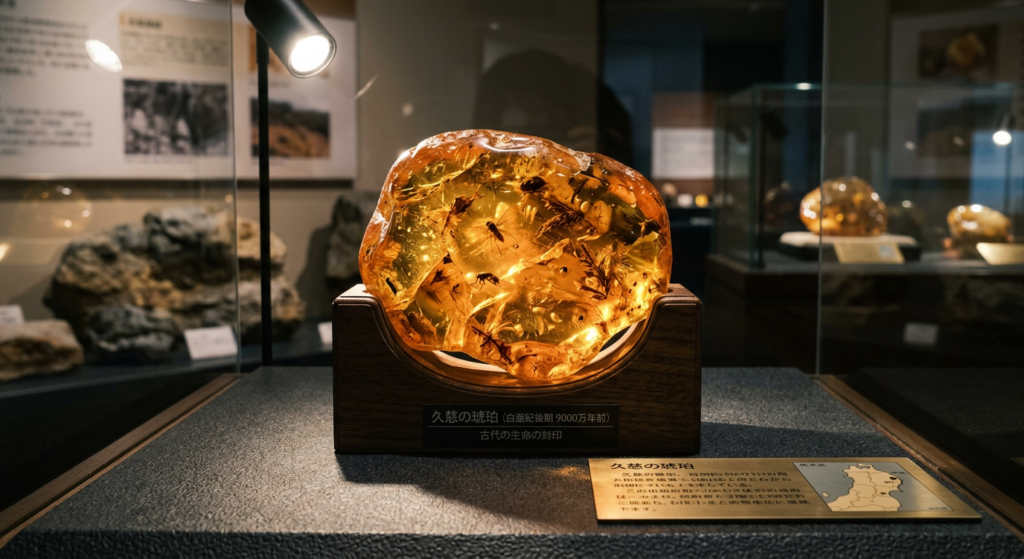
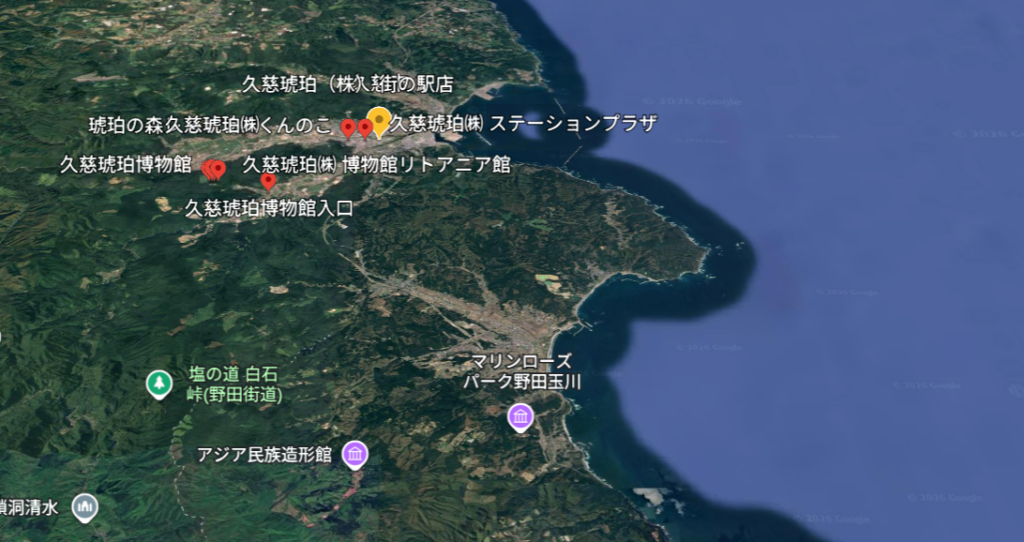
岩手県久慈市。この地は、日本有数の琥珀の産地として知られる。久慈の琥珀は、約8500万年前、白亜紀後期の樹液が長い年月をかけて化石化したものだ。賢治が愛した鉱物たちが、この地では「生命の息吹」をそのまま封じ込めている。琥珀の中に閉じ込められた昆虫や植物の断片は、当時の生態系を鮮明に現代へと伝えるタイムカプセルである。それは、賢治が詩の中で描こうとした「過去と現在が交錯する世界」が、この地の土壌に実在していることを証明している。

An 85-Million-Year Time Capsule: What Kuji Amber Reveals

Kuji City in Iwate Prefecture is renowned as one of Japan’s premier locations for amber. Kuji amber is fossilized tree resin from the Late Cretaceous period, approximately 85 million years ago. The minerals that Kenji so cherished have, in this land, sealed the very “breath of life.” The fragments of insects and plants trapped within the amber serve as time capsules, vividly conveying the ecosystem of that era to the present day. This stands as proof that the “world where the past and present intersect,” which Kenji sought to depict in his poetry, truly exists within the soil of this region.

地層に刻まれた白亜紀の記憶――恐竜と琥珀の共存

近年、久慈層群からは琥珀だけでなく、貴重な恐竜の化石が次々と発見されている。かつてこの地は、豊かな植物が生い茂り、恐竜たちが闊歩する湿地帯であった。琥珀という「宝石」と、恐竜という「巨獣」の化石が同じ地層から見つかることは、この地が白亜紀の生命の営みを多角的に保存していることを示唆する。賢治が地質調査で歩いた岩手の山野には、私たちが想像するよりも遥かに濃密な、太古の生命の物語が埋もれているのである。

Cretaceous Memories Engraved in the Strata: The Coexistence of Dinosaurs and Amber

In recent years, not only amber but also precious dinosaur fossils have been discovered one after another from the Kuji Group. This land was once a wetland, lush with vegetation, where dinosaurs roamed. The fact that the “gemstone” of amber and the fossils of “giant beasts” (dinosaurs) are found in the same strata suggests that this region preserves the activities of Cretaceous life from multiple perspectives. Beneath the mountains and fields of Iwate, where Kenji once walked during his geological surveys, lies a story of ancient life far denser than we could ever imagine.

岩手の大地を読み解く――賢治の遺志を継ぐ探求

久慈の琥珀と白亜紀の化石は、私たちに「時間とは何か」を問いかける。賢治が石を見つめることで得た知的好奇心は、現代の私たちがこの地の地層を観察する際にも不可欠な姿勢である。岩手の風景を単なる観光地としてではなく、地球の歴史が重層的に積み重なった「歴史の書物」として読み解くこと。それこそが、「石っこ賢さん」が遺した、もっとも深遠な遺産なのかもしれない。

Deciphering the Land of Iwate: A Quest Inheriting Kenji’s Will

Kuji’s amber and Cretaceous fossils challenge us with the question, “What is time?” The intellectual curiosity Kenji gained by gazing at stones is an essential mindset for us today as we observe the strata of this region. To read the landscapes of Iwate not merely as tourist destinations, but as a “book of history” where the history of the Earth is layered and accumulated—that, perhaps, is the most profound legacy left behind by “Ishikko Ken-san” (Kenji the Pebble Child). By learning to see the eternal universe within a single pebble, we inherit his vision—a way of life that seeks to harmonize our brief existence with the majestic, slow-moving narrative of the stars and the soil. This is the true “Ihatov” of the mind, where science and poetry intersect to illuminate the path toward our future.

遠野の風と鉄の記憶:橋野鉄鉱山が刻む日本の近代化 / The Winds of Tono and the Echoes of Iron: Hashino Iron Mining and Smelting Site

宮沢賢治の銀河を越えて:橋野鉄鉱山への旅路

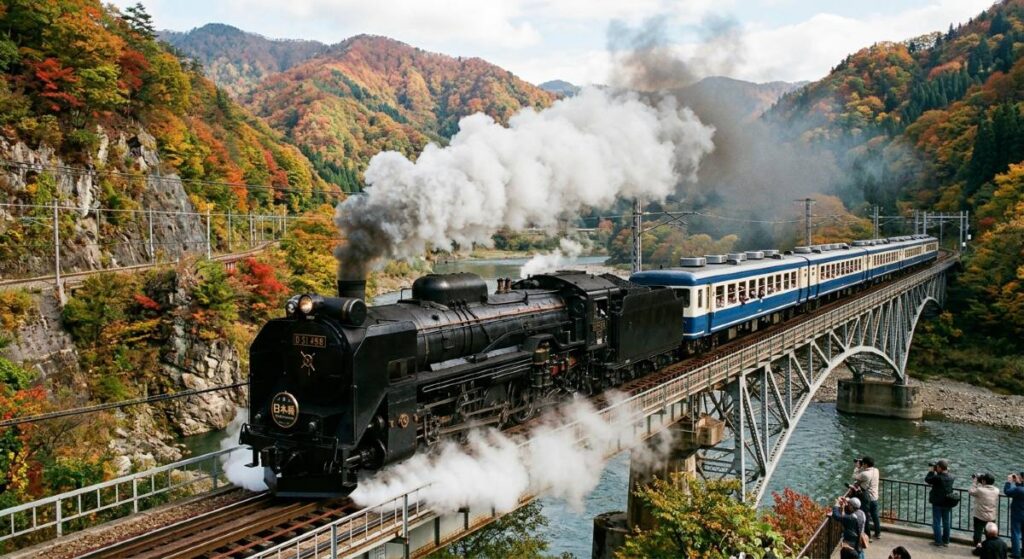
宮沢賢治の『銀河鉄道の夜』の情景を彷彿とさせる釜石線。遠野の山々を縫うように走り、内陸の神秘的な民話の世界から、海風香る釜石の港町へと抜けるこの路線は、まさに時空を旅する回廊です。しかし、この路線の先には、単なる観光地とは一線を画す、日本の近代産業史の原風景が隠されています。それが「橋野鉄鉱山」です。遠野の深い森の中に静かに佇むこの場所は、かつて日本初の洋式高炉が火を噴き、近代化という巨大な潮流を生み出した聖地でした。民話が息づく静寂の森と、鉄を溶かす熱き技術のコントラストは、訪れる者の想像力を強く刺激します。廃墟となった高炉跡は、自然の力に飲み込まれながらも、かつてここで日本の未来を切り拓こうとした人々の熱い息吹を、今なお現代に伝えているのです。

Beyond the Milky Way of Kenji Miyazawa: A Journey to Hashino

Beyond the Milky Way of Kenji Miyazawa: A Journey to Hashino

The Kamaishi Line, evocative of the celestial landscapes in Kenji Miyazawa’s “Night on the Galactic Railroad,” weaves through the verdant mountains of Tono, serving as a profound corridor that travels through both time and space. As the train moves from the mystical realm of ancient folklore toward the sea-scented port of Kamaishi, it reveals a hidden, primal landscape at its heart: the Hashino Iron Mining and Smelting Site.

Nestled silently in the deep forest, this was once a sacred industrial ground where Japan’s first Western-style blast furnace roared to life, sparking the massive tide of national modernization. The stark contrast between the quiet, legend-filled woods and the intense, heat-driven technology of molten iron powerfully stirs the observer’s imagination. Though the ruins of the furnace are now slowly being reclaimed by the relentless force of nature, they continue to echo the passionate breath of the pioneers who once carved out a path for Japan’s future, whispering their legacy to us in the present day.

三陸の宝石箱、宮古の瓶ドン / The Jewel Box of Sanriku: Miyako’s Bin-Don

牛乳瓶に詰まった三陸の結晶:瓶ドンの革新

岩手県宮古市の名物「瓶ドン」は、単なる海鮮丼を超えた、三陸の海を象徴するアートです。かつて、宮古の漁師たちが新鮮なウニを保存するために、滅菌した牛乳瓶に海水と共に詰めて持ち帰ったという伝統的な知恵。この「保存の技」が、現代の食文化と出会い、色鮮やかな海鮮を詰め込んだ贅沢な一品へと昇華されました。瓶を逆さにしてご飯の上に中身を流し込む瞬間、キラキラと輝くウニやイクラ、メカブが器を彩ります。それはまるで、岩手の荒々しくも豊かな海が、そのまま食卓に飛び込んできたかのような光景です。牛乳瓶というレトロな容器が、逆に新鮮な驚きを与え、三陸の海の幸を最も純粋な形で楽しませてくれるのです。この革新性は、伝統を単に守るだけでなく、時代に合わせてアップデートし続ける岩手の人々の柔軟な精神を体現しています。

静寂なガラス瓶の底に「堆積」した漁師たちの無骨な歴史は、いまや現代の鮮やかな感性によって「侵食」され、新たな光を放ち始めています。波の記憶を閉じ込めたこの小さな宇宙を白いご飯の上にほどくとき、私たちはただ海を味わうのではありません。永遠に波打ち続ける三陸の鼓動と、幾星霜をかけて磨き上げられた岩手の風土そのものを深く飲み込むのです。ガラス越しに瞬く原風景は、これからも私たちの食卓で、静かに、そして力強く息づいていくことでしょう。

■ English Version

A Crystallization of Sanriku in a Milk Bottle: The Innovation of Bin-Don

The famous “Bin-Don” of Miyako City is a culinary masterpiece that transcends the boundaries of a simple seafood bowl. Its roots lie in the ingenious tradition of local fishermen, who once used sterilized milk bottles filled with seawater to preserve the delicate freshness of sea urchins. Today, this “art of preservation” has been reimagined as a luxurious feast, where vibrant layers of seafood are packed into a single vessel. The moment you invert the bottle, a glittering cascade of sea urchin, salmon roe, and mekabu seaweed spills onto your rice like a treasure chest being opened. It is a sensory experience where the wild, bountiful essence of the Sanriku coast leaps directly onto your dining table. By repurposing the nostalgic milk bottle, this innovation offers a fresh surprise and proves that Iwate’s spirit is not just about guarding the past, but gracefully evolving with the times.

The rugged history of the fishermen, once quietly “accumulated” within these silent glass walls, has now been “eroded” and reshaped by modern sensibilities, radiating a brilliant new light. When we unravel this miniature universe of oceanic memories upon our bowls, we do more than simply taste the sea. We deeply swallow the eternal heartbeat of Sanriku and the very essence of Iwate’s landscape, polished over countless generations. This primordial scenery, captured behind glass, will continue to breathe quietly yet powerfully upon our tables for years to come.


■ WordPress設定データ

カテゴリー: 沿岸 Coastal Iwate
タグ: 瓶ドン, 宮古市, 三陸の海, 食文化, 伝統と革新
アクセスポイント(座標): 39.6415, 141.9463


海から星降る夜空へ 岩手・鉄道ロマン旅 / A Romantic Railway Journey in Iwate

三陸の青い海から、賢治が描いた銀河の世界へ

青く輝く太平洋を横目に走る三陸鉄道。車窓を流れるリアス海岸の絶景は、息を呑む美しさです。荒波が悠久の時をかけて大地を削り出した「侵食」の芸術を堪能した後は、鉄路を西へ、内陸の花巻へと向かいます。

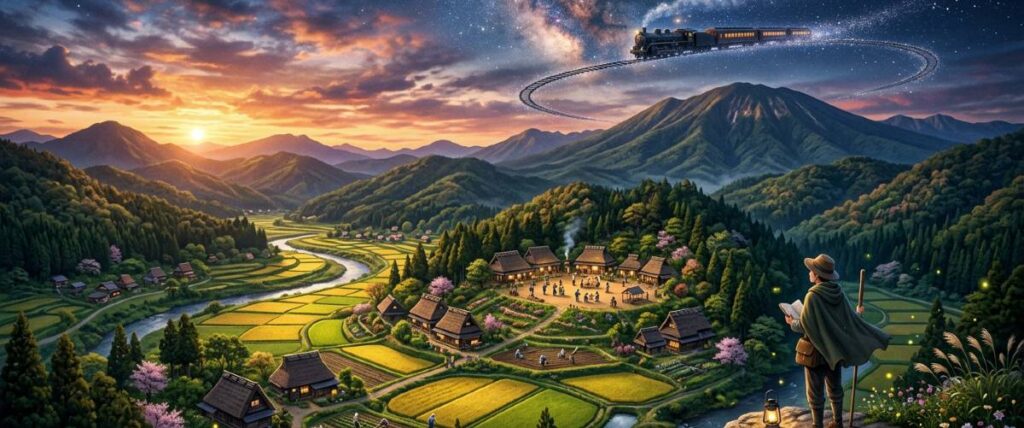
宮沢賢治が愛したこの地で夜空を見上げれば、そこはまるで『銀河鉄道の夜』の世界。満天の星が幾千年の時を超えて降り積もり、圧倒的な光の「堆積」となって、幻想的なレールを夜空に浮かび上がらせます。

海が削り出した地の記憶から、星々が紡ぎ出す天の記憶へ。波音の終着駅は、星めぐりの始発駅へと繋がっています。岩手という大地だけが描き出せる、空間と時間を越境するロマンチックな鉄道旅へ出かけてみませんか。

■ English Version

From the Blue Ocean to the Galactic Night Sky

The Sanriku Railway offers breathtaking views of the sparkling Pacific Ocean and the rugged ria coastline. After witnessing the magnificent art of “erosion”—where relentless waves have sculpted the earth over eons—the iron road carries you west, inland toward Hanamaki.

In this land deeply loved by Kenji Miyazawa, gazing at the night sky invites you directly into the world of his masterpiece, Night on the Galactic Railroad. Countless stars, traveling across millennia, pile up in a luminous “accumulation” of ancient light, illuminating phantom rails that stretch across the heavens.

From the earthly memories carved by the ocean to the celestial memories woven by the stars. The terminal of the crashing waves is merely the departure station for the cosmos. Why not embark on this romantic, time-transcending railway journey—a poetic odyssey that can only be truly felt here in Iwate.


■ WordPress設定データ

カテゴリー: 県南 Southern Iwate
タグ: 三陸鉄道, 花巻, 宮沢賢治, 銀河鉄道の夜, 星空
アクセスポイント(座標): 39.3945, 141.1118 (※星めぐりの始発駅・JR花巻駅付近)

潮騒と鈴の音が交差する尾根 —— 野田から内陸を繋いだ命の軌跡「塩の道」 / Where the Ocean Roar Meets the Chime of Bells: The “Salt Trail” of Noda that Connected Lives Inland

山背(やませ)の霧を抜けて歩んだ「牛方」たちの鎮魂歌

ご提示いただいたテキストは、厳しい自然環境と人々の営みが力強く描かれた素晴らしい文章です。この熱量と文脈を受け継ぎ、地質学的な「侵食」と、文化・命の「堆積」という対比構造を組み込むことで、宮沢賢治的な詩的リアリズムを感じさせる美しい結末へと仕上げました。


■ 完成した日本語記事

三陸沿岸の夏は、時として深い憂鬱に包まれる。初夏から盛夏にかけてオホーツク海高気圧から吹き込む冷たく湿った東風、すなわち「山背(やませ)」である。濃霧が太陽の光を遮り、大地から温もりを奪うこの風は、古くから沿岸の民に冷害という過酷な試練を与えてきた。米が満足に実らぬこの地で、人々はいかにして命を繋いだのか。その答えは、野田村の荒ぶる海にあった。

彼らは、生きるために海水を煮詰めた。太陽と風の力で水分を飛ばす西日本の塩田とは異なり、日照時間が短く冷涼なこの地では、巨大な鉄鍋で海水をひたすら薪の火で炊き上げる「直煮(じきに)」という、原始的かつ途方もない労力を要する製法がとられた。夜を徹して炎と向き合い、数万滴の海水からようやく抽出される純白の結晶。野田の塩は、単なる調味料ではなく、沿岸の民の血肉であり、生存を賭けた「命の結晶」そのものであった。

しかし、塩を舐めるだけでは腹は満たされない。この塩を内陸の穀物と交換するため、立ちはだかる北上山地という巨大な壁を越える必要があった。ここで歴史の表舞台に登場するのが「牛方(うしかた)」と呼ばれる男たちと、強靭な足腰を持つ南部牛である。

地質学的に見れば、北上山地は日本列島の中でも極めて古い地層(古生代から中生代)が隆起してできた山塊であり、深く侵食されたV字谷と急峻な尾根が連続する過酷な地形である。牛方たちは、一頭につき四斗(約60キロ)もの塩俵を背負わせた牛を数頭連れ、100キロ以上離れた盛岡や、さらに奥の秋田県鹿角まで、一週間近くかけて歩き通した。

深いブナやミズナラの原生林。足元はぬかるみ、時には熊や狼の気配に怯えながら、彼らはただ黙々と西を目指した。その過酷な道行きを慰めたのは、牛の首に揺れる鈍い鈴の音と、山あいに響き渡る「南部牛追唄(なんぶうしおいうた)」の哀調を帯びた旋律だけであっただろう。「田舎なれども 南部の国は 西も東も 金の山……」。唄声は、孤独な森の湿気に吸い込まれていった。

内陸に辿り着いた牛方たちは、塩と引き換えに米やアワ、ヒエを背に積み、再び険しい山を越えて腹を空かせた家族の待つ村へ帰った。野田から内陸へ延びるこの「塩の道」は、単なる物流の動脈ではない。海の民と山の民が互いの欠落を補い合い、不条理な自然環境の中で共に生き延びるための「祈りの交差点」であったのだ。

現在、野田村から平庭高原へと続く旧道に足を踏み入れると、苔生した岩肌に深く刻まれた窪みを見つけることができる。それは幾万の牛の蹄と牛方の草鞋が、悠久の時間をかけて硬い地層を「侵食」し、削り出した執念の痕跡である。厳しい自然が山を削り谷を穿つように、彼らの歩みもまた大地に深く道を刻んだ。だが、その過酷な侵食の歴史の果てに、決して削り取られることのない祈りが残された。内陸へと運ばれた海鳴りの結晶は命の糧となり、人々の血肉となって、幾世代にもわたる岩手の歴史と文化を分厚く「堆積」させてきたのだ。静寂の森に立ち尽くし、目を閉じて耳を澄ませてみてほしい。遠い昔、やませの霧の向こうから、ただ生きるために歩き続けた者たちの微かな鈴の音が聞こえてこないだろうか。


■ English Version

The summers along the Sanriku coast are sometimes shrouded in a profound melancholy. This is brought upon by the yamase, a cold, damp easterly wind blowing from the Sea of Okhotsk high-pressure system from early to mid-summer. Blocking the sun with thick fog and stripping the warmth from the earth, this wind has long subjected the coastal people to the cruel ordeal of cold-weather crop damage. How, then, did the people sustain their lives in a land where rice would not ripen adequately? The answer lay in the untamed ocean of Noda Village.

To survive, they boiled the sea. Unlike the salt terraces of western Japan, which rely on the sun and wind to evaporate water naturally, this cool region with scarce sunlight necessitated a primitive and painstakingly laborious method known as Jikini (direct boiling). In massive iron cauldrons, seawater was relentlessly boiled down over roaring wood fires. Facing the flames through the night, the coastal dwellers extracted pure white crystals from tens of thousands of drops of seawater. Noda salt was not merely a seasoning; it was the flesh and blood of the coastal people, the very “crystals of survival.”

However, tasting salt alone could not fill their stomachs. To exchange this precious commodity for inland grains, they had to cross the colossal barrier of the Kitakami Massif. It is here that the men known as ushikata (cattle drivers) and their robust Nambu cattle step onto the stage of history.

From a geological perspective, the Kitakami Massif is a formidable mountain block formed by the uplifting of some of the Japanese archipelago’s oldest strata (dating back to the Paleozoic and Mesozoic eras), characterized by deeply eroded V-shaped valleys and steep, unforgiving ridges. The ushikata would load each cow with about 60 kilograms of salt in straw bags, leading a small herd on a grueling trek of over 100 kilometers to Morioka, or even further to Kazuno in Akita Prefecture—a journey that took nearly a week.

Through deep primeval forests of beech and Mongolian oak, stepping over muddy trails, and sometimes fearing the presence of bears and wolves, they pressed westward in silence. The only solace on their harsh journey was likely the dull clanking of bells swaying on the cattle’s necks and the melancholic melody of the Nambu Ushioi Uta (Nambu cattle-herding song) echoing through the ravines. Their singing voices were absorbed by the dampness of the solitary woods.

Upon reaching the inland villages, the ushikata traded their salt for rice, foxtail millet, and barnyard millet. Loading these life-saving grains onto the cattle, they crossed the treacherous mountains once again to return to their starving, waiting families. This “Salt Trail” stretching from Noda to the inland was not merely an artery for the distribution of goods. It was an essential spiritual lifeline that bound the sea and the mountains, a testament to the indomitable tenacity of those who dared to cross the steep peaks to ensure the survival of their kin.

Today, if you step onto the old trail leading from Noda Village to the Hiraniwa Plateau, you will find deep hollows carved into the moss-covered rocks. These are the traces of sheer willpower, where the hooves of tens of thousands of cattle and the straw sandals of the ushikata steadily “eroded” the hard strata over an eternity. Just as harsh nature carves mountains and pierces valleys, their relentless footsteps etched a profound path into the earth. Yet, at the end of this grueling history of erosion, a prayer remained that could never be scraped away. The crystals of the roaring sea, carried inland, became the sustenance of life—flesh and blood—thickly “depositing” layers of Iwate’s resilient history and culture across generations. Stand still in the silent forest, close your eyes, and listen closely. From beyond the ancient yamase fog, can you not hear the faint ringing of bells from those who kept walking, simply to live?


■ WordPress設定データ

カテゴリー: 県北 Northern Iwate
タグ: 野田塩, 山背(やませ), 牛方, 塩の道, 北上山地
アクセスポイント(座標): 40.1086, 141.8164
(※野田村役場付近。海と内陸を繋ぐ「塩の道」の起点として設定)

海と地底の時空旅:久慈の海女と琥珀採掘 / Time Travel in Kuji: Ama Divers and Amber

青い海から恐竜時代が眠る地底へ

荒波のなか笑顔でウニを獲る「北限の海女」。素潜りの息遣いと伝統の海を体感した後は、地底へ向かいましょう。久慈は日本最大の琥珀産地です。白亜紀の地層を自らの手で削れば、恐竜時代の記憶を封じ込めた黄金色の化石が現れます。伝統が息づく海辺から、8500万年前の森が眠る地底へ。岩手・久慈でしか味わえない、究極のタイムスリップに出かけませんか。

From the Blue Sea to the Dinosaur Era

Witness the traditional free-diving of the “Ama” (northernmost divers), harvesting sea urchins with resilient smiles amidst the crashing waves. After immersing yourself in the rhythmic breath of the ancient sea, journey beneath the earth. Kuji stands as Japan’s premier amber-producing region. Here, as you personally excavate the Cretaceous strata, you may uncover golden fossils—pristine vessels preserving the memories of the dinosaur era. From a coast where tradition breathes to the subterranean realm where an 85-million-year-old forest lies in silence—will you join us on the ultimate temporal odyssey found only in Kuji, Iwate?

本州最東端の暁から早池峰山の神秘へ / From the Dawn of Cape Todogasaki to the Mystique of Mt. Hayachine

太陽と神々が交差する岩手の祈り

本州最東端・魹ヶ崎。海から昇る荘厳な日の出は岩手始まりの光です。その光は内陸へ向かい、山岳信仰の聖地「早池峰山」を照らします。伝説では猟師の四角藤蔵が霊獣に導かれ開山したとされ、深い信仰は今も息づいています。神々への祈りを込めて舞うユネスコ無形文化遺産「早池峰神楽」の荒々しくも美しいリズムに、脈々と受け継がれる岩手の魂を感じてください。

Iwate’s Prayer: Where the Sun and Gods Intersect

Cape Todogasaki, Honshu’s easternmost point, welcomes the first majestic dawn. This light reaches Mt. Hayachine, a sacred peak founded by a legendary hunter guided by a mystical beast. This mountain worship lives on through Hayachine Kagura, a UNESCO Intangible Cultural Heritage dance. Experience the rugged, beautiful rhythm of Iwate’s enduring soul.

📍 アクセス / Access

宮古駅からバスと徒歩で魹ヶ崎灯台へ / Bus and hike from Miyako Sta. to Todogasaki Lighthouse.

黄金の国・ジパングの源流:陸前高田・玉山金山が語る歴史の真実 / The Roots of Zipangu: Unearthing the Gold of Rikuzentakata

Discover the true roots of Marco Polo’s “Zipangu” in the ruins of Tamayama Gold Mine, Rikuzentakata. A journey back to the golden era of the Oshu Fujiwara. #VisitIwate #Morioka #History #GoldMine

黄金伝説の深層へ

マルコ・ポーロが『東方見聞録』で記した「黄金の国・ジパング」。その伝説の背後には、奥州藤原氏が栄華を極めた岩手の歴史が深く関わっています。陸前高田の山あいに眠る玉山金山跡は、ただの廃坑ではありません。かつて世界を魅了した黄金の輝きが、ここから生まれたという歴史のパズルが眠っているのです。私たちは今、中世の交易路を通じて世界史に影響を与えた、この地の重層的な物語を紐解く必要があります。

Into the Depths of the Golden Legend

The “Zipangu,” the Land of Gold, described by Marco Polo in his Travels, is deeply intertwined with the history of Iwate, where the Oshu Fujiwara clan once flourished. The Tamayama Gold Mine ruins, nestled in the mountains of Rikuzentakata, are far more than mere abandoned shafts; they are pieces of a historical puzzle, suggesting that the gold which once captivated the world originated here. We must now unravel the multi-layered story of this land, which influenced world history through the trade routes of the Middle Ages.

奥州藤原氏を支えた黄金の力

12世紀、平泉を中心に繁栄した奥州藤原氏は、豊富な砂金と金鉱山を背景に強大な経済力を誇りました。玉山金山は、その黄金文化を支えた主要な供給源の一つです。中尊寺金色堂の眩い輝きは、この地に眠る金があったからこそ実現しました。歴史は語ります。この山々は、単なる資源の採掘場ではなく、東北の独立と独自の文化を支えた「心の拠り所」であり、経済的な生命線であったことを。

The Golden Power Behind the Oshu Fujiwara

In the 12th century, the Oshu Fujiwara clan, based in Hiraizumi, wielded immense economic power fueled by abundant alluvial and vein gold. Tamayama was a primary source supporting this golden culture. The resplendent Chuson-ji Golden Hall was made possible only through the gold extracted from this land. History tells us that these mountains were not merely resource extraction sites, but the bedrock of Tohoku’s independence and cultural identity—the very lifeline of their economy.

世界に伝播した「ジパング」の記憶

マルコ・ポーロが実見しなかったジパングの噂は、当時の交易路を通じて中国、そして世界へと伝播しました。陸前高田の金がどのようなルートを辿り、どのようにして「黄金の国」という神話に昇華されたのか。玉山金山跡の静寂の中に立つと、当時の交易商人の足音や、金の輝きに目を奪われた人々の熱狂が、時を超えて響いてくるようです。この場所は、岩手がかつて世界の経済地図の中心にあったことを証明する証人なのです。

The Echo of “Zipangu” Spread Across the Globe

The rumors of Zipangu, which Marco Polo never actually witnessed, echoed through trade routes to China and eventually the world. One cannot help but wonder: what path did the gold from Rikuzentakata travel to ignite the myth of the “Land of Gold”? Standing in the silence of the Tamayama ruins, one can almost hear the footsteps of ancient merchants and feel the fervor of those who were captivated by the allure of this precious metal. This site stands as a witness, proving that Iwate was once at the center of the world’s economic map.

歴史を未来へ繋ぐ巡礼

現在、玉山金山跡は自然に還りつつあります。しかし、その土壌には、かつての繁栄と、幾多の労働者が掘り起こした歴史の重みが刻まれています。岩手の地には、世界史の転換点となった「黄金の物語」が今も脈々と流れています。この場所を訪れることは、単なる観光ではありません。歴史の深淵に触れ、かつての黄金の記憶を現代に蘇らせる、知的な巡礼の旅なのです。

A Pilgrimage Connecting History to the Future

Today, the Tamayama Gold Mine ruins are slowly returning to nature. Yet, the soil remains etched with the weight of past prosperity and the toil of countless laborers. The “Golden Story,” which became a turning point in world history, still flows through the land of Iwate. Visiting this site is not merely sightseeing; it is an intellectual pilgrimage to touch the depths of history and resurrect the memories of the golden age for the modern world.