神々の山座で燃え盛る祈りの炎:早池峰神楽
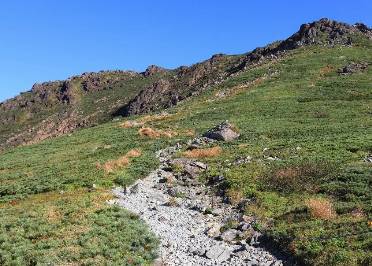
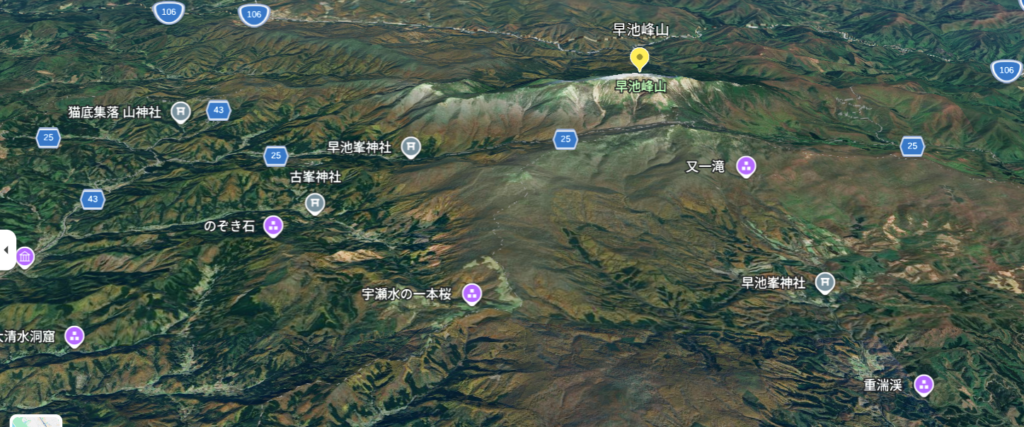
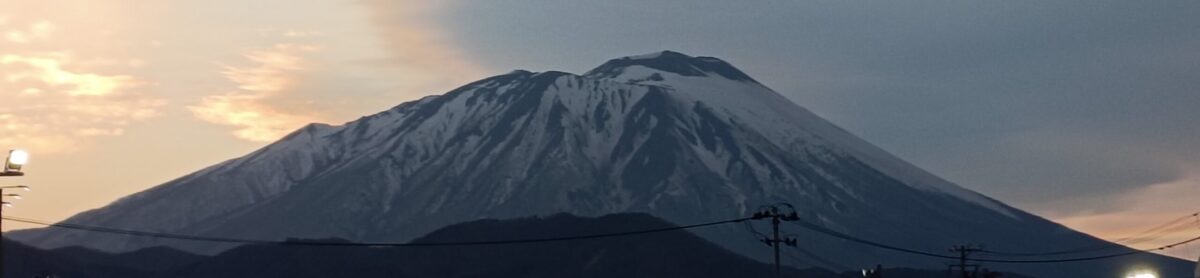
岩手県の中央に孤高の威容を誇る早池峰山(はやちねさん)。この標高1,914メートルの霊峰は、地質学的に見ても特異な山である。山肌を覆うのは、太古の海底マントルが隆起して生まれた超塩基性の蛇紋岩(じゃもんがん)。その特殊な土壌は植物の生育を厳しく拒絶するがゆえに、氷河期の生き残りとも言われるハヤチネウスユキソウなど、この山でしか見られない美しき固有種たちをひっそりと育んできた。銀緑色に鈍く光る荒々しい岩塊と、そこに咲く可憐な高山植物。この強烈なコントラストを前にしたとき、古の修験者(しゅげんじゃ)たちがこの地を神仏の座として崇めたのは必然であったと言えよう。そこに、紀伊半島から遥か遠く北上してきた熊野信仰が根を下ろし、密教、修験道、土着の山の神信仰が複雑に習合した独自の精神世界が形作られた。花巻市大迫(おおはさま)に今なお息づくユネスコ無形文化遺産「早池峰神楽」は、その深淵なる信仰の生きた化石である。
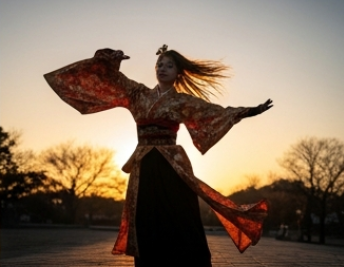
早池峰神楽には、「阿(あ)」の荒々しさを体現する岳(たけ)神楽と、「吽(うん)」の優美さを持つ大償(おおつぐない)神楽の二座が存在する。これは双璧をなす曼荼羅(まんだら)の如き関係であり、両者が揃うことで初めて世界の調和が保たれる。彼らが舞うのは、単なる祝祭の郷土芸能ではない。面(おもて)をつけるという行為は「神降ろし」そのものであり、演者は己の自我を殺し、人間界と異界を繋ぐ依り代(よりしろ)となる。秋の夜長、あるいは底冷えのする雪の晩、暗闇の中で燃え盛る篝火(かがりび)の爆ぜる音が響く。やがて、冷たい空気を切り裂くような甲高い笛の音と、腹の底を揺さぶる和太鼓の地鳴りが始まる。特筆すべきは、その独特な「五拍子」のリズムだ。人間の規則正しい心拍数をあえて狂わせるかのようなこの特異な拍子は、見る者の感覚を麻痺させ、徐々にトランス状態へと誘い込んでいく。権現様(ごんげんさま)と呼ばれる獅子頭が炎に照らされて牙を剥き、激しく大地を踏み鳴らすとき、我々はそこに大自然の圧倒的な暴力性と、それに対する根源的な「畏怖」を見るのだ。しかし、その恐ろしさの奥底には、厳しき自然からの恵みに感謝する東北の人々の、血の通った切実な祈りが脈打っている。
Flames of Prayer Aflame in the Abode of the Gods: Hayachine Kagura
Flames of Prayer Aflame in the Abode of the Gods: Hayachine Kagura
Towering with solitary majesty in the heart of Iwate Prefecture, Mount Hayachine is a sacred peak standing at an elevation of 1,914 meters. Geologically, it is a formidable anomaly. The mountain is covered in ultramafic serpentine rock, born from the upthrust of the primordial oceanic mantle. Because this harsh, alkaline soil fiercely rejects most plant life, it paradoxically acts as a sanctuary for exquisite endemic alpine flora, such as the Hayachine-usuyukisou (a rare species of edelweiss), often considered a surviving relic of the Ice Age. Faced with this striking contrast—the rugged, silvery-green boulders and the delicate flowers blooming among them—it is only natural that ancient ascetics of Shugendo (Japanese mountain asceticism) revered this place as the literal abode of the gods and buddhas. Upon these slopes, the Kumano faith, which had migrated thousands of kilometers north from the Kii Peninsula, took deep root. Here, esoteric Buddhism, ascetic practices, and indigenous mountain worship intricately synthesized into a unique spiritual cosmos. The “Hayachine Kagura,” a UNESCO Intangible Cultural Heritage preserved in Ohasama of Hanamaki City, remains a living fossil of this profound faith.
Hayachine Kagura comprises two distinct troupes: the Take Kagura, embodying the fierce, dynamic energy of “A” (the beginning), and the Otsugunai Kagura, exuding the elegant, fluid grace of “Un” (the end). Like twin pillars of a mandala, it is the synergy of both that maintains the harmony of the universe. What they perform is by no means mere festive folk entertainment. The act of donning the sacred mask is an enactment of kamioroshi (invoking the deity); the dancer obliterates their own ego to become a yorishiro (a vessel), bridging the human realm and the otherworldly. On a long autumn night or a bone-chilling snowy evening, the crackle of a roaring bonfire echoes in the darkness. Soon, the piercing, ethereal cry of a bamboo flute slices through the freezing air, accompanied by the visceral, earth-shattering rumble of taiko drums. What is truly extraordinary is its unique “five-beat” rhythm. As if designed to deliberately confound the regular rhythm of the human heartbeat, this irregular meter paralyses the senses, gradually drawing both performer and spectator into a hypnotic trance. When the Gongen-sama (the sacred lion head), fangs bared and illuminated by the flickering flames, violently stomps the earth, we witness the overwhelming violence of Great Nature and the primordial fear of it. Yet, beneath that terror pulses the heartfelt, earnest prayer of the people of Tohoku, deeply grateful for the blessings bestowed by this stern nature. It is the accumulated memory of life fostered amidst the mountain’s rugged existence, and an endless yearning for the breath of spring that inevitably follows the deeply snowbound winter. The dance serves as an ancient dialogue where humanity confronts nature and discovers its own place within it. The profound silence that follows the fervent performance is the quiet grace bestowed upon the earth, signaling the moment when the mandala woven by gods and humans, past and present, returns to harmony. Through this sacred dance, the land of Hayachine continues to solace the souls of those who live in its harsh climate, bestowing vitality for tomorrow. It is a living poem that, for all eternity, narrates the profound spirituality of Iwate.
■ WordPress設定データ
カテゴリー: 県央 Central Iwate
タグ: 早池峰神楽, 早池峰山, 修験道, ユネスコ無形文化遺産, 花巻
アクセスポイント(座標): 39.4682, 141.2514