蛇紋岩の刃が天を突く霊峰で、神と人が交歓する祈りの足拍子
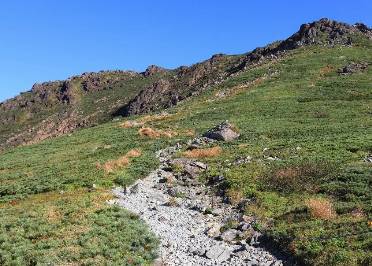
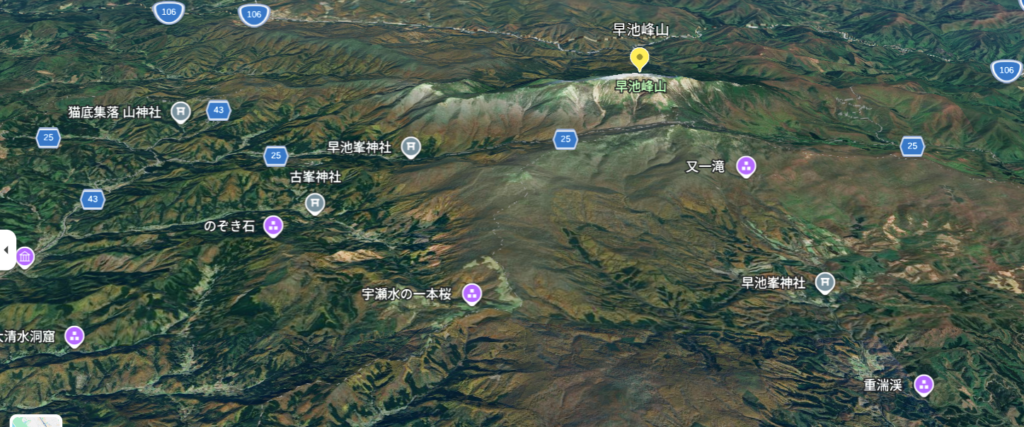
岩手県の中央部に忽然と聳える早池峰山。その山容を前にしたとき、人は理屈ではなく本能で「ここには人ならざるものが棲んでいる」と悟るはずだ。標高1,917メートル。しかし、数字以上の圧倒的な威圧感は、この山が抱える地質学的な特異性に起因している。早池峰山は、超塩基性の蛇紋岩(じゃもんがん)という特殊な岩石で構成されているのだ。暗緑色にぬめりと光り、風雨に削られて鋭い刃のように切り立った岩肌は、他の植物を容易に寄せ付けない。だが、その過酷さゆえに、エーデルワイスの近縁種であるハヤチネウスユキソウをはじめとする固有の高山植物が、この孤島のような山頂で独自の進化を遂げた。生命を阻む無慈悲な岩山が、同時に希少な生命の揺りかごでもあるという矛盾。この壮絶なる自然のパラドックスこそが、古より人々を畏怖させ、修験者たちを惹きつけてやまなかった。
平安の昔、深い山林を駆け抜け、己の肉体を極限まで追い詰めることで悟りを開こうとした山伏たちは、早池峰山の峻険な岩稜に仏の姿を見た。彼らはこの山を「胎蔵界」と「金剛界」が交わる曼荼羅そのものとみなし、命がけの峰入り修行を行ったのである。そして、その山伏たちが祈りの極致として麓の村々に伝えたのが、今なお脈々と受け継がれる「早池峰神楽」だ。
早池峰神楽の深淵を語るうえで欠かせないのは、早池峰神社のふもとに座す「岳(たけ)」と「大償(おおつぐない)」という二つの集落である。岳神楽が荒々しく力強い「阿(あ)」の舞であるのに対し、大償神楽はしなやかで優美な「吽(うん)」の舞とされる。互いに阿吽の対をなしながら、五百年以上の長きにわたり競い合い、補い合ってこの神事を受け継いできた。それはまさに、早池峰山の荒々しい岩肌と、そこに咲く一輪の可憐な高山植物の対比そのものである。
厳冬の夜、神楽殿に一歩足を踏み入れれば、そこは現世とは完全に切り離された異空間だ。板張りの床を力強く踏み鳴らす足拍子が、凍てつく空気を震わせる。腹の底に響く太鼓の音、甲高く天へと昇る笛の音、そして五拍子という特異で呪術的なリズム。舞手の顔を覆う権現様(獅子頭)がカッと顎を打ち鳴らすとき、それは単なる郷土芸能ではなく、山に棲む荒ぶる神が人間に憑依した瞬間であることを肌で感じるだろう。張り詰めた空気の中、舞手から立ち上る白い息は、魂の燃焼そのものである。早池峰の神楽は、見せるための舞台ではない。人と神が、厳しい自然の中で生き抜くための契約を更新し、ともに命の歓喜を分かち合う神聖なる「交歓」なのだ。舞が終わった後、ふと見上げる夜空には、蛇紋岩の霊峰を照らす星々が凍てつくように瞬いている。その静寂の中で、あなたは五百年の時を貫く岩手の深い精神性に、己の魂が静かに震えるのを知るだろう。
Where Serpentinite Blades Pierce the Heavens: The Sacred Footbeats of Human-Divine Communion
Mount Hayachine, rising abruptly in the heart of Iwate Prefecture, demands an instinctual reverence. Confronted by its imposing silhouette, one understands without logic that entities beyond the human realm reside here. Though its elevation is 1,917 meters, its overwhelming aura is rooted in a profound geological anomaly: the mountain is composed almost entirely of ultramafic serpentinite. This dark-green, slick-looking rock, weathered by the elements into sharp, blade-like crags, fiercely rejects ordinary vegetation. Yet, in this very hostility lies a sublime paradox. This isolated geological “island” has become a cradle for endemic alpine flora, such as the *Hayachine Usuyukiso* (a rare relative of the edelweiss), which evolved in splendid isolation. This extraordinary contradiction—a barren, life-repelling peak that simultaneously nurtures miraculous vitality—has inspired deep awe since antiquity, irresistibly drawing practitioners of Shugendo asceticism to its treacherous slopes.
During the Heian period, the *yamabushi* (mountain ascetics), who sought spiritual enlightenment by pushing their bodies to the absolute limit across unforgiving terrains, saw manifestations of the divine within Hayachine’s jagged ridges. Viewing the mountain as a living, breathing mandala where the Womb Realm and the Diamond Realm intersect, they engaged in perilous, death-defying ascetic disciplines. The ultimate expression of their prayers, passed down to the villages at the foot of the mountain, is the *Hayachine Kagura*—a sacred dance that continues to pulse with life today.
A Shamanic Resonance: The Moment Humans and Gods Unite
Stepping into the kagura hall on a frigid night is to enter an otherworldly space entirely severed from the mundane. The forceful thumping of feet against the wooden floorboards makes the freezing air tremble. The deep roar of the o-daiko drum resonating in your gut, the piercing flute climbing toward the heavens, and the singular, shamanic rhythm of the ko-byoshi—all combine into a potent sonic ritual.
When the Gongen-sama (the lion mask) covering the dancer’s face snaps its jaws shut with a sharp crack, you feel in your very skin that this is no mere folk performance, but the exact moment a fierce deity of the mountain possesses the human form. In the dimly lit air, the white puffs of breath rising from the dancers are the very combustion of their souls. Hayachine Kagura is not a stage for “showing”; it is a sacred “communion” where humans and gods renew their pact for survival in harsh nature and share the joy of existence.
As the dance concludes and you look up at the night sky, stars shimmer icily above the serpentinite peaks. In that silence, you will feel your own soul quietly tremble at the profound spirituality of Iwate that has pierced through five hundred years of time.