南部鉄器:千年の響きを今に伝える鉄の哲学 / Nanbu Tekki: The Philosophy of Iron Echoing Through a Millennium

Nanbu Tekki is more than ironware; it’s a millennium of history forged in fire. From ancient temple bells to modern kitchen essentials, discover the profound functional beauty of Iwate’s iron craftsmanship. A legacy that warms the heart and the table. #VisitIwate #Morioka

鋳物の源流:梵鐘が刻んだ時間

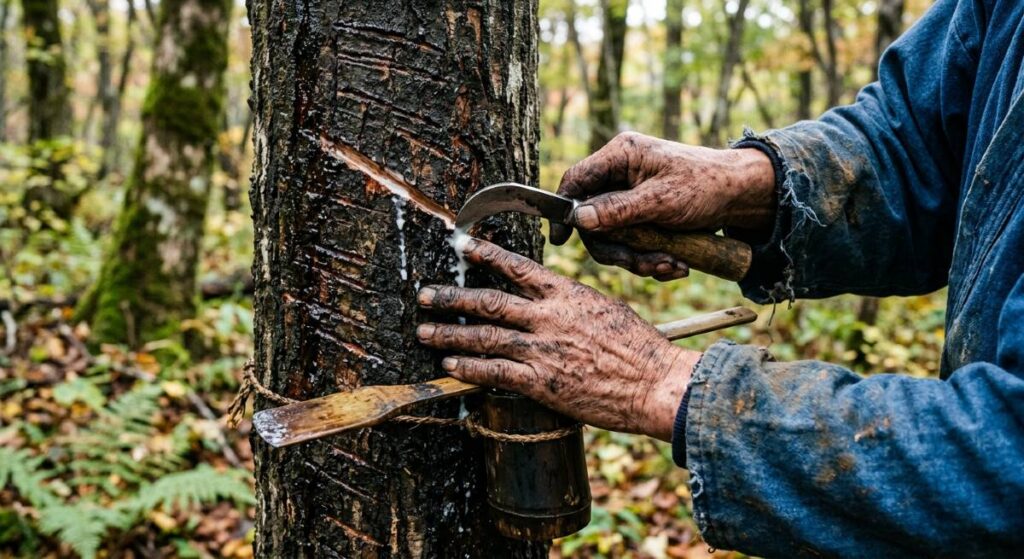
岩手県が誇る伝統工芸「南部鉄器」の歴史を紐解くと、そこには単なる調理器具の枠を超えた、鋳造技術の壮大な系譜が見えてきます。その源流は、平安時代に平泉を拠点として栄えた奥州藤原氏の時代にまで遡ります。当時、仏教文化の隆盛とともに寺院の梵鐘(ぼんしょう)を鋳造する技術がこの地に根付きました。巨大な鐘を均一な厚みで鋳上げ、荘厳な響きを数キロ先まで届けるための精密な鋳造技術。この「熱を操り、鉄を意のままにする」という高度な知性が、のちに南部藩の庇護のもとで茶の湯釜へと昇華し、さらには現代の南部鉄器へと受け継がれていったのです。

The Origins of Casting: Time Carved by Temple Bells

When we unravel the history of Nanbu Tekki, the traditional craft of Iwate, we discover a magnificent lineage of casting technology that transcends the boundaries of mere cookware. Its roots trace back to the Heian period, flourishing under the Oshu Fujiwara clan in Hiraizumi. With the rise of Buddhist culture, the expertise required to cast temple bells (bonsho) took deep root in this region. The precision required to cast massive bells with uniform thickness to ensure a sonorous echo carrying for kilometers—this intellectual mastery of manipulating heat and iron—was later sublimated into tea ceremony kettles under the patronage of the Nanbu clan, eventually evolving into the modern Nanbu Tekki we know today.

鉄の哲学:機能美としての「霰(あられ)」

南部鉄器の代名詞とも言える「霰(あられ)」文様。これは単なる装飾ではありません。鉄器の表面に施された無数の突起は、表面積を増やすことで熱伝導率を高め、保温性を向上させるという、極めて合理的な機能美の結晶です。かつて茶の湯釜として、炭火の熱を効率よく湯に伝えるために磨き上げられたこの技術は、現代においてもIH調理器や直火での調理において、食材に熱を均一に伝えるという重要な役割を果たしています。千年前の鋳物師たちが目指した「熱の調律」は、現代のライフスタイルにおいても、変わらぬ機能として生き続けているのです。

The Philosophy of Iron: The Functional Beauty of “Arare”

The “Arare” (hailstone) pattern, synonymous with Nanbu Tekki, is far from mere decoration. These countless protrusions on the surface increase the surface area, enhancing thermal conductivity and heat retention—a crystallization of highly rational functional beauty. Once honed for tea kettles to efficiently transfer the heat of charcoal fire to the water, this technique continues to play a vital role today, ensuring even heat distribution for modern induction and open-flame cooking. The “tuning of heat” that casting masters sought a millennium ago continues to thrive as an enduring function in today’s lifestyle.

進化の継続:伝統と現代の対話

現在、盛岡と水沢の工房では、古来の砂型鋳造法を守りながらも、国内外のデザイナーとのコラボレーションにより、新たな地平を切り拓いています。鉄という素材は、使い込むほどに表面の酸化皮膜が育ち、持ち主の生活に馴染んでいきます。それは、消費される道具ではなく、世代を超えて受け継がれる「共に生きる道具」です。寺院の鐘として時を告げた鉄は、今、食卓という日常の中で、温かな湯気と共に、私たちの暮らしに静かな豊かさを与え続けています。

長い歴史の中で地層のように「堆積」してきた職人の手の記憶は、目まぐるしい時代の波という容赦ない「侵食」に晒されながらも、決して削り取られることのない堅牢な核を残しました。赤々と燃える炉の熱と、冷たく澄んだ岩手の空気が交差する中で生み出される漆黒の肌には、まるでイーハトーブの深い夜空が閉じ込められているかのようです。南部鉄器から立ち上る白い湯気越しに、松風のように鳴る静かな湯音に耳を澄ませば、私たちは過去から未来へと絶え間なく流れる永遠の時間を、その温かな手のひらの中に確かに感じ取ることができるのです。

■ English Version

The Continuity of Evolution: A Dialogue Between Tradition and Modernity

Today, workshops in Morioka and Mizusawa are pushing into new frontiers through collaborations with domestic and international designers, all while preserving the ancient sand-casting methods. Iron is a material that grows more refined as the surface oxidation layer develops with use, becoming accustomed to the owner’s life. It is not a disposable tool, but a “companion tool” passed down through generations. The iron that once marked time as a temple bell now bestows a quiet richness upon our daily lives, rising with the steam at our dinner tables.

The memories of the artisans’ hands, accumulated and deposited over a long history, have weathered the relentless erosion of changing times, leaving behind an unyielding core. Born from the intersection of the glowing heat of the furnace and the cold, clear air of Iwate, the deep black surface of the ironware seems to encapsulate the profound night sky of Ihatov. As we listen to the gentle, pine-wind-like sound of boiling water through the rising white steam, we can truly feel the eternal flow of time—connecting past and future—resting warmly in the palms of our hands.


■ WordPress設定データ

カテゴリー: 県央 Central Iwate
タグ: 南部鉄器, 伝統工芸, 盛岡, 水沢, イーハトーブ
アクセスポイント(座標): 39.7021, 141.1526

北上の古民家から滝沢の鈴の音へ:岩手の歴史を刻む「馬」との共生 / From Kitakami’s Folk Houses to the Bells of Takizawa: The Symbiosis of Horse and History in Iwate

岩手の風土が物語る、人と馬の絆

岩手県北上市、北上川のほとりに佇む「みちのく民俗村」。ここに移築された茅葺き屋根の古民家群を歩くと、かつてこの地で人間と馬が「一つの屋根の下」で分かち合っていた深い絆の気配に触れることができる。それは単なる住居の展示ではなく、岩手の厳しい風土が育んだ、命の共生という物語の断片である。

The Bonds of Man and Horse in the Iwate Landscape

Standing along the Kitakami River in Kitakami City, Iwate, the “Michinoku Folklore Village” offers more than just a collection of relocated, thatched-roof houses. Walking through these structures, one can feel the lingering spirit of an era when humans and horses shared the same roof. It is not merely an architectural exhibit; it is a fragment of the narrative of symbiosis that defined life in the harsh Iwate landscape.

南部曲り家:熱源としてのパートナー

注目すべきは、「南部曲り家(なんぶまがりや)」という建築構造である。L字型に折れ曲がったこの建物は、居住空間と厩(うまや)が直結している。厳しい冬の寒さの中、馬は家族同様に慈しまれ、その体温は家全体を温める熱源でもあった。この密接な距離感こそが、岩手の農耕文化の根幹を成していた。馬は単なる使役動物ではなく、生活を共に支える「家族」そのものだったのである。

The Nanbu Magariya: A Partner as a Source of Warmth

The focus here is the “Nanbu Magariya,” an L-shaped architectural marvel where living quarters were directly connected to the stable. During the brutal winters, horses were cherished like family members, and their body heat served as a vital source of warmth for the entire household. This intimate proximity formed the very foundation of Iwate’s agricultural culture. The horse was not merely a beast of burden, but a “family member” who supported their daily existence.

蒼前信仰とチャグチャグ馬コ:鈴の音が繋ぐ記憶

この馬への深い敬意は、農耕の記憶から「神の使い」という信仰へと昇華される。滝沢市に伝わる「蒼前(そうぜん)信仰」は、馬の健康と安全を守る神への祈りである。かつて農作業のパートナーであった馬たちは、歴史の彼方へ消えゆく存在ではない。毎年6月に響く「チャグチャグ馬コ」の鈴の音は、その記憶を現在に繋ぎ止めるための儀式なのだ。色鮮やかな装束を纏い、滝沢から盛岡までを行進する馬たちの姿は、この地に根付いた感謝の念を体現している。

Sosen Faith and Chagu Chagu Umako: Bells Linking Memories

This deep reverence for the horse transcended practical labor, elevating the animal to the status of a “divine messenger.” The “Sosen Faith” preserved in Takizawa City is a prayer to the deities who protect the health and safety of horses. The horses that were once partners in labor are not fading into the abyss of history. The sound of the bells during the “Chagu Chagu Umako” festival, held every June, is a ritual that anchors that memory firmly in the present. The sight of these horses, adorned in colorful traditional costumes and parading from Takizawa to Morioka, embodies the gratitude deeply rooted in this land.

歴史のパズルを解く旅

みちのく民俗村で見た静かな厩の記憶と、チャグチャグ馬コの動的な鈴の音は、岩手の歴史という巨大なパズルのピースとして互いに共鳴している。歴史を紐解くことは、過去を回顧することではない。岩手の馬文化に触れることは、人間が自然や動物といかにして共に生きるかという、現代にも通じる普遍的な問いへの答えを探す旅なのである。

A Journey to Solve the Puzzle of History

The silent memory of the stables seen in the Michinoku Folklore Village and the dynamic, rhythmic ringing of the Chagu Chagu Umako bells resonate together as essential pieces of the vast, intricate puzzle of Iwate’s history. Unraveling history is not merely about looking back. Engaging with the horse culture of Iwate is a journey to find answers to universal questions that remain relevant today: how can humanity live in harmony with nature and animals?

📍 アクセス / Access

JR盛岡駅から岩手県交通バス「滝沢駅前」行きまたは「巣子」行きで「蒼前神社前」下車。車の場合は東北自動車道盛岡ICから約10分。 / From JR Morioka Station, take Iwate Kotsu bus bound for “Takizawa Station” or “Sugo” and get off at

遠野の伝承と龍泉洞の深淵:岩手が織りなす異界と地球の記憶 / Tales of Tono and the Abyss of Ryusendo: Iwate’s Tapestry of Folklore and Earth’s Memory

遠野の情景:カッパ伝説が語る人と自然の境界線

岩手県遠野市を訪れると、そこには近代化の喧騒を忘れさせる静寂が広がっています。この地を象徴する「カッパ淵」は、柳田國男の『遠野物語』の舞台として知られ、かつて日本人が抱いていた自然への畏敬と、異界に対する想像力を今に伝える聖域です。カッパという存在は、単なる民話のキャラクターではありません。それは、制御不能な自然の力や、川の深淵に潜む未知の脅威を擬人化したものであり、古の人々が水辺という境界線に対してどれほど謙虚であったかを物語っています。清らかな小川のせせらぎを聞きながら木陰を歩けば、現代の私たちは忘れていた「自然との対話」を再発見することでしょう。遠野は、民俗学的な知的好奇心を刺激するだけでなく、目に見えないものに心を寄せるという、日本人の精神性の原風景を今なお色濃く残しているのです。

The Scenery of Tono: The Boundary Between Humanity and Nature in Kappa Folklore

Visiting Tono City in Iwate Prefecture reveals a tranquility that makes one forget the hustle and bustle of modernization. The “Kappa-buchi” (Kappa Pool), symbolic of this region, is famous as the setting for Kunio Yanagita’s “The Legends of Tono.” It serves as a sanctuary that conveys the reverence for nature and the imagination for the supernatural that the Japanese people once held. The creature known as the “Kappa” is not merely a character from fairy tales; it is a personification of uncontrollable natural forces and the unknown threats lurking in the depths of rivers. It tells us just how humble our ancestors were toward the boundary of the waterfront. As we walk through the shade, listening to the murmurs of the crystal-clear stream, we rediscover the “dialogue with nature” that we modern people have long forgotten. Tono not only stimulates folkloric curiosity but also retains the original landscape of the Japanese spirit—the practice of keeping one’s heart open to the unseen.

龍泉洞の神秘:数億年の時を湛える「ドラゴンブルー」の深淵

遠野の地上の物語から一転、岩泉町の龍泉洞へと足を踏み入れると、そこには地球の深層が作り上げた圧倒的な静寂が待っています。日本三大鍾乳洞の一つであるこの洞窟は、数億年という途方もない時間をかけて、地下水脈が石灰岩を浸食し、芸術的な造形を創り上げてきました。特に、地底湖の湖水が放つ「ドラゴンブルー」と呼ばれる透明度の高い青色は、見る者の魂を揺さぶるほどの美しさを湛えています。この水は、太古から続く岩盤の隙間をくぐり抜け、清冽な冷たさを保ったまま、地球の呼吸そのものとして存在し続けているのです。暗闇の中で輝くその青は、人類の歴史など一瞬に過ぎないことを教えるかのように、悠久の時の流れを静かに物語っています。龍泉洞は、単なる観光地ではなく、地球という惑星が持つ「水の循環」と「時間の重なり」を体感できる、科学と神秘が交差する哲学的な空間なのです。

水という柔らかき刃による「侵食」が穿つ虚空と、微かな水滴が数万年の歳月をかけて石の柱を育む「堆積」の結実。これら相反する二つの力が、暗黒の地底で永遠のせめぎ合いを演じています。削り取られる喪失と、降り積もる生成。その果てしない対話の結晶こそが、眼前に広がる圧倒的な造形美に他なりません。ドラゴンブルーの深淵を覗き込むとき、私たちは透き通る冷気の中に岩手の大地が刻む静かな鼓動を聴くでしょう。無数の水滴が奏でる地底の調べは、終わりのない星の営みを讃え続けています。やがて洞窟を抜け、再び地上の眩い光と森の風を浴びたとき、私たちは日常という瞬きの中で、自らもまたこの壮大な宇宙の理(ことわり)の一部であることを深く悟るのです。

■ English Version

Turning from the terrestrial tales of Tono and stepping into Ryusendo Cave in Iwaizumi Town, one is met with an overwhelming silence crafted by the depths of the Earth. As one of Japan’s three great limestone caves, it has been sculpted over hundreds of millions of years, as underground water channels eroded the rock to create artistic formations. In particular, the deep, high-transparency blue of the subterranean lakes, known as “Dragon Blue,” possesses a beauty that stirs the soul of the beholder. This water, having passed through the crevices of ancient bedrock, retains its crystal-cold purity and continues to exist as the very breath of the Earth. That blue, shining in the darkness, quietly tells the story of the flow of eternal time, as if teaching us that human history is but a fleeting moment. Ryusendo is not merely a tourist destination; it is a philosophical space where science and mystery intersect, allowing visitors to experience the “circulation of water” and the overlapping of time inherent to our planet.

Here, the “erosion” hollowed out by the soft blade of water and the “accumulation” of calcium from single droplets nurturing stone pillars over tens of thousands of years engage in an eternal struggle within the subterranean abyss. The loss through carving and the genesis through settling—the crystallization of this endless dialogue is nothing other than the overwhelming architectural beauty spread before our eyes. Peering into the profound depths of Dragon Blue, we hear the quiet pulsation of the Iwate earth amidst the crystalline chill. The subterranean melody, played by countless water droplets, continues to praise the endless deeds of the planet. Eventually, emerging from the cave and once again bathing in the dazzling terrestrial light and the wind of the forest, we deeply realize within the fleeting moment of daily life that we, too, are a part of this magnificent cosmic providence.


■ WordPress設定データ

カテゴリー: 沿岸 Coastal Iwate
タグ: 龍泉洞, ドラゴンブルー, 堆積と侵食, 地底湖, 岩泉町
アクセスポイント(座標): 39.8596, 141.7978

渋民村と啄木:岩手が育んだ望郷の魂 / Shibutami Village and Takuboku: The Soul of Nostalgia Nurtured by Iwate

渋民村の原風景:啄木の魂を育んだ岩手の土壌

岩手という土地は、柳田國男が『遠野物語』で描き出した神秘的な「異界」の香りが色濃く残る場所である。しかし、この地が育んだもう一つの文学的系譜がある。それが、天才歌人・石川啄木である。盛岡市渋民村。この地で少年時代を過ごした啄木にとって、北上川のせせらぎと姫神山の峻厳な姿は、単なる故郷の風景ではなく、自己のアイデンティティを形作る根源的な存在であった。啄木は幼少期、この地で厳しい自然と生活の機微に触れながら、鋭い感受性を磨き上げた。遠野の民話が日本人の集合的無意識に潜む「怪異」や「物語」を紡ぎ出したのに対し、啄木は、岩手の厳しい現実に根ざした「個の苦悩」を、自身の短歌へと昇華させた。渋民の風土は、彼が東京という近代化の奔流の中で挫折を繰り返すたびに、魂が帰るべき「心の聖域」として機能していたのである。彼にとって故郷とは、単なる物理的な空間ではなく、常に背後にあり続ける「精神の揺りかご」であった。

The Scenery of Shibutami: The Soil that Nurtured Takuboku’s Soul

Iwate is a land where the scent of the mysterious “otherworld,” as depicted in Kunio Yanagita’s *Tono Monogatari* (Tales of Tono), lingers. Yet, there is another literary lineage nurtured by this land: that of the genius poet Takuboku Ishikawa. In Shibutami Village, Morioka City, where Takuboku spent his youth, the murmuring of the Kitakami River and the austere silhouette of Mount Himekami were not merely scenery, but fundamental elements that shaped his identity. During his childhood, Takuboku honed his sharp sensibilities while touching upon the harsh realities of life in this environment. While the folklore of Tono wove tales of “mysteries” lurking in the collective unconscious of the Japanese people, Takuboku sublimated the “individual suffering” rooted in the harsh reality of Iwate into his own tanka poetry. The landscape of Shibutami functioned as a “sanctuary of the heart” to which his soul would return whenever he faced setbacks in the rushing currents of modernization in Tokyo. For him, his hometown was not just a physical space, but a “cradle of the spirit” that always existed behind him.

望郷の念が昇華させた近代文学の深淵

啄木の代表作『一握の砂』に収められた「ふるさとの山に向ひて言ふことなし ふるさとの山はありがたきかな」。この一節には、都会の喧騒と経済的困窮の中で彼が抱いた、痛切な望郷の念が凝縮されている。啄木にとって故郷・岩手は、自身の無力さや矛盾をすべて静かに受け入れてくれる、絶対的な母のような存在であった。彼は東京で近代社会の冷徹な波に揉まれ、社会的な成功を夢見ては破れ、そのたびに岩手の山河を想った。この「遠く離れているからこそ美化され、かつ切実に求められる」という感情こそが、彼の詩歌に普遍的な文学的価値を与えたのである。遠野の神秘的な物語群が岩手の精神的な深層を支える柱であるならば、啄木の望郷の詩歌は、近代日本人が抱える「個の孤独」を癒やす文学的な救済となった。岩手の風土は、こうして民話の幻想的な世界から、啄木の人間味あふれる近代文学へと、時を超えて美しく昇華されていったのである。

都会という名の荒野で冷徹な風に「侵食」され、身も心も削り取られていった啄木。しかし、彼が擦り切れていくほどに、心の奥底には岩手の不動の山容が、決して消えることのない原風景として分厚く「堆積」していったのだ。悠然とそびえる岩手山や、渋民の村を抱く空は、今もなお、時代という激しい風雨に削られ傷ついた現代人の魂を優しく包み込む。啄木が涙とともに仰ぎ見たあのふるさとの山々は、今を生きる私たちの「孤独という侵食」をも静かに埋め合わせ、明日への新たな祈りとなって深く積もり続けている。

■ English Version

The Abyss of Modern Literature Sublimated by Nostalgia

In his masterpiece Ichiaku no Suna (A Handful of Sand), Takuboku wrote: “Facing the mountains of my hometown, I have no words; how grateful I am for the mountains of my hometown.” This verse encapsulates the poignant nostalgia he felt amidst the hustle and bustle of the city and his economic distress. For Takuboku, his hometown of Iwate was like an absolute mother, silently accepting all his helplessness and contradictions. In Tokyo, battered by the cold waves of modern society and seeing his dreams of success repeatedly shattered, he constantly thought of the mountains and rivers of Iwate. This sentiment—that the distance makes the homeland both idealized and desperately longed for—gave his poetry universal literary value. If the mysterious tales of Tono are the pillars supporting the deep psyche of Iwate, Takuboku’s poems of nostalgia became a literary salvation, healing the “solitude of the individual” that began to plague modern Japanese society. Through his words, the landscape of Iwate was beautifully sublimated across time—evolving from the fantastical world of folklore into a raw, deeply human modern literature that continues to resonate with the hearts of many today.

In the barren wasteland of the metropolis, Takuboku was ruthlessly “eroded” by the cold winds of modernity, his mind and body scraped away day by day. Yet, the more he was worn down, the more thickly the unshakeable silhouettes of Iwate’s mountains were “deposited” deep within his soul as an indelible primal landscape. The majestic peak of Mount Iwate and the sky embracing the village of Shibutami remain unchanged today, gently enveloping the souls of modern people battered by the fierce storms of our times. Those hometown mountains, which Takuboku once looked up to with tears, continue to quietly fill the “erosion of our solitude,” accumulating deeply as a silent prayer for tomorrow.


■ WordPress設定データ

カテゴリー: 【県央 Central Iwate】
タグ: 石川啄木, 望郷, 一握の砂, 岩手山, 詩的リアリズム
アクセスポイント(座標): 39.8415, 141.1517 (※盛岡市渋民・石川啄木記念館付近)

海から里へ。岩手の心を繋ぐ「チャグチャグ馬コ」 / From the Coast to the Village: Iwate’s Chagu Chagu Umako

初夏に響く感謝の鈴音

三陸の空を舞うウミネコに見送られ、内陸の滝沢市へ。初夏の風物詩「チャグチャグ馬コ」は、農耕馬に感謝を捧げる伝統行事です。色鮮やかな装束を纏った100頭以上の馬が、鈴の音を響かせながら農村から盛岡市へと行進します。人と馬が家族のように暮らしてきた歴史と、素朴で温かい岩手の原風景がここにあります。「日本の音風景100選」にも選ばれた癒やしの音色を、ぜひ体感してください。

Ringing Bells of Gratitude

Leave the coastal seagulls of Sanriku behind and head inland to Takizawa City for the legendary “Chagu Chagu Umako” festival—a vibrant early summer tradition dedicated to expressing profound gratitude to the farm horses that have long been the backbone of Iwate’s agriculture. This spectacular parade features over 100 horses adorned in brilliant, colorful regalia, processing from the rural shrines of Takizawa toward the center of Morioka City. As they walk, the rhythmic, clear jingling of their bells—a sound so iconic it was designated as one of the “100 Soundscapes of Japan”—fills the air with a sense of healing and tranquility. This event is a living testament to a unique cultural heritage where humans and horses have coexisted as family for centuries, capturing the rustic, warm, and resilient essence of the Iwate landscape.

岩手を彩る伝統の色:藍色から紫根・茜染へ / Traditional Colors of Iwate: From Indigo to Purple and Madder

海と城下町を繋ぐ、受け継がれる日本の色彩美

荒波に潜る海女の身を包む、かすり半纏の深い「藍色」。そこから内陸へ向かうと、盛岡の城下町には南部藩の庇護を受けた「紫根染・茜染」の優美な色彩が息づいています。海と共に生きる力強い青と、職人が草木から引き出す高貴な紫と赤。大自然と歴史が織りなす岩手ならではの色鮮やかな伝統は、今も色褪せることなく人々の心を魅了し続けています。

Connecting the Sea and the Castle Town

The deep indigo of the kasuri coats worn by ama divers reflects the powerful ocean. Inland, the elegant purple and red of Shikon and Akane dyeing thrive in Morioka’s castle town. Woven by nature and history, these beautiful traditional colors of Iwate continue to captivate our hearts today.

📍 アクセス / Access

盛岡駅からバスで約10分「中ノ橋通」下車すぐ / 10 mins by bus from Morioka Sta., get off at Nakanohashi-dori

泥岩の星屑と四次元の切符:花巻で読み解く宮沢賢治の宇宙 / Stardust in Mudstone and a Ticket to the Fourth Dimension: Deciphering Kenji Miyazawa’s Cosmos in Hanamaki

大地と銀河が交差するイーハトーブの夜

宵闇が迫る花巻。遠くを走る釜石線の車輪の響きが、夜露に濡れた冷涼な空気を震わせる時、私たちはふと、夜空に架かる目に見えないレールを幻視してしまう。ここ岩手県花巻市は、孤高の詩人であり童話作家、そして農学校の教師であった宮沢賢治が、その短い生涯を燃やし尽くした心象世界「イーハトーブ(理想郷)」の心臓部である。

彼の代表作『銀河鉄道の夜』の壮大な宇宙観は、彼が天上ばかりを見上げていたから生まれたのではない。驚くべきことに、その宇宙は彼が踏みしめた足元の「泥」から始まっている。賢治は「石っこ賢さん」とあだ名されるほど熱心な地質学者でもあった。北上川の岸辺に露出する第三紀の凝灰質の泥岩層——彼が「イギリス海岸」と名付けた白亜の岸辺で、賢治は古代のバタグルミの化石や偶蹄類の足跡を夢中になって掘り起こした。暗く冷たい地層という途方もない時間を遡る行為は、彼にとって空間の広がり、すなわち四次元の宇宙を見つめることと同義であったのだ。地球の骨格に直接触れようとする地質学の眼差しが、夜空の星座(さそり座の赤い星や白鳥の停車場)を単なる神話の羅列ではなく、生々しい質量を持った「鉱石のまたたき」へと昇華させたのである。

さらに、あの美しくも哀切な銀河の旅を奥底で駆動させているのは、深き喪失の記憶と、厳しい風土への鎮魂である。大正11年、『あめゆじゅとてちてけんじゃ(雨雪をとってきてください)』という哀切な祈りを残し、最愛の妹トシが24歳で結核によりこの世を去った。賢治がトシの魂の行方を暗闇の中に追い求め、深い悲哀の底で法華経の自己犠牲の精神と向き合った凄絶な格闘こそが、ジョバンニとカンパネルラの切ない旅路を形作っている。同時に、当時の岩手は度重なる冷害に見舞われ、農民たちは飢えと貧困に喘いでいた。賢治が身を粉にして「羅須地人協会」を設立し、土に塗れて肥料設計に奔走したのは、宇宙的スケールの理想を、泥まみれで理不尽な現実世界に接ぎ木しようとする痛ましいまでの試みであった。

花巻の冷たい夜風に吹かれながら星を見上げるとき、あなたは気づくはずだ。賢治の描いた銀河は、決して遠い空の上の甘美なファンタジーではない。それは、厳しい自然と向き合う東北の風土、愛する者の死という逃れられない人間の宿命、そして足元の地層に眠る悠久の時が混然一体となって発光する、命の明滅そのものである。「ほんとうの幸いとは何か」——花巻の地を踏む者は皆、胸の内にあの『どこまでも行ける切符』を密かに握りしめ、終わりのない問いへと乗車することになるのだ。

The Night in Ihatov Where the Earth and the Galaxy Intersect

As dusk descends upon Hanamaki, the rhythmic clatter of wheels from the distant Kamaishi Line vibrates through the dew-kissed, crisp air, almost compelling one to hallucinate an invisible railway tracing its way across the night sky. Hanamaki, a quiet city in Iwate Prefecture, is the very heartbeat of “Ihatov”—the visionary mental utopia conceived by Kenji Miyazawa, a solitary poet, fairy-tale author, and agricultural teacher who burned brightly through his brief, incandescent life in this land.

The majestic cosmic view depicted in his magnum opus, *Night on the Galactic Railroad*, was not born merely from gazing up at the heavens. Surprisingly, his cosmos begins in the very “mud” beneath his feet. Miyazawa was a devoted geologist, affectionately known as “Ken the Pebble Child.” At the “English Coast,” a name he gave to the white banks of tertiary tuffaceous mudstone exposed along the Kitakami River, he passionately excavated ancient walnut fossils and footprints of prehistoric ungulates. For him, the act of tracing the unimaginable epochs hidden within the dark, cold geological strata was synonymous with gazing into the infinite expanse of space—the fourth-dimensional universe. His geological eye, which sought to touch the bare skeleton of the earth, elevated the constellations—the red eye of Scorpius, the Northern Cross—from mere mythological symbols into palpable, glowing “minerals” with raw, physical mass.

Furthermore, the profound force driving that beautiful yet sorrowful galactic journey is the memory of deep loss and a requiem for a harsh natural environment. In 1922, leaving behind the heart-rending prayer “ame yuju tote chite kenja” (bring me some rain-snow) recorded in his poem *Morning of Last Farewell*, his beloved younger sister, Toshi, succumbed to tuberculosis at the age of 24. Miyazawa’s desperate quest to trace the whereabouts of her soul in the darkness, intertwined with his fierce spiritual struggle to embody the altruistic, self-sacrificing teachings of the Lotus Sutra amidst his grief, forged the heartbreaking odyssey of Giovanni and Campanella. We must also remember the harsh historical context of Iwate at the time; repeated cold-weather damage (reigai) left local farmers suffering from starvation and severe poverty. Miyazawa’s establishment of the Rasuchijin Society, where he covered himself in soil to analyze fertilizers and aid the farmers, was a painstakingly earnest attempt to graft a cosmos-scaled ideal onto a mud-spattered, unforgiving reality.

When you stand in Hanamaki, looking up at the stars while embraced by the cool night wind, a realization will dawn upon you. The galaxy Miyazawa depicted is not some remote, sweet fantasy in the sky. It is the very luminescence of life itself—a seamless amalgamation of the austere Tohoku climate, the inescapable human fate of mortal loss, and the eternal time slumbering in the bedrock beneath. “What is true happiness?”—Anyone who sets foot on the soil of Hanamaki finds themselves secretly clutching that “ticket that can take you anywhere,” setting sail on a voyage toward an endless, wordless inquiry: “What is true happiness?” The galaxy Kenji depicted is not a mere sweet fantasy in the distant sky; it is the crystalline luminescence of a soul that confronted the harshness of nature and the sorrow of loss. In the silence of the Hanamaki night, where the mudstone beneath your feet and the stars above your head become one, you will surely feel the warmth of that eternal ticket glowing within your own heart.

奥州の雪闇を照らす千年の炎 —— 南部鉄器の錬金術 / The Millennium Flame Illuminating the Snows of Ōshū: The Alchemy of Nambu Ironware

黒き肌に宿る大地の記憶 —— 炎と砂が産み落とす孤独なる洗練

凍てつくような盛岡の冬の朝。北上川から立ち昇る気嵐(けあらし)の向こうに、微かに鉄の匂いを孕んだ煙がたなびいている。重厚な土壁に囲まれた工房の重い扉を開ければ、そこは黒と赤が支配する深淵なる別世界だ。「甑(こしき)」と呼ばれる溶解炉の中で、千五百度を超える炎が轟音を立てて咆哮し、どろりとした黄金色の液状の鉄が、凄まじい火花を散らしながら坩堝へと注がれていく。この荒々しい原初のエネルギーが、やがてあの静謐で漆黒の肌を持つ「南部鉄器」へと生まれ変わるという事実は、何度立ち会っても一つの錬金術を見ているかのような畏怖の念を抱かせる。
南部鉄器の歴史を紐解く時、人はよく江戸時代初期、盛岡藩主・南部信直が京都から釜師・初代小泉仁左衛門を招いたことを起源とする。しかし、この地に根付いた「鉄の記憶」は、決してその四百年ばかりに留まるものではない。寄り道を許されるならば、視線を北上山地という日本最古級の地層へと向けてみたい。古生代の海が隆起して生まれたこの古い山々は、豊かな砂鉄と、極上の木炭となる楢や椚(くぬぎ)の森、そして良質な鋳物砂や粘土という、鋳造に不可欠なすべてを密かに育んできた。平安の昔、ヤマト王権を震撼させた蝦夷の英雄・アテルイの剣や、平泉に黄金の理想郷を築き上げた奥州藤原氏の武力を支えたのも、この大地がもたらす鉄であった。盛岡の職人たちが日々向き合っている炎は、一千年の長きにわたり奥州の雪闇を照らし続けてきた、誇り高き蝦夷たちの命の残り火なのだ。
興味深いのは、辺境の武骨な武将たちが、なぜこれほどまでに洗練された「茶の湯の釜」を求めたかである。雪に閉ざされる長く厳しい冬にあって、彼らは凍てつく外界から切り離された茶室という仄暗い小宇宙に、強烈な美と精神の自由を見出したのではないだろうか。職人たちは、無数の点で構成される「あられ(霰)模様」を、砂で作られた鋳型の内側に一つ一つ、気の遠くなるような手作業で押していく。これは単なる装飾ではなく、表面積を増やして熱効率を高めるという極めて理に適った造形でありながら、同時に、奥州に降りしきる無音の雪そのものを鉄の肌に刻み込んでいるようにも思える。
溶けた鉄が型に注がれる刹那、職人は一切の言葉を発しない。ただ、土と炎と鉄の機嫌を五感のすべてで読み取るのみだ。完成した鉄瓶に湯を沸かし、チンチンという「松風(まつかぜ)」の音に耳を傾けてみてほしい。その黒く硬質な肌の奥には、悠久の地層が孕む大地の記憶と、奥州の鋳物師たちが千年の炎の果てに行き着いた、冷徹なまでの美意識が息づいている。それは、使う者の掌の中で静かに呼吸を続ける、生きた芸術なのである。

The Memory of the Earth Dwelling in Black Iron: The Solitary Refinement Forged by Fire and Sand

On a freezing winter morning in Morioka, beyond the sea smoke rising from the Kitakami River, a wisp of smoke carrying the faint scent of iron drifts through the frosty air. Opening the heavy wooden door of an earthen-walled workshop reveals a profound, otherworldly realm dominated by black and red. Inside a melting furnace known as a “koshiki,” flames exceeding 1,500 degrees Celsius roar with primordial ferocity, while molten iron—a sluggish, golden liquid—is poured into crucibles in a magnificent shower of sparks. The realization that this violent, raw energy will eventually be reborn as the tranquil, pitch-black “Nambu Tekki” (Nambu ironware) never fails to evoke the awe of witnessing true alchemy.
When speaking of the origins of Nambu ironware, historians often point to the early Edo period (17th century), when the lord of the Morioka Domain, Nambu Nobunao, invited the master kettle-maker Koizumi Nizaemon from Kyoto. However, the “memory of iron” rooted in this land extends far beyond a mere four centuries. If I may digress, let us cast our gaze toward the Kitakami Mountains, a geological formation harboring some of Japan’s oldest strata. Born from the uplifting of Paleozoic seas, these ancient mountains secretly nurtured the perfect trinity for metallurgy: abundant iron sand, deep forests of oak and sawtooth oak yielding superlative charcoal, and high-quality casting sand and clay. In the Heian period, it was the iron yielded by this very earth that forged the swords of Aterui, the heroic chieftain of the Emishi people who shook the Yamato court, and later sustained the military might of the Ōshū Fujiwara clan, architects of a golden utopia in Hiraizumi. The flames that Morioka’s artisans tend to daily are, in essence, the lingering embers of a proud, thousand-year fire that has continuously illuminated the snowy darkness of Ōshū.
It is profoundly intriguing why rugged warlords of the northern frontier sought such highly refined tea ceremony kettles. Perhaps, during the long, unforgiving winters buried in snow, they discovered a fierce beauty and spiritual freedom in the dimly lit microcosm of a tea room—a sanctuary entirely severed from the frozen world outside. Within the darkened workshops, artisans engage in the mind-boggling manual labor of stamping the “arare” (hailstone) pattern, consisting of thousands of tiny raised dots, one by one into the interior of the sand mold. While this serves a highly rational purpose—increasing the surface area to improve thermal efficiency—it simultaneously feels as though they are engraving the silent, falling snows of Ōshū directly into the iron’s skin.
In the fleeting moment when the molten iron is poured into the mold, the artisan utters not a single word. He relies solely on his five senses to read the temperament of the earth, the fire, and the metal. I invite you to boil water in a completed iron kettle and listen to the murmuring sound of the boiling water, poetically called “matsukaze” (the sound of wind through pine trees). In that delicate resonance, you will hear the echo of a thousand-year flame that has quietly, yet tenaciously, illuminated the snowy darkness of Iwate’s history. It is not just a tool; it is a resonant vessel of the Tohoku soul.

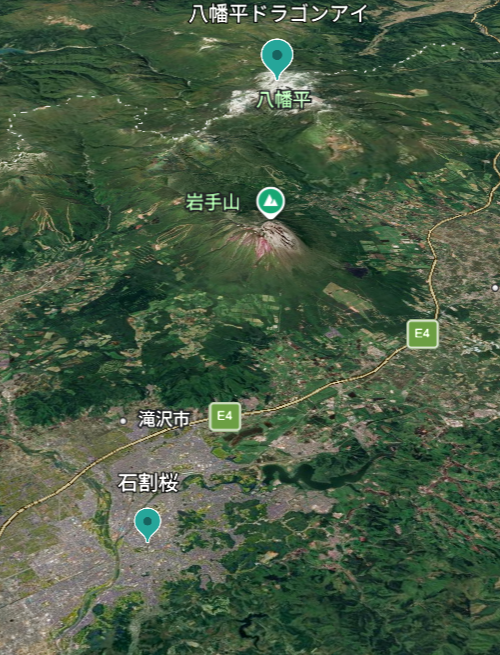
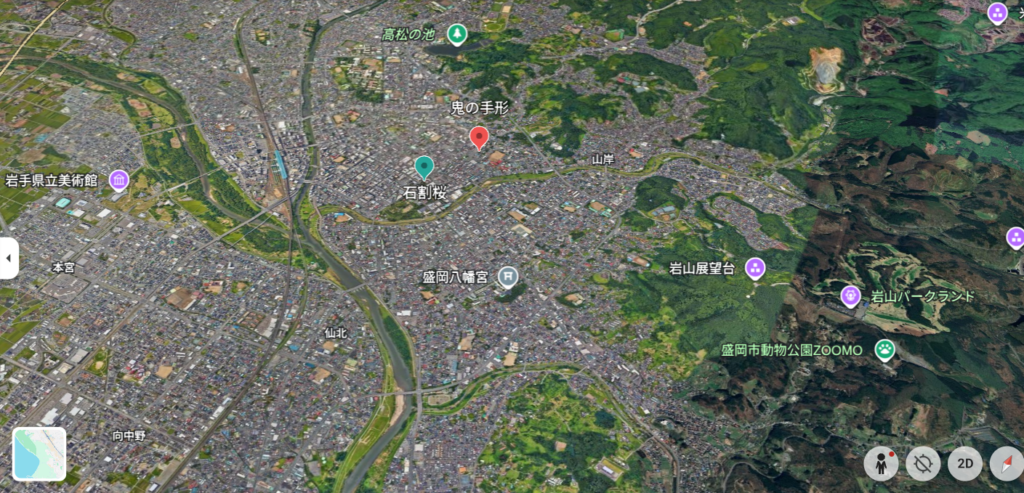
岩を穿つ命の熱量:盛岡「石割桜」が語る奇跡 / The Incandescent Fervor of Life: The Miracle of Morioka’s “Ishiwarizakura”

沈黙の石を割る、四百年の静かなる暴力

みちのくの長く厳しい冬が終わりを告げる頃、盛岡の街には一斉に命の息吹が満ちる。その象徴とも言えるのが、盛岡地方裁判所の前庭に座す「石割桜」である。周囲21メートルにも及ぶ巨大な花崗岩の真っ二つに割れた裂け目から、太い幹を天に向かって突き上げるエドヒガンザクラ。この光景を前にしたとき、人はただ自然の奇異に驚くのではなく、そこに孕まれた途方もない時間の堆積と執念に立ち尽くすことになる。

地質学的に言えば、花崗岩とは地下深部でマグマが数百万年という途方もない時間をかけて冷却し、結晶化した極めて硬質な岩石である。およそ四百年前、その冷たく無機質なマグマの遺骸に生じた僅かなクラック(ひび割れ)に、一粒の桜の種が舞い降りた。土も水も乏しい絶望的な環境の中で、芽吹いた細い根は暗闇を手探りするように岩の奥底へと伸びていった。植物の「根圧」——細胞が水を吸い上げることで生じる物理的な圧力は、時にアスファルトをも容易く持ち上げるが、この桜は数百年という悠久の時をかけて、その静かなる暴力で巨大な岩塊を押し広げてきたのである。毎年数ミリずつ、決して諦めることなく岩を穿ち続けたその軌跡は、まさに生命の熱量そのものだ。

さらにこの桜には、盛岡という土地に生きる人々の情念が深く刻み込まれている。昭和七年(1932年)、裁判所を全焼させる大火災が発生した際、猛火はこの名木にも迫った。その時、庭師や消防署員たちは命の危険も顧みず、桜に濡れ莚(むしろ)を被せ、必死の放水によって炎から守り抜いたという。雪国の過酷な自然に耐え、固い岩を割ってでも花を咲かせようとする桜の姿に、盛岡の人々は自らの生き様や不屈の精神を重ね合わせていたのだろう。

爛漫と咲き誇る薄紅色の花弁と、それを抱く黒々と屹立した花崗岩。硬と軟、静と動の鮮烈なコントラストが織りなすその美しさは、単なる風景を越えて、見る者の魂の根源にまで静かに、そして鋭く問いかけてくる。盛岡の遅い春風に吹かれ、岩肌にハラリとこぼれ落ちる一片の花弁を見たとき、あなたは確かに、命が岩を砕く音を聞くはずだ。

The Silent Violence of Four Centuries Splitting Silent Stone

When the long, harsh winter of Michinoku (the northeastern region of Japan) finally draws to a close, the city of Morioka brims with a sudden, explosive breath of life. The ultimate symbol of this seasonal rebirth is the “Ishiwarizakura,” or the Rock-Breaking Cherry Tree, residing in the front courtyard of the Morioka District Court. An ancient Edohigan cherry tree thrusts its thick trunk skyward, emerging directly from the cleft of a massive granite boulder measuring 21 meters in circumference. Standing before this spectacle, one is not merely struck by a natural anomaly, but left utterly spellbound by the fathomless accumulation of time and sheer tenacity it embodies.

The phenomenon of root pressure—the physical force generated as a plant draws water—gradually widened the ancient crack over centuries. While such pressure can easily buckle asphalt, this tree has slowly pushed apart a massive rock formation through sheer, quiet persistence. The path it carved through the stone is the very definition of life’s incandescent fervor.

Furthermore, the Ishiwarizakura is deeply etched with the emotions of the people of Morioka. In 1932 (Showa 7), during a massive fire that devastated the city, firefighters and local residents risked their lives to protect this tree, dousing it with water as the flames approached. In the sight of the cherry tree enduring the harsh snow and blooming from within a stone heart, the people of the north see a reflection of their own resilience and indomitable spirit.

The stark contrast between the delicate pale pink petals and the dark, stoic granite transcends mere scenery; it speaks directly to the depths of the observer’s soul. When you see a single petal flutter onto the cold stone in the late Morioka spring, you will surely hear the sound of life itself piercing through the silence of the rock.

早池峰山の荒ぶる神々と交わる五百年の鼓動 / The Five-Century Pulse of Communion with the Fierce Gods of Mt. Hayachine

蛇紋岩の刃が天を突く霊峰で、神と人が交歓する祈りの足拍子

岩手県の中央部に忽然と聳える早池峰山。その山容を前にしたとき、人は理屈ではなく本能で「ここには人ならざるものが棲んでいる」と悟るはずだ。標高1,917メートル。しかし、数字以上の圧倒的な威圧感は、この山が抱える地質学的な特異性に起因している。早池峰山は、超塩基性の蛇紋岩(じゃもんがん)という特殊な岩石で構成されているのだ。暗緑色にぬめりと光り、風雨に削られて鋭い刃のように切り立った岩肌は、他の植物を容易に寄せ付けない。だが、その過酷さゆえに、エーデルワイスの近縁種であるハヤチネウスユキソウをはじめとする固有の高山植物が、この孤島のような山頂で独自の進化を遂げた。生命を阻む無慈悲な岩山が、同時に希少な生命の揺りかごでもあるという矛盾。この壮絶なる自然のパラドックスこそが、古より人々を畏怖させ、修験者たちを惹きつけてやまなかった。

平安の昔、深い山林を駆け抜け、己の肉体を極限まで追い詰めることで悟りを開こうとした山伏たちは、早池峰山の峻険な岩稜に仏の姿を見た。彼らはこの山を「胎蔵界」と「金剛界」が交わる曼荼羅そのものとみなし、命がけの峰入り修行を行ったのである。そして、その山伏たちが祈りの極致として麓の村々に伝えたのが、今なお脈々と受け継がれる「早池峰神楽」だ。

早池峰神楽の深淵を語るうえで欠かせないのは、早池峰神社のふもとに座す「岳(たけ)」と「大償(おおつぐない)」という二つの集落である。岳神楽が荒々しく力強い「阿(あ)」の舞であるのに対し、大償神楽はしなやかで優美な「吽(うん)」の舞とされる。互いに阿吽の対をなしながら、五百年以上の長きにわたり競い合い、補い合ってこの神事を受け継いできた。それはまさに、早池峰山の荒々しい岩肌と、そこに咲く一輪の可憐な高山植物の対比そのものである。

厳冬の夜、神楽殿に一歩足を踏み入れれば、そこは現世とは完全に切り離された異空間だ。板張りの床を力強く踏み鳴らす足拍子が、凍てつく空気を震わせる。腹の底に響く太鼓の音、甲高く天へと昇る笛の音、そして五拍子という特異で呪術的なリズム。舞手の顔を覆う権現様(獅子頭)がカッと顎を打ち鳴らすとき、それは単なる郷土芸能ではなく、山に棲む荒ぶる神が人間に憑依した瞬間であることを肌で感じるだろう。張り詰めた空気の中、舞手から立ち上る白い息は、魂の燃焼そのものである。早池峰の神楽は、見せるための舞台ではない。人と神が、厳しい自然の中で生き抜くための契約を更新し、ともに命の歓喜を分かち合う神聖なる「交歓」なのだ。舞が終わった後、ふと見上げる夜空には、蛇紋岩の霊峰を照らす星々が凍てつくように瞬いている。その静寂の中で、あなたは五百年の時を貫く岩手の深い精神性に、己の魂が静かに震えるのを知るだろう。

Where Serpentinite Blades Pierce the Heavens: The Sacred Footbeats of Human-Divine Communion

Mount Hayachine, rising abruptly in the heart of Iwate Prefecture, demands an instinctual reverence. Confronted by its imposing silhouette, one understands without logic that entities beyond the human realm reside here. Though its elevation is 1,917 meters, its overwhelming aura is rooted in a profound geological anomaly: the mountain is composed almost entirely of ultramafic serpentinite. This dark-green, slick-looking rock, weathered by the elements into sharp, blade-like crags, fiercely rejects ordinary vegetation. Yet, in this very hostility lies a sublime paradox. This isolated geological “island” has become a cradle for endemic alpine flora, such as the *Hayachine Usuyukiso* (a rare relative of the edelweiss), which evolved in splendid isolation. This extraordinary contradiction—a barren, life-repelling peak that simultaneously nurtures miraculous vitality—has inspired deep awe since antiquity, irresistibly drawing practitioners of Shugendo asceticism to its treacherous slopes.

During the Heian period, the *yamabushi* (mountain ascetics), who sought spiritual enlightenment by pushing their bodies to the absolute limit across unforgiving terrains, saw manifestations of the divine within Hayachine’s jagged ridges. Viewing the mountain as a living, breathing mandala where the Womb Realm and the Diamond Realm intersect, they engaged in perilous, death-defying ascetic disciplines. The ultimate expression of their prayers, passed down to the villages at the foot of the mountain, is the *Hayachine Kagura*—a sacred dance that continues to pulse with life today.

A Shamanic Resonance: The Moment Humans and Gods Unite

Stepping into the kagura hall on a frigid night is to enter an otherworldly space entirely severed from the mundane. The forceful thumping of feet against the wooden floorboards makes the freezing air tremble. The deep roar of the o-daiko drum resonating in your gut, the piercing flute climbing toward the heavens, and the singular, shamanic rhythm of the ko-byoshi—all combine into a potent sonic ritual.

When the Gongen-sama (the lion mask) covering the dancer’s face snaps its jaws shut with a sharp crack, you feel in your very skin that this is no mere folk performance, but the exact moment a fierce deity of the mountain possesses the human form. In the dimly lit air, the white puffs of breath rising from the dancers are the very combustion of their souls. Hayachine Kagura is not a stage for “showing”; it is a sacred “communion” where humans and gods renew their pact for survival in harsh nature and share the joy of existence.

As the dance concludes and you look up at the night sky, stars shimmer icily above the serpentinite peaks. In that silence, you will feel your own soul quietly tremble at the profound spirituality of Iwate that has pierced through five hundred years of time.