岩手県は、まるで地球の記憶を閉じ込めた巨大な博物館のような場所です。県央の盛岡から北部の久慈へ。この旅は、単なる観光地巡りではありません。人間が築いた堅固な石垣の歴史から、数千万年の時を超えて地層に眠る琥珀の物語へと、地質学的な時間を遡る壮大なタイムトラベルです。
盛岡城跡の石垣:都市を支える花崗岩の記憶
Morioka Castle Ruins: The Granite Memories Supporting the City
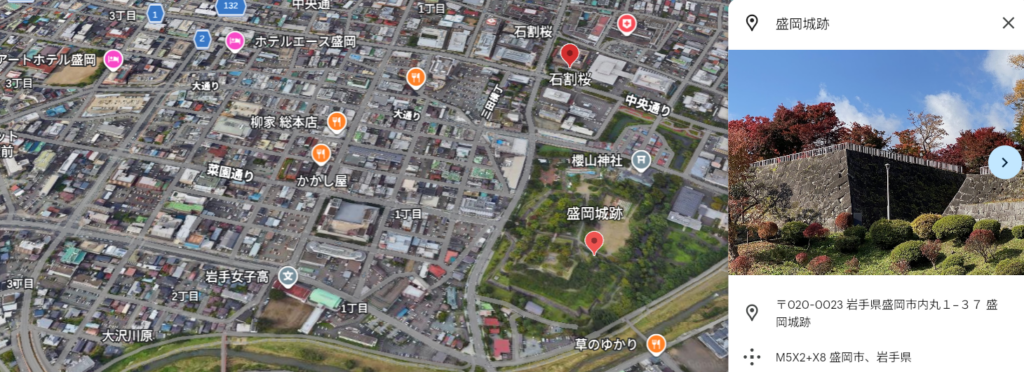
盛岡城跡公園(岩手公園)に足を踏み入れると、まず圧倒されるのが重厚な石垣です。これらの石垣には、主に盛岡近郊で採掘された花崗岩が使用されています。花崗岩は、マグマが地下深くでゆっくりと冷却されて固まった火成岩です。この「石」たちが、かつて南部藩の威信をかけて積み上げられ、数世紀にわたって盛岡の街を見守ってきました。
無骨でありながら洗練された石積みは、当時の職人たちの技術の結晶です。苔むした石の表面に触れると、この花崗岩が数千万年前に冷え固まった時の地球の鼓動が聞こえてくるような錯覚に陥ります。盛岡の歴史は、この堅固な石の基礎の上に築かれているのです。
The Pulse of the Earth in the Stone Walls: The Pride of the Nambu Clan
When you step into the Morioka Castle Ruins (Iwate Park), the first thing that overwhelms you is the imposing stone walls. These walls are constructed primarily from granite quarried in the vicinity of Morioka. Granite is an igneous rock formed when magma cools slowly deep underground. These “stones” were stacked with the prestige of the Nambu clan and have watched over the city of Morioka for centuries. The rugged yet refined masonry is a culmination of the skills of the craftsmen of that era. When you touch the mossy surface of the stones, you feel as if you are hearing the heartbeat of the Earth from tens of millions of years ago when this granite cooled and solidified. Morioka’s history is built upon this solid stone foundation.
カテゴリー: 県北 Northern Iwate
タグ: 盛岡城跡, 花崗岩, 琥珀, ジオツーリズム, タイムトラベル
アクセスポイント(座標): 40.1772, 141.7651
(※旅の終着点であり、記事のハイライトである「久慈琥珀博物館」付近の座標を設定しています)
重厚な石垣.jpg)