岩手の深層を辿る:イギリス海岸の泥岩から三王岩の荒波へ / Tracing Iwate’s Depths: From the Mudstones of the British Coast to the Wild Waves of San’o-iwa

地質学が語る岩手の壮大な物語

宮沢賢治が愛した「イギリス海岸」の静謐な泥岩と、宮古市の海岸線に聳え立つ「三王岩」が突きつける荒々しい自然の造形。これらは一見、何の関係もない別々の観光地のように思えるかもしれません。しかし、地質学というレンズを通せば、これらは岩手という土地が歩んできた壮大な物語の「起」と「結」であることがわかります。北上川のほとりで眠る太古の記憶と、太平洋の激流に削り出された現代の彫刻。この二つの地点を結ぶとき、岩手の風景は単なる景勝地から、地球の鼓動を感じる深淵なフィールドへと姿を変えます。

The Geological Narrative of Iwate

The serene mudstone of the “British Coast,” beloved by Kenji Miyazawa, and the rugged, towering San’o-iwa Rocks in Miyako City may seem like disparate, unrelated tourist spots at first glance. Yet, through the lens of geology, they represent the beginning and the climax of the epic narrative that defines the land of Iwate. By connecting the ancient memories resting along the Kitakami River with the modern sculptures carved by the violent Pacific, the landscapes of Iwate transform from mere scenic spots into a profound field where one can feel the very heartbeat of the Earth.

イギリス海岸:北上川が暴く太古の海底

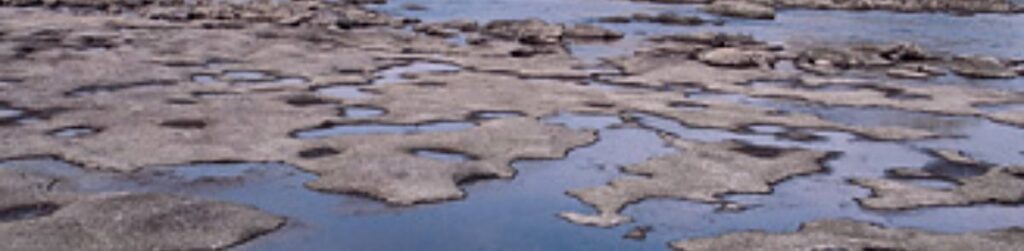
花巻市にあるイギリス海岸。詩人・宮沢賢治が名付けたこの場所は、北上川の渇水期に現れる白い泥岩の層です。一見するとただの川原の岩肌ですが、これは数百万年前、この地がまだ深い海の底であったことを示す動かぬ証拠です。堆積した泥は、地殻変動という地球規模の力によって隆起し、やがて北上川の浸食作用によって再び太陽の光を浴びることとなりました。賢治はここに、イギリスのドーバー海峡のような風景を見出したと言われています。泥岩という「静」の素材は、岩手がかつて海洋プレートの衝突によって生まれた地であることを、静かに、しかし雄弁に物語っています。

The British Coast: Ancient Seafloor Revealed

Located in Hanamaki City, the British Coast—named by the poet Kenji Miyazawa—is a layer of white mudstone revealed during the dry season of the Kitakami River. At first glance, it appears to be nothing more than a rocky riverbank, yet it is irrefutable evidence that this region was once deep beneath the ocean millions of years ago. The accumulated mud was uplifted by the tectonic forces of the Earth, eventually to be bathed in sunlight once again through the erosive power of the Kitakami River. It is said that Miyazawa saw in this place a landscape reminiscent of the English coast. This mudstone, a material of “stillness,” quietly yet eloquently tells the story of how Iwate was born from the collision of oceanic plates.

三王岩:太平洋と対峙する「動」の造形

イギリス海岸の泥岩から東へ。北上山地を越え、太平洋の荒波が打ち寄せる宮古市へ向かうと、全く異なる地質のドラマが展開されます。そこに鎮座するのが、高さ約50メートルの男岩、女岩、太鼓岩からなる「三王岩」です。これらは、大陸の一部であった岩盤が波の浸食によって切り離された「海食柱(スタック)」と呼ばれる地形です。イギリス海岸が「堆積」の歴史であるならば、三王岩は「侵食」の歴史です。太平洋の猛烈なエネルギーが、数百万年かけて岩盤を彫刻し、この圧倒的な造形美を作り上げました。荒波に晒され、崩れ落ちては新たな姿を見せる三王岩は、今この瞬間も地球が動いていることを私たちに突きつけています。

San’o-iwa: The Sculptures of “Motion” Defying the Pacific

Heading east from the mudstones of the British Coast, crossing the Kitakami Mountains to Miyako City where the wild Pacific waves crash, a completely different geological drama unfolds. Here stands “San’o-iwa,” consisting of three monoliths—the Otokoiwa (Man Rock), Onnaiwa (Woman Rock), and Taikoiwa (Drum Rock)—reaching heights of nearly 50 meters. These are “sea stacks,” landforms once part of the mainland that have been separated by the relentless erosion of the waves. If the British Coast is a history of “sedimentation,” San’o-iwa is a history of erosion. The ferocious energy of the Pacific has sculpted the bedrock over millions of years to forge this overwhelming beauty. Battered by rough waves, crumbling and reshaping into new forms, San’o-iwa powerfully reminds us that the Earth is alive and in motion at this very second.

「石っこ賢さん」の眼差しが見た永遠――久慈の琥珀と白亜紀の記憶 / The Eternal Gaze of “Ishi-kko Ken-san”: Kuji Amber and the Memories of the Cretaceous

石の言葉を聴く――宮沢賢治と地質学への情熱

岩手県が誇る詩人、宮沢賢治は、幼少期から「石っこ賢さん」と呼ばれ、鉱物や地層に対して並々ならぬ愛情を注いでいた。彼にとって石は単なる無機物ではなく、地球の壮大な歴史を刻んだ「記憶の媒体」であった。賢治が地質学に求めたものは、単なる科学的知識を超えた、宇宙的な時間軸との対話である。その眼差しは、岩手の大地が秘める太古の真実を見透かそうとしていた。

Listening to the Language of Stones: Kenji Miyazawa and the Passion for Geology

Kenji Miyazawa, the poet who remains the pride of Iwate Prefecture, was affectionately known as “Ishi-kko Ken-san” (Ken the Stone-lover) from his childhood. He possessed an extraordinary affection for minerals and geological strata. To him, stones were not merely inorganic matter, but “media of memory” that recorded the grand history of the Earth. What Kenji sought in geology was a dialogue with a cosmic timeline, transcending mere scientific knowledge. His gaze sought to pierce through to the ancient truths concealed within the land of Iwate.

8500万年のタイムカプセル――久慈の琥珀が語るもの

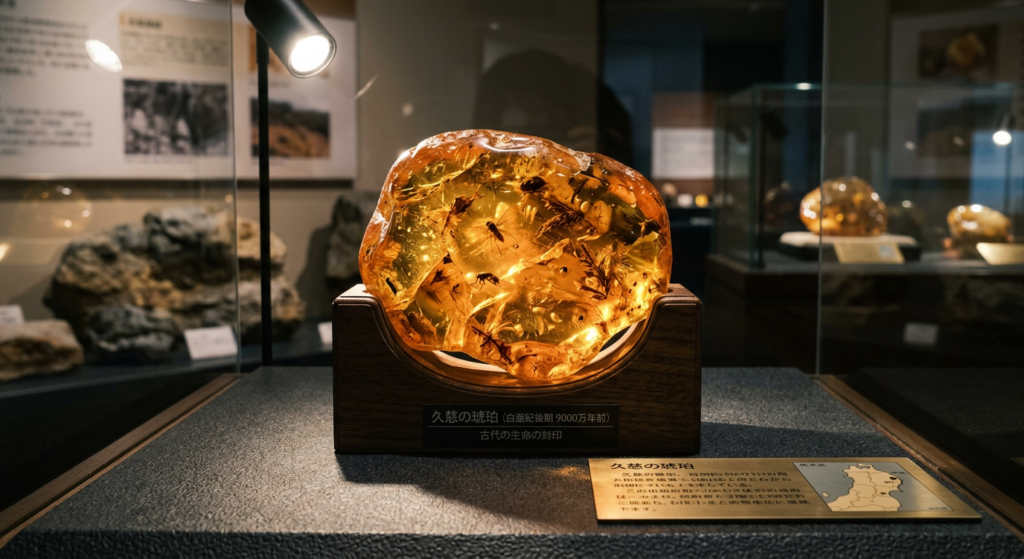
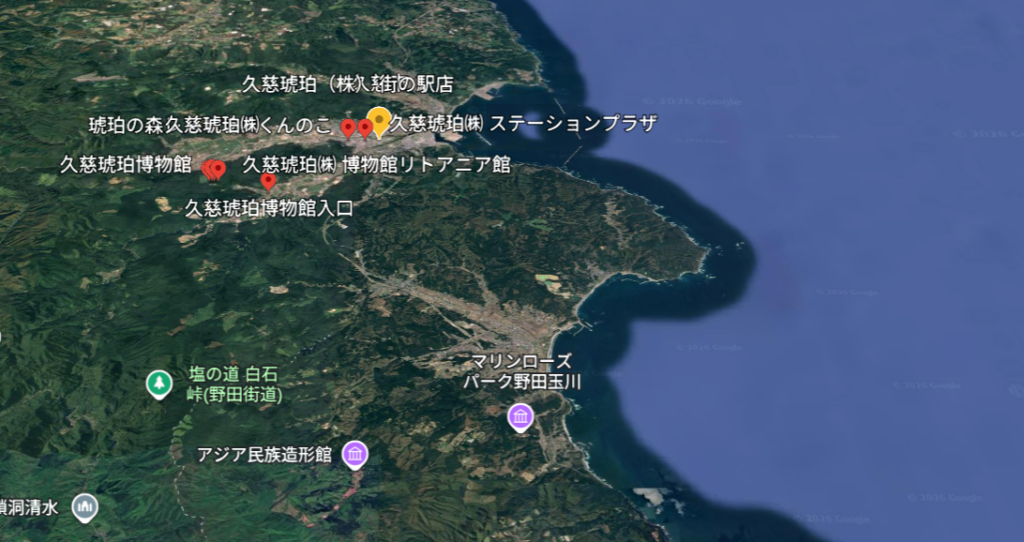
岩手県久慈市。この地は、日本有数の琥珀の産地として知られる。久慈の琥珀は、約8500万年前、白亜紀後期の樹液が長い年月をかけて化石化したものだ。賢治が愛した鉱物たちが、この地では「生命の息吹」をそのまま封じ込めている。琥珀の中に閉じ込められた昆虫や植物の断片は、当時の生態系を鮮明に現代へと伝えるタイムカプセルである。それは、賢治が詩の中で描こうとした「過去と現在が交錯する世界」が、この地の土壌に実在していることを証明している。

An 85-Million-Year Time Capsule: What Kuji Amber Reveals

Kuji City in Iwate Prefecture is renowned as one of Japan’s premier locations for amber. Kuji amber is fossilized tree resin from the Late Cretaceous period, approximately 85 million years ago. The minerals that Kenji so cherished have, in this land, sealed the very “breath of life.” The fragments of insects and plants trapped within the amber serve as time capsules, vividly conveying the ecosystem of that era to the present day. This stands as proof that the “world where the past and present intersect,” which Kenji sought to depict in his poetry, truly exists within the soil of this region.

地層に刻まれた白亜紀の記憶――恐竜と琥珀の共存

近年、久慈層群からは琥珀だけでなく、貴重な恐竜の化石が次々と発見されている。かつてこの地は、豊かな植物が生い茂り、恐竜たちが闊歩する湿地帯であった。琥珀という「宝石」と、恐竜という「巨獣」の化石が同じ地層から見つかることは、この地が白亜紀の生命の営みを多角的に保存していることを示唆する。賢治が地質調査で歩いた岩手の山野には、私たちが想像するよりも遥かに濃密な、太古の生命の物語が埋もれているのである。

Cretaceous Memories Engraved in the Strata: The Coexistence of Dinosaurs and Amber

In recent years, not only amber but also precious dinosaur fossils have been discovered one after another from the Kuji Group. This land was once a wetland, lush with vegetation, where dinosaurs roamed. The fact that the “gemstone” of amber and the fossils of “giant beasts” (dinosaurs) are found in the same strata suggests that this region preserves the activities of Cretaceous life from multiple perspectives. Beneath the mountains and fields of Iwate, where Kenji once walked during his geological surveys, lies a story of ancient life far denser than we could ever imagine.

岩手の大地を読み解く――賢治の遺志を継ぐ探求

久慈の琥珀と白亜紀の化石は、私たちに「時間とは何か」を問いかける。賢治が石を見つめることで得た知的好奇心は、現代の私たちがこの地の地層を観察する際にも不可欠な姿勢である。岩手の風景を単なる観光地としてではなく、地球の歴史が重層的に積み重なった「歴史の書物」として読み解くこと。それこそが、「石っこ賢さん」が遺した、もっとも深遠な遺産なのかもしれない。

Deciphering the Land of Iwate: A Quest Inheriting Kenji’s Will

Kuji’s amber and Cretaceous fossils challenge us with the question, “What is time?” The intellectual curiosity Kenji gained by gazing at stones is an essential mindset for us today as we observe the strata of this region. To read the landscapes of Iwate not merely as tourist destinations, but as a “book of history” where the history of the Earth is layered and accumulated—that, perhaps, is the most profound legacy left behind by “Ishikko Ken-san” (Kenji the Pebble Child). By learning to see the eternal universe within a single pebble, we inherit his vision—a way of life that seeks to harmonize our brief existence with the majestic, slow-moving narrative of the stars and the soil. This is the true “Ihatov” of the mind, where science and poetry intersect to illuminate the path toward our future.

永劫の海鳴りを聴く——一関・幽玄洞と三億五千万年の記憶 / Hearing the Roar of the Eternal Ocean: Yugendo Cave and the Memories of 350 Million Years

滴る地下水が刻む「現在」と、岩壁に眠る「石炭紀の海」

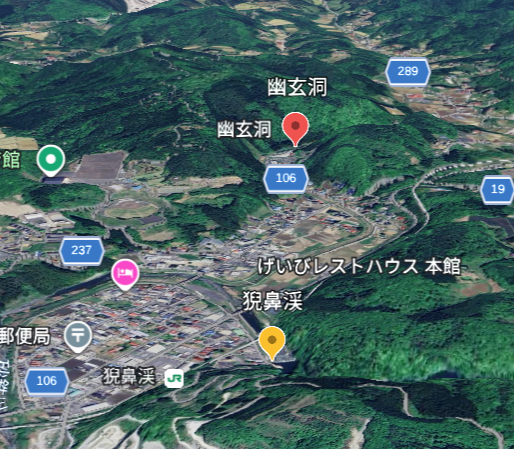
岩手県南部に位置する一関市東山町。木漏れ日が揺れる静謐な森の奥に、地球の深部へと続く小さな裂け目が口を開けている。「幽玄洞」——その名の通り、底知れぬ神秘を湛えたこの鍾乳洞に足を踏み入れると、肌を刺すような冷気と、石灰岩を舐めるように滴る地下水の幽かな響きに包まれる。だが、この洞窟が持つ真の恐ろしさと美しさは、自然が気の遠くなるような時間をかけて造り上げた鍾乳石の造形だけにあるのではない。濡れた岩壁にカンテラの光を当て、目を凝らしてみてほしい。そこには、ウミユリの茎やフズリナ、三葉虫、そして古代のサンゴたちが、まるでつい先ほどまで生きていたかのように立体的な姿をとどめている。彼らが海を泳ぎ、波に揺らめいていたのは約三億五千万年前、古生代石炭紀のことだ。

ここで少し、目眩がするような「地球の寄り道」に付き合っていただきたい。三億五千万年前、現在私たちが立っているこの岩手の大地は、ここには存在していなかった。当時、地球上の陸地は巨大な超大陸パンゲアへと集結しつつあり、今の北上山地を形作る岩盤は、なんと赤道直下の暖かく浅い海(パンサラッサ海)にあったのだ。生命がひしめく熱帯のサンゴ礁は、やがて死して分厚い石灰岩の地層となり、プレートの運動という地球の巨大なベルトコンベアに乗って、途方もない年月をかけて北上を続けた。そして幾度もの地殻変動と激しい隆起を経て、この極東の島国、東北の山奥にたどり着いたのである。あなたが今、幽玄洞の暗闇で触れている冷たい岩肌は、赤道の熱を記憶したまま凍りついた「数億年の旅の終着点」に他ならない。

洞奥へと進むにつれ、透明なエメラルドグリーンを湛えた地底湖が現れる。ポトリ、ポトリと暗闇にこだまする水滴の音は、一センチの鍾乳石を育てるのに百年の歳月を費やす「現在」の時計の針だ。一方で、壁面に埋め込まれた化石たちは「三億五千万年前」の姿のまま、完全に時間を止めている。幽玄洞とは、現在進行形で滴り続ける地質学的時間と、遠い古生代の記憶とが、静寂の中でひっそりと交差する奇跡の空間である。ここでそっと目を閉じれば、頭上の森を吹き抜ける風の音に混じって、遥かなる赤道の海鳴りが聞こえてこないだろうか。

The “Present” Carved by Dripping Groundwater and the “Carboniferous Sea” Slumbering in the Rock Walls

Located in Higashiyama-cho, Ichinoseki City, in the southern part of Iwate Prefecture, a modest fissure leading to the depths of the Earth yawns quietly deep within a tranquil forest dappled with sunlight. “Yugendo” (The Cave of Profound Mystery)—stepping into this limestone cavern, which lives up to its name by brimming with an unfathomable enigma, you are immediately enveloped by a piercingly cool air and the faint, echoing symphony of groundwater lapping against the limestone. However, the true awe and beauty of this subterranean realm do not lie solely in the geological formations of stalactites crafted over mind-boggling stretches of time. Shine the light of your lantern upon the damp, glistening rock walls and peer closely. There, preserved in astonishing three-dimensional relief, lie the remnants of crinoid stems, fusulinids, trilobites, and ancient corals, looking as though they were pulsing with life but a moment ago. The time when they swam and swayed in the ocean currents was approximately 350 million years ago, during the Carboniferous period of the Paleozoic era.

Here, I invite you to indulge in a dizzying “geological detour.” Three hundred and fifty million years ago, the very land of Iwate upon which we now stand did not exist in its current location. At that time, the Earth’s landmasses were gradually coalescing into the supercontinent Pangea, and the bedrock that now forms the Kitakami Mountains was situated in a warm, shallow sea (the Panthalassic Ocean) directly beneath the equator. The tropical coral reefs, teeming with life, eventually died and calcified into thick layers of limestone. Riding the immense conveyor belt of the Earth known as plate tectonics, this colossal raft of stone embarked on an agonizingly slow northward journey over incomprehensible eons. After undergoing countless tectonic shifts and violent continental upheavals, it finally arrived here, deep in the mountains of the Tohoku region in this Far Eastern archipelago. The cold rock face you touch today in the darkness of Yugendo is nothing less than the terminus of a multi-million-year odyssey, frozen in time yet still holding the primordial memory of equatorial heat.

As you venture deeper into the abyss, a subterranean lake brimming with translucent emerald-green water reveals itself. The *drip, drip* of falling water droplets echoing in the dark serves as the ticking hand of the”present.” Conversely, the fossils embedded within the walls have held time perfectly still for 350 million years. Yugendo is a threshold of the blue—a space where geological time, still flowing today, quietly intersects with the ancient memories of the Paleozoic era. If you close your eyes here, perhaps you will hear the roar of the eternal ocean from that unimaginably distant era, drifting through the sound of the wind as it brushes past the forests far above ground.

岩を穿つ命の熱量:盛岡「石割桜」が語る奇跡 / The Incandescent Fervor of Life: The Miracle of Morioka’s “Ishiwarizakura”

沈黙の石を割る、四百年の静かなる暴力

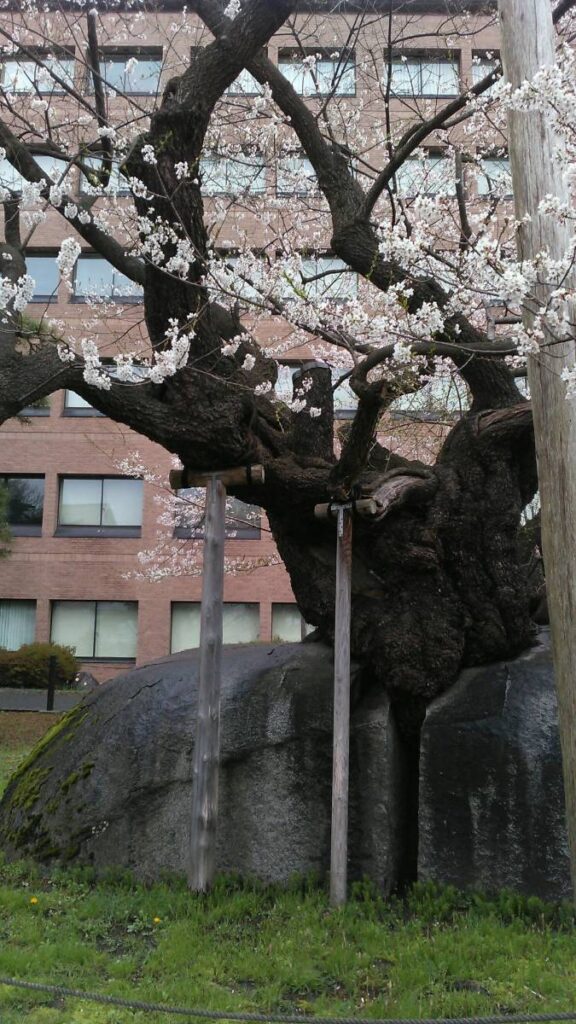
みちのくの長く厳しい冬が終わりを告げる頃、盛岡の街には一斉に命の息吹が満ちる。その象徴とも言えるのが、盛岡地方裁判所の前庭に座す「石割桜」である。周囲21メートルにも及ぶ巨大な花崗岩の真っ二つに割れた裂け目から、太い幹を天に向かって突き上げるエドヒガンザクラ。この光景を前にしたとき、人はただ自然の奇異に驚くのではなく、そこに孕まれた途方もない時間の堆積と執念に立ち尽くすことになる。

地質学的に言えば、花崗岩とは地下深部でマグマが数百万年という途方もない時間をかけて冷却し、結晶化した極めて硬質な岩石である。およそ四百年前、その冷たく無機質なマグマの遺骸に生じた僅かなクラック(ひび割れ)に、一粒の桜の種が舞い降りた。土も水も乏しい絶望的な環境の中で、芽吹いた細い根は暗闇を手探りするように岩の奥底へと伸びていった。植物の「根圧」——細胞が水を吸い上げることで生じる物理的な圧力は、時にアスファルトをも容易く持ち上げるが、この桜は数百年という悠久の時をかけて、その静かなる暴力で巨大な岩塊を押し広げてきたのである。毎年数ミリずつ、決して諦めることなく岩を穿ち続けたその軌跡は、まさに生命の熱量そのものだ。

さらにこの桜には、盛岡という土地に生きる人々の情念が深く刻み込まれている。昭和七年(1932年)、裁判所を全焼させる大火災が発生した際、猛火はこの名木にも迫った。その時、庭師や消防署員たちは命の危険も顧みず、桜に濡れ莚(むしろ)を被せ、必死の放水によって炎から守り抜いたという。雪国の過酷な自然に耐え、固い岩を割ってでも花を咲かせようとする桜の姿に、盛岡の人々は自らの生き様や不屈の精神を重ね合わせていたのだろう。

爛漫と咲き誇る薄紅色の花弁と、それを抱く黒々と屹立した花崗岩。硬と軟、静と動の鮮烈なコントラストが織りなすその美しさは、単なる風景を越えて、見る者の魂の根源にまで静かに、そして鋭く問いかけてくる。盛岡の遅い春風に吹かれ、岩肌にハラリとこぼれ落ちる一片の花弁を見たとき、あなたは確かに、命が岩を砕く音を聞くはずだ。

The Silent Violence of Four Centuries Splitting Silent Stone

When the long, harsh winter of Michinoku (the northeastern region of Japan) finally draws to a close, the city of Morioka brims with a sudden, explosive breath of life. The ultimate symbol of this seasonal rebirth is the “Ishiwarizakura,” or the Rock-Breaking Cherry Tree, residing in the front courtyard of the Morioka District Court. An ancient Edohigan cherry tree thrusts its thick trunk skyward, emerging directly from the cleft of a massive granite boulder measuring 21 meters in circumference. Standing before this spectacle, one is not merely struck by a natural anomaly, but left utterly spellbound by the fathomless accumulation of time and sheer tenacity it embodies.

The phenomenon of root pressure—the physical force generated as a plant draws water—gradually widened the ancient crack over centuries. While such pressure can easily buckle asphalt, this tree has slowly pushed apart a massive rock formation through sheer, quiet persistence. The path it carved through the stone is the very definition of life’s incandescent fervor.

Furthermore, the Ishiwarizakura is deeply etched with the emotions of the people of Morioka. In 1932 (Showa 7), during a massive fire that devastated the city, firefighters and local residents risked their lives to protect this tree, dousing it with water as the flames approached. In the sight of the cherry tree enduring the harsh snow and blooming from within a stone heart, the people of the north see a reflection of their own resilience and indomitable spirit.

The stark contrast between the delicate pale pink petals and the dark, stoic granite transcends mere scenery; it speaks directly to the depths of the observer’s soul. When you see a single petal flutter onto the cold stone in the late Morioka spring, you will surely hear the sound of life itself piercing through the silence of the rock.

岩手の地質を辿るタイムトラベル:盛岡城の石垣から、久慈の琥珀が語る恐竜時代へ / A Geological Time Travel Through Iwate: From the Stone Walls of Morioka Castle to the Dinosaur Era of Kuji Amber

岩手県は、まるで地球の記憶を閉じ込めた巨大な博物館のような場所です。県央の盛岡から北部の久慈へ。この旅は、単なる観光地巡りではありません。人間が築いた堅固な石垣の歴史から、数千万年の時を超えて地層に眠る琥珀の物語へと、地質学的な時間を遡る壮大なタイムトラベルです。

盛岡城跡の石垣:都市を支える花崗岩の記憶
Morioka Castle Ruins: The Granite Memories Supporting the City

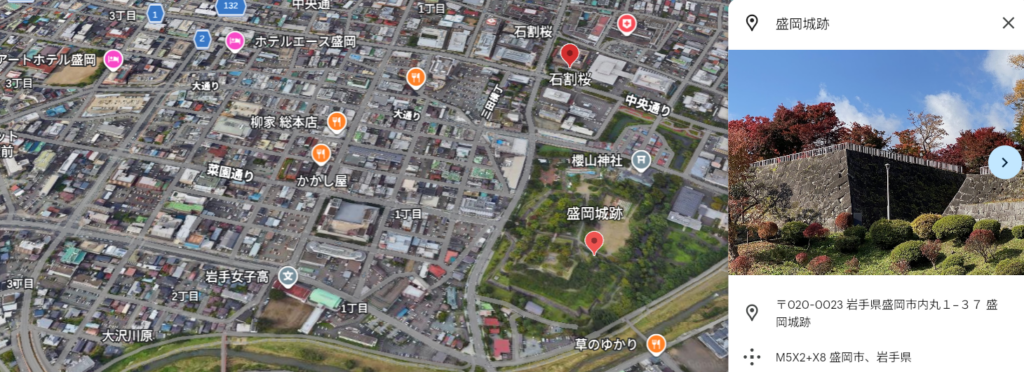
盛岡城跡公園(岩手公園)に足を踏み入れると、まず圧倒されるのが重厚な石垣です。これらの石垣には、主に盛岡近郊で採掘された花崗岩が使用されています。花崗岩は、マグマが地下深くでゆっくりと冷却されて固まった火成岩です。この「石」たちが、かつて南部藩の威信をかけて積み上げられ、数世紀にわたって盛岡の街を見守ってきました。
無骨でありながら洗練された石積みは、当時の職人たちの技術の結晶です。苔むした石の表面に触れると、この花崗岩が数千万年前に冷え固まった時の地球の鼓動が聞こえてくるような錯覚に陥ります。盛岡の歴史は、この堅固な石の基礎の上に築かれているのです。

The Pulse of the Earth in the Stone Walls: The Pride of the Nambu Clan

When you step into the Morioka Castle Ruins (Iwate Park), the first thing that overwhelms you is the imposing stone walls. These walls are constructed primarily from granite quarried in the vicinity of Morioka. Granite is an igneous rock formed when magma cools slowly deep underground. These “stones” were stacked with the prestige of the Nambu clan and have watched over the city of Morioka for centuries. The rugged yet refined masonry is a culmination of the skills of the craftsmen of that era. When you touch the mossy surface of the stones, you feel as if you are hearing the heartbeat of the Earth from tens of millions of years ago when this granite cooled and solidified. Morioka’s history is built upon this solid stone foundation.