奥州の雪闇を照らす千年の炎 —— 南部鉄器の錬金術 / The Millennium Flame Illuminating the Snows of Ōshū: The Alchemy of Nambu Ironware

黒き肌に宿る大地の記憶 —— 炎と砂が産み落とす孤独なる洗練

凍てつくような盛岡の冬の朝。北上川から立ち昇る気嵐(けあらし)の向こうに、微かに鉄の匂いを孕んだ煙がたなびいている。重厚な土壁に囲まれた工房の重い扉を開ければ、そこは黒と赤が支配する深淵なる別世界だ。「甑(こしき)」と呼ばれる溶解炉の中で、千五百度を超える炎が轟音を立てて咆哮し、どろりとした黄金色の液状の鉄が、凄まじい火花を散らしながら坩堝へと注がれていく。この荒々しい原初のエネルギーが、やがてあの静謐で漆黒の肌を持つ「南部鉄器」へと生まれ変わるという事実は、何度立ち会っても一つの錬金術を見ているかのような畏怖の念を抱かせる。
南部鉄器の歴史を紐解く時、人はよく江戸時代初期、盛岡藩主・南部信直が京都から釜師・初代小泉仁左衛門を招いたことを起源とする。しかし、この地に根付いた「鉄の記憶」は、決してその四百年ばかりに留まるものではない。寄り道を許されるならば、視線を北上山地という日本最古級の地層へと向けてみたい。古生代の海が隆起して生まれたこの古い山々は、豊かな砂鉄と、極上の木炭となる楢や椚(くぬぎ)の森、そして良質な鋳物砂や粘土という、鋳造に不可欠なすべてを密かに育んできた。平安の昔、ヤマト王権を震撼させた蝦夷の英雄・アテルイの剣や、平泉に黄金の理想郷を築き上げた奥州藤原氏の武力を支えたのも、この大地がもたらす鉄であった。盛岡の職人たちが日々向き合っている炎は、一千年の長きにわたり奥州の雪闇を照らし続けてきた、誇り高き蝦夷たちの命の残り火なのだ。
興味深いのは、辺境の武骨な武将たちが、なぜこれほどまでに洗練された「茶の湯の釜」を求めたかである。雪に閉ざされる長く厳しい冬にあって、彼らは凍てつく外界から切り離された茶室という仄暗い小宇宙に、強烈な美と精神の自由を見出したのではないだろうか。職人たちは、無数の点で構成される「あられ(霰)模様」を、砂で作られた鋳型の内側に一つ一つ、気の遠くなるような手作業で押していく。これは単なる装飾ではなく、表面積を増やして熱効率を高めるという極めて理に適った造形でありながら、同時に、奥州に降りしきる無音の雪そのものを鉄の肌に刻み込んでいるようにも思える。
溶けた鉄が型に注がれる刹那、職人は一切の言葉を発しない。ただ、土と炎と鉄の機嫌を五感のすべてで読み取るのみだ。完成した鉄瓶に湯を沸かし、チンチンという「松風(まつかぜ)」の音に耳を傾けてみてほしい。その黒く硬質な肌の奥には、悠久の地層が孕む大地の記憶と、奥州の鋳物師たちが千年の炎の果てに行き着いた、冷徹なまでの美意識が息づいている。それは、使う者の掌の中で静かに呼吸を続ける、生きた芸術なのである。

The Memory of the Earth Dwelling in Black Iron: The Solitary Refinement Forged by Fire and Sand

On a freezing winter morning in Morioka, beyond the sea smoke rising from the Kitakami River, a wisp of smoke carrying the faint scent of iron drifts through the frosty air. Opening the heavy wooden door of an earthen-walled workshop reveals a profound, otherworldly realm dominated by black and red. Inside a melting furnace known as a “koshiki,” flames exceeding 1,500 degrees Celsius roar with primordial ferocity, while molten iron—a sluggish, golden liquid—is poured into crucibles in a magnificent shower of sparks. The realization that this violent, raw energy will eventually be reborn as the tranquil, pitch-black “Nambu Tekki” (Nambu ironware) never fails to evoke the awe of witnessing true alchemy.
When speaking of the origins of Nambu ironware, historians often point to the early Edo period (17th century), when the lord of the Morioka Domain, Nambu Nobunao, invited the master kettle-maker Koizumi Nizaemon from Kyoto. However, the “memory of iron” rooted in this land extends far beyond a mere four centuries. If I may digress, let us cast our gaze toward the Kitakami Mountains, a geological formation harboring some of Japan’s oldest strata. Born from the uplifting of Paleozoic seas, these ancient mountains secretly nurtured the perfect trinity for metallurgy: abundant iron sand, deep forests of oak and sawtooth oak yielding superlative charcoal, and high-quality casting sand and clay. In the Heian period, it was the iron yielded by this very earth that forged the swords of Aterui, the heroic chieftain of the Emishi people who shook the Yamato court, and later sustained the military might of the Ōshū Fujiwara clan, architects of a golden utopia in Hiraizumi. The flames that Morioka’s artisans tend to daily are, in essence, the lingering embers of a proud, thousand-year fire that has continuously illuminated the snowy darkness of Ōshū.
It is profoundly intriguing why rugged warlords of the northern frontier sought such highly refined tea ceremony kettles. Perhaps, during the long, unforgiving winters buried in snow, they discovered a fierce beauty and spiritual freedom in the dimly lit microcosm of a tea room—a sanctuary entirely severed from the frozen world outside. Within the darkened workshops, artisans engage in the mind-boggling manual labor of stamping the “arare” (hailstone) pattern, consisting of thousands of tiny raised dots, one by one into the interior of the sand mold. While this serves a highly rational purpose—increasing the surface area to improve thermal efficiency—it simultaneously feels as though they are engraving the silent, falling snows of Ōshū directly into the iron’s skin.
In the fleeting moment when the molten iron is poured into the mold, the artisan utters not a single word. He relies solely on his five senses to read the temperament of the earth, the fire, and the metal. I invite you to boil water in a completed iron kettle and listen to the murmuring sound of the boiling water, poetically called “matsukaze” (the sound of wind through pine trees). In that delicate resonance, you will hear the echo of a thousand-year flame that has quietly, yet tenaciously, illuminated the snowy darkness of Iwate’s history. It is not just a tool; it is a resonant vessel of the Tohoku soul.

岩を穿つ命の熱量:盛岡「石割桜」が語る奇跡 / The Incandescent Fervor of Life: The Miracle of Morioka’s “Ishiwarizakura”

沈黙の石を割る、四百年の静かなる暴力

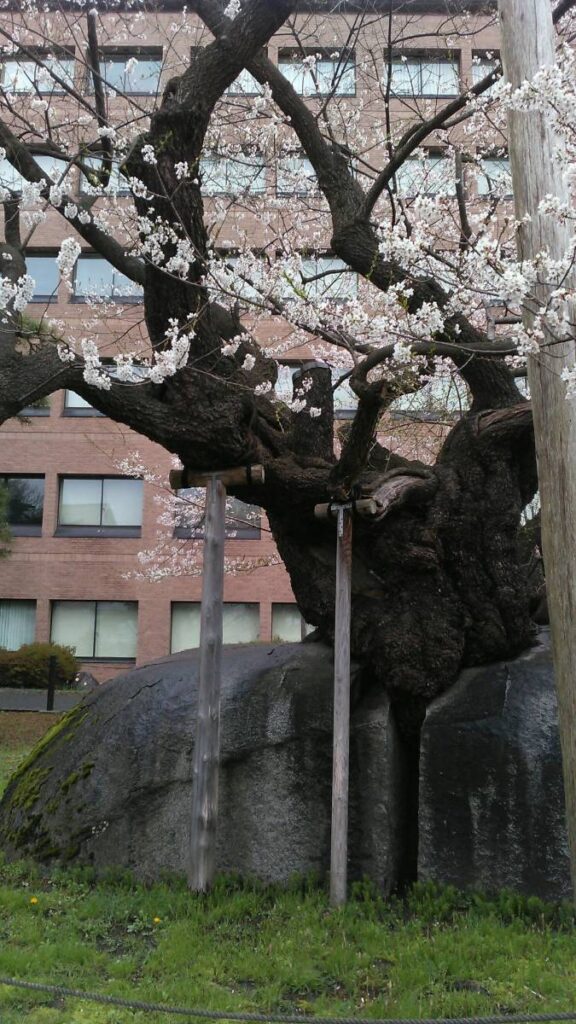
みちのくの長く厳しい冬が終わりを告げる頃、盛岡の街には一斉に命の息吹が満ちる。その象徴とも言えるのが、盛岡地方裁判所の前庭に座す「石割桜」である。周囲21メートルにも及ぶ巨大な花崗岩の真っ二つに割れた裂け目から、太い幹を天に向かって突き上げるエドヒガンザクラ。この光景を前にしたとき、人はただ自然の奇異に驚くのではなく、そこに孕まれた途方もない時間の堆積と執念に立ち尽くすことになる。

地質学的に言えば、花崗岩とは地下深部でマグマが数百万年という途方もない時間をかけて冷却し、結晶化した極めて硬質な岩石である。およそ四百年前、その冷たく無機質なマグマの遺骸に生じた僅かなクラック(ひび割れ)に、一粒の桜の種が舞い降りた。土も水も乏しい絶望的な環境の中で、芽吹いた細い根は暗闇を手探りするように岩の奥底へと伸びていった。植物の「根圧」——細胞が水を吸い上げることで生じる物理的な圧力は、時にアスファルトをも容易く持ち上げるが、この桜は数百年という悠久の時をかけて、その静かなる暴力で巨大な岩塊を押し広げてきたのである。毎年数ミリずつ、決して諦めることなく岩を穿ち続けたその軌跡は、まさに生命の熱量そのものだ。

さらにこの桜には、盛岡という土地に生きる人々の情念が深く刻み込まれている。昭和七年(1932年)、裁判所を全焼させる大火災が発生した際、猛火はこの名木にも迫った。その時、庭師や消防署員たちは命の危険も顧みず、桜に濡れ莚(むしろ)を被せ、必死の放水によって炎から守り抜いたという。雪国の過酷な自然に耐え、固い岩を割ってでも花を咲かせようとする桜の姿に、盛岡の人々は自らの生き様や不屈の精神を重ね合わせていたのだろう。

爛漫と咲き誇る薄紅色の花弁と、それを抱く黒々と屹立した花崗岩。硬と軟、静と動の鮮烈なコントラストが織りなすその美しさは、単なる風景を越えて、見る者の魂の根源にまで静かに、そして鋭く問いかけてくる。盛岡の遅い春風に吹かれ、岩肌にハラリとこぼれ落ちる一片の花弁を見たとき、あなたは確かに、命が岩を砕く音を聞くはずだ。

The Silent Violence of Four Centuries Splitting Silent Stone

When the long, harsh winter of Michinoku (the northeastern region of Japan) finally draws to a close, the city of Morioka brims with a sudden, explosive breath of life. The ultimate symbol of this seasonal rebirth is the “Ishiwarizakura,” or the Rock-Breaking Cherry Tree, residing in the front courtyard of the Morioka District Court. An ancient Edohigan cherry tree thrusts its thick trunk skyward, emerging directly from the cleft of a massive granite boulder measuring 21 meters in circumference. Standing before this spectacle, one is not merely struck by a natural anomaly, but left utterly spellbound by the fathomless accumulation of time and sheer tenacity it embodies.

The phenomenon of root pressure—the physical force generated as a plant draws water—gradually widened the ancient crack over centuries. While such pressure can easily buckle asphalt, this tree has slowly pushed apart a massive rock formation through sheer, quiet persistence. The path it carved through the stone is the very definition of life’s incandescent fervor.

Furthermore, the Ishiwarizakura is deeply etched with the emotions of the people of Morioka. In 1932 (Showa 7), during a massive fire that devastated the city, firefighters and local residents risked their lives to protect this tree, dousing it with water as the flames approached. In the sight of the cherry tree enduring the harsh snow and blooming from within a stone heart, the people of the north see a reflection of their own resilience and indomitable spirit.

The stark contrast between the delicate pale pink petals and the dark, stoic granite transcends mere scenery; it speaks directly to the depths of the observer’s soul. When you see a single petal flutter onto the cold stone in the late Morioka spring, you will surely hear the sound of life itself piercing through the silence of the rock.

盛岡の土壌が育てた精神と革新:新渡戸稲造の「武士道」と原敬の「平民政治」 / The Spirit and Innovation Nurtured in Morioka: Nitobe Inazo’s

Discover the roots of Japan’s modernization in Morioka! From Nitobe Inazo’s

The Spirit and Innovation Nurtured in Morioka: Nitobe Inazo’s Bushido and Hara Takashi’s Commoner Politics

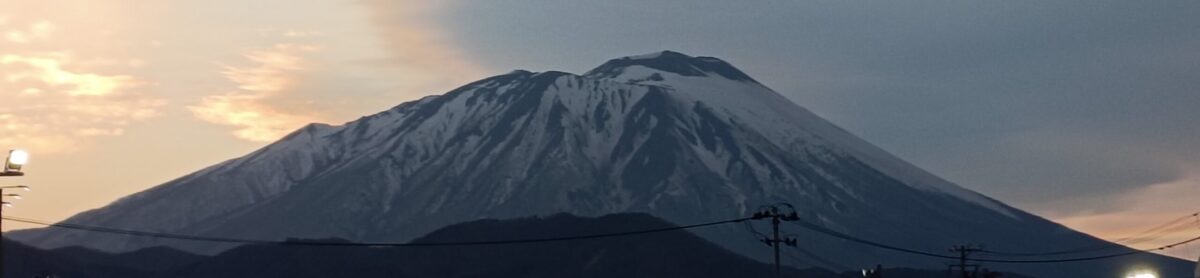
盛岡という土地は、単なる地方都市ではなく、日本の近代化を精神と政治の両面からリードした巨人たちを育んだ「知の揺籃(ようらん)」です。その象徴ともいえるのが、世界に「武士道」を知らしめた新渡戸稲造と、日本初の本格的政党内閣を組織した「平民宰相」こと原敬です。北上川の流れと岩手山の雄姿を仰ぎ見て育った彼らの足跡を辿ります。

新渡戸稲造:世界へ繋がる精神の架け橋
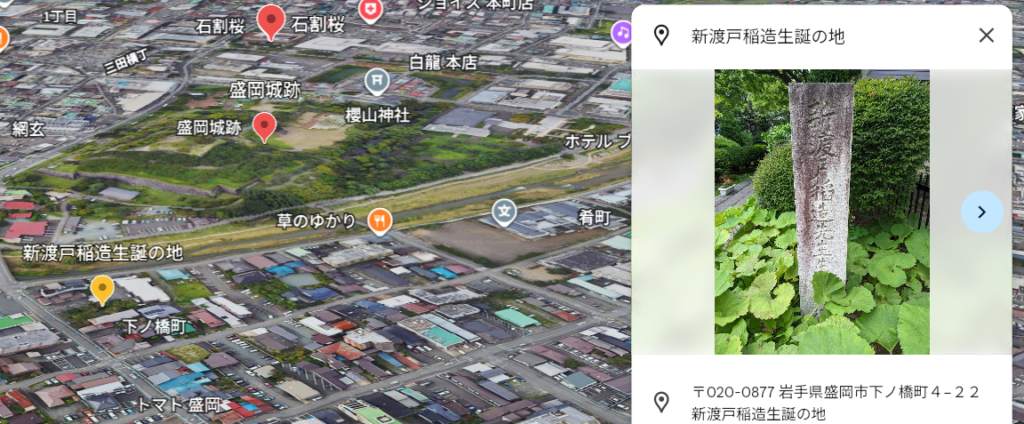
盛岡で生まれた新渡戸は、幼少期に培われた武士の気概と、後に学んだ西洋の倫理観を融合させ、名著『武士道』を書き上げました。彼の精神は単なるナショナリズムではなく、異文化を理解し、自らが「太平洋の橋」となろうとした国際的な視点に満ちています。

原敬:平民政治が拓いた民主主義の礎
同じく盛岡出身の原敬は、特権階級ではない「平民」としての誇りを持ち続け、大正デモクラシーの旗手として日本の議会政治を確立させました。不撓不屈の精神で時代を切り拓いた彼の姿勢は、今も盛岡の街に「革新の種」として息づいています。

この二人の歩みを知ることは、盛岡という土地がいかにして世界に通じる普遍的な精神と、時代を変える革新性を生み出してきたかを探る旅でもあります。

Morioka is not just a regional city; it is a "cradle of intellect" that nurtured giants who led Japan's modernization in both spiritual and political realms. The most iconic figures representing this legacy are Inazo Nitobe, who introduced "Bushido" to the world, and Takashi Hara (Hara Kei), the "Commoner Premier" who formed Japan's first true party cabinet. Born and raised under the gaze of Mt. Iwate and the flow of the Kitakami River, we trace the footsteps of these two men.

Inazo Nitobe: A Spiritual Bridge to the World
Born in Morioka, Nitobe fused the samurai spirit of his childhood with Western ethics to write his masterpiece, "Bushido: The Soul of Japan." His philosophy was not mere nationalism; it was filled with an international perspective aimed at understanding different cultures and becoming a "bridge across the Pacific."

Takashi Hara: The Foundation of Democracy Through Commoner Politics
Also hailing from Morioka, Takashi Hara took pride in being a "commoner" rather than part of the privileged class. As a leader of the Taisho Democracy, he established parliamentary politics in Japan. His indomitable spirit in carving out a new era still lives on as a "seed of innovation" in the streets of Morioka today.

Tracing the lives of these two men is a journey to explore how the soil of Morioka generated a universal spirit that resonates with the world and the innovativeness that changed an era.

盛岡城跡公園で感じる春の息吹:4月の散歩道 / Spring Awakening at Morioka Castle Site Park: An April Stroll

盛岡の4月は、厳しい冬の終わりと、新しい季節の始まりが静かに交差する特別な時期です。街のあちこちで雪解けの音が聞こえ、人々の心も新生活への期待で少しだけ弾んでいます。盛岡のシンボルである「盛岡城跡公園(岩手公園)」は、この時期、最も美しい変化を見せる場所の一つです。

April in Morioka is a special time when the end of a harsh winter and the beginning of a new season quietly intersect. You can hear the sounds of melting snow throughout the city, and people’s hearts are filled with the excitement of new beginnings. The Morioka Castle Site Park (Iwate Park), the heart of the city, is one of the most beautiful places to witness this seasonal transformation.

歴史と自然が織りなす春の風景 / A Landscape Woven by History and Nature

公園に足を踏み入れると、まず目に飛び込んでくるのは、力強い石垣と、少しずつ色づき始めた木々のコントラストです。4月初旬、盛岡の桜はまだ満開には至りませんが、枝先には小さなつぼみが膨らみ、春の訪れを今か今かと待ちわびている様子が伺えます。この「春を待つ静けさ」こそが、盛岡の春の醍醐味です。

A Landscape Woven by History and Nature: The Quiet Anticipation of Spring

As you step into the park, the first thing that catches your eye is the contrast between the imposing stone walls and the trees beginning to show subtle hints of color. In early April, the cherry blossoms in Morioka have not yet reached full bloom, but tiny buds are swelling on the branches, eagerly waiting for their moment. This “quiet anticipation of spring” is the true essence of Morioka’s seasonal charm, inviting visitors to witness the subtle and poetic transformation of the historical landscape.