森の血潮を舐める — 盛岡・老舗養蜂場が紡ぐ熊と花々の蜜月 / Tasting the Lifeblood of the Forest: The Honeymoon of Bears and Flora Woven by Morioka’s Historic Apiaries

黄金の雫に宿る、奥羽の森の野性と洗練

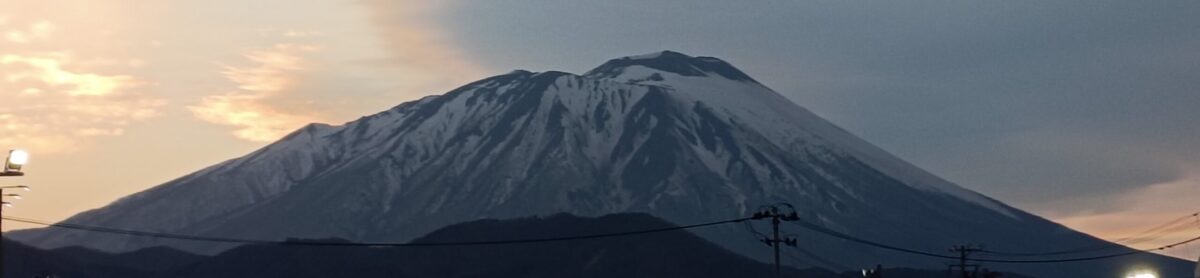
岩手の森は、深く、そして濃い。奥羽山脈と北上高地に抱かれたこの地には、太古の息吹を色濃く残す広葉樹の海が広がっている。童話の世界では「熊と蜂蜜」は愛らしいアイコンとして描かれるが、ここ岩手において、それは生々しい命のやり取りと直結した森の真理だ。胸に白い三日月の刻印を持つ森の覇者、ツキノワグマ。彼らが厳しい冬の眠りにつく前、血眼になって探し求める究極のエネルギー源こそが、森の奥深くに隠された黄金の甘露である。

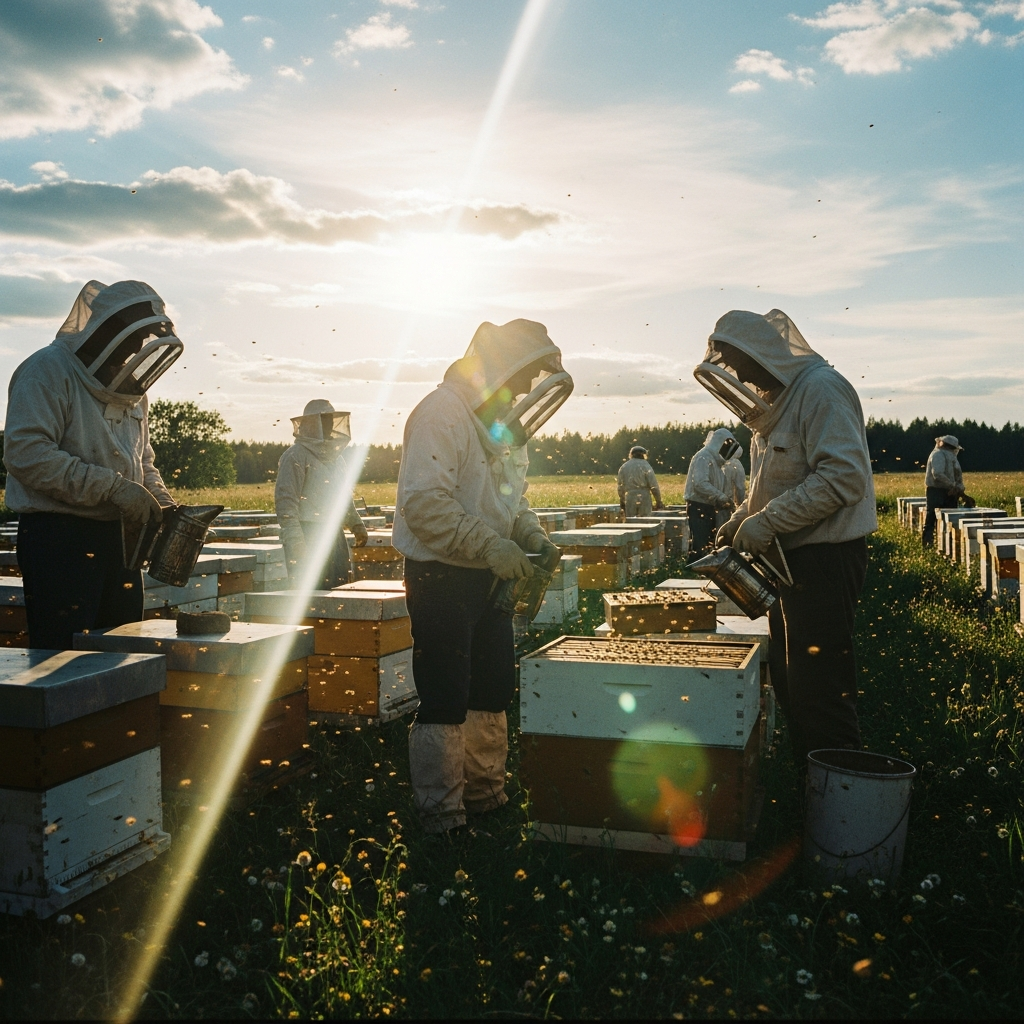
盛岡の地で一世紀以上にわたりミツバチと対話を続けてきた老舗養蜂場の営みは、この荒ぶる森の野性と、人間の繊細な手仕事の交差点にある。彼らは、森のバイオリズムを誰よりも熟知している。奥羽の山々を潤した雪解け水が地下の岩盤で濾過され、トチノキやアカシア、そして山藤の根から吸い上げられて、初夏の陽光の下で爆発的に開花するその瞬間を、彼らは逃さない。岩手の夏は短く、花々の命もまた儚い。植物たちはその短い期間に受粉を完遂させるため、自身の命の結晶とも言える濃密な蜜を分泌する。それはまさに、森の血管を流れる血潮そのものである。

一匹のミツバチが、その短い生涯のすべてを懸けて集めることのできる蜂蜜は、わずかティースプーンの半分にも満たない。盛岡の養蜂家たちは、ミツバチという小さな錬金術師たちが集めた数百万の花の記憶を、決して濁らせることなく瓶へと封じ込める。琥珀色に輝くトチノキの蜜を一口含んでみてほしい。豊かな甘みの中に潜む、野性味を帯びた僅かな渋みと複雑な酸味。それは、雨に濡れた黒土の匂いや、朝露に光るシダの葉脈、そして遠くで森の王が気配を消して佇む情景すら感じさせる、岩手特有の「テロワール」だ。

純度の高い蜂蜜は、数千年腐らないと言われている。瓶の蓋を開けるとき、あなたは単なる甘味料を口にするのではない。人と蜂が紡いだ途方もない時間と、熊が焦がれた奥羽の森の濃密な空気を、静かに舌の上で溶かしているのだ。

Wilderness and Refinement of the Ou Mountains Enclosed in Golden Drops

Wilderness and Refinement of the Ou Mountains Enclosed in Golden Drops

The forests of Iwate are deep, dense, and profound. Cradled between the Ou Mountains and the Kitakami Highlands, this land boasts a vast sea of broadleaf trees that strongly retain the breath of antiquity. In fairy tales, the pairing of bears and honey is often depicted as an endearing motif. However, in Iwate, this pairing directly embodies the raw truth of the forest, a profound exchange of life itself. The crescent-chested Asian black bear, the true sovereign of these woods, feverishly seeks the ultimate energy source—the golden nectar hidden deep within the forest—before their long winter slumber.

The century-long endeavor of a venerable beekeeping establishment in Morioka lies at the intersection of this untamed wilderness and the delicate craftsmanship of human hands. They possess an unparalleled understanding of the forest’s biorhythms. They never miss the moment when snowmelt, filtered through the subterranean bedrock of the Ou Mountains, is drawn up by the roots of horse chestnuts, acacias, and wisteria, bursting into spectacular bloom under the early summer sun. Iwate’s summer is fleeting, and the lives of its flowers are equally ephemeral. To complete pollination within this brief period, plants secrete a concentrated nectar—the very crystallization of their life force—a true lifeblood flowing through the forest’s veins.

A single honeybee, dedicating its entire short life, collects less than half a teaspoon of honey. The beekeepers of Morioka meticulously seal millions of floral memories, gathered by these tiny alchemists, into jars without ever clouding their purity. Take a sip of the amber-hued horse chestnut honey. Beneath its rich sweetness, you’ll discover a subtle bitterness and complex acidity, tinged with a wild essence. It is Iwate’s unique “terroir,” evoking the scent of rain-soaked black earth, the shimmering veins of ferns in morning dew, and even the distant, hushed presence of the forest’s king.

Pure honey is said to remain unspoiled for thousands of years. When you uncap a jar, you are not merely tasting a sweetener. You are quietly dissolving on your tongue the immense span of time woven by humans and bees, and the concentrated essence of the Ou Mountains’ air, yearned for by bears.


■ WordPress設定データ

カテゴリー: 県央 Central Iwate
タグ: 岩手, 蜂蜜, 養蜂, 奥羽山脈, 盛岡
アクセスポイント(座標): 39.7028, 141.1523
注文の多い料理店から森の民へ:雫石町・奥羽山脈に息づくマタギの自然信仰 / From the Hunters of “The Restaurant of Many Orders” to the People of the Forest: The Matagi’s Nature Worship in the Ou Mountains of Shizukuishi

宮沢賢治が描いた狩猟と、真実の森の民

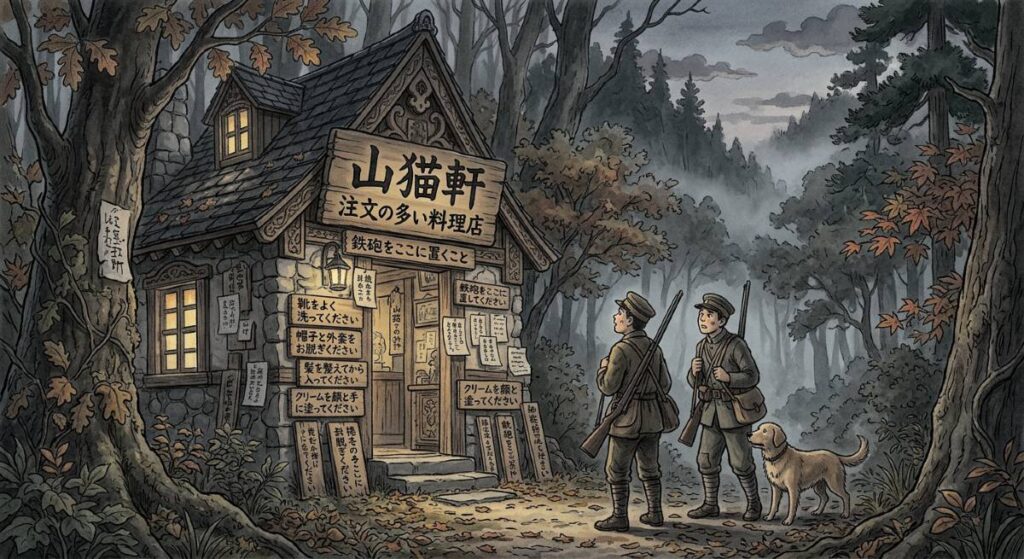
岩手県が誇る文学者、宮沢賢治の傑作『注文の多い料理店』において、二人の紳士は無邪気な狩猟者として登場する。彼らの振る舞いは、自然を支配し、所有するものと見なす近代的な人間観の象徴だ。しかし、彼らが迷い込んだ奥羽山脈の深淵には、全く異なる対極の存在があった。それこそが、命のやり取りを神聖な儀式として捉える「マタギ」という森の民である。彼らにとって、山に入ることは娯楽ではなく、畏怖と敬意を伴う精神的な営みそのものだった。

The Hunting Depicted by Kenji Miyazawa and the True People of the Forest

In the masterpiece “The Restaurant of Many Orders” by Iwate’s renowned author Kenji Miyazawa, two gentlemen appear as naive hunters. Their behavior symbolizes a modern human perspective that views nature as something to be controlled and possessed. However, deep within the abyss of the Ou Mountains where they wandered, there existed a completely opposite presence: the Matagi, the people of the forest who regarded the taking of life as a sacred ritual. For them, entering the mountains was not a pastime, but a spiritual endeavor accompanied by awe and profound respect.

山神(ヤマノカミ)の聖域:マタギの哲学

マタギにとって、奥羽山脈の深い森は単なる獲物の宝庫ではない。そこは「山神(ヤマノカミ)」が支配する厳格な聖域であり、人間は一時的に立ち入ることを許されたゲストに過ぎない。彼らの狩猟は、自然の恵みを謙虚に分け与えてもらう行為である。獲物は神からの授かり物であり、決して乱獲は許されない。この精神性は、獲物を「倒す」という感覚よりも、神に捧げられる命の一部を「預かる」という感覚に近い。狩りの前に行われる入山儀礼や、獲物への感謝の祈りには、自然に対する深い敬意が凝縮されている。

The Sanctuary of the Mountain Deity: The Matagi Philosophy

For the Matagi, the deep forests of the Ou Mountains are not merely a bounty of game. It is a strict sanctuary governed by “Yama-no-kami” (the Mountain Deity), and humans are merely guests permitted to enter temporarily. Their hunting is an act of humbly receiving blessings from nature. Prey is seen as a gift from the deity, and overhunting is strictly forbidden. This ethos is closer to the concept of “safekeeping” a portion of life offered to the gods, rather than simply “killing” prey. The rituals performed before entering the mountains and the prayers of gratitude toward the game embody a deep, concentrated respect for nature.

雫石の過酷な冬が育んだ知恵

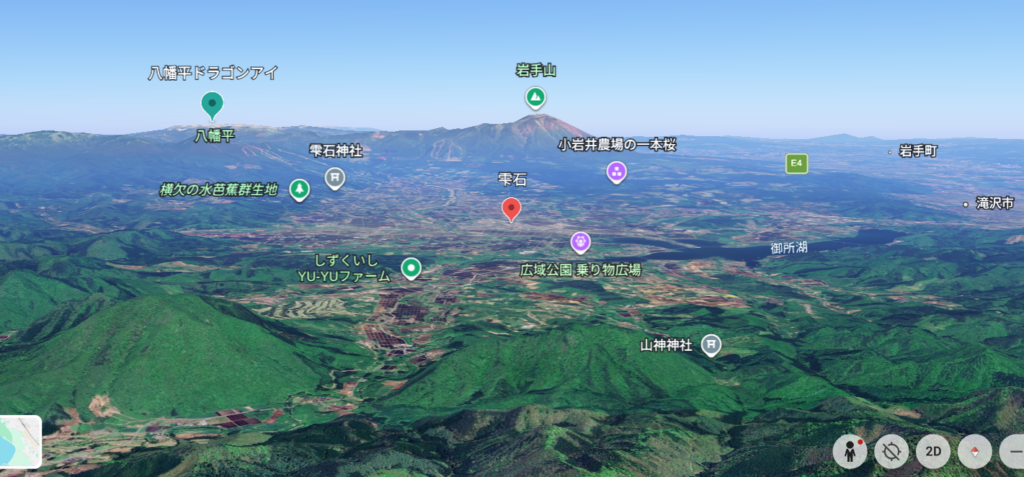
岩手県雫石町から広がる奥羽山脈の冬は苛烈を極める。この過酷な環境こそが、マタギの精神を形作った最大の要因である。雪に閉ざされた世界で生き延びるためには、風の音や木の枝のわずかな揺れから自然の兆しを読み解く鋭い観察眼と、仲間との絶対的な信頼関係が不可欠だった。彼らは自然を支配しようとするのではなく、自然の一部として溶け込むことで、命の循環を守ってきたのである。その生き方は、現代人が忘れかけている「自然との調和」という普遍的な知恵を今に伝えている。

Wisdom Forged by the Harsh Winters of Shizukuishi

The winter in the Ou Mountains, stretching through Shizukuishi, Iwate, is severe. This harsh environment is the primary factor that shaped the spirit of the Matagi. To survive in a world locked by snow, a keen eye for reading natural signs—from the sound of the wind to the slightest sway of a tree branch—and absolute trust among companions were essential. They did not seek to conquer nature but to integrate into it, thereby preserving the cycle of life. Their way of life conveys the universal wisdom of “harmony with nature,” which modern society has begun to forget.

現代への問いかけ:持続可能な未来のために

賢治が描いた紳士たちの傲慢さは、自然に対する人間の無知への鋭い警告とも読める。対照的に、マタギは「森の掟」を厳格に守ることで、何世紀にもわたって自然との共生を実現してきた。私たちが今、失いつつあるのは、この謙虚な畏怖の念ではないだろうか。奥羽山脈に静かに息づくマタギの伝統には、単なる古い習慣を超えた、持続可能な未来を築くための哲学が隠されている。岩手の山々は、私たちに「自然とどう向き合うべきか」を今も問いかけ続けているのである。

欲望のままに森の静寂を削り取る現代社会の「侵食」に対し、マタギたちが何世代にもわたり祈りと共に積み上げてきた命と畏怖の「堆積」。その奥深い地層から響く声に耳を澄ませる時、私たちは気づくはずだ。人は自然を支配する者ではなく、自らもまたその一部として土に還り、やがて芽吹く存在であるということに。イーハトーブの風に吹かれながら、もう一度、大地と共に生き直すこと。それこそが、果てなき星めぐりの旅を続ける私たちがこの岩手の風土から受け取るべき、未来への真の「銀河の切符」なのである。

■ English Version

A Question for the Modern Age: For a Sustainable Future

The arrogance of the gentlemen depicted by Miyazawa can be read as a sharp warning against human ignorance regarding nature. In contrast, the Matagi have achieved coexistence with nature for centuries by strictly adhering to the “laws of the forest.” Perhaps what we are losing today is this humble sense of awe. The traditions of the Matagi, quietly breathing in the Ou Mountains, contain a philosophy that transcends mere ancient customs—a philosophy essential for building a sustainable future. The mountains of Iwate continue to ask us: how are we to truly face nature?

As modern civilization, driven by endless desire, ruthlessly “erodes” the profound silence of the forests, we must look to the “accumulation” of life and reverence built up over generations by the Matagi. When we listen closely to the voices echoing from these deep geological layers, we awaken to a profound truth: we are not the conquerors of nature, but merely a part of it, destined to return to the soil and eventually bloom anew. To live in harmony with the natural world once more, feeling the wind of Ihatov upon our skin—this is the true “ticket to the galaxy” that we, eternal travelers of the stars, must receive from the spiritual landscape of Iwate for the future.


■ メタデータ

カテゴリー: 県南 Southern Iwate
タグ: 宮沢賢治, マタギ, 奥羽山脈, 注文の多い料理店, 自然共生

岩手の山々を巡る色彩の旅:八幡平の可憐な高山植物から、室根山の情熱的なツツジへ / A Journey of Colors Through Iwate: From Hachimantai’s Alpine Flora to the Flaming Azaleas of Mt. Murone

From the delicate alpine flora of Hachimantai to the vibrant red azaleas of Mt. Murone

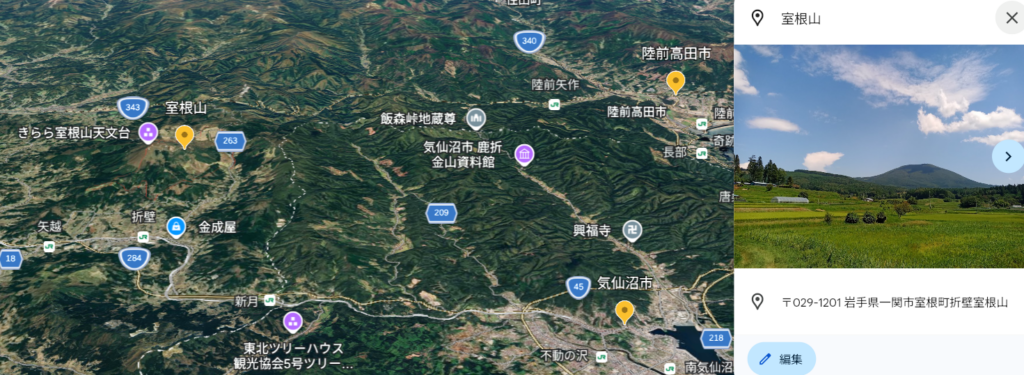
岩手県は、北上高地と奥羽山脈という二つの大きな脊梁山脈に抱かれた、広大な大地です。北から南へ、季節の移ろいとともに山々は表情を変え、訪れる者に生命の力強さを教えてくれます。今回は、八幡平の厳しい自然の中で咲き誇る可憐な高山植物と、一関市・室根山を燃えるような赤に染め上げるツツジの群生、この二つの絶景を繋ぐ「色彩の旅」をご案内します。岩手の山岳風景が織りなす、繊細さと大胆さのコントラストを紐解いていきましょう。

Journey of Colors: From Hachimantai’s Alpine Blooms to the Azaleas of Mount Murone

Iwate Prefecture is a vast land embraced by two major mountain ranges: the Kitakami Highlands and the Ou Mountains. From north to south, the mountains transform with the passing of the seasons, teaching visitors about the resilience of life. In this article, we invite you on a “Journey of Colors” that connects two breathtaking landscapes: the delicate alpine plants blooming in the harsh environment of Hachimantai, and the clusters of azaleas that dye Ichinoseki’s Mount Murone in a fiery red. Let us explore the profound contrast between delicacy and boldness woven into the fabric of Iwate’s mountainous scenery.