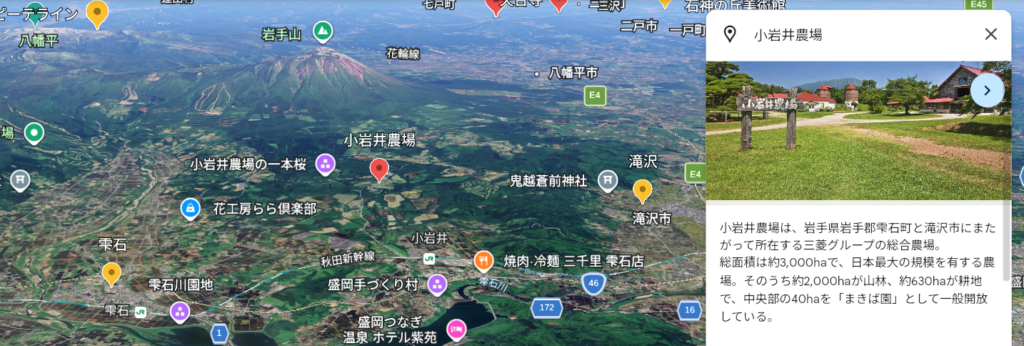
岩手県の食文化を語る上で欠かせないのが、大地と共生してきた畜産の歴史です。遠野のジンギスカンに代表される羊文化、そして雫石町・小岩井農場が切り拓いた近代酪農の系譜。これらは単なる観光名所やご当地グルメではなく、明治期から続く日本の近代化の縮図とも言える物語です。岩手の豊かな大地がどのようにして食の産業へと昇華されたのか、その歴史の点と線を紐解いていきましょう。
To discuss the food culture of Iwate Prefecture, one cannot overlook the history of livestock farming, which has long existed in harmony with the land. From the sheep culture exemplified by Tono’s Genghis Khan to the lineage of modern dairy farming pioneered at Koiwai Farm in Shizukuishi, these are not merely tourist spots or local delicacies. They are stories that serve as a microcosm of Japan’s modernization since the Meiji era. Let us unravel the history of how Iwate’s rich land was transformed into a thriving industry, connecting the dots of its past.
遠野の羊文化とジンギスカンの歴史
The Sheep Culture of Tono and the History of Genghis Khan
遠野市で親しまれる「遠野ジンギスカン」は、単なる名物料理ではありません。それは、大正から昭和初期にかけて国策として進められた「綿羊(羊)飼育」の歴史の名残です。当時、日本は毛織物の原料となる羊毛の自給を目指し、岩手の冷涼な気候が羊の飼育に適しているとして、遠野は一大産地となりました。やがて羊毛だけでなく、その肉を食べる習慣が地元に根付き、独特のタレと柔らかいラム肉を味わう「遠野ジンギスカン」という食文化が完成しました。遠野のジンギスカンを味わうことは、かつて日本の産業を支えようとした人々の情熱を追体験することに他なりません。
Tono Genghis Khan: A Flavorful Legacy of Industry and Passion
“Tono Genghis Khan,” a beloved dish in Tono City, is far more than just a local specialty. It is a flavorful legacy of Japan’s national history, tracing back to the sheep farming initiatives of the Taisho and early Showa eras.
During that period, Japan sought to achieve self-sufficiency in wool production, and Tono’s cool climate proved ideal for sheep, transforming the region into a major hub for the industry. Over time, the custom of eating the meat—not just harvesting the wool—became deeply rooted in the community. This gave rise to the unique culinary culture of “Tono Genghis Khan,” celebrated for its signature sauce and tender lamb. To savor this dish is to experience the enduring passion of the people who once strove to build Japan’s industrial foundation.