文学と農業が交差する地、奥州
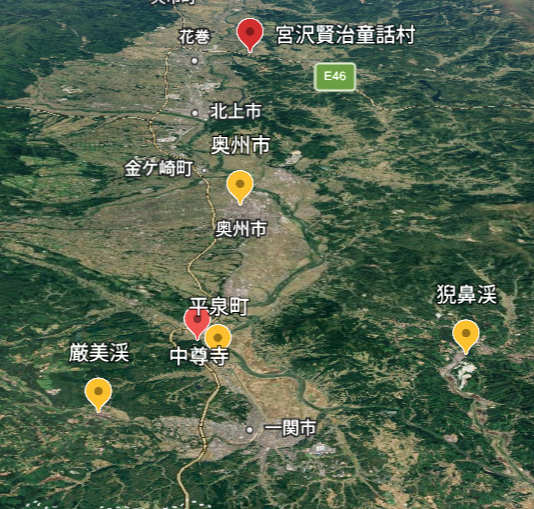
宮沢賢治の詩「雨ニモマケズ」。その精神は、単なる文学的理想ではなく、岩手という厳しい風土を生き抜く農耕の哲学そのものでした。岩手県奥州市で育まれるブランド牛「前沢牛」は、まさにその土壌改良の歴史と、自然への畏敬の念が結晶化した芸術品と言えます。賢治が夢見た「丈夫なからだ」を育むための献身は、この地で家畜を育む生産者たちの情熱と深く共鳴しています。
Oshu: Where Literature Meets Agriculture
Kenji Miyazawa’s poem “Strong in the Rain” is more than just literature; it is a philosophy of farming that embodies the resilience required to survive in Iwate’s harsh climate. “Maesawa Beef,” the prized brand of Oshu City, is a culinary masterpiece crystallized from this history of soil improvement and a profound reverence for nature. The dedication to fostering a “strong body,” as dreamed of by Miyazawa, resonates deeply with the passion of the producers who raise their livestock in this region.
土壌改良から始まった畜産革命
かつて、北上川流域のこの地は、決して肥沃な大地ではありませんでした。しかし、先人たちは賢治が描いた理想像のように、黙々と土と向き合いました。前沢牛の歴史は、1950年代、この土地の農家が「質の高い畜産こそが、地域を救う」と信じ、血統管理と飼育技術の革新に挑んだことから始まります。単に牛を育てるのではなく、牛が食べる牧草や稲藁の質を高めるための「土壌改良」に執念を燃やしたことが、現在のブランド価値の礎となりました。
A Livestock Revolution Rooted in Soil Improvement
The basin of the Kitakami River was not always fertile land. However, the pioneers here, much like the figures in Kenji’s poems, quietly dedicated themselves to the soil. The history of Maesawa Beef began in the 1950s, when local farmers, believing that high-quality livestock would save the region, embarked on a revolution in pedigree management and breeding techniques. Their obsession with “soil improvement”—enhancing the quality of the grass and rice straw that the cattle consume—laid the foundation for the brand’s prestige today.
慈愛が生む奇跡の霜降り
前沢牛の特筆すべき点は、脂の融点の低さと、赤身の芳醇な旨味です。これは単に餌が良いからではありません。寒暖差の激しい奥州の気候、徹底した血統管理、そして何より「牛にストレスを与えない」という慈愛の飼育環境が、この奇跡的な霜降りを生み出します。賢治が万物に慈しみの目を向けたように、生産者たちが牛一頭一頭と向き合い、その成長を静かに見守る姿勢こそが、最高品質の肉質へと繋がっているのです。
The Miraculous Marbling Born of Compassion
What distinguishes Maesawa Beef is the low melting point of its fat and the rich, savory flavor of its lean meat. This is not merely the result of high-quality feed. The miraculous marbling is born from the drastic temperature fluctuations of Oshu’s climate, meticulous pedigree management, and above all, a compassionate breeding environment that prioritizes the cattle’s well-being. Much like how Miyazawa looked upon all things with affection, the producers’ dedication to monitoring each cow’s growth is what ensures the highest quality of meat.
岩手の誇りを世界へ
前沢牛を口にする時、私たちは単なる「高級肉」を味わっているわけではありません。それは、厳しい自然と対峙し、土を変え、命を慈しんできた岩手の人々の歴史そのものを噛み締めているのです。宮沢賢治の精神が息づくこの地で、これからも「雨ニモマケズ」の哲学と共に、前沢牛は世界中の美食家を魅了し続けることでしょう。
冷たく吹きすさぶ「やませ(偏東風)」が農民の希望を容赦なく「侵食」した時代。それでもなお、決して諦めることなく土壌を改良し、家族のように牛を慈しんできた人々の静かなる情熱が、この奥州の地に幾重にも「堆積」しています。北上川が大地を深く削り出し、同時に肥沃な土を悠久の時をかけて蓄積してきたように、冷害という過酷な侵食の歴史こそが、世界に誇る至高の味わいを育みました。一口の美しい霜降りに宿る、北国の揺るぎない誇り。それは岩手の大地への祈りであり、永劫に続く命の祝祭なのです。
■ English Version
Sharing the Pride of Iwate with the World
When we taste Maesawa Beef, we are not simply consuming a luxury product. We are savoring the very history of the people of Iwate who confronted harsh nature, transformed the soil, and cherished life. In this land where the spirit of Kenji Miyazawa still lingers, Maesawa Beef will continue to captivate gourmets around the world, upheld by the enduring philosophy of “Ame ni mo Makezu” (Strong in the Rain).
There was a time when the biting Yamase winds ruthlessly eroded the hopes of local farmers. Yet, the quiet passion of those who never gave up—cultivating the land and caring for their cattle as family—has deeply accumulated in the soil of Oshu. Just as the Kitakami River carved out the earth while simultaneously depositing fertile soil, it was this harsh history of erosion by cold that nurtured a flavor of supreme, world-class excellence. The exquisite marbling holds the unyielding resilience, quiet humility, and profound gratitude that define the very heart of the North. It is more than a delicacy; it is a heartfelt prayer for the soil and an eternal celebration of life itself.
■ WordPress設定データ
カテゴリー: 県南 Southern Iwate
タグ: 前沢牛, 奥州市, 雨ニモマケズ, 郷土の歴史, 食文化
アクセスポイント(座標): 39.0441, 141.1238 (※奥州市前沢の代表地点・前沢駅周辺)