遠野の食文化と奥州の鉄器:岩手が育んだ鋳物の系譜 / The Culinary Soul of Tono and the Iron Legacy of Oshu: A Tale of Iwate’s Metalcraft

遠野のジンギスカン:バケツから始まる鉄の物語

岩手県遠野市を訪れると、独特のジンギスカン文化に出会います。その象徴ともいえるのが、ブリキのバケツを改造した簡易コンロで肉を焼くスタイルです。この一見素朴な調理法には、鉄という素材が持つ「蓄熱性」と「放射熱」を最大限に活かす知恵が詰まっています。遠野の厳しい冬と、羊飼育が盛んだった歴史的背景が融合し、家族や友人が囲炉裏を囲むように鉄器を囲む食文化が根付きました。この「鉄で焼く」という行為は、単なる調理を超え、地域の人々の絆を深める儀式のような役割を果たしてきました。鉄鍋から立ち上がる香ばしい煙と肉の旨味は、遠野の風土が作り上げた、まさに鉄の芸術といえるでしょう。

Tono’s Genghis Khan: The Iron Story Beginning with a Bucket

In the city of Tono, Iwate Prefecture, one encounters a unique culinary culture centered around Genghis Khan (grilled mutton). Its most iconic symbol is the “bucket” grill—a simple, modified tin bucket that serves as a makeshift stove. This seemingly rustic method is, in fact, a masterclass in utilizing the heat retention and radiant heat properties of iron. Born from Tono’s harsh winters and a history of sheep farming, this style of dining became deeply rooted in the community, with friends and family gathering around the iron grill much like they would a hearth. This act of “grilling on iron” transcends mere cooking; it has served as a ritual to deepen communal bonds. The savory smoke rising from the iron pan and the rich flavor of the meat represent the essence of Tono’s local climate—a true art form crafted from iron.

奥州市の南部鉄器:平安から続く鋳物の美と哲学

遠野の食文化を支える鉄器の技術的ルーツを辿ると、奥州市水沢を中心とした南部鉄器の歴史に行き着きます。平安時代から受け継がれるこの鋳物産業は、砂鉄や鉄鉱石という大地の恵みを、職人の緻密な技術で「一生もの」の道具へと昇華させてきました。南部鉄器の魅力は、単に丈夫であることだけでなく、使えば使うほどに手に馴染み、味わい深くなる経年変化にあります。奥州市の工房で生み出される鉄瓶や鍋は、伝統的な意匠を守りつつも、現代のライフスタイルに寄り添うデザインへと進化を続けています。鉄という素材が持つ重厚な存在感と、日々の暮らしに溶け込む繊細な使い心地。この両立こそが、岩手の鋳物が世界中で愛され続ける理由であり、先人たちが守り抜いてきた「鉄の哲学」なのです。

Nanbu Tekki of Oshu: The Beauty and Philosophy of Casting Since the Heian Period

Tracing the technological roots of the ironware that supports Tono’s culinary culture leads us to the history of Nanbu Tekki, centered in Oshu City’s Mizusawa district. This casting industry, inherited since the Heian period, has elevated the gifts of the earth—iron sand and ore—into “lifetime tools” through the precise skills of master craftsmen. The allure of Nanbu Tekki lies not only in its durability but also in the way it develops a deeper character over time, becoming more familiar to the user’s hand with every use. The iron kettles and pots created in the workshops of Oshu continue to evolve, blending traditional designs with modern lifestyles. The profound presence of iron combined with the delicate usability that integrates into daily life—this duality is the reason why Iwate’s metalwork is loved worldwide, representing the “philosophy of iron” that has been steadfastly preserved by generations of artisans. Through these vessels, the ancient wisdom of the land continues to breathe, enriching our lives with a beauty that only grows with the passage of time.

白銀のゆりかごが育む命の記憶:西和賀、雪と発酵のガストロノミー / Memories of Life Cradled in White: The Gastronomy of Snow and Fermentation in Nishiwaga

雪下の錬金術——奥羽山脈が強いた「時を喰む」知恵

岩手県の西端、秋田県との県境に横たわる奥羽山脈の懐に抱かれた西和賀町。冬になれば数メートルもの雪にすっぽりと覆い尽くされるこの地では、静寂すらも質量を持ってのしかかってくるように感じられる。日本海でたっぷりと水蒸気を吸い込んだ北西の季節風が、奥羽の峰々にぶつかって豪雪をもたらすこの厳しい気象条件は、かつて人々を数ヶ月にわたる深い孤絶へと追いやった。しかし、この圧倒的な「白」の暴力とも言える自然環境こそが、世界でも類を見ない特異で深淵な食文化をこの地に編み出させたのである。

春、雪どけの泥土から顔を出す「西わらび」をはじめとする山菜たちは、一時の舌の歓楽のためにあるのではない。それは、次の冬を生き抜くための「命の備蓄」の始まりを告げる号砲である。人々は春から秋にかけて山野を駆け巡り、収穫したわらびやゼンマイ、キノコ類を塩蔵し、あるいは天日に干し上げた。特筆すべきは、ただ物理的に保存するだけではなく、そこに「発酵」という目に見えない微生物の魔法を掛け合わせた点である。

ここで注目したいのが、「雪室(ゆきむろ)」という天然のインフラストラクチャーだ。外気が氷点下を大きく下回る厳冬期にあっても、厚い雪の層の下は常に0度から2度前後、湿度100%という極めて安定した微気候(マイクロクライメイト)が保たれている。先人たちはこの雪を厄介者として排斥するのではなく、巨大な「白銀のゆりかご」として利用した。塩蔵した山菜の塩抜きや、漬物の乳酸発酵は、この凍りつくことのない定温の暗闇の中で、ゆっくりと、しかし確実に進行する。大根を囲炉裏の煙で燻してから漬け込む「いぶりがっこ」や、山菜の乳酸発酵漬け、そして厳しい寒さの中で体を芯から温める栄養満点の「納豆汁」——。これらはすべて、限られた食材の栄養価と保存性を極限まで高めようとした「雪下の錬金術」の結晶である。

西和賀の保存食を口に運ぶとき、我々は単なる郷土料理を味わっているのではない。奥羽の地質がもたらした気候の厳しさと、その中で無数の微生物たちが静かに時を刻んだ「発酵の軌跡」を噛み締めているのだ。雪の静寂の底でじっと春を待った生命の息吹と、風土に寄り添い生きた人々の祈りにも似た執念。その深い旨味とほのかな酸味の奥には、岩手の峻厳なる自然と共生する、人間の美しき矜持が隠されている。

Alchemy Beneath the Snow: The Wisdom of “Consuming Time” Forged by the Ou Mountains

Nestled deep within the embrace of the Ou Mountains on the western edge of Iwate Prefecture, bordering Akita, lies the town of Nishiwaga. Come winter, this land is buried beneath several meters of snow, a place where even the silence seems to bear an immense, physical weight. The harsh meteorological conditions—born from northwesterly seasonal winds absorbing vast amounts of moisture over the Sea of Japan before crashing into the Ou peaks to unleash torrential snowfall—once forced the local inhabitants into months of profound isolation. Yet, it is precisely this overwhelming, almost violent manifestation of nature’s “white” that gave rise to a uniquely profound food culture unparalleled in the world.

In spring, when wild mountain vegetables like the prized “Nishi-warabi” (bracken) poke their heads through the thawing mud, they are not merely seen as a fleeting gastronomic delight. Rather, their emergence signals the beginning of stockpiling life for the coming winter. From spring through autumn, the locals would forage the mountainsides, harvesting bracken, ferns, and mushrooms, carefully preserving them through salting or sun-drying. What is truly remarkable is that they did not stop at mere physical preservation; they introduced the invisible magic of microorganisms—fermentation.

Here, we must turn our attention to the natural infrastructure known as the *Yukimuro*, or snow room. Even when outside temperatures plummet far below freezing, the environment beneath the thick blanket of snow maintains an incredibly stable microclimate of around zero to two degrees Celsius with near 100% humidity. Instead of rejecting the snow as a nuisance, the ancestors utilized it as a massive “silvery cradle.” The desalination of salted wild vegetables and the lactic acid fermentation of pickles progress slowly but surely in this unfrozen, constant-temperature darkness. Radishes smoked over hearth fires before being pickled, mountain herbs subjected to lactic fermentation, and rich, soul-warming *Natto-jiru* (fermented soybean soup) designed to thaw a frozen body from the core—these are all masterpieces of alchemy beneath the snow, born from the strategic necessity to maximize the nutritional value and shelf-life of every precious ingredient. In this frozen darkness, time is not simply passing; it is being “consumed” and transformed into deep, complex flavors.

When you taste the preserved foods of Nishiwaga, you are not merely sampling regional cuisine. You are savoring the “trajectory of fermentation”—a process where countless microorganisms have quietly ticked away the hours within the geological wisdom of the Ou Mountains. It is a bounty of life that waited patiently in the snowy silence for spring, reflecting a tenacity akin to prayer from the people who live in harmony with this land. Behind that deep umami and subtle acidity lies the resilient pride of humans coexisting with the rigorous, beautiful nature of Iwate.

岩手の食の源流を巡る:遠野の羊と小岩井農場の開拓精神 / Tracing the Origins of Iwate’s Cuisine: Tono’s Sheep and the Pioneering Spirit of Koiwai Farm

From the sheep-rearing history of Tono to the pioneering dairy legacy of Koiwai Farm

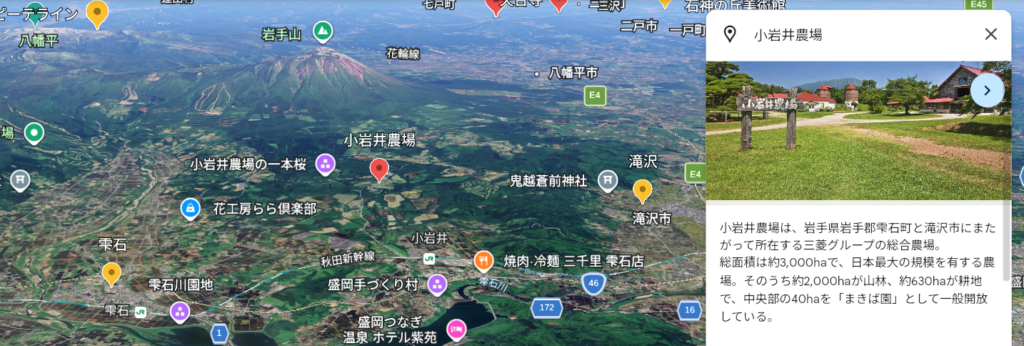
岩手県の食文化を語る上で欠かせないのが、大地と共生してきた畜産の歴史です。遠野のジンギスカンに代表される羊文化、そして雫石町・小岩井農場が切り拓いた近代酪農の系譜。これらは単なる観光名所やご当地グルメではなく、明治期から続く日本の近代化の縮図とも言える物語です。岩手の豊かな大地がどのようにして食の産業へと昇華されたのか、その歴史の点と線を紐解いていきましょう。

To discuss the food culture of Iwate Prefecture, one cannot overlook the history of livestock farming, which has long existed in harmony with the land. From the sheep culture exemplified by Tono’s Genghis Khan to the lineage of modern dairy farming pioneered at Koiwai Farm in Shizukuishi, these are not merely tourist spots or local delicacies. They are stories that serve as a microcosm of Japan’s modernization since the Meiji era. Let us unravel the history of how Iwate’s rich land was transformed into a thriving industry, connecting the dots of its past.

遠野の羊文化とジンギスカンの歴史
The Sheep Culture of Tono and the History of Genghis Khan

遠野市で親しまれる「遠野ジンギスカン」は、単なる名物料理ではありません。それは、大正から昭和初期にかけて国策として進められた「綿羊(羊)飼育」の歴史の名残です。当時、日本は毛織物の原料となる羊毛の自給を目指し、岩手の冷涼な気候が羊の飼育に適しているとして、遠野は一大産地となりました。やがて羊毛だけでなく、その肉を食べる習慣が地元に根付き、独特のタレと柔らかいラム肉を味わう「遠野ジンギスカン」という食文化が完成しました。遠野のジンギスカンを味わうことは、かつて日本の産業を支えようとした人々の情熱を追体験することに他なりません。

Tono Genghis Khan: A Flavorful Legacy of Industry and Passion

“Tono Genghis Khan,” a beloved dish in Tono City, is far more than just a local specialty. It is a flavorful legacy of Japan’s national history, tracing back to the sheep farming initiatives of the Taisho and early Showa eras.

During that period, Japan sought to achieve self-sufficiency in wool production, and Tono’s cool climate proved ideal for sheep, transforming the region into a major hub for the industry. Over time, the custom of eating the meat—not just harvesting the wool—became deeply rooted in the community. This gave rise to the unique culinary culture of “Tono Genghis Khan,” celebrated for its signature sauce and tender lamb. To savor this dish is to experience the enduring passion of the people who once strove to build Japan’s industrial foundation.

岩手の春は「餅」で祝う—一関・平泉の食文化を巡る旅 / Celebrating Spring in Iwate with

4月初旬、岩手県南部の景色は、冬の名残である雪解け水が北上川を潤し、桜のつぼみが春の訪れを今か今かと待ちわびる、希望に満ちた季節です。この新生活の始まりを告げる時期に、岩手でぜひ体験していただきたいのが、一関・平泉エリアに深く根付く「餅食文化」です。単なる軽食ではなく、この地では餅は「おもてなし」の最高峰として、歴史と共に大切に受け継がれてきました。

Celebrating Spring in Iwate with Mochi: A Journey into the Food Culture of Ichinoseki and Hiraizumi

In early April, the landscape of southern Iwate is filled with hope. The snowmelt feeds the Kitakami River, and cherry buds wait in anticipation of the coming spring. As the season of new beginnings unfolds, we invite you to experience the deep-rooted “mochi culture” of the Ichinoseki and Hiraizumi areas. Far from being just a light snack, mochi is treated as the pinnacle of hospitality (omotenashi) in this region—a tradition that has been cherished and passed down through centuries of history. To taste mochi here is to partake in the warmth and spirit of the people who have lived in harmony with this fertile land.