岩手の空と大地を繋ぐ:八幡平ドラゴンアイと宮沢賢治の宇宙 / Connecting Iwate’s Earth and Sky: The Hachimantai Dragon Eye and the Universe of Kenji Miyazawa

宮沢賢治の「よだか」が夢見た空と、地上の鏡

宮沢賢治の童話『よだかの星』において、醜いと蔑まれたよだかは、誰にも愛されない絶望の果てに、自らを燃やして星へと昇華しました。あの物語が描いたのは、峻烈な孤独と、その先にある永遠の光です。岩手県八幡平の山頂付近に、春のわずかな期間だけ姿を現す「ドラゴンアイ(鏡沼)」は、まさに賢治が空に求めた輝きを地上に映し出したかのような神秘を湛えています。この雪解けの現象は、単なる観光資源ではありません。冬の深い眠りから覚め、再び生命が循環を始める地球の「脈動」を観測する、一つの儀式なのです。

The Sky Dreamed by Kenji Miyazawa’s “Nighthawk” and the Mirror on Earth

In Kenji Miyazawa’s fable “The Nighthawk Star,” the bird, despised for its ugliness, reaches the depths of despair before burning itself into a star. That story depicts a harrowing solitude and the eternal light that lies beyond it. The “Dragon Eye” (Kagami-numa) in the Hachimantai mountains, appearing for only a brief moment in spring, seems to reflect that very celestial radiance upon the earth. This phenomenon of melting snow is more than a tourist attraction; it is a ritual—an observation of the Earth’s “pulse” as it awakens from its deep winter slumber and prepares for the cycle of life to begin anew.

ドラゴンアイ:雪が描く幾何学的な「眼」の謎

八幡平山頂の鏡沼で発生する「ドラゴンアイ」は、雪解けの進み具合によって、中心部に雪が残り、周囲が水に囲まれることで、まるで巨大な龍の眼のように見える現象です。なぜ、この場所でこれほどまでに美しい同心円状の模様が描かれるのでしょうか。それは、地形、積雪量、そして春の風が織りなす複雑なパズルのような重なり合いによるものです。雪が溶ける際のわずかな水流と、凍結と融解を繰り返す地熱のバランスが、この「眼」を形作ります。人間が到達できない高みから俯瞰すれば、それは自然という名の巨大な彫刻家が、一瞬だけ見せる傑作のように感じられるはずです。

The Dragon Eye: The Mystery of the Geometric “Eye” Drawn by Snow

The “Dragon Eye” at Kagami-numa is a phenomenon where the snow melts in such a way that it leaves a center of white surrounded by water, resembling the eye of a colossal dragon. Why does such a perfect, concentric pattern appear here? It is the result of a complex puzzle woven from topography, snow depth, and the spring winds. The balance between the slight currents of melting snow and the geothermal heat that fluctuates through cycles of freezing and thawing shapes this “eye.” If one were to gaze down from a height unattainable by humans, it would feel like a masterpiece revealed for but a fleeting moment by the colossal sculptor we call Nature.

湿原という名のタイムカプセル

ドラゴンアイが消えゆく頃、八幡平の湿原には高山植物が短い夏を謳歌します。ワタスゲが風に揺れ、チングルマが群生するこの湿原は、厳しい冬を耐え抜いた生命の「再生の記憶」を内包しています。賢治が岩手の自然に求めたのは、単なる風景の美しさではなく、死と再生、そして宇宙的な循環の摂理でした。八幡平の雪解けを眺めることは、私たち自身の内なる時間を見つめ直す行為でもあります。雪が水へと変わり、それが湿原を潤し、新たな命を育む。この壮大な循環のパズルを解き明かすたび、私たちは、岩手が持つ「静かな強さ」の本質に、また一歩近づくことができるのです。

The Wetland as a Time Capsule

As the Dragon Eye fades, the wetlands of Hachimantai burst into life as alpine plants celebrate their short summer. Here, with cotton sedge swaying in the wind and clusters of Aleutian avens blooming, the wetlands contain the “memory of rebirth” for all life that endured the harsh winter. What Miyazawa sought in the nature of Iwate was not merely visual beauty, but the principles of death, rebirth, and cosmic circulation. Watching the snow melt in Hachimantai is an act of re-examining our own inner time. Snow turns to water, which moistens the wetlands and nurtures new life. Each time we solve a piece of this magnificent puzzle of circulation, we move one step closer to understanding the essence of the “quiet strength” that Iwate possesses—a resilience that does not boast, but endures and flourishes in harmony with the eternal rhythm of the earth.

鉛温泉の静寂と釜石の火焔:岩手近代化の深淵を辿る旅 / Silence of Namari Onsen and the Flames of Kamaishi: A Journey into the Depths of Iwate’s Modernization

岩手県の歴史を紐解くと、そこには「山」と「水」が織りなす壮大な物語が見えてきます。北上山地が育んだ豊かな資源は、古くは人々の癒やしの場となり、やがては日本の近代化を支える熱源となりました。本稿では、鉛温泉の深い立ち湯に身を沈め、静寂の中で自らと向き合ったのち、釜石・橋野鉄鉱山の轟音と火焔の歴史へと視線を移す、岩手の「静と動」を辿る旅路をご案内します。

When tracing the history of Iwate, one discovers a magnificent narrative woven by its mountains and waters. The abundant resources nurtured by the Kitakami Mountains served as a sanctuary for healing in ancient times, and eventually became the heat source that supported Japan’s modernization. In this article, we guide you on a journey of “stillness and motion,” starting with a moment of self-reflection in the deep standing baths of Namari Onsen, before shifting our gaze to the roaring history of flames at the Hashino Iron Mine in Kamaishi. This is a journey to uncover the profound depths of Iwate’s evolution.

遠野物語』からイーハトーブへ:岩手が紡ぐ幻想と現実の境界線

岩手県は、単なる地理的な場所ではありません。そこは、日本の深層心理に根ざした「物語」が息づく場所です。遠野の山々が囁く古の伝承と、花巻の空に宮沢賢治が描いた理想郷。この二つの視点は、岩手の精神的なランドスケープを理解するための「点と線」となります。本稿では、民俗学の聖地・遠野と、詩人の理想郷・花巻を巡り、岩手が持つ独特の物語宇宙を紐解きます。

From “The Tales of Tono” to Ihatov: The Boundary Between Fantasy and Reality Woven by Iwate

Iwate Prefecture is more than just a geographical location; it is a place where “narratives” rooted in the deep psyche of Japan breathe and thrive. From the ancient folklore whispered by the mountains of Tono to the utopia of “Ihatov” envisioned by Kenji Miyazawa in the skies of Hanamaki—these two perspectives act as the “dots and lines” that define Iwate’s spiritual landscape. In this article, we journey through Tono, the sacred land of folklore, and Hanamaki, the poet’s ideal world, to unravel the unique narrative universe that Iwate holds.

岩手の魂を継ぐ:早池峰の静寂から大槌の躍動へ / Inheriting the Soul of Iwate: From the Silence of Hayachine to the Dynamism of Otsuchi

p>岩手県は、雄大な山岳と荒々しい三陸の海が織りなす、深いコントラストを持つ土地です。この険しくも豊かな自然の中で、古より人々は祈りを捧げ、踊り、命を繋いできました。今回は、岩手の精神性を象徴する二つの芸能、「早池峰神楽」と「大槌虎舞」に焦点を当てます。静寂の山から響く神の足音と、荒波を越える虎の跳躍。この対照的な二つの芸能を知ることは、岩手の歴史という巨大なパズルのピースを埋める作業に他なりません。

Title: Inheriting the Soul of Iwate: From the Silence of Hayachine to the Dynamism of Otsuchi

Iwate Prefecture is a land defined by the dramatic contrast between its towering mountains and the rugged Sanriku coastline. Amidst this harsh yet bountiful nature, people have prayed, danced, and preserved their lives since ancient times.

In this article, we focus on two performing arts that symbolize the spirit of Iwate: “Hayachine Kagura” and “Otsuchi Toramai” (Tiger Dance). From the footsteps of gods echoing through silent mountains to the leaps of tigers braving the rough waves—understanding these two contrasting arts is nothing less than filling in the missing pieces of the grand puzzle of Iwate’s history.

岩手の食の源流を巡る:遠野の羊と小岩井農場の開拓精神 / Tracing the Origins of Iwate’s Cuisine: Tono’s Sheep and the Pioneering Spirit of Koiwai Farm

From the sheep-rearing history of Tono to the pioneering dairy legacy of Koiwai Farm

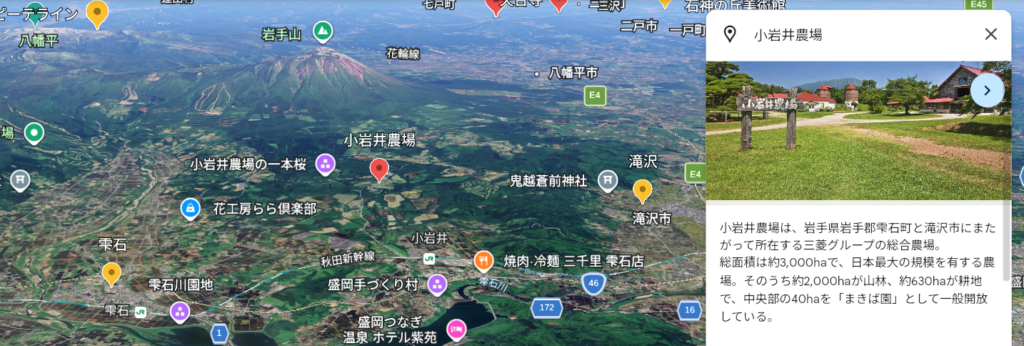
岩手県の食文化を語る上で欠かせないのが、大地と共生してきた畜産の歴史です。遠野のジンギスカンに代表される羊文化、そして雫石町・小岩井農場が切り拓いた近代酪農の系譜。これらは単なる観光名所やご当地グルメではなく、明治期から続く日本の近代化の縮図とも言える物語です。岩手の豊かな大地がどのようにして食の産業へと昇華されたのか、その歴史の点と線を紐解いていきましょう。

To discuss the food culture of Iwate Prefecture, one cannot overlook the history of livestock farming, which has long existed in harmony with the land. From the sheep culture exemplified by Tono’s Genghis Khan to the lineage of modern dairy farming pioneered at Koiwai Farm in Shizukuishi, these are not merely tourist spots or local delicacies. They are stories that serve as a microcosm of Japan’s modernization since the Meiji era. Let us unravel the history of how Iwate’s rich land was transformed into a thriving industry, connecting the dots of its past.

遠野の羊文化とジンギスカンの歴史
The Sheep Culture of Tono and the History of Genghis Khan

遠野市で親しまれる「遠野ジンギスカン」は、単なる名物料理ではありません。それは、大正から昭和初期にかけて国策として進められた「綿羊(羊)飼育」の歴史の名残です。当時、日本は毛織物の原料となる羊毛の自給を目指し、岩手の冷涼な気候が羊の飼育に適しているとして、遠野は一大産地となりました。やがて羊毛だけでなく、その肉を食べる習慣が地元に根付き、独特のタレと柔らかいラム肉を味わう「遠野ジンギスカン」という食文化が完成しました。遠野のジンギスカンを味わうことは、かつて日本の産業を支えようとした人々の情熱を追体験することに他なりません。

Tono Genghis Khan: A Flavorful Legacy of Industry and Passion

“Tono Genghis Khan,” a beloved dish in Tono City, is far more than just a local specialty. It is a flavorful legacy of Japan’s national history, tracing back to the sheep farming initiatives of the Taisho and early Showa eras.

During that period, Japan sought to achieve self-sufficiency in wool production, and Tono’s cool climate proved ideal for sheep, transforming the region into a major hub for the industry. Over time, the custom of eating the meat—not just harvesting the wool—became deeply rooted in the community. This gave rise to the unique culinary culture of “Tono Genghis Khan,” celebrated for its signature sauce and tender lamb. To savor this dish is to experience the enduring passion of the people who once strove to build Japan’s industrial foundation.

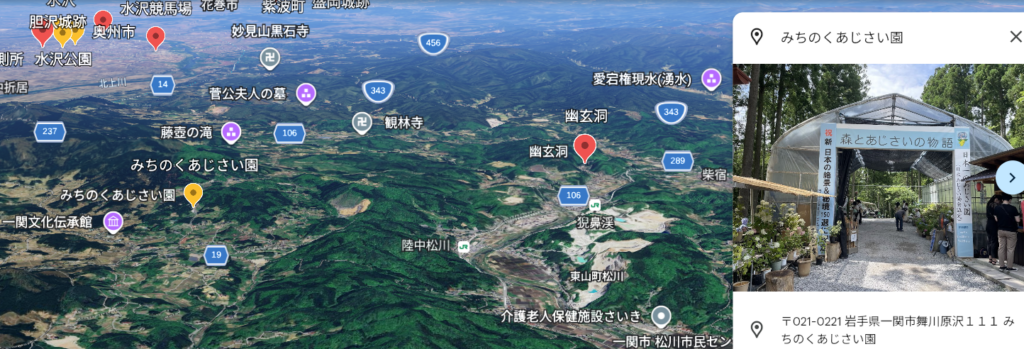
春の息吹から夏の彩りへ:みちのくあじさい園への招待状 / From the Breath of Spring to Summer Hues: An Invitation to Michinoku Hydrangea Garden

岩手県は今、長く厳しい冬を終え、柔らかな春の陽気に包まれています。雪解け水が大地を潤し、桜のつぼみが膨らみ始めるこの時期は、まさに新生活の始まりを告げる季節です。そんな心躍る春の今だからこそ、少し先を見据えて、夏に訪れるべき絶景スポット「みちのくあじさい園」の計画を立ててみませんか?

Iwate Prefecture is currently wrapped in the soft warmth of spring, having just concluded a long and harsh winter. As snowmelt waters the earth and cherry blossom buds begin to swell, this is the season that signals the start of new beginnings. Precisely because of this exciting spring atmosphere, why not look a little further ahead and plan a trip to the breathtaking