浄法寺塗と鬼の手形:漆の雫に宿る岩手の魂 / Joboji-nuri and the Demon’s Handprint: The Soul of Iwate in a Drop of Lacquer

岩手の語源と漆の深淵

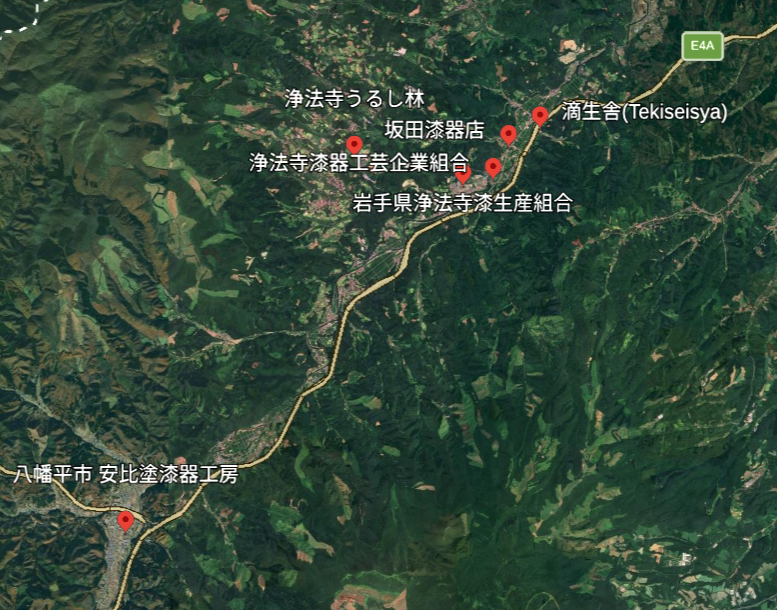
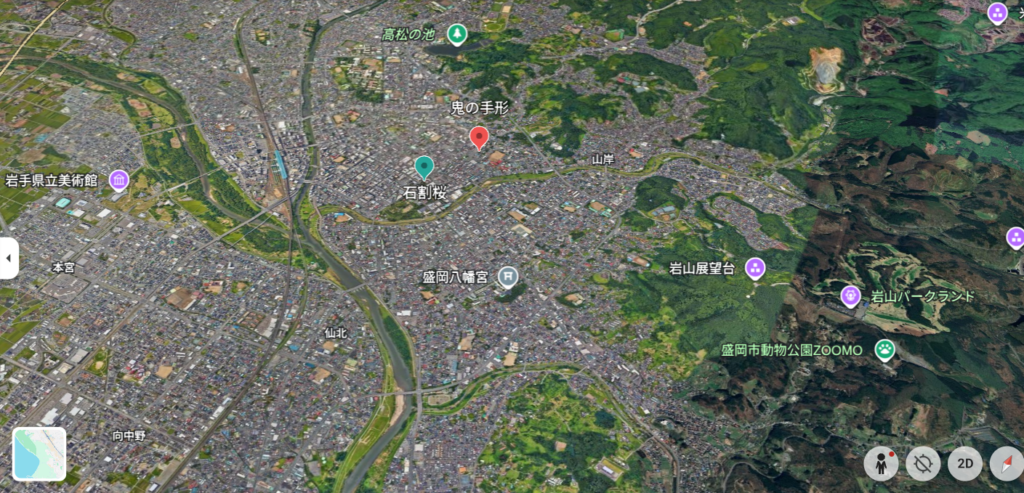
岩手という地名の由来とされる、盛岡・三ツ石神社の「鬼の手形」。伝説によれば、この土地で悪さをした鬼が、二度と戻らないという誓いを石に刻んだとされています。この異界と人間界が交差した物語は、岩手の精神的な基層を成しています。しかし、岩手の物語は伝説だけではありません。北の二戸市には、鬼の荒々しい力とは対極にある、静謐で深遠な「漆」の文化が根付いています。それが、日本一の国産漆の産地として知られる「浄法寺塗」です。

The Etymology of Iwate and the Abyss of Urushi

The legend of the “Demon’s Handprint” at Mitsuishi Shrine in Morioka is said to be the origin of the name “Iwate.” According to folklore, a demon that wreaked havoc on this land carved a handprint into stone, swearing never to return. This story of the intersection between the supernatural and the human world forms the spiritual bedrock of Iwate. However, the story of Iwate is not limited to legends. In the northern city of Ninohe, there exists a culture of “Urushi” (lacquer) that is as profound as it is tranquil, standing in stark contrast to the demon’s raw power. This is “Joboji-nuri,” a craft from the nation’s premier producer of domestic lacquer.

漆掻き職人の手:自然との対話

浄法寺の森で、漆掻き職人は慎重に木肌を傷つけます。漆の木から滴り落ちる一滴の漆は、まさに木の命そのもの。職人は「漆を採る」のではなく、「木から分けていただく」という謙虚な姿勢で対話を行います。鬼の手形が「拒絶と契約」の印であるならば、漆掻き職人の手は「共生と感謝」の証です。過酷な冬を越え、季節の巡りの中で育まれた漆は、浄法寺塗の深みのある艶の源泉となります。

The Hands of the Urushi-kaki: A Dialogue with Nature

In the forests of Joboji, the *urushi-kaki* (lacquer tapper) carefully incises the bark of the tree. Each drop of lacquer that drips from the tree is truly the life force of the tree itself. The craftsman does not simply “take” the lacquer; he engages in a dialogue with a humble attitude, as if “receiving a share” from the tree. If the demon’s handprint is a mark of “rejection and a contract,” the hands of the lacquer tapper are a testament to “coexistence and gratitude.” Nurtured through the harsh winters and the turning of the seasons, this lacquer becomes the source of the profound luster found in Joboji-nuri.

時を超える「用の美」

浄法寺塗は、華美な装飾を競うものではありません。日々の暮らしの中で使い込むほどに、持ち主の人生を吸い込み、より美しく艶を増していきます。三ツ石神社の伝説が千年の時を超えて語り継がれるように、浄法寺塗の器もまた、世代を超えて受け継がれる「時間」の容器なのです。岩手の地で職人の手によって生み出された漆器は、単なる道具ではなく、歴史と自然が織りなす「生きた工芸」として、現代を生きる私たちの暮らしに静かに寄り添っています。

The “Beauty of Utility” Transcending Time

Joboji-nuri does not compete through ostentatious decoration. As it is used in daily life, it absorbs the life of its owner, becoming more beautiful and lustrous with time. Just as the legend of Mitsuishi Shrine has been passed down for a millennium, Joboji lacquerware is a vessel of “time,” inherited across generations. Born from the hands of craftsmen in Iwate, these lacquerwares are not merely tools; they are “living crafts” woven from history and nature, quietly accompanying our modern lives.

📍 アクセス / Access

二戸市浄法寺町へのアクセス:JR東北新幹線「二戸駅」下車後、バスにて約40分。/ Access to Joboji-cho, Ninohe City: Approx. 40 minutes by bus from JR Tohoku Shinkansen

カテゴリー: 【県北 Northern Iwate】
タグ: 浄法寺塗, 漆, 鬼の手形, 伝統工芸, 三ツ石神社
アクセスポイント(座標): 40.2039, 141.1331
鬼剣舞:蝦夷の記憶と荒ぶる魂の鎮魂 / Onikenbai: The Requiem of Ezo and the Wild Spirits

岩手の地層に刻まれた「鬼」という名の記憶

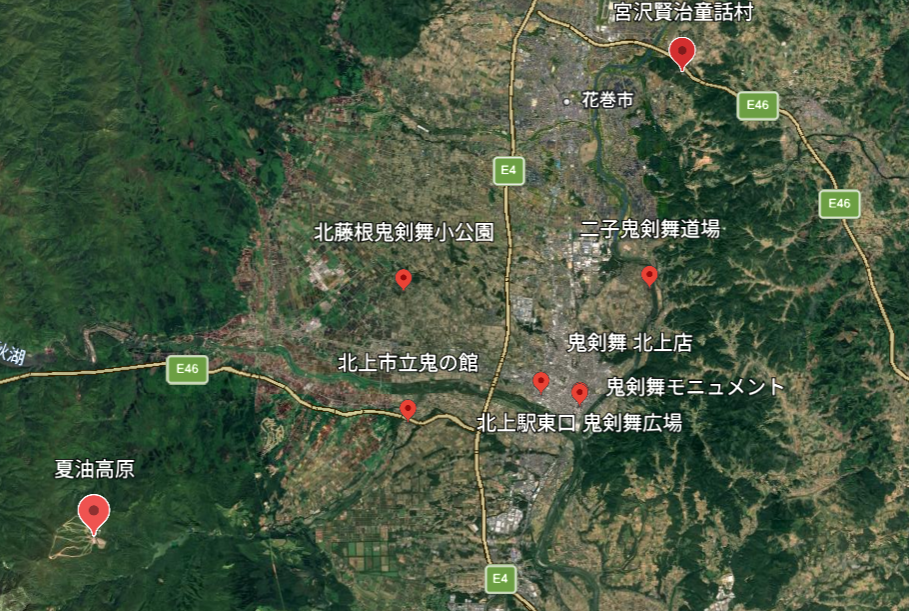
岩手県には古くから「鬼」にまつわる伝承が数多く残されています。盛岡の不来方(こずかた)城にある鬼の手形伝説は、悪鬼を退治し、その誓いを刻ませたという「征服」の物語として広く知られています。しかし、北上市に伝わる重要無形民俗文化財「鬼剣舞(おにけんばい)」は、その対極にある視点を私たちに突きつけます。ここでは鬼は退治される対象ではなく、鎮魂と崇拝の対象として、荒ぶる舞の中に息づいているのです。

The Memory of “Oni” Engraved in the Strata of Iwate

Iwate Prefecture has long been home to numerous legends surrounding the “Oni” (demons). The legend of the demon’s handprint at Kozukata Castle in Morioka is widely known as a story of “conquest,” where a demon was defeated and forced to leave its mark as a vow. However, the “Onikenbai” (Demon Sword Dance) of Kitakami City, a designated Important Intangible Folk Cultural Property, presents a perspective at the opposite end of the spectrum. Here, the Oni are not objects to be defeated, but subjects of requiem and reverence, living on within a wild, powerful dance.

蝦夷の誇りと神聖なる仮面

鬼剣舞の起源は、かつてこの地で朝廷軍と対峙した先住民「蝦夷(えみし)」の魂を弔うための念仏踊りにあると言われています。踊り手が装着する恐ろしげな仮面は、実は仏の化身を意味し、怒りの表情の裏には、非業の死を遂げた者たちへの深い哀悼が込められています。彼らが激しく剣を振りかざし、地面を力強く踏みしめる「跳躍」の所作は、単なるパフォーマンスではありません。それは、大地に眠る魂を揺り起こし、鎮め、そして彼らの誇りを現代へと繋ぎ止めるための、神聖な儀式なのです。

The Pride of Ezo and the Sacred Masks

The origins of Onikenbai are said to lie in the “Nembutsu Odori” (Buddhist prayer dance) intended to appease the spirits of the “Emishi,” the indigenous people who once confronted the Imperial court in this region. The fearsome masks worn by the dancers actually represent manifestations of Buddha; behind the expressions of rage lies a profound mourning for those who met untimely deaths. The “leaping” movements, where dancers brandish swords and stomp powerfully on the ground, are not merely a performance. It is a sacred ritual designed to awaken and soothe the spirits sleeping in the earth, anchoring their pride in the modern world.

「退治」から「共生」へ:歴史のパズルを埋める

不来方(こずかた)の伝説が「鬼を排除する」ことで秩序を守ろうとしたのに対し、鬼剣舞(おにけんばい)は「鬼を神として受け入れる」ことで調和を図ろうとしました。この二つの物語の対比は、北東北における歴史の複雑さを象徴しています。鬼剣舞の荒々しくも美しい舞を見ることは、単なる観光体験ではありません。それは、私たちが歴史の教科書では読み解けない、岩手の地底に眠る「敗者」たちの物語に耳を傾け、その魂と対話する知的な旅なのです。

歴史という時の大河が、表層の記憶を「侵食」し、勝者にとって都合の良い物語だけを地表に削り残してきたのだとすれば、鬼剣舞の力強い足踏みは、その足元に幾重にも「堆積」してきた名もなき者たちの祈りを大地から呼び覚ます行為と言えます。かがり火の中で乱舞する面(おもて)の奥に、かつてこの地を深く愛した蝦夷(えみし)たちの熱い息遣いを感じるとき、私たちは一つの真理にたどり着くでしょう。鬼とは、排除すべき恐ろしい他者ではなく、厳しい風土の中で自然の畏れと恵みを抱きしめ、共に生きた私たちの祖先の姿そのものなのだと。

■ English Version

From “Extermination” to “Coexistence”: Filling the Puzzle of History

While the Kozukata legend sought to maintain order by “excluding the Oni,” Onikenbai seeks harmony by “accepting the Oni as deities.” The contrast between these two narratives symbolizes the complexity of history in the Northern Tohoku region. Watching the wild yet beautiful dance of Onikenbai is not merely a sightseeing experience. It is an intellectual journey where we listen to the stories of the “defeated” sleeping deep beneath the earth of Iwate, conversing with their forgotten souls.

If the great river of time has “eroded” the surface memories, carving out and leaving behind only the convenient tales of the victors, then the powerful stomping of the Onikenbai is a profound act of awakening the prayers of the nameless that have “accumulated” layer upon layer beneath our feet. As we sense the fiery breath of the Emishi—who once deeply loved this land—behind the masks dancing wildly in the light of the bonfires, we arrive at a quiet truth. The Oni are not terrifying others to be eliminated; they are the very reflection of our ancestors, who embraced both the awe and the blessings of nature, living in enduring harmony with this harsh yet magnificent climate.


■ WordPress設定データ

カテゴリー: 県南 Southern Iwate
タグ: 鬼剣舞, 蝦夷(えみし), 不来方の伝説, 民俗芸能, 歴史の堆積と侵食
アクセスポイント(座標): 39.2811, 141.0428
(※鬼剣舞の歴史と文化を伝える北上市「鬼の館」付近の座標)

遠野の伝承と龍泉洞の深淵:岩手が織りなす異界と地球の記憶 / Tales of Tono and the Abyss of Ryusendo: Iwate’s Tapestry of Folklore and Earth’s Memory

遠野の情景:カッパ伝説が語る人と自然の境界線

岩手県遠野市を訪れると、そこには近代化の喧騒を忘れさせる静寂が広がっています。この地を象徴する「カッパ淵」は、柳田國男の『遠野物語』の舞台として知られ、かつて日本人が抱いていた自然への畏敬と、異界に対する想像力を今に伝える聖域です。カッパという存在は、単なる民話のキャラクターではありません。それは、制御不能な自然の力や、川の深淵に潜む未知の脅威を擬人化したものであり、古の人々が水辺という境界線に対してどれほど謙虚であったかを物語っています。清らかな小川のせせらぎを聞きながら木陰を歩けば、現代の私たちは忘れていた「自然との対話」を再発見することでしょう。遠野は、民俗学的な知的好奇心を刺激するだけでなく、目に見えないものに心を寄せるという、日本人の精神性の原風景を今なお色濃く残しているのです。

The Scenery of Tono: The Boundary Between Humanity and Nature in Kappa Folklore

Visiting Tono City in Iwate Prefecture reveals a tranquility that makes one forget the hustle and bustle of modernization. The “Kappa-buchi” (Kappa Pool), symbolic of this region, is famous as the setting for Kunio Yanagita’s “The Legends of Tono.” It serves as a sanctuary that conveys the reverence for nature and the imagination for the supernatural that the Japanese people once held. The creature known as the “Kappa” is not merely a character from fairy tales; it is a personification of uncontrollable natural forces and the unknown threats lurking in the depths of rivers. It tells us just how humble our ancestors were toward the boundary of the waterfront. As we walk through the shade, listening to the murmurs of the crystal-clear stream, we rediscover the “dialogue with nature” that we modern people have long forgotten. Tono not only stimulates folkloric curiosity but also retains the original landscape of the Japanese spirit—the practice of keeping one’s heart open to the unseen.

龍泉洞の神秘:数億年の時を湛える「ドラゴンブルー」の深淵

遠野の地上の物語から一転、岩泉町の龍泉洞へと足を踏み入れると、そこには地球の深層が作り上げた圧倒的な静寂が待っています。日本三大鍾乳洞の一つであるこの洞窟は、数億年という途方もない時間をかけて、地下水脈が石灰岩を浸食し、芸術的な造形を創り上げてきました。特に、地底湖の湖水が放つ「ドラゴンブルー」と呼ばれる透明度の高い青色は、見る者の魂を揺さぶるほどの美しさを湛えています。この水は、太古から続く岩盤の隙間をくぐり抜け、清冽な冷たさを保ったまま、地球の呼吸そのものとして存在し続けているのです。暗闇の中で輝くその青は、人類の歴史など一瞬に過ぎないことを教えるかのように、悠久の時の流れを静かに物語っています。龍泉洞は、単なる観光地ではなく、地球という惑星が持つ「水の循環」と「時間の重なり」を体感できる、科学と神秘が交差する哲学的な空間なのです。

水という柔らかき刃による「侵食」が穿つ虚空と、微かな水滴が数万年の歳月をかけて石の柱を育む「堆積」の結実。これら相反する二つの力が、暗黒の地底で永遠のせめぎ合いを演じています。削り取られる喪失と、降り積もる生成。その果てしない対話の結晶こそが、眼前に広がる圧倒的な造形美に他なりません。ドラゴンブルーの深淵を覗き込むとき、私たちは透き通る冷気の中に岩手の大地が刻む静かな鼓動を聴くでしょう。無数の水滴が奏でる地底の調べは、終わりのない星の営みを讃え続けています。やがて洞窟を抜け、再び地上の眩い光と森の風を浴びたとき、私たちは日常という瞬きの中で、自らもまたこの壮大な宇宙の理(ことわり)の一部であることを深く悟るのです。

■ English Version

Turning from the terrestrial tales of Tono and stepping into Ryusendo Cave in Iwaizumi Town, one is met with an overwhelming silence crafted by the depths of the Earth. As one of Japan’s three great limestone caves, it has been sculpted over hundreds of millions of years, as underground water channels eroded the rock to create artistic formations. In particular, the deep, high-transparency blue of the subterranean lakes, known as “Dragon Blue,” possesses a beauty that stirs the soul of the beholder. This water, having passed through the crevices of ancient bedrock, retains its crystal-cold purity and continues to exist as the very breath of the Earth. That blue, shining in the darkness, quietly tells the story of the flow of eternal time, as if teaching us that human history is but a fleeting moment. Ryusendo is not merely a tourist destination; it is a philosophical space where science and mystery intersect, allowing visitors to experience the “circulation of water” and the overlapping of time inherent to our planet.

Here, the “erosion” hollowed out by the soft blade of water and the “accumulation” of calcium from single droplets nurturing stone pillars over tens of thousands of years engage in an eternal struggle within the subterranean abyss. The loss through carving and the genesis through settling—the crystallization of this endless dialogue is nothing other than the overwhelming architectural beauty spread before our eyes. Peering into the profound depths of Dragon Blue, we hear the quiet pulsation of the Iwate earth amidst the crystalline chill. The subterranean melody, played by countless water droplets, continues to praise the endless deeds of the planet. Eventually, emerging from the cave and once again bathing in the dazzling terrestrial light and the wind of the forest, we deeply realize within the fleeting moment of daily life that we, too, are a part of this magnificent cosmic providence.


■ WordPress設定データ

カテゴリー: 沿岸 Coastal Iwate
タグ: 龍泉洞, ドラゴンブルー, 堆積と侵食, 地底湖, 岩泉町
アクセスポイント(座標): 39.8596, 141.7978

平泉に響く絆の物語:義経と弁慶の足跡を辿る春の旅 / The Legend Echoing in Hiraizumi: A Spring Journey Tracing Yoshitsune and Benkei

4月初旬、岩手県の平泉は、冬の長い眠りから覚め、柔らかな春の光に包まれています。北上川の雪解け水がせせらぎ、桜のつぼみも今か今かと開花を待つこの時期は、新しい生活の始まりを予感させる清々しい季節です。この美しい春の風景の中で、私たちは時を超え、悲劇の英雄・源義経と、彼を支え抜いた武蔵坊弁慶の伝説に想いを馳せます。

In early April, Hiraizumi in Iwate Prefecture awakens from its long winter slumber, bathed in soft spring light. As the snow melts into the Kitakami River and cherry buds prepare to bloom, the air is filled with the fresh promise of new beginnings. Amidst this beautiful spring scenery, we find ourselves reflecting on the timeless legend of the tragic hero, Minamoto no Yoshitsune, and his loyal companion, Musashibo Benkei.

義経と弁慶の終焉の地 / The Final Days of Yoshitsune and Benkei

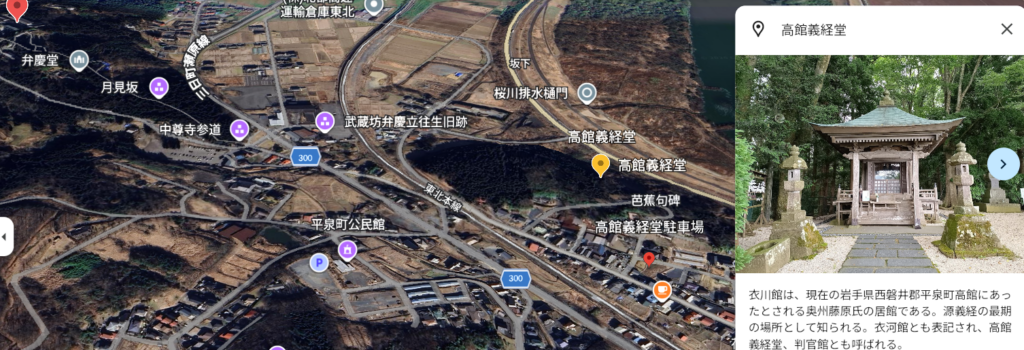
平泉には、義経が最期の時を迎えた「高館義経堂(たかだちぎけいどう)」があります。ここから望む北上川の景色は、当時と変わらぬ静寂を保っています。弁慶が主君を守るために仁王立ちで戦い抜いたという伝説は、今もなお日本人の心を打ちます。春の風が吹き抜けるこの丘に立つと、彼らの揺るぎない絆と、歴史の重みを肌で感じることができるでしょう。

The Final Days of Yoshitsune and Benkei: Tracing the Footsteps of Heroes at Takadachi Gikeido

In Hiraizumi stands Takadachi Gikeido, the poignant site where Minamoto no Yoshitsune, the legendary tragic hero, met his end. The view of the Kitakami River from this hill remains as serene and timeless as it was centuries ago. The legend of Benkei, who fought to the last breath standing firm to protect his master, still deeply resonates with the Japanese heart. Standing on this hill where the spring breeze sweeps through, you can truly feel the weight of history and the unwavering bond of loyalty that defines this sacred ground.