境界の消失点—北上山地の古層が育んだ畏れと恩寵
早朝の遠野盆地を見下ろす高台に立つと、白濁した霧が海のようにうねり、やがてその中から濃緑の山々が島のように浮かび上がってくる。岩手県の中南部に位置するこの土地を囲む北上山地は、日本列島が現在の形を成すはるか以前、古生代から中生代にかけて形成された日本最古の地層を抱いている。アルプスのような人を寄せ付けない鋭利な峰々ではない。何億年という気の遠くなるような風雨に削られた稜線はなだらかで、まるで巨大な獣の背中のように穏やかだ。しかし、その「穏やかさ」こそが罠である。なだらかであるがゆえに尾根と谷の境界が曖昧になり、人は知らず知らずのうちに深みへと絡め取られていく。柳田国男の名著『遠野物語』に記された数々の怪異は、単なる村人の迷信ではない。この古びた地質と閉鎖的な地形が生み出した、抗いがたい自然の引力に対する「平地人の戦慄」の記録である。
その最たるものが「山人(やまびと)」の存在だ。彼らは身の丈が高く、眼をらんらんと輝かせ、時に里の女をさらい、時に山中で猟師とすれ違う。山人は、ヤマト王権に追いやられた先住民(蝦夷)の末裔であるという歴史的推考も成り立とう。しかし、遠野の森を歩き、朽ちた倒木と湿った苔の匂いを嗅ぐとき、別の直感が働く。山人とは、人間の法則が一切通用しない「絶対的な野生」そのものの受肉である、と。彼らは悪意を持っているわけではない。ただ、自然界という圧倒的な他者としてそこに「在る」のだ。我々が彼らに抱く恐怖は、文明という薄皮一枚を剥がされた時に直面する、己の無力さへの根源的な恐怖に他ならない。
そして、この恐ろしい山が時折見せる甘美な幻影が「マヨイガ(迷い家)」である。山菜採りや道に迷った者が偶然たどり着く、黒々とした門構えの豪壮な屋敷。庭には牛馬が草を食み、竈には火が熾り、膳には朱塗りの椀が並んでいる。しかし、人の気配だけがすっぽりと抜け落ちている。この異界の家から什器を持ち帰れば、その者は一生富み栄えるという。だが、想像してみてほしい。無音の豪邸にただ一人佇み、他者の温もりだけが生々しく残る空間で膳を手に取る時の、背筋を這い上がるような薄気味悪さを。マヨイガの伝説は、豊穣の神である山からの恩恵(ギフト)であると同時に、「こちらの世界へおいで」という異界からの妖しくも恐ろしい誘惑である。欲に目が眩んだ者は、そのまま屋敷の住人として取り込まれてしまうのではないか—そんな余白が、この物語には残されている。
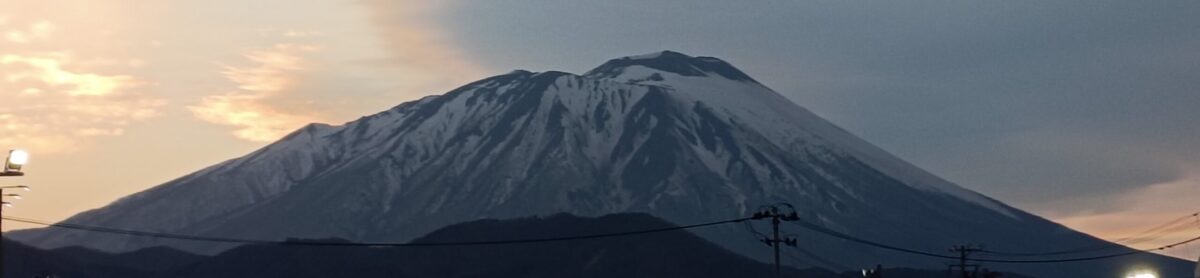
遠野を旅するということは、整備された観光地を巡ることではない。それは、夕暮れ時、逢魔が時に山際を染める茜色を見つめながら、自分の足元にある日常と非日常の境界線がふっと溶けて消える感覚を味わうことだ。山人たちの息遣いと、マヨイガの開け放たれた門は、今も北上山地の分厚い広葉樹林の奥底で、我々現代人が迷い込んでくるのを静かに待っている。
The Vanishing Point of Boundaries: Awe and Grace Nurtured by the Paleozoic Strata of the Kitakami Mountains
The Vanishing Point of Boundaries: Awe and Grace Nurtured by the Paleozoic Strata of the Kitakami Mountains
Standing on high ground overlooking the Tono Basin in the early morning, one witnesses a milk-white sea of fog undulating across the landscape, from which deep-green mountains eventually emerge like isolated islands. The Kitakami Mountains, which cradle this region in south-central Iwate Prefecture, harbor some of the oldest geological strata in the Japanese archipelago, dating back to the Paleozoic and Mesozoic eras—long before Japan took its current form. These are not the jagged, forbidding peaks of an alpine range. Their ridges, smoothed by hundreds of millions of years of wind and rain, are gentle, rolling like the slumbering backs of gargantuan beasts. Yet, this very “gentleness” is a snare. Because the slopes are so gradual, the boundaries between ridge and valley blur into an amorphous labyrinth, seamlessly entangling wanderers and drawing them into abyssal depths. The myriad bizarre tales recorded in Kunio Yanagita’s masterpiece, Tono Monogatari (The Legends of Tono), are not mere rustic superstitions; they are visceral records of the “shudder of the plainsfolk”—a primal terror provoked by the irresistible gravitational pull of nature, born of this ancient geology and enclosed topography.
The epitome of this dread manifests in the existence of the Yamabito (Mountain People). Described as unusually tall with eyes that gleam fiercely in the gloom, they occasionally abduct village women or silently cross paths with hunters deep in the woods. One could hypothesize historically that the Yamabito are the fading memories of indigenous tribes (such as the Emishi) driven into the mountains by the Yamato state. However, when you walk through the forests of Tono, breathing in the scent of rotting timber and damp moss, a different intuition takes hold: the Yamabito are the very incarnation of “absolute wilderness”—a realm where human laws hold absolutely no jurisdiction. They do not necessarily harbor malice; they simply exist as the overwhelming “Other” of the natural world. The terror we feel toward them is nothing less than the primordial dread of our own utter helplessness when the fragile veneer of civilization is peeled away.
Contrasting this terrifying wilderness is the sweet, tantalizing mirage occasionally conjured by the mountain: the legend of the Mayoiga (The Illusory House). A wanderer or a forager, having lost their way, suddenly stumbles upon a magnificent, imposing mansion with heavy black gates. In the courtyard, horses and cattle graze peacefully; a fire crackles in the hearth, and exquisite red-lacquered bowls are meticulously set on dining trays. Everything is prepared for a feast, yet the presence of human beings is entirely, unsettlingly absent. It is said that anyone who takes a utensil from this otherworldly home will be blessed with lifelong prosperity. But imagine the scene: standing utterly alone in a silent, opulent mansion, reaching for a bowl in a space where the lingering warmth of unseen inhabitants feels almost palpable. The sheer eeriness of that moment would send a shiver crawling up your spine. The legend of the Mayoiga is an allegory for the bounty bestowed by the mountain gods, but simultaneously, it is a seductively terrifying invitation from the Otherworld whispering, “Come, join us in this otherworld.” The legend leaves a chilling blank space: might not those blinded by avarice be subtly ensnared, absorbed as new residents into the mansion’s timeless embrace?
To journey through Tono is not merely to visit manicured tourist spots. It is to gaze upon the fiery scarlet that paints the mountain ridge at dusk, during Ōmagatoki—the time when demons emerge—and to feel the fleeting sensation of the boundary between the mundane and the extraordinary dissolve beneath your very feet. The breath of the Yamabito and the open gates of the Mayoiga still patiently await modern wanderers, deep within the ancient, dense broadleaf forests of the Kitakami Mountains. In that moment when boundaries blur, one might glimpse the abyss of awe etched into primordial strata, and simultaneously, the profound grace bestowed by the land. Tono remains a place where, with the faint glow of civilization at its back, it resonates eternally with the wild pulse that still lurks within.
■ WordPress設定データ
カテゴリー: 県南 Southern Iwate
タグ: 遠野物語, 山人, マヨイガ, 北上山地, 異界
アクセスポイント(座標): 39.3249, 141.5173