遠野のホップから紫波の酒造りへ:岩手が紡ぐ醸造文化の物語 / From Tono’s Hops to Shiwa’s Sake: The Narrative of Iwate’s Brewing Culture

遠野の風土が生むホップと、紫波が醸す日本酒の交差点


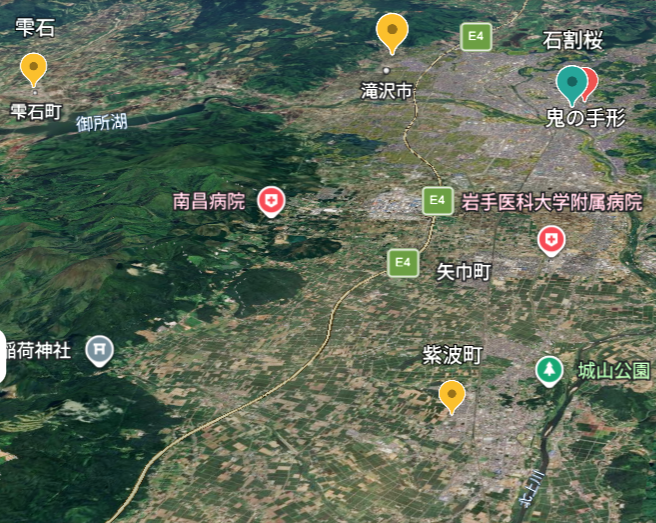
岩手県は、古くから「醸造の地」として知られています。その象徴の一つが、日本一のホップ生産量を誇る遠野市です。冷涼な気候と豊かな水が育むホップは、単なる農産物ではなく、地域の文化を形成する魂とも言えます。この「醸造する」という精神的な土壌は、遠野から車を走らせた先にある紫波町へと見事に受け継がれています。紫波町は、古くから南部杜氏の里として知られ、米の旨味を最大限に引き出す酒造りが息づく場所です。遠野のホップ畑で培われた「素材と向き合う姿勢」は、紫波の酒蔵において「米と水、そして微生物との対話」へと昇華されます。例えば、紫波の酒蔵では、地元の酒米「吟ぎんが」を用い、南部杜氏の伝統的な手技で醸される日本酒が、多くの愛好家を魅了しています。遠野のホップから紫波の日本酒へ。この醸造文化の連鎖こそが、岩手の食文化をより豊かで多層的なものにしているのです。ホップの苦味と日本酒の芳醇さ。一見異なる二つの文化ですが、その根底には「風土への深い敬意」という共通の哲学が流れています。


南部杜氏の矜持:歴史が育んだ酒造りの哲学と未来への継承


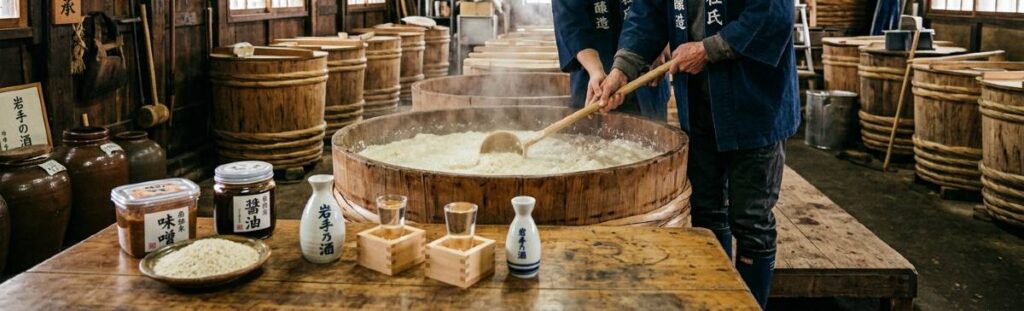
岩手の酒造りを語る上で欠かせないのが「南部杜氏」の存在です。日本三大杜氏の一つに数えられる彼らは、かつて雪深い冬の農閑期に全国各地の酒蔵へ出向き、その卓越した技術を広めました。彼らの酒造りは、単なる製造工程ではなく、自然の摂理に従う「哲学」そのものです。紫波町には、南部杜氏の技術を今に伝える酒蔵が点在し、歴史的な木造建築の中で伝統の火が絶やさず守られています。彼らが大切にしているのは、低温でじっくりと発酵させる「吟醸造り」の精神です。これは、急がず、妥協せず、時の流れを味方につけるという、岩手の冬の厳しさが教えた忍耐と知恵の結晶と言えます。近年では、伝統的な技術をベースにしつつも、若手の杜氏たちが新しい酵母や精米技術に挑戦し、次世代の味わいを追求しています。歴史という重厚な土台があるからこそ、革新的な一歩が踏み出せるのです。遠野のホップ畑から始まった醸造への情熱は、紫波の南部杜氏によって、日本酒という形で完成され、そして未来へと繋がっています。岩手の酒を味わうことは、この土地の歴史と、職人たちが紡いできた物語を追体験することに他なりません。


それは、幾星霜を経て深く降り積もった伝統という名の「堆積」と、米を極限まで磨き上げ、不要なものを削ぎ落としてゆく洗練という名の「侵食」が交差する芸術です。過去からの堆積を重厚な土台とし、若き杜氏たちが新たな挑戦で刻む侵食の痕跡。この二つの力がせめぎ合い、調和する先にこそ、岩手の醸造文化の真髄は宿ります。グラスに注がれた澄んだ一滴には、遠野の風土が育んだ大地の記憶と、紫波の雪が教えた静謐な祈りが溶け合っています。過去と未来、堆積と侵食が織りなすその芳醇な曼荼羅は、これからも私たちの心を深く震わせ、この地の物語を色鮮やかに描き出し続けることでしょう。


## ■ English Version

From Tono’s Hops to Shiwa’s Sake: The Intersection of Iwate’s Brewing Heritage


Iwate Prefecture has long been recognized as a sacred ground for brewing. One of its most prominent symbols is Tono City, which boasts the highest hop production in Japan. The hops, nurtured by a cool climate and pristine water, are more than just agricultural products; they are the very soul of the region’s culture. This spirit of “brewing” seamlessly transitions as you travel from Tono to the nearby town of Shiwa. Shiwa is renowned as the home of the Nanbu Toji (master sake brewers), where the art of bringing out the full potential of rice is deeply ingrained in the local life. The attitude of “engaging with raw materials” cultivated in Tono’s hop fields is sublimated into a “dialogue between rice, water, and microorganisms” within the sake breweries of Shiwa. For instance, local breweries in Shiwa craft exquisite sake using the regional rice variety “Ginginga,” employing the traditional manual techniques of the Nanbu Toji that captivate connoisseurs worldwide. From Tono’s hops to Shiwa’s sake, this chain of brewing culture enriches Iwate’s culinary scene, making it layered and profound. While the bitterness of hops and the mellow depth of sake may seem distinct, they share a common philosophy: a profound respect for the terroir.


The Pride of Nanbu Toji: A Philosophy of Brewing Forged by History and Passed to the Future


The history of sake brewing in Iwate cannot be told without the “Nanbu Toji.” Counted as one of the three great guilds of master brewers in Japan, they historically traveled across the country during the harsh, snowy winters to share their exceptional expertise with various breweries. Their approach to sake brewing is not merely a manufacturing process; it is a philosophy that follows the laws of nature. In Shiwa, breweries that carry on the legacy of the Nanbu Toji are scattered throughout the town, keeping the flame of tradition alive within historic wooden structures. They cherish the spirit of “Ginjo-zukuri,” a meticulous process of slow fermentation at low temperatures. This is the very crystallization of patience and wisdom taught by the severe Iwate winters—a commitment to never rush, never compromise, and to make time an ally. In recent years, while grounded in these traditional techniques, young Toji have been challenging themselves with new yeasts and rice-polishing methods to pursue the flavors of the next generation. It is precisely because of the profound foundation of history that such innovative steps can be taken. The passion for brewing, which sprouted in the hop fields of Tono, is brought to perfection in the form of sake by the Nanbu Toji of Shiwa, seamlessly connecting to the future. To taste the sake of Iwate is nothing less than to relive the history of this land and the stories woven by its artisans.


It is an art form where the “accumulation” of tradition, deeply layered over countless stars and frosts, intersects with the “erosion” of refinement—the meticulous polishing of rice to strip away the unessential. Built upon the profound accumulation of the past, the marks of erosion carved by young brewers through new challenges bring forth the true essence of Iwate’s brewing culture. In a single, clear drop poured into a glass, the memories of the earth nurtured by Tono’s terroir meld seamlessly with the silent prayers taught by Shiwa’s snow. The mellow mandala woven by past and future, accumulation and erosion, will undoubtedly continue to resonate deeply within our hearts, vividly illustrating the magnificent narrative of this land.


## ■ メタデータ

**カテゴリー**: 県央 Central Iwate

**タグ**: 南部杜氏, 日本酒, ホップ, 醸造文化, 遠野・紫波

紫波町の雪と杜氏の祈りが結晶する「液体工芸」 / The “Liquid Art” Crystallized by Shiwa’s Snow and the Prayers of Master Brewers

酵母の囁きと奥羽の雪解け水が織りなす沈黙のシンフォニー

冬の岩手、紫波(しわ)。雪がすべての輪郭を曖昧にし、音すらも凍りつくような夜明け前、白壁の酒蔵にはすでに仄かな明かりが灯っている。立ち上る蒸米の甘やかな香りに誘われて蔵へ足を踏み入れれば、そこは不可視の生命たちが息づく神聖な舞台である。日本三大杜氏の一つに数えられる「南部杜氏(なんぶとうじ)」の故郷であり、岩手屈指の米どころでもある紫波町。この地で醸される酒は、単なるアルコール飲料ではない。それは、天と地、そして人が織りなす極上の「液体工芸」である。

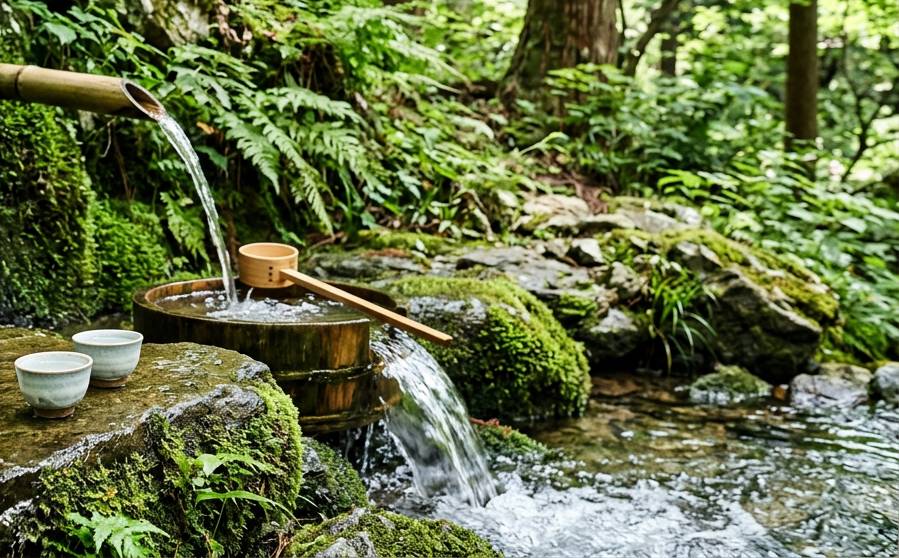
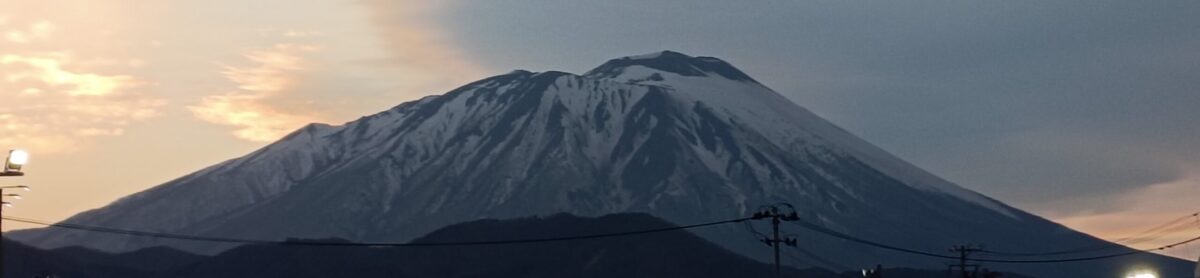
酒造りとは、究極的には「水」の芸術だ。紫波町は、西に奥羽山脈、東に北上山地を頂き、中央を雄大な北上川が貫く盆地である。奥羽の山々に降り積もった雪は、春の訪れとともに地中深くへと潜り込む。そこで気の遠くなるような時間をかけて幾層もの岩盤に濾過され、磨かれ、ミネラルを適度に含んだ清冽な伏流水として再び地表へと姿を現す。この地質学的な神秘を経た水こそが、紫波の酒の骨格を決定づけるのだ。そして、この冷たく清らかな水は、南部杜氏の真骨頂である「低温長期発酵」に奇跡的なまでに適合する。

南部杜氏の歴史を紐解けば、江戸時代に近江商人から伝わった技術を、雪深い東北の過酷な風土に合わせて独自の進化を遂げさせた先人たちの執念に行き当たる。極寒の冬、仕込みタンクの中で醪(もろみ)は静かに、しかし力強く発酵を進める。寒冷な気候は雑菌の繁殖を容赦なく抑え込み、酵母がゆっくりと、自らのペースで糖をアルコールへと変えていくことを許すのだ。顕微鏡などない時代から、杜氏たちは五感を極限まで研ぎ澄まし、気温、湿度、そして微生物の「機嫌」を読み取ってきた。プツッ、プツッ……と醪が微かに弾ける音は、酵母の囁きである。杜氏たちはその声に耳を傾け、まるで気まぐれな神を宥めるかのように、時に優しく、時に厳しく櫂(かい)を入れる。そこから生まれるのは、雑味のない圧倒的な透明感と、奥深い旨みを兼ね備えた美しい酒質である。

紫波の銘酒をひとくち口に含むとき、あなたの舌の上に広がるのは、奥羽山脈に降った古(いにしえ)の雪であり、北上川の豊かな土壌が育んだ黄金色の稲穂であり、底冷えのする蔵の中で夜を徹した杜氏たちの沈黙の祈りである。グラスの中のその一滴には、岩手の峻烈なる自然と、それに寄り添い生きた人々の歴史が、無傷のまま閉じ込められているのだ。

A Silent Symphony Woven by Whispering Yeast and the Meltwater of the Ou Mountains

Winter in Shiwa, Iwate. Before dawn, when the heavy snow blurs all earthly contours and even sound seems to freeze in the frigid air, a faint light already flickers within the white-walled sake breweries. Drawn in by the sweet, enveloping aroma of steaming rice, one steps into the kura (brewery) to find not a mere production facility, but a sacred stage where invisible lifeforms breathe. Shiwa is the historic birthplace of the “Nanbu Toji”—one of Japan’s three great master brewer guilds—and a premier rice-producing region in Iwate. The sake brewed in this land transcends the definition of a simple alcoholic beverage; it is a sublime “liquid art form” meticulously woven together by heaven, earth, and humanity.

At its core, sake brewing is the ultimate art of water. Geographically, Shiwa is a basin cradled by the Ou Mountains to the west and the Kitakami Highlands to the east, with the majestic Kitakami River piercing its center. The deep snows that blanket the Ou peaks melt with the arrival of spring, seeping profoundly into the earth. Over a mind-boggling expanse of time, this water is filtered and polished through multiple layers of bedrock, eventually re-emerging as crystalline subsoil water enriched with the perfect balance of minerals. It is this geological wonder that dictates the very skeletal structure of Shiwa’s sake. Furthermore, this cold, pristine water miraculously suits the “long-term, low-temperature fermentation” technique that is the true hallmark of the Nanbu Toji.

Long before the advent of microscopes, these master brewers honed their five senses to the absolute limit, reading the temperature, humidity, and the very breath of the fermenting yeast. To sip the refined sake of Shiwa is to partake in the ancient snow of the Ou Mountains and the silent prayers of the craftsmen who labored through the frozen nights. Within each glass lies the concentrated history of a people who have lived in harmony with nature’s harshest yet most beautiful rhythms. It is, in every sense, a masterpiece of “liquid art” that transcends time and space.