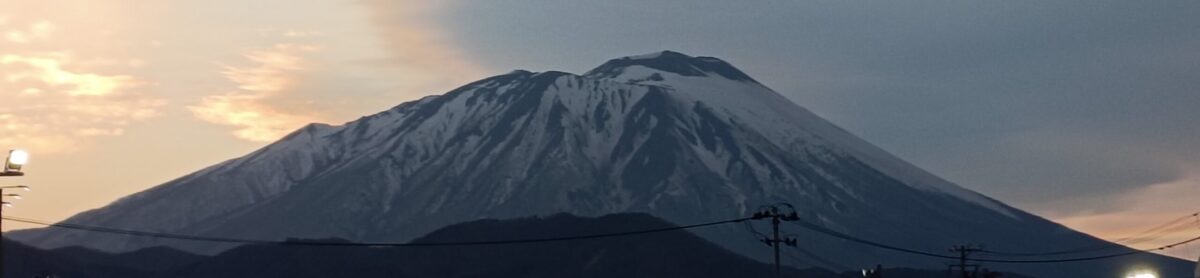
岩手の背骨を遡る思索の旅
岩手県を縦断する北上川は、全長249キロメートルにおよぶ東北随一の大河です。盛岡の市街地を穏やかに流れるその姿からは想像し難いかもしれませんが、この川を遡行することは、単なる自然探訪の域を超えた、ある種の「時間旅行」に似ています。岩手の広大な大地を切り拓き、人々の営みと文化を運んできたこの水脈の正体とは何でしょうか。私たちは、その答えを求めて、川の産声が聞こえる源流部、岩手町へと向かいます。そこには、地図上の点として記される以上の、重厚な歴史の物語が隠されているのです。
A Journey of Contemplation Up the Spine of Iwate
The Kitakami River, traversing Iwate Prefecture, stands as the longest river in the Tohoku region, stretching 249 kilometers. It is difficult to imagine from its calm flow through the city of Morioka, but tracing this river upstream is akin to a “time travel” that transcends mere nature exploration. What is the true essence of this waterway, which has carved through the vast lands of Iwate and carried the livelihoods and cultures of its people? We head toward the town of Iwate, the headwaters where the river’s first cry can be heard, in search of an answer. There, a profound historical narrative lies hidden, far deeper than what is marked as a mere point on a map.
弓弭の泉:伝説と歴史の交差点
岩手町にある「弓弭の泉(ゆみはずのいずみ)」は、北上川の源流の一つとして知られています。この地にまつわる伝承は、平安時代の武将・坂上田村麻呂にまで遡ります。蝦夷征伐の際、渇きに苦しんだ軍勢のために、彼が弓の弭(弓の両端にある弦をかける部分)で岩を突いたところ、清水が湧き出したという伝説です。この泉は、単なる地理的な「源流」という記号ではありません。それは、中央集権的な国家の意志と、この地に根を下ろしていた蝦夷の文化が激しく衝突し、そして混ざり合った、歴史の断層そのものなのです。
Yumihazu no Izumi: The Intersection of Legend and History
“Yumihazu no Izumi” (The Bow-Tip Spring) in Iwate Town is known as one of the sources of the Kitakami River. The folklore associated with this site dates back to the Heian period, involving the legendary general Sakanoue no Tamuramaro. Legend has it that during his campaign against the Emishi, his troops suffered from thirst, and he struck the rock with the tip of his bow, causing fresh water to gush forth. This spring is not merely a geographic symbol of a “source.” It is the very fault line of history, where the will of the centralized state violently collided with, and eventually mingled with, the culture of the Emishi people who had taken root in this land.
自然の静寂が語るもの
現代の私たちがこの泉を訪れるとき、そこにあるのは静寂だけです。しかし、その静寂の中に耳を澄ませると、川が北上平野へと流れ下り、やがて太平洋へと注ぐまでの長い旅路の記憶を感じ取ることができます。岩手町から始まるこの一滴の水は、数多の支流を集め、米を育て、町を潤し、時には氾濫という猛威を振るいながら、岩手の歴史を形作ってきました。源流に立つことは、この巨大な生命循環の「始まり」に触れる行為です。それは、自然の力に畏敬の念を抱き、歴史の深淵を覗き込むような、知的好奇心を強く刺激する体験となるはずです。
What the Silence of Nature Speaks
When we visit this spring today, all that remains is silence. Yet, if one listens closely to that silence, one can sense the memories of the river’s long journey: flowing down to the Kitakami Plain and eventually emptying into the Pacific Ocean. This single drop of water, originating in Iwate Town, has gathered countless tributaries, nurtured rice crops, enriched towns, and occasionally unleashed the fury of floods, all while shaping the history of Iwate. Standing at the source is an act of touching the “beginning” of this massive life cycle. It is an experience that strongly stimulates intellectual curiosity, akin to feeling awe for the power of nature and peering into the abyss of history.
📍 アクセス / Access
日本語の交通アクセス:
【電車・バス】
JR東北本線またはIGRいわて銀河鉄道「いわて沼宮内駅」下車。
いわて沼宮内駅より岩手町コミュニティバス「川口線」に乗車、「弓弭の泉入口」バス停下車。バス停から徒歩約10分。
※バスの本数が少ないため、事前に時刻表を確認してください。
【車】
東北自動車道「滝沢IC」または「盛岡IC」から国道4号線を北上。岩手町役場川口支所方面へ。
滝沢ICから約40分、盛岡ICから約50分。駐車場あり。
English access info:
【By Train & Bus】
Take the JR Tohoku Main Line or IGR Iwate Galaxy Railway to “Iwate-Numakunai Station”.
From Iwate-Numakunai Station, take the Iwate Town Community Bus (Kawaguchi Line) and get off at the “Yumihazu-no-Izumi Iriguchi” bus stop. The spring is about a 10-minute walk from the bus stop.
*Please note that bus services are infrequent, so check the timetable in advance.
【By Car】
From Tohoku Expressway “Takizawa IC” or “Morioka IC”, take National Route 4 northbound. Head towards the Iwate Town Office Kawaguchi Branch.
Approx. 40 minutes from Takizawa IC, 50 minutes from Morioka IC. Parking is available.
北上川の生命の循環と宮古の海:瓶ドンが体現する岩手の食の哲学 / The Vital Cycle of the Kitakami River and the Sea of Miyako: The Culinary Philosophy of “Bin-don”
北上川から太平洋へ:生命を繋ぐ水脈の物語
岩手県を貫く北上川は、単なる河川ではありません。それは山々の養分を海へと運び、鮭という生命の循環を運ぶ動脈です。かつて南部藩の時代、鮭は冬を越すための貴重なタンパク源であり、川沿いの民と深い絆で結ばれていました。この「川の恵み」への敬意は、やがて河口の先にある太平洋、そして三陸海岸の漁業へと、その精神的支柱を移していきます。山から海へと流れる水脈は、岩手の食文化を形作る根源的なテーマなのです。
森の奥深くで静かに「堆積」した枯れ葉の記憶は、雪解け水とともに大地を「侵食」し、川底の石をひそやかに磨きながら海へと向かいます。そして三陸の荒波が削り出すリアス式海岸の険しさの中で、豊穣の海産物として再び命を宿すのです。連綿と繰り返されるこの堆積と侵食の壮大なドラマ。私たちは力強く川を遡上する鮭の姿に、過去から未来へと還流する生命のきらめきを見出し、岩手の風土という名のキャンバスに刻み込まれた、永遠の詩を深く味わうのです。
■ English Version
From the Kitakami River to the Pacific: A Tale of Vital Waterways
The Kitakami River, which traverses Iwate Prefecture, is more than just a waterway. It is an artery that carries nutrients from the mountains to the sea, facilitating the cycle of life embodied by the salmon. In the era of the Nanbu Clan, salmon were a precious source of protein for surviving the winters, forging a deep bond with the people living along the riverbanks. This reverence for the “bounty of the river” eventually shifted its spiritual foundation toward the Pacific Ocean beyond the river mouth, and into the fisheries of the Sanriku Coast. The water vein that flows from the mountains to the sea serves as the fundamental theme shaping Iwate’s profound food culture.
The memories of fallen leaves, quietly “accumulated” deep within the silent forests, gracefully “erode” the earth alongside melting snow, polishing the riverbed stones as they journey toward the ocean. Amidst the ruggedness of the rias coast, carved out by the erosive, crashing waves of Sanriku, these memories are reborn as the sea’s bountiful harvest. In this grand, unending drama of accumulation and erosion, we witness the brilliant spark of life cycling from the past to the future in the fierce upstream run of the salmon, savoring the eternal poem etched deeply into the canvas of Iwate’s majestic landscapes.
■ メタデータ
カテゴリー: 沿岸 Coastal Iwate
タグ: 北上川, 三陸海岸, 鮭, 生命の循環, 食文化

北上川が運んだ恵みと南部杜氏の矜持:紫波町が醸す発酵の記憶 / The Bounty of the Kitakami River and the Pride of Nanbu Toji: The Fermentation Heritage of Shiwa Town
北上川と紫波町:歴史を潤す水脈
岩手県紫波町。この地を南北に貫く北上川は、単なる水路ではなく、かつて物流と文化の大動脈でした。江戸時代、舟運によって盛んに米や物資が運ばれたこの地には、必然的に「酒造り」という高度な発酵文化が根付きました。水が米を運び、米が酒を生む。この循環が、岩手の誇る「南部杜氏」の伝説を形作ったのです。
The Kitakami River and Shiwa Town: A Waterway that Nourished History
Shiwa Town, Iwate Prefecture. The Kitakami River, which flows north to south through this region, was not merely a waterway, but a major artery for logistics and culture. In the Edo period, the active transport of rice and goods by boat inevitably led to the rooting of the sophisticated fermentation culture of sake brewing. Water carried the rice, and rice created the sake. This cycle formed the legend of the “Nanbu Toji” (Nanbu Master Brewers), a source of immense pride for Iwate.
南部杜氏:寒冷地が育んだ緻密な技
日本三大杜氏の一つに数えられる「南部杜氏」は、極寒の岩手の冬を熟知しています。厳しい寒さは、酒の発酵をゆっくりと進める「低温長期発酵」を可能にしました。紫波町の酒蔵では、この環境を最大限に活かし、米の旨味を極限まで引き出す技が代々受け継がれています。彼らにとって酒造りとは、単なる製造ではなく、自然との対話であり、時間という調味料を操る芸術なのです。
Nanbu Toji: The Meticulous Craft Cultivated in a Cold Climate
The “Nanbu Toji,” counted among the three great master brewer guilds of Japan, possess an intimate knowledge of Iwate’s bitterly cold winters. This harsh climate enabled “low-temperature, long-term fermentation,” which allows the sake to ferment slowly and steadily. In the breweries of Shiwa Town, techniques that maximize this environment to extract the essence of the rice have been passed down through generations. To them, sake brewing is not merely manufacturing; it is a dialogue with nature and an art form that manipulates the seasoning of time.
発酵の未来:紫波から世界へ
現代の紫波町は、伝統的な酒造りの枠を超え、発酵文化の新たな拠点として進化しています。北上川の恵みを受け継ぐ蔵元たちは、地域で収穫された酒米を用い、その土地のテロワールを表現した日本酒を醸しています。かつて舟運が繋いだのは物資でしたが、今、紫波の酒は、その歴史的な深みと現代の洗練を携えて、世界中の日本酒ファンの心を繋ごうとしています。
The Future of Fermentation: From Shiwa to the World
現代の紫波町は、伝統的な酒造りの枠組みを静かに越え、新たな発酵文化の拠点として息づいている。北上川が悠久の時をかけて育んだ肥沃な土壌、すなわち歴史と風土の「堆積」の恵みを受け継ぐ酒蔵たちは、地元産の酒米を用い、この地ならではのテロワールをひとしずくの酒に封じ込めている。
かつて川舟が交差し、米や物資を運んだ水脈は、いまや国境を越えた見えない繋がりへと姿を変えた。時代の激流が古い慣習を「侵食」し洗い流すなかで、決して削剥されることのない南部杜氏の魂。それは透き通るような現代の洗練をまとい、世界中の愛好家たちの心を潤していく。杯の底に揺らめく静寂の奥に、私たちは今も確かに、岩手の土の匂いと川のさざなみを感じるのだ。
📍 アクセス
JR東北本線「紫波中央駅」下車。駅周辺には地域の発酵文化を感じられる施設が点在しており、風土の記憶を辿る旅の始まりにふさわしい場所です。
■ English Version
Modern-day Shiwa Town has evolved beyond the boundaries of traditional sake brewing, emerging as a new hub for fermentation culture. The breweries, inheriting the bounty of the Kitakami River—a profound “accumulation” of history and nature—use locally harvested sake rice to brew sake that perfectly expresses the terroir of the land.
While river transport once connected physical goods, today, the water veins have transformed into invisible ties that span the globe. As the rushing currents of time “erode” and wash away outdated customs, the unyielding spirit of the Nanbu Toji (master brewers) remains deeply rooted in the bedrock of this region. Wrapped in a crystalline refinement, their craft crosses borders, seeking to connect and quench the souls of sake enthusiasts worldwide. Within the serene depths of a single cup, one can still undeniably sense the earthy fragrance of Iwate and the eternal ripples of the great river.
📍 Access
Get off at “Shiwa-Chuo Station” on the JR Tohoku Main Line. The area around the station is dotted with facilities where visitors can immerse themselves in the local fermentation culture, serving as a perfect gateway to trace the memories of this beautiful land.
■ WordPress設定データ
カテゴリー: 【県央 Central Iwate】
タグ: 紫波町, 発酵文化, 南部杜氏, テロワール, 北上川
アクセスポイント(座標): 39.5555, 141.1531
