盛岡の鉄の記憶と、釜石の近代製鉄への胎動
岩手県盛岡市を歩けば、街の随所に「南部鉄器」の重厚な息吹を感じることができます。江戸時代、南部藩主の庇護のもとで育まれた茶の湯の文化と、洗練された鋳造技術。この鉄の伝統は、単なる工芸の域を超え、岩手の精神的な支柱となってきました。しかし、この鉄の物語は盛岡の城下町だけで完結するものではありません。その系譜は、沿岸部の釜石へと流れ込み、日本が近代国家へと脱皮するための巨大なエネルギーへと変貌を遂げたのです。
The Memory of Iron in Morioka and the Birth of Modern Steel in Kamaishi
Walking through the streets of Morioka, one can feel the profound presence of “Nambu Tekki” (Nambu Ironware). Nurtured under the patronage of the Nambu lords during the Edo period, this tradition of tea ceremony culture and refined casting techniques has become more than just a craft; it is the spiritual pillar of Iwate. However, this story of iron does not end in the castle town of Morioka. Its lineage flowed into the coastal city of Kamaishi, transforming into the colossal energy that propelled Japan’s transition into a modern nation.
大島高任の挑戦と橋野鉄鉱山の高炉
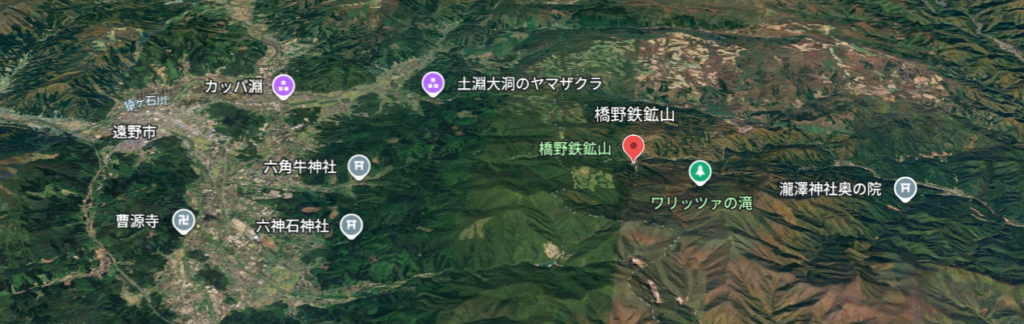
幕末の激動期、鎖国から開国へと向かう日本の舵取りを担った人物の一人が、岩手が生んだ技術者・大島高任です。彼は西洋の科学技術をいち早く吸収し、安政4年(1857年)、釜石の地に日本初となる洋式高炉を建設しました。これが「橋野鉄鉱山」の始まりです。当時の日本において、砂鉄から鉄を取り出す伝統的な「たたら製鉄」から、西洋式の高炉製鉄への転換は、まさに国家の運命をかけた革命的な挑戦でした。大島が築いた高炉は、単なる機械ではなく、黒船来航の衝撃に揺れる日本が、自らの手で国を守るための「技術的自立」を象徴するモニュメントでした。
Takato Oshima’s Challenge and the Hashino Blast Furnace
During the turbulent end of the Edo period, as Japan pivoted from isolation to opening its doors to the world, Takato Oshima, an engineer born in Iwate, took the helm. He rapidly absorbed Western scientific knowledge and, in 1857, constructed Japan’s first Western-style blast furnace in Kamaishi. This was the beginning of the “Hashino Iron Mine.” For Japan at the time, shifting from the traditional “tatara” ironmaking—which extracted iron from iron sand—to Western-style blast furnaces was a revolutionary challenge on which the nation’s fate depended. The blast furnace built by Oshima was not merely a machine; it was a monument symbolizing the “technological independence” that a nation shaken by the arrival of the Black Ships desperately needed to defend itself.
世界遺産が語る産業革命の息吹
現在、橋野鉄鉱山は「明治日本の産業革命遺産」の一部として世界文化遺産に登録されています。森の中に静かに佇む石積みの遺構は、かつてここで轟々と燃え盛った火の熱量を、今もなお静かに物語っています。盛岡の南部鉄器が「美」を追求した鉄の歴史であるならば、釜石の橋野鉄鉱山は「力」を追求した鉄の歴史です。この二つの異なる鉄の物語が、岩手という土地で交差し、今日まで続く日本のものづくりの誇りを形成しています。先人たちが命を懸けて切り拓いたこの道は、今、訪れる人々に技術革新の重要性と、挑戦し続けることの崇高さを教えてくれます。
大地を削り、巨大な高炉を築き上げた人間の「侵食」の記憶は、長い歳月を経て木々の葉や柔らかな苔の「堆積」に覆われ、ふたたび森の静寂へと還っていきました。しかし、美を練り上げた盛岡の風と、力を燃やし尽くした釜石の熱は、今も岩手という広大な曼荼羅の中で響き合っています。木立の中に立ち、冷たい石積みにそっと手を触れるとき、私たちはただの遺跡ではなく、近代の夜明けを告げた人々の熱き鼓動と、すべてを包み込む自然の悠久を感じ取るのです。
■ English Version
The Breath of the Industrial Revolution in a World Heritage Site
Today, the Hashino Iron Mine is registered as a UNESCO World Cultural Heritage site as part of the “Sites of Japan’s Meiji Industrial Revolution.” The stone ruins, standing quietly in the forest, still speak volumes about the intense heat of the fires that once roared there. If the Nambu Tekki of Morioka represents a history of iron that pursued “beauty,” the Hashino Iron Mine in Kamaishi represents a history of iron that pursued “power.”
These two distinct narratives of iron intersect in the land of Iwate, forging the pride of Japanese craftsmanship that endures to this day. The path carved out by our predecessors, who staked their lives on this frontier, now teaches visitors the profound importance of technological innovation and the nobility of unyielding endeavor.
The memory of human “erosion”—carving out the earth to construct immense blast furnaces—has, over the long passage of time, been blanketed by an “accumulation” of fallen leaves and soft moss, returning once more to the profound silence of the forest. Yet, the wind of Morioka that refined aesthetic beauty, and the intense heat of Kamaishi that forged raw power, continue to resonate within the vast mandala of Iwate. Standing amid the trees and gently touching the cold, moss-draped stones, we perceive far more than mere ruins; we feel the fiery heartbeat of those who heralded the dawn of modernity, deeply embraced by the eternal profundity of nature.
■ WordPress設定データ
カテゴリー: 沿岸 Coastal Iwate
タグ: 橋野鉄鉱山, 世界文化遺産, 産業革命, 南部鉄器, 釜石
アクセスポイント(座標): 39.3298, 141.6703