命の揺籃、八幡平のブナ樹海 / The Cradle of Life: The Primeval Beech Sea of Hachimantai

森の母が抱く、黒き毛皮の孤独な巡礼者

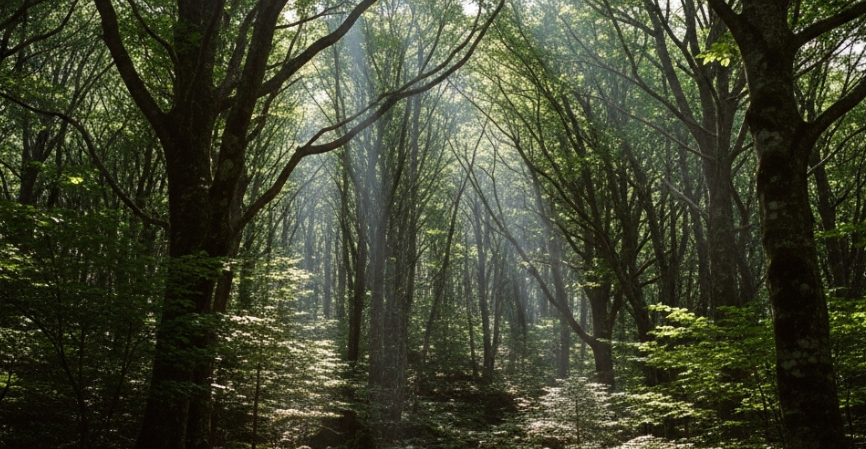
岩手山の北西、秋田県との県境に広がる八幡平(はちまんたい)の奥深くへ足を踏み入れると、外界の喧騒は分厚い緑のヴェールに吸い込まれ、絶対的な静寂が訪れる。足裏に伝わるのは、何千年もの間、幾世代にもわたって降り積もった落ち葉と火山灰が織りなす、スポンジのような腐葉土の感触だ。この地を覆い尽くすのは、広大なブナの原生林である。漢字で「木」に「無」と書いて「橅(ぶな)」と読むこの木は、かつて水分が多く建材としての使い道がないことからその字を当てられたという説があるが、それは人間の勝手な都合に過ぎない。自然界において、ブナほど豊かな恵みをもたらす存在はないのだ。灰白色の滑らかな樹皮を伝って降り注ぐ雨水は、保水力に富んだ土壌に深く浸透し、やがて清冽な伏流水となって麓の里を潤す。ゆえにブナは「緑のダム」であり、「森の母」と尊称される。

この豊穣なる樹海を最も必要としているのが、ツキノワグマである。晩秋、森が黄金色に染まる頃、見上げれば枝先が鳥の巣のように丸く絡まり合った「クマ棚」をあちこちに見つけることができるだろう。これは、クマが木に登り、脂質とタンパク質に富んだブナの実(堅果)を枝ごと手繰り寄せて食べた痕跡である。厳しい東北の冬を土穴の中で生き抜くため、彼らはこの小さな三角形の実を狂おしいほどに貪り食い、皮下脂肪を蓄える。興味深いことに、ブナは数年に一度、「マスティング(一斉開花・結実)」と呼ばれる現象を起こす。一説には、これは捕食者である動物たちを飽食させ、食べ残された種子を確実に発芽させるための植物の生存戦略だという。ツキノワグマはブナの実を喰らいながらも、広大な森を歩き回ることで糞と共に未消化の種子を蒔き、結果として森の領域を広げる一翼を担っているのだ。

八幡平の火山活動が創り上げた起伏に富んだ大地に根を張るブナと、その懐で命を繋ぐ黒き毛皮の巡礼者たち。風が梢を揺らすとき、それは単なる自然のざわめきではなく、気の遠くなるような時間をかけて紡がれてきた、植物と動物の壮絶で美しい命の交響曲のようにも聞こえる。この森に立つとき、私たちは自らが地球という巨大な生命体のごく一部に過ぎないという、心地よい無力感と深い畏敬の念に包まれるのである。

The Mother of the Forest and Her Solitary, Dark-Furred Pilgrims

The Mother of the Forest and Her Solitary, Dark-Furred Pilgrims

Stepping into the deep reaches of Hachimantai, sprawling northwest of Mount Iwate along the border of Akita Prefecture, the clamor of the outside world is absorbed by a thick veil of green, leaving an absolute and profound silence. Beneath your boots, you feel the spongy resilience of the forest floor—a rich humus woven from centuries of fallen leaves intertwined with ancient volcanic ash. This land is blanketed by a vast, primeval forest of Japanese beech, known as buna. In the Japanese kanji script, buna (橅) is formed by combining the characters for “tree” (木) and “nothingness” (無). Legend has it that this character was assigned because the wood, prone to retaining water and warping, was deemed useless for construction. Yet, this is merely a human-centric judgment. In the natural world, few existences offer as much abundance as the buna. Rainwater glides down their smooth, ashen-gray bark, seeping deep into the highly retentive soil, eventually emerging as pure subterranean streams that quench the thirst of the villages below. Thus, the beech is revered as a “green dam” and the “Mother of the Forest.”

No creature relies on this bountiful sea of trees more than the Asian black bear (Tsukinowaguma). In late autumn, as the forest is dyed in hues of gold and amber, looking up into the canopy reveals “bear shelves” (kumadana)—tangled clusters of broken branches that resemble oversized bird nests. These are the remnants of a bear’s feast, created as they climb high to snap off branches and gorge on the lipid- and protein-rich beech nuts. To survive the unforgiving Tohoku winter hibernating in earthen dens, they consume these small, triangular nuts with desperate voracity to build crucial subcutaneous fat. Fascinatingly, beech trees undergo a phenomenon known as mast seeding (synchronous flowering and fruiting). One theory suggests this is a survival strategy by the plants, designed to satiate predators and ensure that uneaten seeds have a higher chance of germinating. Even as they feast on beech nuts, the Asian black bears roam the vast forest, dispersing undigested seeds through their scat, thus playing an integral role in extending the forest’s reach.

The beech trees, rooted in the undulating landscape shaped by Hachimantai’s volcanic activity, and the dark-furred pilgrims whose lives are sustained within their embrace. When the wind rustles through the treetops, it sounds not merely like a natural murmur, but rather like a magnificent and poignant symphony of life, painstakingly woven over an unimaginable span of time by both flora and fauna. Standing in this forest, we are enveloped by a comforting sense of insignificance and profound reverence, realizing that we are but a minuscule part of the colossal living entity that is Earth.


■ WordPress設定データ

カテゴリー: 県央 Central Iwate
タグ: 八幡平, ブナ林, ツキノワグマ, 生態系, 森の循環
アクセスポイント(座標): 39.957, 140.925
大地の鼓動に触れる旅:夏油温泉の静寂から八幡平の躍動へ / Touching the Earth’s Pulse: From the Serenity of Geto Onsen to the Dynamic Volcanic Landscapes of Hachimantai

岩手に刻まれた火山活動の記憶

岩手県は、太古から続く火山活動の記憶を色濃く残す土地です。北上の秘境・夏油温泉の深い谷底から、八幡平の荒々しい火口まで。この旅は単なる観光ではなく、地球の息吹を辿る探求です。私たちは岩手の地層をなぞりながら、この惑星が今もなお生きていることを肌で感じるのです。

Memories of Volcanic Activity Etched into Iwate

Iwate Prefecture preserves the vivid, lingering memories of ancient volcanic activity. From the deep, secluded valleys of Geto Onsen in Kitakami to the rugged craters of Hachimantai, this journey is more than mere sightseeing; it is an exploration of the Earth’s very breath. As we trace the geological layers of Iwate, we experience, viscerally, that this planet remains very much alive.

夏油温泉:大地の血管に触れる隠れ湯

夏油温泉は、かつて修験者が心身を癒した「隠れ湯」として歴史に名を刻んでいます。深い渓谷に抱かれ、幾重にも湧き出る源泉は、まるで大地の血管そのもの。ここでは、文明の喧騒から完全に切り離され、岩肌を伝う湯の音だけが響きます。この湯は単なる癒やしではなく、地球内部の熱エネルギーと直接対峙する、極めて原始的かつ哲学的な体験といえるでしょう。

Geto Onsen: A Hidden Spring Touching the Earth’s Veins

Geto Onsen has etched its name into history as a “hidden spring” once frequented by ascetic monks seeking physical and spiritual purification. Nestled within a deep gorge, its multiple sources feel like the very veins of the Earth. Here, disconnected from the clamor of civilization, only the sound of water trickling over rock echoes through the valley. This hot spring is not merely for relaxation; it is an intensely primitive and philosophical experience—a direct confrontation with the thermal energy from deep within the Earth.

八幡平:荒涼とした大地に宿る圧倒的な生命力

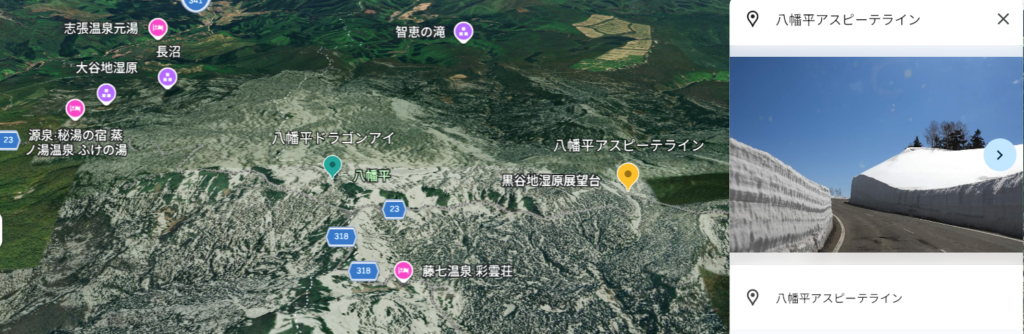
一方、八幡平へと足を進めれば、景色は一変します。標高1,600メートルに広がる火山台地は、かつての激しい噴火の歴史を雄弁に物語っています。アスピーテラインを駆け抜ける際、窓の外に広がるのは、植物さえも拒むかのような荒涼とした、しかし圧倒的な生命力を秘めた大地です。ここでは、自然がいかに強大であり、同時にいかに移ろいやすいものであるかを、静かに教えられます。

Hachimantai: Overwhelming Vitality in a Desolate Landscape

Conversely, ascending to Hachimantai shifts the landscape dramatically. The volcanic plateau, stretching 1,600 meters above sea level, eloquently narrates the history of violent eruptions. As you traverse the Aspite Line, the view outside your window reveals a landscape that seems to reject even vegetation—a desolate yet profoundly vital expanse. Here, one is quietly taught how powerful, and simultaneously how transient, nature truly is.

地熱という知恵:脅威を希望へ

この地熱は、単なる観光資源ではありません。日本初の商用地熱発電所「松川地熱発電所」がここ八幡平に建設されたことは、岩手が大地のエネルギーを賢明に利用してきた証です。火山という脅威を、未来を照らす持続可能な希望へと変える。この知的な転換こそが、岩手の自然と共生する精神の真髄であり、現代社会が学ぶべき「自然との対話」の形なのです。

The Wisdom of Geothermal Energy: Turning Threats into Hope

This geothermal activity is more than a tourist attraction. The establishment of the Matsukawa Geothermal Power Plant in Hachimantai—Japan’s first commercial geothermal plant—stands as proof of Iwate’s wisdom in harnessing the Earth’s energy. Transforming the threat of volcanoes into sustainable hope that illuminates our future: this intellectual shift is the essence of Iwate’s spirit of coexistence with nature, and represents the form of “dialogue with nature” that modern society must learn.

岩手という知的な冒険

夏油の静寂と、八幡平の躍動。この両極端な体験は、私たちが地球という惑星の住人であることを再認識させてくれます。岩手の旅は、足元の土壌の深さを知る、知的な冒険です。この地を訪れることは、地球の歴史という壮大なパズルの一片を、自らの手で拾い上げることに他なりません。

An Intellectual Adventure in Iwate

The serenity of Geto and the dynamism of Hachimantai. These polar experiences remind us that we are inhabitants of this planet Earth. A journey through Iwate is an intellectual adventure—an opportunity to understand the profound depth of the soil beneath our feet. Visiting this land is nothing less than picking up, with your own hands, a piece of the magnificent puzzle that is the history of our Earth.

📍 アクセス / Access

【八幡平市 松川地熱発電所周辺】
車: 東北自動車道 松尾八幡平ICから約30分。
バス: JR盛岡駅から岩手県北バス「松川温泉」行きで「松川温泉」下車、徒歩約30分。またはタクシー利用。冬季は道路閉鎖の場合あり。

【夏油温泉】
車: 東北自動車道 北上金ヶ崎ICから約1時間。冬季は積雪のためアクセス不可。
バス: JR北上駅から岩手県交通バス「夏油温泉」行きで終点下車。運行期間・本数に注意。


[Hachimantai City, Matsukawa Geothermal Power Plant area]
By Car: Approx. 30 min from Matsuo-Hachimantai IC on Tohoku Expressway.
By Bus: From JR Morioka Station, take Iwate-kenpoku Bus bound for “Matsukawa Onsen” and get off at “Matsukawa Onsen”. Approx. 30 min walk or take a taxi. Road closure may occur in winter.

[Geto Onsen]
By Car: Approx. 1 hour from Kitakami-Kanegasaki IC on Tohoku Expressway. Access is impossible due to snow in winter.
By Bus: From JR Kitakami Station, take Iwate Kotsu Bus bound for “Geto Onsen” and get off at the final stop. Please note the operating period and limited frequency.

カテゴリー: 県央 Central Iwate
(※県南の夏油と県北の八幡平を繋ぐ旅の起点であり、岩手全体の地政学的な中心地として設定)
タグ: 火山活動, 夏油温泉, 八幡平, 地熱エネルギー, ジオツーリズム
アクセスポイント(座標): 39.7036, 141.1526
(※盛岡市・岩手県庁付近の座標。岩手全土を巡る知的な冒険の代表的ハブ地点として)

八幡平の天空回廊と遠野の神秘、岩手の二面性を往く旅 / The Skyward Corridors of Hachimantai and the Mysteries of Tono: A Journey Through Iwate’s Duality

岩手県は、その広大さゆえに全く異なる二つの表情を持っています。八幡平の開放的なスカイラインは、まるでヨーロッパのアルプスを彷彿とさせるリゾートの風格を漂わせています。一方で、遠野へ足を踏み入れると、そこには日本の原風景と妖怪伝承が息づく静寂の世界が広がっています。この二つの場所を巡ることは、単なる観光ではありません。岩手の「空」と「地」の歴史を体感する、知的なタイムトラベルです。

火山の息吹が幾重にも溶岩を重ね、天へ向かって壮大に隆起した八幡平の「堆積」。そして、悠久の時が人々の祈りと伝承を谷間に深く刻み込み、精神の深淵へと削り出してきた遠野の「侵食」。天空の風に吹かれた後、大地に根差した土の匂いを深く吸い込むとき、私たちは岩手という巨大な曼荼羅の真の姿に触れるのです。動と静、空と地。この相反する二極の風景の狭間を旅するうち、あなた自身の心もまた、古い記憶を呼び覚まされ、美しき新たな輪郭を描き始めることでしょう。

■ English Version

Iwate Prefecture possesses two distinct faces due to its vast expanse. The open skylines of Hachimantai evoke the grandeur of a European mountain resort, while stepping into Tono transports you to a world of silent, primal landscapes where ancient folklore thrives. Traversing these two regions is more than sightseeing; it is a journey through time, allowing you to experience the history of Iwate’s “sky” and “earth.”

Hachimantai represents a magnificent “accumulation” of nature’s raw power, where the fiery breath of ancient volcanoes layered lava to heave the land toward the heavens. Conversely, Tono embodies the quiet “erosion” of time, where generations of prayers and folklore have been carved deeply into the valleys, revealing the profound abyss of the human spirit. After embracing the celestial winds on the soaring peaks, breathing in the rich scent of the damp earth below unveils the true essence of Iwate—a vast, living mandala. Drifting between these polar extremes of motion and stillness, the traveler’s own heart will awaken to forgotten memories, gracefully tracing a new contour within.


■ WordPress設定データ

カテゴリー: 県央 Central Iwate
タグ: 八幡平, 遠野, 堆積と侵食, 民俗学, タイムトラベル
アクセスポイント(座標): 39.7036, 141.1527

大地の鼓動と彫刻の対話:八幡平の牧歌的風景から石神の丘の芸術へ / A Dialogue Between Earth’s Pulse and Sculpture: From Hachimantai’s Pastoral Landscapes to the Art of Ishigami no Oka

岩手県の旅は、自然という巨大なキャンバスに描かれた物語を辿る行為に似ています。北緯40度を跨ぐ八幡平の雄大な牧場リゾートで大地の息吹を感じた後、そこから少し南下した岩手町で、自然と芸術が静かに調和する「石神の丘美術館」を訪れる。このルートは、単なる観光地巡りではありません。岩手の広大な自然が彫刻という「言葉」を得て、私たちに何を語りかけてくるのか。その問いを探求する、知的な探訪の記録です。

悠久の時が大地に生命を「堆積」させた豊かな緑葉の海に、人間がノミを振るい石を削るという「侵食」の営為によって生まれた彫刻たちが、まるで原初からそこにあったかのように鎮座しています。自然の深く永い沈黙と、形を与えられた石の密やかな雄弁。その鮮やかな対比と奇跡的な調和のなかを歩むとき、林間を吹き抜けるイーハトーブの風は、旅人であるあなた自身の内なる風景をも、美しく、静かに彫り上げていくことでしょう。

■ English Version

The journey through Iwate Prefecture is akin to tracing a story painted upon the colossal canvas of nature. After feeling the breath of the earth at the majestic pasture resorts of Hachimantai, which straddles the 40th parallel north, one travels south to the town of Iwate to visit the Ishigami-no-Oka Art Museum, where nature and art reside in serene harmony. This route is no mere sightseeing tour; it is an intellectual expedition to discover what Iwate’s vast wilderness conveys when granted the “words” of sculpture.

Within the verdant ocean of foliage where eons of time have naturally accumulated life upon the earth, sculptures born of human erosion—the deliberate act of chiseling stone—sit as though they had belonged there since the dawn of time. The profound, eternal silence of nature and the secret eloquence of carved stone. As you wander through this vivid contrast and miraculous harmony, the winds of Ihatov whispering through the trees will gently and beautifully sculpt the inner landscapes of your own wandering soul.


■ WordPress設定データ

カテゴリー: 県央 Central Iwate
タグ: 八幡平, 石神の丘美術館, 野外彫刻, アートツーリズム, イーハトーブ
アクセスポイント(座標): 39.9647, 141.2173

地熱の鼓動と鉄の記憶:岩手が紡ぐエネルギーの物語 / The Pulse of Geothermal and the Memory of Iron: Iwate’s Tale of Energy

From the geothermal steam of Hachimantai to the iron-forging furnaces of Kamaishi

岩手の大地には、太古から続く熱が眠っています。北に位置する八幡平の湯けむりから生まれるクリーンな地熱エネルギーと、南東の釜石の森に遺された近代化の礎。エネルギーという視点で岩手を紐解くと、そこには大地の熱と、人間が情熱を注いで生み出した「炎と鉄」が織りなす、壮大な歴史の物語が見えてきます。これは、岩手が日本の近代化をどのように支え、そして未来へ繋ごうとしているのかを探る旅の記録です。

八幡平:大地が呼吸するエネルギーの源流

八幡平は、火山活動が活発な地として知られ、その大地の鼓動は現代の生活を支えるエネルギーへと変換されています。1966年、日本初の商業用地熱発電所として稼働を開始した「松川地熱発電所」。ここは、岩手がエネルギーの最前線であることを世界に示した記念碑的な場所です。地中深くから噴出する蒸気は、まさに地球が呼吸するエネルギーそのもの。このクリーンな電力は、岩手の豊かな自然と共生しながら、持続可能な未来を照らしています。八幡平の地熱発電は、単なるインフラではなく、火山大国・日本が自然の恵みをどのように知恵に変えてきたかを示す、一つの回答と言えるでしょう。

炎の系譜:釜石・橋野鉄鉱山跡が語る近代化の夜明け

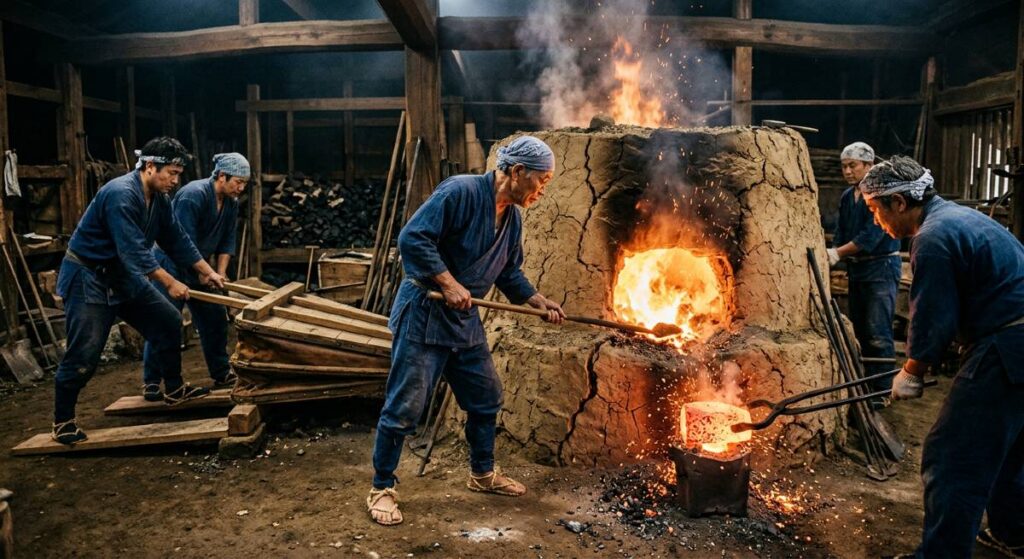
八幡平の熱が現代の電力を支えるなら、かつて釜石の熱は日本の近代化を支えました。世界遺産「橋野鉄鉱山跡」は、幕末の志士であり技術者であった大島高任が、日本で初めて洋式高炉を築いた場所です。それまでの伝統的な「たたら製鉄」から、西洋の技術を取り入れた高炉への転換。そこには、鎖国を解き、産業国家として歩み出そうとした日本人の狂気にも似た情熱がありました。深い森の中に静かに佇む石積みの遺構は、かつてここで激しく燃え盛った炎の記憶を今に伝えています。木炭を燃やし、鉄を溶かしたその炎は、日本の産業革命の産声でした。八幡平の地熱が「静かなる自然の力」であるのに対し、釜石の鉄は「熱き人の意志」の象徴です。この対比こそが、岩手の歴史の深みを物語っています。

悠久の時をかけて地下深くへと「堆積」した大地の静かなる熱と、新しい時代を切り開くために岩を「侵食」するほどに燃え盛った人間の情熱。北の火山から立ち上る純白の蒸気と、沿岸の深い森に眠る石積みの高炉跡は、一見相反するように見えて、実は同じ岩手の大地が抱いた「命の熱量」の両輪なのです。自然への大いなる畏敬と、人間の飽くなき探求心。二つの熱が交差するこのイーハトーブの風土から、私たちは持続可能な未来を照らす、新たな青き光を見出すことができるはずです。


■ English Version

Deep within the earth of Iwate lies a primal heat that has endured since ancient times. From the clean geothermal energy born from the rising steam of Hachimantai in the north, to the foundations of modernization left behind in the forests of Kamaishi in the southeast. When we unravel the story of Iwate through the lens of energy, an epic historical narrative emerges—woven from the heat of the earth and the “fire and iron” forged by human passion. This is a record of a journey exploring how Iwate supported Japan’s modernization and how it seeks to bridge us to the future.

Hachimantai: The Source of Energy Where the Earth Breathes

Hachimantai is known as a land of vigorous volcanic activity, where the heartbeat of the earth is transformed into energy that supports modern life. In 1966, the Matsukawa Geothermal Power Plant began operations as Japan’s first commercial geothermal facility. It is a monumental site that proved to the world that Iwate is at the forefront of energy innovation. The steam erupting from deep underground is the very breath of the planet. This clean electricity illuminates a sustainable future while coexisting in harmony with Iwate’s abundant nature. Geothermal power in Hachimantai is not merely infrastructure; it is a definitive answer to how Japan, a nation of volcanoes, has turned the blessings of nature into profound wisdom.

A Genealogy of Fire: The Dawn of Modernization Told by the Kamaishi Hashino Iron Mining and Smelting Site

If the heat of Hachimantai sustains modern electricity, the heat of Kamaishi once fueled the modernization of Japan. The World Heritage site of the Hashino Iron Mining and Smelting Site is where Takato Oshima, a visionary engineer of the late Edo period, built Japan’s first Western-style blast furnace. This transition from traditional “Tatara” ironmaking to blast furnaces incorporating Western technology was driven by an almost fanatical passion among the Japanese to break from isolation and forge an industrial nation. The stone ruins, standing silently in the deep forest, still pass down the memory of the fierce flames that once raged here. The fire that burned charcoal and melted iron was the very birth cry of Japan’s industrial revolution. While Hachimantai’s geothermal energy represents the “quiet force of nature,” Kamaishi’s iron is the symbol of the “burning will of humanity.” This contrast speaks volumes about the depth of Iwate’s history.

The quiet heat of the earth, “accumulated” deep underground over eternity, stands in stark contrast to the fierce passion of humanity, burning so intensely it seemed to “erode” the very rocks to carve out a new era. The pure white steam rising from the northern volcanoes and the stone ruins of the blast furnaces resting in the deep coastal forests may appear to be polar opposites, yet they are the twin wheels of the “heat of life” embraced by this very land of Iwate. Profound awe for nature and humanity’s insatiable quest—where these two forces intersect in this landscape of Ihatov, we can surely discover a new, brilliant blue light to illuminate a sustainable future.


■ WordPress設定データ

カテゴリー: 沿岸 Coastal Iwate
タグ: 橋野鉄鉱山, 松川地熱発電所, 近代化産業遺産, 再生可能エネルギー, イーハトーブの熱
アクセスポイント(座標): 39.3364, 141.6854

氷の彫刻から静寂の森へ:岩手の雪が織りなす冬の叙事詩 / From Ice Sculptures to Silent Forests: An Epic of Iwate’s Winter Snow

岩手の冬は、単なる寒さの季節ではない。それは、大地が水という形を変えて彫刻を施す芸術の季節である。八幡平の山頂付近でシベリア寒気団が針葉樹を飲み込み、一瞬にして「樹氷」という名の怪物へと変貌させる光景は、自然が描く動的な美の極致と言える。しかし、この氷の造形美から視線を南へと転じると、岩手の冬はまた異なる、深く静かな表情を見せ始める。それが、北上市・夏油(げとう)高原の豪雪が育むブナ原生林の静寂である。

荒れ狂う風が削り出す八幡平の氷の「侵食」に対し、夏油の森は圧倒的な雪の「堆積」がもたらす受容の美学に満ちている。数メートルもの白魔の下で、ブナの木々はただじっと身を屈め、星巡りの夜が明けるのを待つかのように深い沈黙を守る。猛威を振るう吹雪さえも、柔らかな綿毛のように抱き留めるその森には、やがて来る雪解けの春に向けた、静かで熱い生命の鼓動が宿っているのだ。岩手の冬は、吹き荒れる「動」の彫刻と、降り積もる「静」の帳(とばり)の狭間で、密やかに永遠を紡いでいる。

■ English Version

Winter in Iwate is not merely a season of cold; it is an epoch of artistry where the earth sculpts itself through the transformative power of water. The sight near the summit of Hachimantai, where Siberian cold waves engulf coniferous trees and instantly transform them into monsters of ice known as “Juhyo”, represents the pinnacle of nature’s dynamic beauty. Yet, as we shift our gaze southward from this icy architectural wonder, Iwate’s winter begins to reveal a different, profoundly quiet expression. It is the tranquility of the primeval beech forests nurtured by the heavy snowfalls of the Geto Kogen plateau in Kitakami City.

In stark contrast to the dynamic beauty of “erosion” carved by the fierce winds of Hachimantai, the forests of Geto exude an aesthetic of acceptance, born from the overwhelming “accumulation” of snow. Buried beneath meters of pristine white, the beech trees bow in silent endurance, as if waiting for the dawn after a night of traversing the stars. The forest, which embraces even the raging blizzards like soft down, harbors a quiet yet fervent pulse of life preparing for the spring thaw. Between the turbulent, dynamic sculptures of ice and the serene, static blankets of snow, Iwate’s winter secretly weaves eternity.


■ WordPress設定データ

カテゴリー: 県南 Southern Iwate
タグ: 冬の岩手, 樹氷, 夏油高原, ブナ原生林, 宮沢賢治
アクセスポイント(座標): 39.2272, 140.9738
(※物語の終着点であり、美しい静寂を湛える夏油高原のブナ林付近を指し示しています)

岩手の二つの龍:山頂の瞳から地底の深淵へ / The Two Dragons of Iwate: From the Mountain Peak to the Earth’s Core

岩手県の大地には、二つの龍が眠っているという伝説が、現代の絶景となって息づいています。一つは、春の限られた時期にだけ八幡平の山頂に現れる雪の奇跡「ドラゴンアイ」。もう一つは、岩泉町の地底深くで静かに青い呼吸を続ける「龍泉洞」の地底湖です。空を仰ぐ龍と、地の底に潜む龍。この二つの神秘を巡る旅は、単なる観光ではなく、岩手の自然が織りなす垂直方向の壮大な物語を体感する冒険と言えるでしょう。

天上の雪がもたらす一瞬の奇跡と、地下の石灰岩が数億年かけて侵食された悠久の空間。山頂に降り積もった純白の「堆積」が春の陽光にとけて天の龍を開眼させるとき、その雪解け水はやがて地中深くへと潜り、途方もない年月をかけて地の龍の棲家であるドラゴンブルーの地底湖を満たしていきます。「堆積」と「侵食」という対極の自然の営み。空のまばゆさと地底の静寂。イーハトーブの風に吹かれながら、天と地を巡る水の軌跡に想いを馳せるとき、私たちは岩手という大地そのものが、脈打つ一つの巨大な生命体であることを静かに悟るのです。

■ English Version

In the vast landscape of Iwate, two dragons are said to dwell, manifesting today as breathtaking natural phenomena. One is the “Dragon Eye,” a miracle of snow that appears on the summit of Mount Hachimantai only during a brief window in spring. The other is the subterranean lake of “Ryusendo” Cave in Iwaizumi, quietly breathing deep blue beneath the earth. A dragon looking up at the sky, and another lurking in the abyss. A journey to witness these two mysteries is not mere sightseeing, but an adventure to experience the magnificent, vertical narrative woven by Iwate’s nature.

It is a profound contrast between the fleeting miracle brought by celestial snow and the eternal space carved by the erosion of limestone over hundreds of millions of years. When the pure white accumulation on the summit melts in the spring sunlight to awaken the heavenly dragon, that water eventually seeps deep into the earth, taking an eternity to fill the dragon-blue lakes where the earthly dragon resides. The “accumulation” of snow and the “erosion” of stone—these opposing breaths of the earth connect the dazzling sky and the silent subterranean depths. As we feel the wind of Ihatov and trace the trajectory of water traveling between heaven and earth, we silently realize that the very land of Iwate is a single, colossal living organism.


■ WordPress設定データ

カテゴリー: 【県北 Northern Iwate】
タグ: 八幡平ドラゴンアイ, 龍泉洞, イーハトーブ, 自然の循環, 絶景
アクセスポイント(座標): 39.9545, 140.8491

遠野の霧と八幡平の竜の瞳:岩手の静寂とダイナミズムを巡る旅 / The Mist of Tono and the Dragon’s Eye of Hachimantai: A Journey Through Iwate’s Serenity and Dynamism

遠野盆地の朝霧:物語が息づく異界へのヴェール

岩手の朝、遠野盆地を包み込む深い霧は、単なる気象現象ではない。それは、柳田國男が『遠野物語』で描き出した異界への入り口であり、カッパや座敷わらしが今も息づく気配を現代に留めるヴェールである。盆地特有の放射冷却によって醸成されるこの雲海は、静寂の中で時の流れを止め、訪れる者の知的好奇心を揺さぶる。かつて南部藩の馬産地として栄えたこの地は、馬と人が共生する強靭な風土を育んできた。霧が晴れゆくにつれ、山々の稜線が浮かび上がる瞬間、私たちは歴史の深淵を垣間見る。この霧の静謐さは、これから向かう八幡平の荒々しい自然への、いわば精神的な助走のようなものである。

The Morning Mist of the Tono Basin: A Veil to the Folklore Realm

In Iwate, the morning mist enveloping the Tono Basin is far more than a mere meteorological occurrence. It acts as a veil separating the present from the “otherworld” immortalized in Kunio Yanagita’s Tono Monogatari, where the spirits of Kappa and Zashiki-warashi still linger. This sea of clouds, forged by the basin’s radiative cooling, suspends time in profound silence, stirring the intellectual curiosity of all who witness it. Once a thriving center for horse breeding under the Nambu Clan, the region cultivated a deep symbiosis between humanity and nature. As the mist disperses and the mountain ridges emerge, one catches a glimpse into the depths of history. This serenity serves as a spiritual prelude to the untamed wilderness of Hachimantai that awaits.

八幡平ドラゴンアイ:雪解けが可視化する地球の鼓動

遠野の静寂から一転、八幡平の頂上付近に広がるのは、春の雪解けが織りなす「ドラゴンアイ」という名の奇跡である。鏡沼の雪解けが描く円形の造形は、まるで巨大な竜の瞳が静かに開眼したかのように見える。地熱と春の陽光が数週間という短い期間だけ作り出すこの現象は、火山活動が続く八幡平のダイナミズムそのものだ。雪の白さと沼の紺碧がコントラストを成すこの風景は、冬の終わりと生命の息吹の邂逅を象徴している。遠野の伝説的な霧が「物語の深さ」を語るならば、八幡平のドラゴンアイは「地球の鼓動」を可視化する。この高低差の旅は、岩手という土地が持つ、静と動、歴史と自然という二面性を体感する知的な冒険なのである。

The Dragon Eye of Hachimantai: The Earth’s Pulse Visualized

Transitioning from the stillness of Tono, the summit of Hachimantai unveils a miracle of spring thaw known as the “Dragon Eye.” The circular pattern formed by melting snow on Kagami-numa Lake evokes the image of a giant dragon’s eye slowly opening. This phenomenon, crafted over a few short weeks by geothermal heat and the spring sun, embodies the raw dynamism of the active Hachimantai volcano. The stark contrast between the white snow and the deep blue of the lake symbolizes the encounter between winter’s end and the breath of new life. If Tono’s legendary mist speaks to the “depth of folklore,” the Dragon Eye of Hachimantai visualizes thevery pulse of the Earth. This journey across contrasting altitudes is an intellectual adventure that invites you to experience the dual nature of Iwate—a land where silence and dynamism, history and nature, coexist in a profound and living mandala.

岩手の山々を巡る色彩の旅:八幡平の可憐な高山植物から、室根山の情熱的なツツジへ / A Journey of Colors Through Iwate: From Hachimantai’s Alpine Flora to the Flaming Azaleas of Mt. Murone

From the delicate alpine flora of Hachimantai to the vibrant red azaleas of Mt. Murone

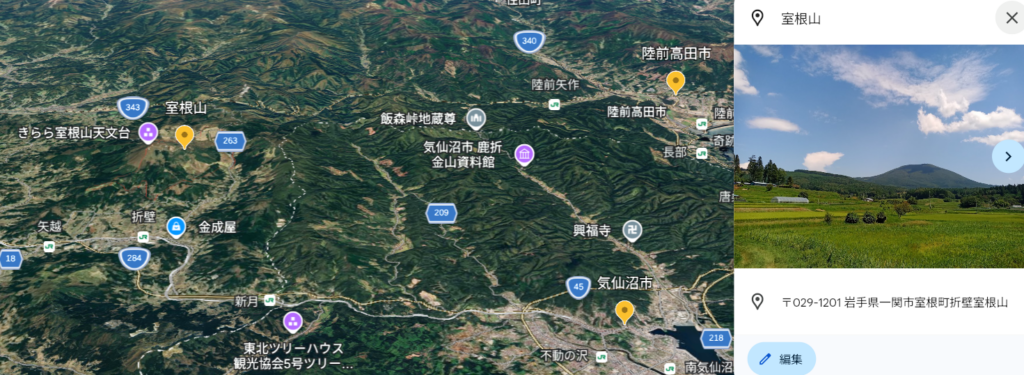
岩手県は、北上高地と奥羽山脈という二つの大きな脊梁山脈に抱かれた、広大な大地です。北から南へ、季節の移ろいとともに山々は表情を変え、訪れる者に生命の力強さを教えてくれます。今回は、八幡平の厳しい自然の中で咲き誇る可憐な高山植物と、一関市・室根山を燃えるような赤に染め上げるツツジの群生、この二つの絶景を繋ぐ「色彩の旅」をご案内します。岩手の山岳風景が織りなす、繊細さと大胆さのコントラストを紐解いていきましょう。

Journey of Colors: From Hachimantai’s Alpine Blooms to the Azaleas of Mount Murone

Iwate Prefecture is a vast land embraced by two major mountain ranges: the Kitakami Highlands and the Ou Mountains. From north to south, the mountains transform with the passing of the seasons, teaching visitors about the resilience of life. In this article, we invite you on a “Journey of Colors” that connects two breathtaking landscapes: the delicate alpine plants blooming in the harsh environment of Hachimantai, and the clusters of azaleas that dye Ichinoseki’s Mount Murone in a fiery red. Let us explore the profound contrast between delicacy and boldness woven into the fabric of Iwate’s mountainous scenery.

秋田街道の静寂 – 国見峠に刻まれた戊辰戦争の記憶 / The Silence of the Akita Kaido – Echoes of the Boshin War at Kunimi Pass

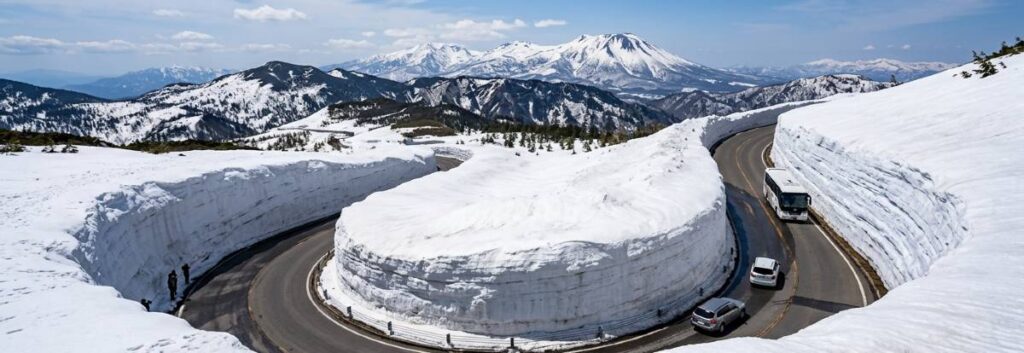
岩手県北部の八幡平を駆け抜ける「八幡平アスピーテライン」。雪の回廊や雄大な山岳パノラマは、現代の私たちが享受する最高のドライブコースです。しかし、その爽快なドライブの記憶を一度横に置き、少しだけ南へ視線を移してみてください。そこには、現代の舗装路とは対極にある「道なき道」が眠っています。雫石町から秋田へと続く「秋田街道」です。かつてこの山道は、物流の動脈であると同時に、幕末の動乱期には歴史の運命を左右する激戦の舞台となりました。

秋田街道:物流と軍事の要衝

盛岡と秋田を結ぶ秋田街道は、古くから南部藩の経済を支える重要な路でした。雫石盆地を抜け、険しい奥羽山脈の国見峠を越えるこのルートは、単なる交易路以上の意味を持っていました。それは、もしもの時に備えた軍事的な防衛ラインでもあったのです。江戸時代、この道は人々の往来だけでなく、文化や情報の伝達、そして時には藩の命運を賭けた防衛の最前線として機能していました。

国見峠の激戦:歴史の分岐点

1868年、戊辰戦争の火の手が東北に及んだとき、国見峠は歴史の岐路に立たされました。新政府軍の侵攻に対し、奥羽越列藩同盟の一角である盛岡藩は、この国見峠を最後の防衛拠点としました。切り立った地形と厳しい自然環境の中で繰り広げられた攻防戦は、まさに死闘でした。銃声が山々に響き渡り、多くの若者たちがこの峠で散っていったのです。現代の登山者が何気なく歩くこの道には、かつて命を懸けて戦った武士たちの無念と、時代の転換期に翻弄された人々の息吹が、今も土の中に沈み込んでいます。

現代に残る記憶の断片

現在、国見峠の周辺は静寂に包まれています。アスピーテラインの活気とは対照的に、かつての街道跡は木々に覆われ、自然の中に還りつつあります。しかし、雫石の町には、今も当時の歴史を伝える石碑や古戦場の痕跡が点在しています。この地を訪れることは、単なる観光ではありません。現代の便利な交通網という「線」から降りて、歴史の「点」に触れる旅です。静かな森の中で足を止めれば、150年前の風の音が聞こえてくるかもしれません。

時は容赦なく人々の記憶を「侵食」し、かつての激戦の生々しい爪痕を深い緑の奥へと風化させてゆきます。しかし、この地に流れた若き血潮や、平和を願った切なる祈りは決して消え去ることはなく、豊かな土壌の記憶として静かに「堆積」し続けているのです。アスファルトで覆われた輝かしい現代の道と、落ち葉に埋もれた苔生す古道。私たちがその両方に目を向け、光と影の層をたどるとき、岩手という大地が織りなす真の曼荼羅が、時間を越えて鮮やかに浮かび上がってくることでしょう。

■ English Version

The Hachimantai Aspite Line, cutting through the northern mountains of Iwate, offers a spectacular driving experience, famous for its walls of snow and panoramic alpine views. Yet, if we set aside the modern convenience of this route for a moment and turn our gaze slightly south, we encounter a forgotten path that stands in stark contrast to the paved roads of today: the Akita Kaido (Akita Highway) leading from Shizukuishi to Akita. This mountain trail was once a vital artery for trade, but during the turbulent final years of the Edo period, it became a stage for a fierce conflict that would shape the course of history.

The Akita Kaido: A Vital Artery for Trade and War

Connecting Morioka and Akita, the Akita Kaido was a crucial route that supported the economy of the Nambu Domain. Crossing the rugged Ou Mountains via the Kunimi Pass after leaving the Shizukuishi Basin, this path held a significance far beyond mere trade. It served as a strategic military defensive line. During the Edo period, this road facilitated not only the movement of people and goods but also the flow of culture and information, and at times, it functioned as the frontline upon which the fate of the domain rested.

The Battle of Kunimi Pass: A Turning Point in History

In 1868, when the flames of the Boshin War reached the Tohoku region, the Kunimi Pass stood at a historical crossroads. Faced with the advance of the Imperial Army, the Morioka Domain—part of the Northern Alliance—marked the Kunimi Pass as their final defensive stronghold. The battle that unfolded within this steep, rugged terrain was a desperate struggle. Gunfire echoed through the mountains, and many young lives were lost on this pass. Along this path, which modern hikers might traverse casually today, the regrets of samurai who fought for their lives and the lingering spirits of those caught in the tides of a changing era remain buried deep within the earth.

Echoes Remaining in the Present

Today, the area around Kunimi Pass is wrapped in silence. In contrast to the vibrancy of the Aspite Line, the remnants of the old highway are being reclaimed by trees and returning to nature. However, the town of Shizukuishi still holds scattered monuments and traces of the old battlefield that tell this history. Visiting this place is more than just sightseeing; it is a journey to step off the convenient “lines” of our modern transportation network and touch the “points” of history. If you stand still in the quiet forest, you might just hear the whisper of the wind from 150 years ago.

Time mercilessly “erodes” human memory, weathering the raw scars of fierce battles into the deep green abyss. Yet, the young blood shed upon this earth and the fervent prayers for peace never truly vanish; they continue to silently “accumulate” as the profound memory of the soil. The shining modern roads paved with asphalt and the moss-covered ancient trails buried under fallen leaves—when we turn our gaze to both, tracing the layers of light and shadow, the true mandala woven by the land of Iwate will vividly emerge across the expanse of time.


■ WordPress設定データ

カテゴリー: 県央 Central Iwate
タグ: 秋田街道, 国見峠, 戊辰戦争, 雫石町, 古道
アクセスポイント(座標): 39.7342, 140.8258