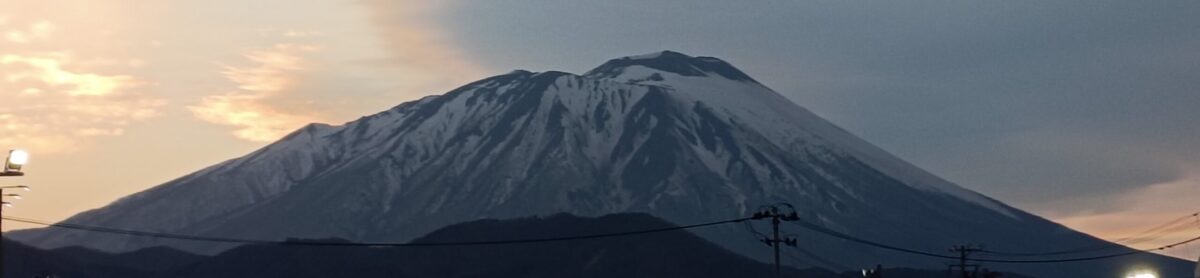
山背(やませ)の霧を抜けて歩んだ「牛方」たちの鎮魂歌
ご提示いただいたテキストは、厳しい自然環境と人々の営みが力強く描かれた素晴らしい文章です。この熱量と文脈を受け継ぎ、地質学的な「侵食」と、文化・命の「堆積」という対比構造を組み込むことで、宮沢賢治的な詩的リアリズムを感じさせる美しい結末へと仕上げました。
■ 完成した日本語記事
三陸沿岸の夏は、時として深い憂鬱に包まれる。初夏から盛夏にかけてオホーツク海高気圧から吹き込む冷たく湿った東風、すなわち「山背(やませ)」である。濃霧が太陽の光を遮り、大地から温もりを奪うこの風は、古くから沿岸の民に冷害という過酷な試練を与えてきた。米が満足に実らぬこの地で、人々はいかにして命を繋いだのか。その答えは、野田村の荒ぶる海にあった。
彼らは、生きるために海水を煮詰めた。太陽と風の力で水分を飛ばす西日本の塩田とは異なり、日照時間が短く冷涼なこの地では、巨大な鉄鍋で海水をひたすら薪の火で炊き上げる「直煮(じきに)」という、原始的かつ途方もない労力を要する製法がとられた。夜を徹して炎と向き合い、数万滴の海水からようやく抽出される純白の結晶。野田の塩は、単なる調味料ではなく、沿岸の民の血肉であり、生存を賭けた「命の結晶」そのものであった。
しかし、塩を舐めるだけでは腹は満たされない。この塩を内陸の穀物と交換するため、立ちはだかる北上山地という巨大な壁を越える必要があった。ここで歴史の表舞台に登場するのが「牛方(うしかた)」と呼ばれる男たちと、強靭な足腰を持つ南部牛である。
地質学的に見れば、北上山地は日本列島の中でも極めて古い地層(古生代から中生代)が隆起してできた山塊であり、深く侵食されたV字谷と急峻な尾根が連続する過酷な地形である。牛方たちは、一頭につき四斗(約60キロ)もの塩俵を背負わせた牛を数頭連れ、100キロ以上離れた盛岡や、さらに奥の秋田県鹿角まで、一週間近くかけて歩き通した。
深いブナやミズナラの原生林。足元はぬかるみ、時には熊や狼の気配に怯えながら、彼らはただ黙々と西を目指した。その過酷な道行きを慰めたのは、牛の首に揺れる鈍い鈴の音と、山あいに響き渡る「南部牛追唄(なんぶうしおいうた)」の哀調を帯びた旋律だけであっただろう。「田舎なれども 南部の国は 西も東も 金の山……」。唄声は、孤独な森の湿気に吸い込まれていった。
内陸に辿り着いた牛方たちは、塩と引き換えに米やアワ、ヒエを背に積み、再び険しい山を越えて腹を空かせた家族の待つ村へ帰った。野田から内陸へ延びるこの「塩の道」は、単なる物流の動脈ではない。海の民と山の民が互いの欠落を補い合い、不条理な自然環境の中で共に生き延びるための「祈りの交差点」であったのだ。
現在、野田村から平庭高原へと続く旧道に足を踏み入れると、苔生した岩肌に深く刻まれた窪みを見つけることができる。それは幾万の牛の蹄と牛方の草鞋が、悠久の時間をかけて硬い地層を「侵食」し、削り出した執念の痕跡である。厳しい自然が山を削り谷を穿つように、彼らの歩みもまた大地に深く道を刻んだ。だが、その過酷な侵食の歴史の果てに、決して削り取られることのない祈りが残された。内陸へと運ばれた海鳴りの結晶は命の糧となり、人々の血肉となって、幾世代にもわたる岩手の歴史と文化を分厚く「堆積」させてきたのだ。静寂の森に立ち尽くし、目を閉じて耳を澄ませてみてほしい。遠い昔、やませの霧の向こうから、ただ生きるために歩き続けた者たちの微かな鈴の音が聞こえてこないだろうか。
■ English Version
The summers along the Sanriku coast are sometimes shrouded in a profound melancholy. This is brought upon by the yamase, a cold, damp easterly wind blowing from the Sea of Okhotsk high-pressure system from early to mid-summer. Blocking the sun with thick fog and stripping the warmth from the earth, this wind has long subjected the coastal people to the cruel ordeal of cold-weather crop damage. How, then, did the people sustain their lives in a land where rice would not ripen adequately? The answer lay in the untamed ocean of Noda Village.
To survive, they boiled the sea. Unlike the salt terraces of western Japan, which rely on the sun and wind to evaporate water naturally, this cool region with scarce sunlight necessitated a primitive and painstakingly laborious method known as Jikini (direct boiling). In massive iron cauldrons, seawater was relentlessly boiled down over roaring wood fires. Facing the flames through the night, the coastal dwellers extracted pure white crystals from tens of thousands of drops of seawater. Noda salt was not merely a seasoning; it was the flesh and blood of the coastal people, the very “crystals of survival.”
However, tasting salt alone could not fill their stomachs. To exchange this precious commodity for inland grains, they had to cross the colossal barrier of the Kitakami Massif. It is here that the men known as ushikata (cattle drivers) and their robust Nambu cattle step onto the stage of history.
From a geological perspective, the Kitakami Massif is a formidable mountain block formed by the uplifting of some of the Japanese archipelago’s oldest strata (dating back to the Paleozoic and Mesozoic eras), characterized by deeply eroded V-shaped valleys and steep, unforgiving ridges. The ushikata would load each cow with about 60 kilograms of salt in straw bags, leading a small herd on a grueling trek of over 100 kilometers to Morioka, or even further to Kazuno in Akita Prefecture—a journey that took nearly a week.
Through deep primeval forests of beech and Mongolian oak, stepping over muddy trails, and sometimes fearing the presence of bears and wolves, they pressed westward in silence. The only solace on their harsh journey was likely the dull clanking of bells swaying on the cattle’s necks and the melancholic melody of the Nambu Ushioi Uta (Nambu cattle-herding song) echoing through the ravines. Their singing voices were absorbed by the dampness of the solitary woods.
Upon reaching the inland villages, the ushikata traded their salt for rice, foxtail millet, and barnyard millet. Loading these life-saving grains onto the cattle, they crossed the treacherous mountains once again to return to their starving, waiting families. This “Salt Trail” stretching from Noda to the inland was not merely an artery for the distribution of goods. It was an essential spiritual lifeline that bound the sea and the mountains, a testament to the indomitable tenacity of those who dared to cross the steep peaks to ensure the survival of their kin.
Today, if you step onto the old trail leading from Noda Village to the Hiraniwa Plateau, you will find deep hollows carved into the moss-covered rocks. These are the traces of sheer willpower, where the hooves of tens of thousands of cattle and the straw sandals of the ushikata steadily “eroded” the hard strata over an eternity. Just as harsh nature carves mountains and pierces valleys, their relentless footsteps etched a profound path into the earth. Yet, at the end of this grueling history of erosion, a prayer remained that could never be scraped away. The crystals of the roaring sea, carried inland, became the sustenance of life—flesh and blood—thickly “depositing” layers of Iwate’s resilient history and culture across generations. Stand still in the silent forest, close your eyes, and listen closely. From beyond the ancient yamase fog, can you not hear the faint ringing of bells from those who kept walking, simply to live?
■ WordPress設定データ
カテゴリー: 県北 Northern Iwate
タグ: 野田塩, 山背(やませ), 牛方, 塩の道, 北上山地
アクセスポイント(座標): 40.1086, 141.8164
(※野田村役場付近。海と内陸を繋ぐ「塩の道」の起点として設定)