土と炎、そして森の木漏れ日が育んだ「縄文の科学」
岩手県北部、一戸町。なだらかな丘陵地帯に広がる御所野遺跡に足を踏み入れると、ひんやりとした森の吐息とともに、五千年前の記憶が土の底から静かに立ち昇ってくるのを感じる。ここは、縄文時代中期に花開いた、自然と人間が織りなす究極の共生空間である。
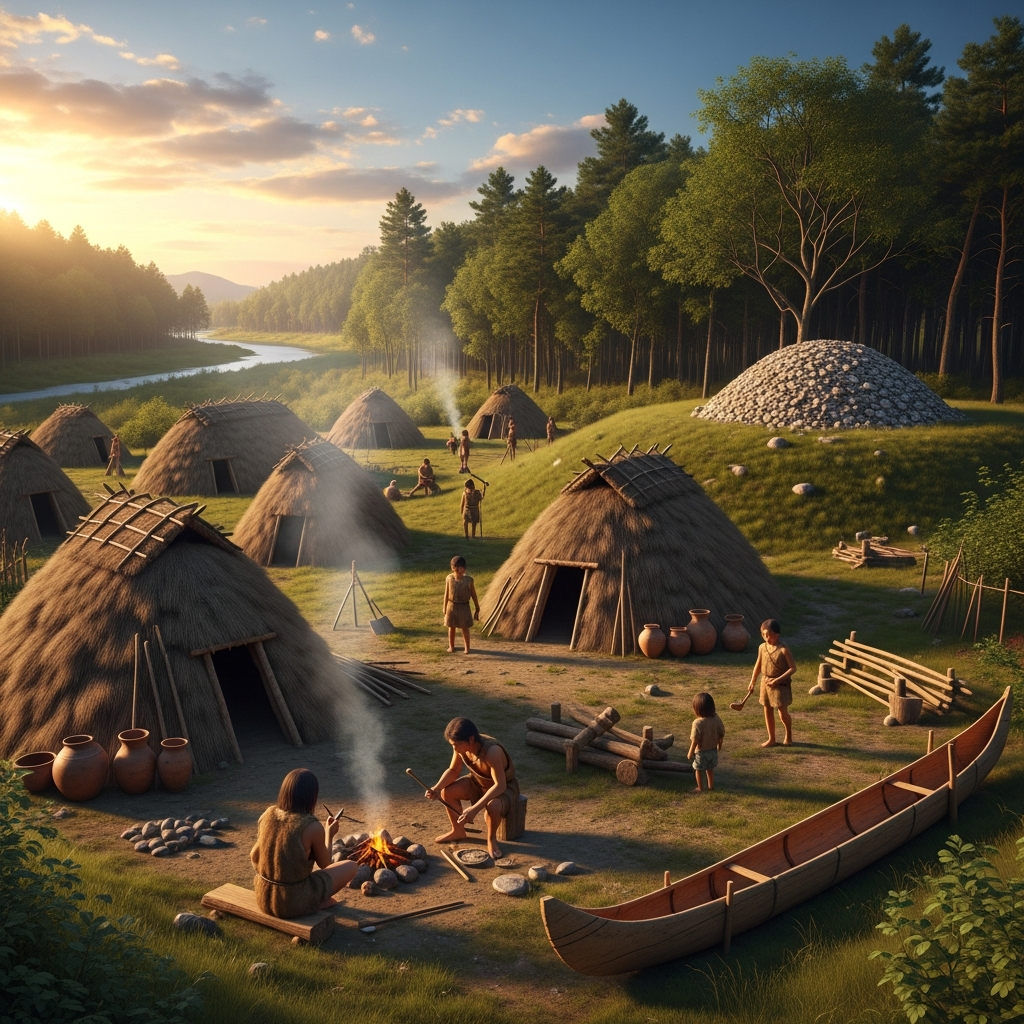
現代の私たちは「縄文」と聞くと、鬱蒼とした森で獣を追いかける野性的な狩猟生活を思い浮かべがちだが、御所野の土が語る物語は、それとはまったく次元の異なる高度な「知性」の存在を証明している。その象徴が、特徴的な「土屋根の竪穴建物」だ。発掘時、炭化した木材の上に焼けた土が幾層にも重なって発見された。これは、建物の屋根が一般的な茅葺きではなく、土で覆われていたことを示す地質学的・考古学的な大発見であった。厳しい北東北の冬を越すため、彼らは土が持つ断熱性と蓄熱性を熟知し、自然の素材を建築工学へと昇華させていたのである。
そして、彼らの命を繋いだ最大の恩人こそが、森に降り注ぐ「どんぐり」や栗、クルミといった堅果類であった。秋、森の地面を埋め尽くすどんぐりは、豊穣の象徴であると同時に、そのままでは強烈な渋み(タンニン)があり、お世辞にも食料とは呼べない代物だ。しかし、御所野の縄文人たちは、単なる採集者ではなく、森の理(ことわり)を知り尽くした優秀な「化学者」でもあった。彼らは木灰からアルカリ性の灰汁を抽出し、精巧な縄文土器の中でどんぐりを何日も煮沸してアクを抜くという、驚くべき化学反応を日常的に操っていたのである。すり石で丁寧に粉状にされ、丸めて焼かれたどんぐりクッキーの香ばしい匂いが、五千年前のこの丘には確かに漂っていたはずだ。
森を切り拓き、一方的に搾取するのではなく、森のサイクルの一部として自らを位置づける。秋になれば祈りとともに木の実を拾い、火を囲んで土器で煮炊きをする。その土器すらも、やがては砕けて土へと還り、再び森を育む苗床となる。御所野遺跡に立つ土屋根の家々を眺めていると、現代の私たちが失ってしまった「足るを知る」という真の豊かさが、どんぐりという小さな木の実の中に凝縮されていることに気づかされる。岩手の風土は、この静かで深い縄文の鼓動を、今も密やかに守り続けているのだ。
The “Science of Jomon” Nurtured by Earth, Fire, and Sunlight Filtering Through the Forest
The “Science of Jomon” Nurtured by Earth, Fire, and Sunlight Filtering Through the Forest
Step into the Goshono Site in Ichinohe, nestled in the gentle rolling hills of northern Iwate Prefecture, and you will feel the memories of five millennia quietly rising from the earth alongside the cool, sylvan breath of the forest. This site is the ultimate sanctuary of symbiosis between nature and humanity, a civilization that blossomed during the Middle Jomon period (approximately 5,000 to 4,000 years ago).
When modern people hear the word “Jomon,” they often picture a wild, primitive hunting lifestyle chasing beasts through dense woods. However, the narrative whispered by the soil of Goshono reveals a profoundly different, highly sophisticated intellect. The epitome of this wisdom is their unique earth-roofed pit dwellings. During excavations, archaeologists discovered layers of burnt earth resting atop carbonized wooden rafters. This geological and archaeological revelation proved that the roofs were not thatched with mere pampas grass, but heavily covered with earth. To survive the unforgiving winters of northern Tohoku, the Jomon people possessed an intimate understanding of the thermal insulation and heat-retention properties of soil, elevating natural materials into practical architectural engineering.
Yet, the greatest benefactor that sustained their lives was the bounty of nuts raining down from the canopy—acorns, chestnuts, and walnuts. In autumn, the forest floor is blanketed with acorns, a symbol of abundance, but raw acorns contain harsh tannins, making them utterly inedible. The Jomon people of Goshono, however, were not mere foragers; they were astute chemists who thoroughly understood the logic of the forest. They routinely manipulated complex chemical reactions, extracting alkaline lye from wood ash to boil and leach the bitterness from the acorns inside their exquisite earthen vessels over several days. The savory aroma of acorn cookies, meticulously ground into flour with stone tools and baked over an open flame, undoubtedly wafted across this very hill 5,000 years ago.
Rather than unilaterally clearing and exploiting the forest, they positioned themselves as an integral part of its eternal cycle. When autumn arrived, they gathered nuts with reverence, sitting around the fire to cook in earthen pots. Even those very pots would eventually shatter, returning to the earth to become the seedbed for a new forest. Gazing at the earth-roofed houses standing at the Goshono Site, one realizes that the true wealth of “knowing contentment” was condensed within the tiny acorn. The climate and landscape of Iwate continue to subtly safeguard this quiet, profound heartbeat of the Jomon people. Earth, wood, fire, water. They maximized the blessings bestowed by nature, seeking nothing in excess. This was not merely a primitive way of life, but a sophisticated philosophy of existence, positioning themselves within the cyclical tapestry of life. Across five millennia, the wind blowing through the Goshono site asks us about an alternative form of richness, different from the progress pursued by modern society. Rooted in the earth and attuned to the whispers of the forest, the wisdom of the Jomon serves as a quiet yet steadfast beacon, illuminating a path to the future for us living in an era of insatiable consumption. Here, in Iwate, we can still perceive that ancient breath.
■ WordPress設定データ
カテゴリー: 県北 Northern Iwate
タグ: 縄文時代, 御所野遺跡, 一戸町, 自然共生, 古代の知恵
アクセスポイント(座標): 39.9722, 141.2764