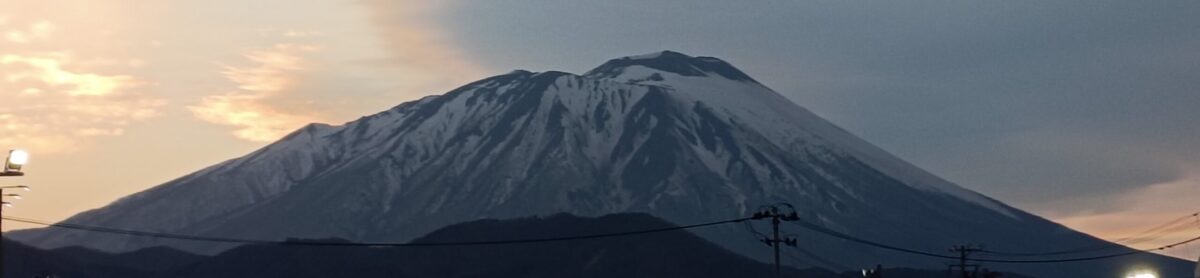
岩手の深層を辿る:イギリス海岸の泥岩から三王岩の荒波へ / Tracing Iwate’s Depths: From the Mudstones of the British Coast to the Wild Waves of San’o-iwa

地質学が語る岩手の壮大な物語

宮沢賢治が愛した「イギリス海岸」の静謐な泥岩と、宮古市の海岸線に聳え立つ「三王岩」が突きつける荒々しい自然の造形。これらは一見、何の関係もない別々の観光地のように思えるかもしれません。しかし、地質学というレンズを通せば、これらは岩手という土地が歩んできた壮大な物語の「起」と「結」であることがわかります。北上川のほとりで眠る太古の記憶と、太平洋の激流に削り出された現代の彫刻。この二つの地点を結ぶとき、岩手の風景は単なる景勝地から、地球の鼓動を感じる深淵なフィールドへと姿を変えます。

The Geological Narrative of Iwate

The serene mudstone of the “British Coast,” beloved by Kenji Miyazawa, and the rugged, towering San’o-iwa Rocks in Miyako City may seem like disparate, unrelated tourist spots at first glance. Yet, through the lens of geology, they represent the beginning and the climax of the epic narrative that defines the land of Iwate. By connecting the ancient memories resting along the Kitakami River with the modern sculptures carved by the violent Pacific, the landscapes of Iwate transform from mere scenic spots into a profound field where one can feel the very heartbeat of the Earth.

イギリス海岸:北上川が暴く太古の海底

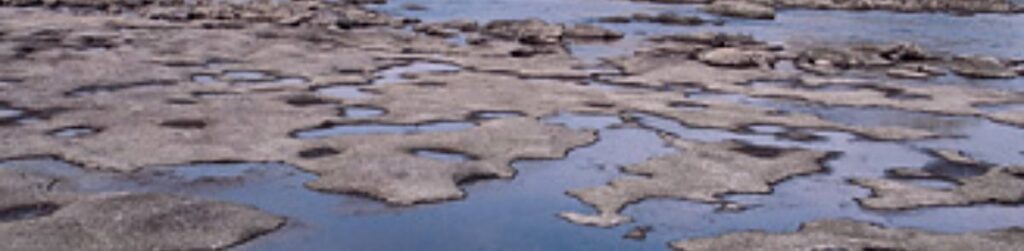
花巻市にあるイギリス海岸。詩人・宮沢賢治が名付けたこの場所は、北上川の渇水期に現れる白い泥岩の層です。一見するとただの川原の岩肌ですが、これは数百万年前、この地がまだ深い海の底であったことを示す動かぬ証拠です。堆積した泥は、地殻変動という地球規模の力によって隆起し、やがて北上川の浸食作用によって再び太陽の光を浴びることとなりました。賢治はここに、イギリスのドーバー海峡のような風景を見出したと言われています。泥岩という「静」の素材は、岩手がかつて海洋プレートの衝突によって生まれた地であることを、静かに、しかし雄弁に物語っています。

The British Coast: Ancient Seafloor Revealed

Located in Hanamaki City, the British Coast—named by the poet Kenji Miyazawa—is a layer of white mudstone revealed during the dry season of the Kitakami River. At first glance, it appears to be nothing more than a rocky riverbank, yet it is irrefutable evidence that this region was once deep beneath the ocean millions of years ago. The accumulated mud was uplifted by the tectonic forces of the Earth, eventually to be bathed in sunlight once again through the erosive power of the Kitakami River. It is said that Miyazawa saw in this place a landscape reminiscent of the English coast. This mudstone, a material of “stillness,” quietly yet eloquently tells the story of how Iwate was born from the collision of oceanic plates.

三王岩:太平洋と対峙する「動」の造形

イギリス海岸の泥岩から東へ。北上山地を越え、太平洋の荒波が打ち寄せる宮古市へ向かうと、全く異なる地質のドラマが展開されます。そこに鎮座するのが、高さ約50メートルの男岩、女岩、太鼓岩からなる「三王岩」です。これらは、大陸の一部であった岩盤が波の浸食によって切り離された「海食柱(スタック)」と呼ばれる地形です。イギリス海岸が「堆積」の歴史であるならば、三王岩は「侵食」の歴史です。太平洋の猛烈なエネルギーが、数百万年かけて岩盤を彫刻し、この圧倒的な造形美を作り上げました。荒波に晒され、崩れ落ちては新たな姿を見せる三王岩は、今この瞬間も地球が動いていることを私たちに突きつけています。

San’o-iwa: The Sculptures of “Motion” Defying the Pacific

Heading east from the mudstones of the British Coast, crossing the Kitakami Mountains to Miyako City where the wild Pacific waves crash, a completely different geological drama unfolds. Here stands “San’o-iwa,” consisting of three monoliths—the Otokoiwa (Man Rock), Onnaiwa (Woman Rock), and Taikoiwa (Drum Rock)—reaching heights of nearly 50 meters. These are “sea stacks,” landforms once part of the mainland that have been separated by the relentless erosion of the waves. If the British Coast is a history of “sedimentation,” San’o-iwa is a history of erosion. The ferocious energy of the Pacific has sculpted the bedrock over millions of years to forge this overwhelming beauty. Battered by rough waves, crumbling and reshaping into new forms, San’o-iwa powerfully reminds us that the Earth is alive and in motion at this very second.
泥岩の星屑と四次元の切符:花巻で読み解く宮沢賢治の宇宙 / Stardust in Mudstone and a Ticket to the Fourth Dimension: Deciphering Kenji Miyazawa’s Cosmos in Hanamaki

大地と銀河が交差するイーハトーブの夜

宵闇が迫る花巻。遠くを走る釜石線の車輪の響きが、夜露に濡れた冷涼な空気を震わせる時、私たちはふと、夜空に架かる目に見えないレールを幻視してしまう。ここ岩手県花巻市は、孤高の詩人であり童話作家、そして農学校の教師であった宮沢賢治が、その短い生涯を燃やし尽くした心象世界「イーハトーブ(理想郷)」の心臓部である。

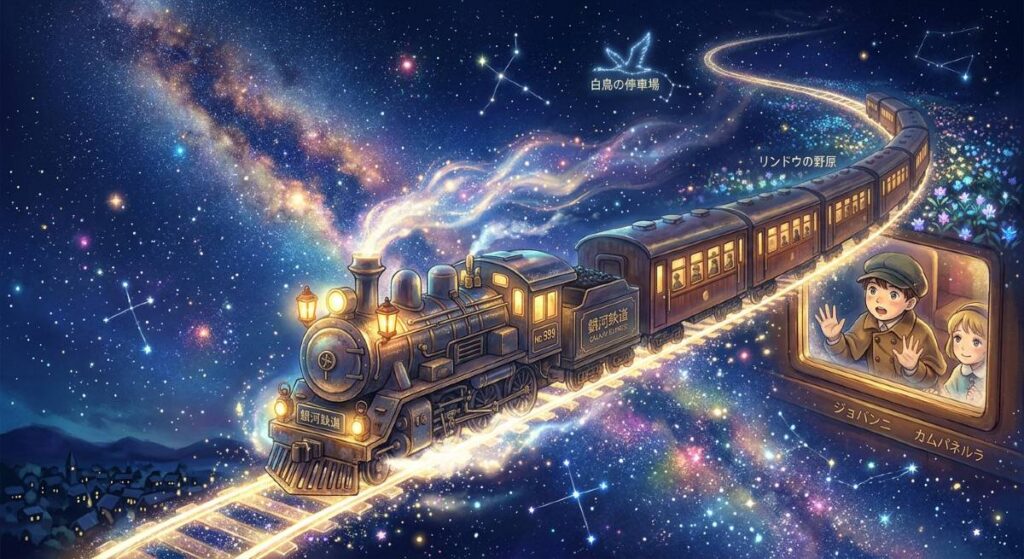
彼の代表作『銀河鉄道の夜』の壮大な宇宙観は、彼が天上ばかりを見上げていたから生まれたのではない。驚くべきことに、その宇宙は彼が踏みしめた足元の「泥」から始まっている。賢治は「石っこ賢さん」とあだ名されるほど熱心な地質学者でもあった。北上川の岸辺に露出する第三紀の凝灰質の泥岩層——彼が「イギリス海岸」と名付けた白亜の岸辺で、賢治は古代のバタグルミの化石や偶蹄類の足跡を夢中になって掘り起こした。暗く冷たい地層という途方もない時間を遡る行為は、彼にとって空間の広がり、すなわち四次元の宇宙を見つめることと同義であったのだ。地球の骨格に直接触れようとする地質学の眼差しが、夜空の星座(さそり座の赤い星や白鳥の停車場)を単なる神話の羅列ではなく、生々しい質量を持った「鉱石のまたたき」へと昇華させたのである。

さらに、あの美しくも哀切な銀河の旅を奥底で駆動させているのは、深き喪失の記憶と、厳しい風土への鎮魂である。大正11年、『あめゆじゅとてちてけんじゃ(雨雪をとってきてください)』という哀切な祈りを残し、最愛の妹トシが24歳で結核によりこの世を去った。賢治がトシの魂の行方を暗闇の中に追い求め、深い悲哀の底で法華経の自己犠牲の精神と向き合った凄絶な格闘こそが、ジョバンニとカンパネルラの切ない旅路を形作っている。同時に、当時の岩手は度重なる冷害に見舞われ、農民たちは飢えと貧困に喘いでいた。賢治が身を粉にして「羅須地人協会」を設立し、土に塗れて肥料設計に奔走したのは、宇宙的スケールの理想を、泥まみれで理不尽な現実世界に接ぎ木しようとする痛ましいまでの試みであった。

花巻の冷たい夜風に吹かれながら星を見上げるとき、あなたは気づくはずだ。賢治の描いた銀河は、決して遠い空の上の甘美なファンタジーではない。それは、厳しい自然と向き合う東北の風土、愛する者の死という逃れられない人間の宿命、そして足元の地層に眠る悠久の時が混然一体となって発光する、命の明滅そのものである。「ほんとうの幸いとは何か」——花巻の地を踏む者は皆、胸の内にあの『どこまでも行ける切符』を密かに握りしめ、終わりのない問いへと乗車することになるのだ。

The Night in Ihatov Where the Earth and the Galaxy Intersect

As dusk descends upon Hanamaki, the rhythmic clatter of wheels from the distant Kamaishi Line vibrates through the dew-kissed, crisp air, almost compelling one to hallucinate an invisible railway tracing its way across the night sky. Hanamaki, a quiet city in Iwate Prefecture, is the very heartbeat of “Ihatov”—the visionary mental utopia conceived by Kenji Miyazawa, a solitary poet, fairy-tale author, and agricultural teacher who burned brightly through his brief, incandescent life in this land.

The majestic cosmic view depicted in his magnum opus, *Night on the Galactic Railroad*, was not born merely from gazing up at the heavens. Surprisingly, his cosmos begins in the very “mud” beneath his feet. Miyazawa was a devoted geologist, affectionately known as “Ken the Pebble Child.” At the “English Coast,” a name he gave to the white banks of tertiary tuffaceous mudstone exposed along the Kitakami River, he passionately excavated ancient walnut fossils and footprints of prehistoric ungulates. For him, the act of tracing the unimaginable epochs hidden within the dark, cold geological strata was synonymous with gazing into the infinite expanse of space—the fourth-dimensional universe. His geological eye, which sought to touch the bare skeleton of the earth, elevated the constellations—the red eye of Scorpius, the Northern Cross—from mere mythological symbols into palpable, glowing “minerals” with raw, physical mass.

Furthermore, the profound force driving that beautiful yet sorrowful galactic journey is the memory of deep loss and a requiem for a harsh natural environment. In 1922, leaving behind the heart-rending prayer “ame yuju tote chite kenja” (bring me some rain-snow) recorded in his poem *Morning of Last Farewell*, his beloved younger sister, Toshi, succumbed to tuberculosis at the age of 24. Miyazawa’s desperate quest to trace the whereabouts of her soul in the darkness, intertwined with his fierce spiritual struggle to embody the altruistic, self-sacrificing teachings of the Lotus Sutra amidst his grief, forged the heartbreaking odyssey of Giovanni and Campanella. We must also remember the harsh historical context of Iwate at the time; repeated cold-weather damage (reigai) left local farmers suffering from starvation and severe poverty. Miyazawa’s establishment of the Rasuchijin Society, where he covered himself in soil to analyze fertilizers and aid the farmers, was a painstakingly earnest attempt to graft a cosmos-scaled ideal onto a mud-spattered, unforgiving reality.

When you stand in Hanamaki, looking up at the stars while embraced by the cool night wind, a realization will dawn upon you. The galaxy Miyazawa depicted is not some remote, sweet fantasy in the sky. It is the very luminescence of life itself—a seamless amalgamation of the austere Tohoku climate, the inescapable human fate of mortal loss, and the eternal time slumbering in the bedrock beneath. “What is true happiness?”—Anyone who sets foot on the soil of Hanamaki finds themselves secretly clutching that “ticket that can take you anywhere,” setting sail on a voyage toward an endless, wordless inquiry: “What is true happiness?” The galaxy Kenji depicted is not a mere sweet fantasy in the distant sky; it is the crystalline luminescence of a soul that confronted the harshness of nature and the sorrow of loss. In the silence of the Hanamaki night, where the mudstone beneath your feet and the stars above your head become one, you will surely feel the warmth of that eternal ticket glowing within your own heart.