北上の詩情から花巻の銀河へ:岩手が紡ぐ「日常」と「宇宙」の対話 / From the Poetic Heart of Kitakami to the Galaxies of Hanamaki: A Dialogue Between the “Everyday” and the “Cosmos” in Iwate

岩手という土地が持つ二重の視点

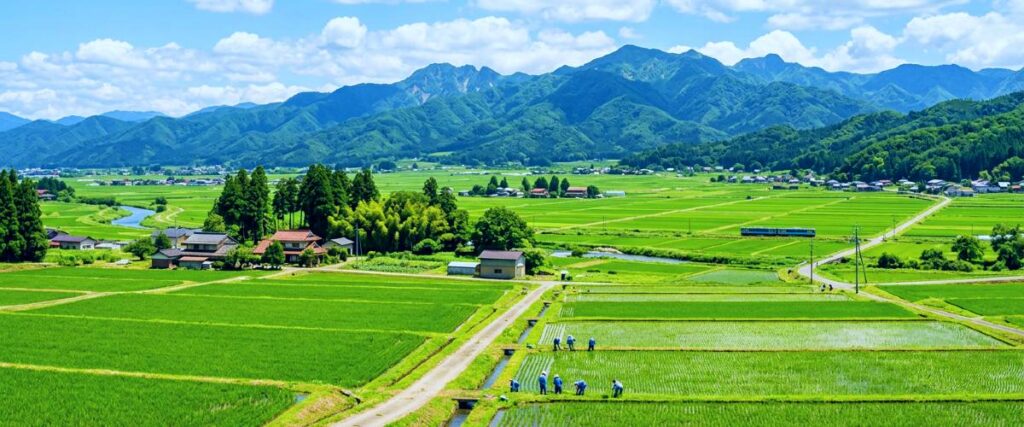
岩手県という広大な大地は、単なる観光地ではない。それは、人間の精神がいかにして世界を認識するかという、深遠な哲学の実験場である。北上川の穏やかな流れに沿って育まれたサトウハチローの「日常への慈しみ」と、花巻の冷涼な風の中で宮沢賢治が夢想した「宇宙的広がり」。この二人の巨人が描き出した世界観は、一見すると対極にあるようでいて、実は「岩手」という同じ土壌から生まれた表裏一体のパズルである。本稿では、この土地でこそ成立する、ミクロからマクロへの認識の跳躍について考察する。

The Dual Perspective of the Iwate Landscape

The vast expanse of Iwate Prefecture is not merely a destination for sightseeing; it is a profound philosophical testing ground for how the human spirit perceives the world. There is the “affection for the everyday” cultivated by Sato Hachiro along the gentle currents of the Kitakami River, and the “cosmic expansion” dreamed of by Kenji Miyazawa amidst the cool winds of Hanamaki. While these two visions might seem polarized at first glance, they are, in fact, two sides of the same puzzle, emerging from the very soil of Iwate. In this article, we explore that leap of perception—from the micro to the macro—that can only be fully realized in this unique land.

北上:サトウハチローが掬い上げた「日常の永遠」

北上を流れる川面を見つめるとき、私たちはサトウハチローの詩『小さい秋みつけた』の旋律を思い出す。彼は、北上の静かな風土の中で、巨大な叙事詩ではなく、足元に落ちている枯葉や、ふと通り過ぎる季節の気配にこそ真実があると見抜いていた。彼の視点は、徹底して「人間的」であり、生活者の目線である。これは、岩手の冬の厳しさと春の歓喜を、身体感覚として受け入れる北上の人々の暮らしそのものである。彼が北上で発見したのは、永遠に続く宇宙の法則ではなく、一瞬にして消えてしまう「今」という時間の尊さであった。

Kitakami: The “Eternity of the Everyday” Gathered by Sato Hachiro

When gazing upon the surface of the Kitakami River, one cannot help but recall the melody of Sato Hachiro’s poem, “Chiisai Aki Mitsuketa” (Found a Little Autumn). In the quiet climate of Kitakami, he perceived that truth lies not in grand epics, but in the fallen leaves at one’s feet and the subtle shifts of the passing seasons. His perspective was thoroughly “human,” rooted in the viewpoint of an ordinary life. This mirrors the lives of the people of Kitakami, who embrace the severity of Iwate’s winters and the joy of its springs as a visceral, physical experience. What he discovered in Kitakami was not the laws of an eternal universe, but the preciousness of the “present” moment, which vanishes as quickly as it appears.

花巻:宮沢賢治が描いた「銀河への跳躍」

一方、北上からわずかに北へ向かった花巻の地で、宮沢賢治は全く異なる次元へと意識を飛ばした。彼は岩手の地質学的な歴史を学び、それを天文学的な時間軸へと接続した。彼のイーハトーブは、現実の岩手でありながら、同時に銀河系の一部であった。賢治にとって、岩手の山々は単なる地形ではなく、星々が降り注ぐ舞台装置に他ならない。彼は、サトウハチローが見つめた「日常の地面」を掘り下げ、その地層の深淵から宇宙の真理を吸い上げたのだ。彼の作品に漂う透明な寂寥感は、人間が宇宙という広大なシステムの中で、いかに小さく、同時にいかにかけがえのない存在であるかを私たちに突きつける。

Hanamaki: The “Leap to the Galaxy” Depicted by Kenji Miyazawa

Meanwhile, just a short distance north in Hanamaki, Kenji Miyazawa projected his consciousness into an entirely different dimension. He studied the geological history of Iwate and connected it to an astronomical timeline. His “Ihatov” was the real Iwate, yet simultaneously a part of the galaxy. To Kenji, the mountains of Iwate were not merely topography; they were a stage where stars descended. He delved into the “everyday ground” that Sato Hachiro observed, and from the depths of those strata, he drew out the truths of the cosmos. The transparent loneliness that permeates his work forces us to realize how small, yet how irreplaceable, we are within the vast system of the universe.

岩手というパズルを完成させるために

北上の「日常」と花巻の「宇宙」。この二つの視点を行き来することこそが、岩手を旅する本当の意味である。私たちは、北上でサトウハチローのように足元の小さな秋に感動し、その足で花巻へ向かい、宮沢賢治のように夜空を見上げて銀河の運行に思いを馳せるべきだ。この二重構造の体験を経て初めて、岩手という土地が持つ重層的な魅力が理解できる。日常の積み重ねが宇宙を形作り、宇宙の広がりが日常を照らし出す。岩手というパズルの最後の一片は、訪れる旅人自身の内側で、静かに、しかし確実に埋め込まれることになるだろう。

Completing the Puzzle of Iwate

The “everyday” of Kitakami and the “cosmos” of Hanamaki—moving between these two perspectives is the true meaning of traveling through Iwate. We should be moved by the small autumn at our feet like Sato Hachiro in Kitakami, and then, on the same journey, look up at the night sky in Hanamaki and contemplate the movement of the galaxies like Kenji Miyazawa. Only through this dual-structured experience can one grasp the multi-layered charm of this land. The accumulation of daily life shapes the universe, and the vastness of the universe illuminates daily life. The final piece of the puzzle that is Iwate will be quietly, yet surely, placed within the heart of the traveler who visits.

📍 アクセス / Access

日本語の交通アクセス:
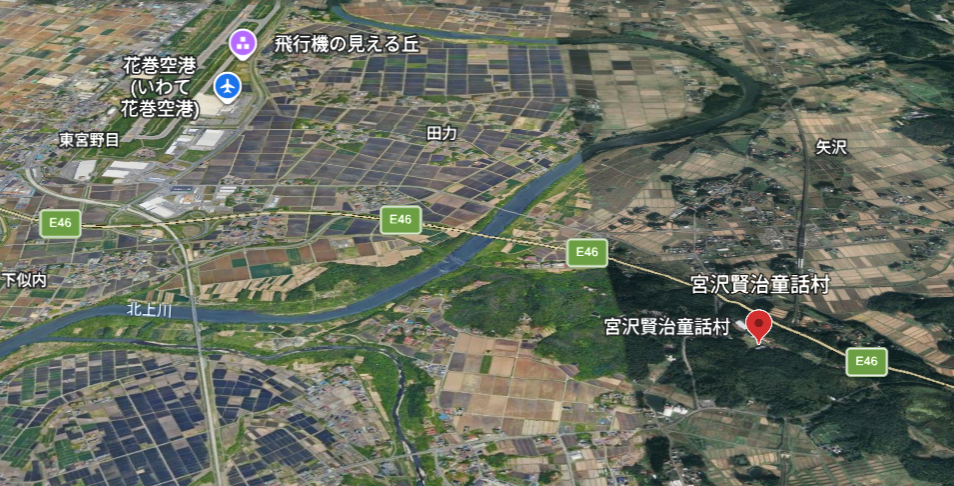
JR花巻駅から岩手県交通バス「宮沢賢治記念館」行きで約20分、「宮沢賢治童話村」下車。
東北自動車道花巻ICから車で約10分。

English access info:
By train: From JR Hanamaki Station, take an Iwate Kotsu bus bound for “Miyazawa Kenji Memorial Museum” for approx. 20 min, get off at

泥岩の星屑と四次元の切符:花巻で読み解く宮沢賢治の宇宙 / Stardust in Mudstone and a Ticket to the Fourth Dimension: Deciphering Kenji Miyazawa’s Cosmos in Hanamaki

大地と銀河が交差するイーハトーブの夜

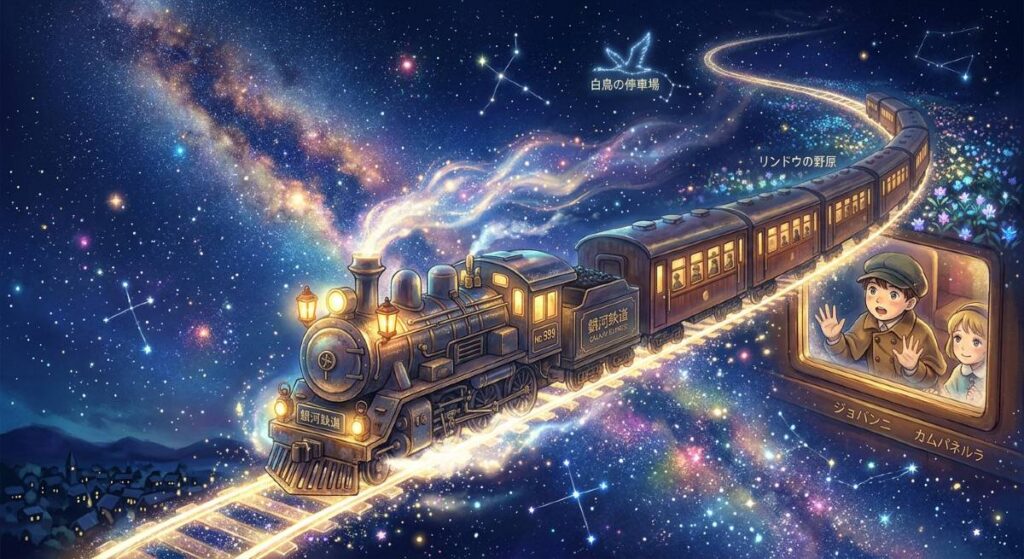
宵闇が迫る花巻。遠くを走る釜石線の車輪の響きが、夜露に濡れた冷涼な空気を震わせる時、私たちはふと、夜空に架かる目に見えないレールを幻視してしまう。ここ岩手県花巻市は、孤高の詩人であり童話作家、そして農学校の教師であった宮沢賢治が、その短い生涯を燃やし尽くした心象世界「イーハトーブ(理想郷)」の心臓部である。

彼の代表作『銀河鉄道の夜』の壮大な宇宙観は、彼が天上ばかりを見上げていたから生まれたのではない。驚くべきことに、その宇宙は彼が踏みしめた足元の「泥」から始まっている。賢治は「石っこ賢さん」とあだ名されるほど熱心な地質学者でもあった。北上川の岸辺に露出する第三紀の凝灰質の泥岩層——彼が「イギリス海岸」と名付けた白亜の岸辺で、賢治は古代のバタグルミの化石や偶蹄類の足跡を夢中になって掘り起こした。暗く冷たい地層という途方もない時間を遡る行為は、彼にとって空間の広がり、すなわち四次元の宇宙を見つめることと同義であったのだ。地球の骨格に直接触れようとする地質学の眼差しが、夜空の星座(さそり座の赤い星や白鳥の停車場)を単なる神話の羅列ではなく、生々しい質量を持った「鉱石のまたたき」へと昇華させたのである。

さらに、あの美しくも哀切な銀河の旅を奥底で駆動させているのは、深き喪失の記憶と、厳しい風土への鎮魂である。大正11年、『あめゆじゅとてちてけんじゃ(雨雪をとってきてください)』という哀切な祈りを残し、最愛の妹トシが24歳で結核によりこの世を去った。賢治がトシの魂の行方を暗闇の中に追い求め、深い悲哀の底で法華経の自己犠牲の精神と向き合った凄絶な格闘こそが、ジョバンニとカンパネルラの切ない旅路を形作っている。同時に、当時の岩手は度重なる冷害に見舞われ、農民たちは飢えと貧困に喘いでいた。賢治が身を粉にして「羅須地人協会」を設立し、土に塗れて肥料設計に奔走したのは、宇宙的スケールの理想を、泥まみれで理不尽な現実世界に接ぎ木しようとする痛ましいまでの試みであった。

花巻の冷たい夜風に吹かれながら星を見上げるとき、あなたは気づくはずだ。賢治の描いた銀河は、決して遠い空の上の甘美なファンタジーではない。それは、厳しい自然と向き合う東北の風土、愛する者の死という逃れられない人間の宿命、そして足元の地層に眠る悠久の時が混然一体となって発光する、命の明滅そのものである。「ほんとうの幸いとは何か」——花巻の地を踏む者は皆、胸の内にあの『どこまでも行ける切符』を密かに握りしめ、終わりのない問いへと乗車することになるのだ。

The Night in Ihatov Where the Earth and the Galaxy Intersect

As dusk descends upon Hanamaki, the rhythmic clatter of wheels from the distant Kamaishi Line vibrates through the dew-kissed, crisp air, almost compelling one to hallucinate an invisible railway tracing its way across the night sky. Hanamaki, a quiet city in Iwate Prefecture, is the very heartbeat of “Ihatov”—the visionary mental utopia conceived by Kenji Miyazawa, a solitary poet, fairy-tale author, and agricultural teacher who burned brightly through his brief, incandescent life in this land.

The majestic cosmic view depicted in his magnum opus, *Night on the Galactic Railroad*, was not born merely from gazing up at the heavens. Surprisingly, his cosmos begins in the very “mud” beneath his feet. Miyazawa was a devoted geologist, affectionately known as “Ken the Pebble Child.” At the “English Coast,” a name he gave to the white banks of tertiary tuffaceous mudstone exposed along the Kitakami River, he passionately excavated ancient walnut fossils and footprints of prehistoric ungulates. For him, the act of tracing the unimaginable epochs hidden within the dark, cold geological strata was synonymous with gazing into the infinite expanse of space—the fourth-dimensional universe. His geological eye, which sought to touch the bare skeleton of the earth, elevated the constellations—the red eye of Scorpius, the Northern Cross—from mere mythological symbols into palpable, glowing “minerals” with raw, physical mass.

Furthermore, the profound force driving that beautiful yet sorrowful galactic journey is the memory of deep loss and a requiem for a harsh natural environment. In 1922, leaving behind the heart-rending prayer “ame yuju tote chite kenja” (bring me some rain-snow) recorded in his poem *Morning of Last Farewell*, his beloved younger sister, Toshi, succumbed to tuberculosis at the age of 24. Miyazawa’s desperate quest to trace the whereabouts of her soul in the darkness, intertwined with his fierce spiritual struggle to embody the altruistic, self-sacrificing teachings of the Lotus Sutra amidst his grief, forged the heartbreaking odyssey of Giovanni and Campanella. We must also remember the harsh historical context of Iwate at the time; repeated cold-weather damage (reigai) left local farmers suffering from starvation and severe poverty. Miyazawa’s establishment of the Rasuchijin Society, where he covered himself in soil to analyze fertilizers and aid the farmers, was a painstakingly earnest attempt to graft a cosmos-scaled ideal onto a mud-spattered, unforgiving reality.

When you stand in Hanamaki, looking up at the stars while embraced by the cool night wind, a realization will dawn upon you. The galaxy Miyazawa depicted is not some remote, sweet fantasy in the sky. It is the very luminescence of life itself—a seamless amalgamation of the austere Tohoku climate, the inescapable human fate of mortal loss, and the eternal time slumbering in the bedrock beneath. “What is true happiness?”—Anyone who sets foot on the soil of Hanamaki finds themselves secretly clutching that “ticket that can take you anywhere,” setting sail on a voyage toward an endless, wordless inquiry: “What is true happiness?” The galaxy Kenji depicted is not a mere sweet fantasy in the distant sky; it is the crystalline luminescence of a soul that confronted the harshness of nature and the sorrow of loss. In the silence of the Hanamaki night, where the mudstone beneath your feet and the stars above your head become one, you will surely feel the warmth of that eternal ticket glowing within your own heart.

黄金の夢を追う二刀流:花巻の土壌が育んだ大谷翔平と「イーハトーブ」の精神

Pursuit of the Golden Dream: Shohei Ohtani and the Spirit of "Ihatov" Nurtured by Hanamaki’s Soil

現代のベースボール界で不可能を可能にし続ける大谷翔平。彼のルーツは、岩手県花巻市にあります。彼が花巻東高校で過ごした3年間は、単なる技術習得の期間ではありませんでした。それは、宮沢賢治がかつてこの地に描いた「理想郷(イーハトーブ)」の精神――すなわち、既成概念にとらわれず、世界全体の幸福と自らの夢を重ね合わせる高潔な志を、現代の形で具現化するプロセスだったのかもしれません。

花巻東高校:常識を疑うことから始まる挑戦
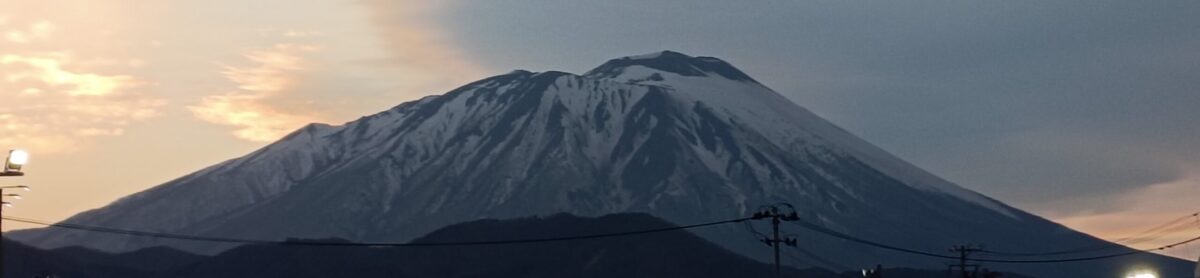
花巻の厳しい冬を越え、岩手山を仰ぎ見て過ごした日々。大谷選手が掲げた「二刀流」という前人未到の挑戦は、この地が持つ「不撓不屈」の精神と、花巻東高校の「先入観は可能を不可能にする」という哲学から生まれました。

賢治の理想と大谷の軌跡
宮沢賢治は「世界がぜんたい幸福にならないうちは個人の幸福はあり得ない」と説きました。大谷選手がグラウンドで見せるゴミ拾いや、常に謙虚でありながら高みを目指す姿勢は、まさに賢治が求めた「デクノボー(自分を勘定に入れず、人のために尽くす聖者)」の現代的な進化系とも言えるでしょう。花巻という土地は、今もなお、世界を驚かせる「純粋な夢」を育む特別な力を持っています。


Shohei Ohtani continues to make the impossible possible in the world of modern baseball. His roots lie in Hanamaki City, Iwate Prefecture. The three years he spent at Hanamaki Higashi High School were more than just a period of technical training. It was a process of embodying, in a modern form, the spirit of "Ihatov"—the utopia once envisioned by Kenji Miyazawa on this very land—a noble ambition to align one's dreams with the happiness of the entire world, free from conventional constraints.

Hanamaki Higashi High School: Challenges Beginning with Questioning Common Sense
Days spent enduring the harsh winters of Hanamaki and looking up at the majestic Mt. Iwate. Ohtani’s unprecedented "two-way" challenge was born from the "indomitable spirit" inherent in this land and the philosophy of Hanamaki Higashi High School: "Preconceptions turn the possible into the impossible."

Kenji’s Ideals and Ohtani’s Trajectory
Kenji Miyazawa taught that "unless the entire world is happy, individual happiness is impossible." Ohtani’s habit of picking up trash on the field and his humble yet relentless pursuit of greatness can be seen as a modern evolution of the "Dekunobo"—the selfless figure Kenji aspired to be, who works for others without regard for personal gain. The land of Hanamaki still possesses a special power to nurture "pure dreams" that astonish the world.