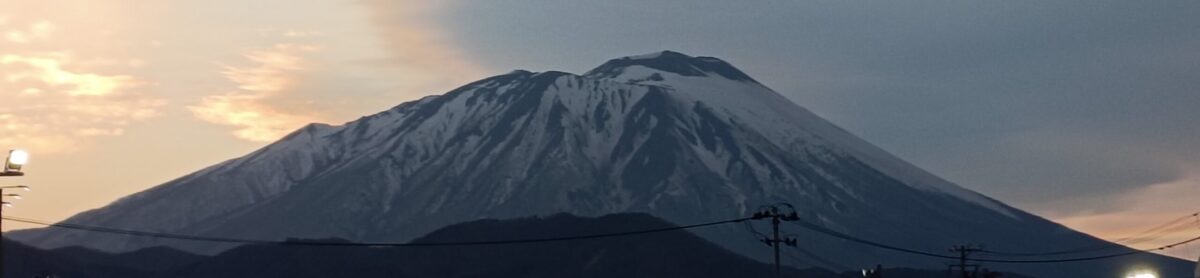
北上の詩情から花巻の銀河へ:岩手が紡ぐ「日常」と「宇宙」の対話 / From the Poetic Heart of Kitakami to the Galaxies of Hanamaki: A Dialogue Between the “Everyday” and the “Cosmos” in Iwate

岩手という土地が持つ二重の視点

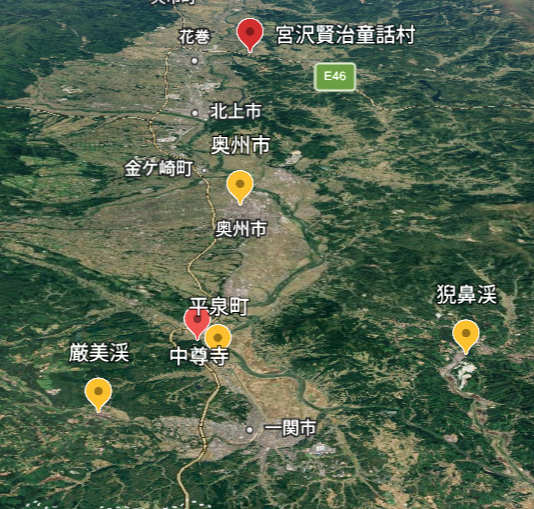
岩手県という広大な大地は、単なる観光地ではない。それは、人間の精神がいかにして世界を認識するかという、深遠な哲学の実験場である。北上川の穏やかな流れに沿って育まれたサトウハチローの「日常への慈しみ」と、花巻の冷涼な風の中で宮沢賢治が夢想した「宇宙的広がり」。この二人の巨人が描き出した世界観は、一見すると対極にあるようでいて、実は「岩手」という同じ土壌から生まれた表裏一体のパズルである。本稿では、この土地でこそ成立する、ミクロからマクロへの認識の跳躍について考察する。

The Dual Perspective of the Iwate Landscape

The vast expanse of Iwate Prefecture is not merely a destination for sightseeing; it is a profound philosophical testing ground for how the human spirit perceives the world. There is the “affection for the everyday” cultivated by Sato Hachiro along the gentle currents of the Kitakami River, and the “cosmic expansion” dreamed of by Kenji Miyazawa amidst the cool winds of Hanamaki. While these two visions might seem polarized at first glance, they are, in fact, two sides of the same puzzle, emerging from the very soil of Iwate. In this article, we explore that leap of perception—from the micro to the macro—that can only be fully realized in this unique land.

北上:サトウハチローが掬い上げた「日常の永遠」

北上を流れる川面を見つめるとき、私たちはサトウハチローの詩『小さい秋みつけた』の旋律を思い出す。彼は、北上の静かな風土の中で、巨大な叙事詩ではなく、足元に落ちている枯葉や、ふと通り過ぎる季節の気配にこそ真実があると見抜いていた。彼の視点は、徹底して「人間的」であり、生活者の目線である。これは、岩手の冬の厳しさと春の歓喜を、身体感覚として受け入れる北上の人々の暮らしそのものである。彼が北上で発見したのは、永遠に続く宇宙の法則ではなく、一瞬にして消えてしまう「今」という時間の尊さであった。

Kitakami: The “Eternity of the Everyday” Gathered by Sato Hachiro

When gazing upon the surface of the Kitakami River, one cannot help but recall the melody of Sato Hachiro’s poem, “Chiisai Aki Mitsuketa” (Found a Little Autumn). In the quiet climate of Kitakami, he perceived that truth lies not in grand epics, but in the fallen leaves at one’s feet and the subtle shifts of the passing seasons. His perspective was thoroughly “human,” rooted in the viewpoint of an ordinary life. This mirrors the lives of the people of Kitakami, who embrace the severity of Iwate’s winters and the joy of its springs as a visceral, physical experience. What he discovered in Kitakami was not the laws of an eternal universe, but the preciousness of the “present” moment, which vanishes as quickly as it appears.

花巻:宮沢賢治が描いた「銀河への跳躍」

一方、北上からわずかに北へ向かった花巻の地で、宮沢賢治は全く異なる次元へと意識を飛ばした。彼は岩手の地質学的な歴史を学び、それを天文学的な時間軸へと接続した。彼のイーハトーブは、現実の岩手でありながら、同時に銀河系の一部であった。賢治にとって、岩手の山々は単なる地形ではなく、星々が降り注ぐ舞台装置に他ならない。彼は、サトウハチローが見つめた「日常の地面」を掘り下げ、その地層の深淵から宇宙の真理を吸い上げたのだ。彼の作品に漂う透明な寂寥感は、人間が宇宙という広大なシステムの中で、いかに小さく、同時にいかにかけがえのない存在であるかを私たちに突きつける。

Hanamaki: The “Leap to the Galaxy” Depicted by Kenji Miyazawa

Meanwhile, just a short distance north in Hanamaki, Kenji Miyazawa projected his consciousness into an entirely different dimension. He studied the geological history of Iwate and connected it to an astronomical timeline. His “Ihatov” was the real Iwate, yet simultaneously a part of the galaxy. To Kenji, the mountains of Iwate were not merely topography; they were a stage where stars descended. He delved into the “everyday ground” that Sato Hachiro observed, and from the depths of those strata, he drew out the truths of the cosmos. The transparent loneliness that permeates his work forces us to realize how small, yet how irreplaceable, we are within the vast system of the universe.

岩手というパズルを完成させるために

北上の「日常」と花巻の「宇宙」。この二つの視点を行き来することこそが、岩手を旅する本当の意味である。私たちは、北上でサトウハチローのように足元の小さな秋に感動し、その足で花巻へ向かい、宮沢賢治のように夜空を見上げて銀河の運行に思いを馳せるべきだ。この二重構造の体験を経て初めて、岩手という土地が持つ重層的な魅力が理解できる。日常の積み重ねが宇宙を形作り、宇宙の広がりが日常を照らし出す。岩手というパズルの最後の一片は、訪れる旅人自身の内側で、静かに、しかし確実に埋め込まれることになるだろう。

Completing the Puzzle of Iwate

The “everyday” of Kitakami and the “cosmos” of Hanamaki—moving between these two perspectives is the true meaning of traveling through Iwate. We should be moved by the small autumn at our feet like Sato Hachiro in Kitakami, and then, on the same journey, look up at the night sky in Hanamaki and contemplate the movement of the galaxies like Kenji Miyazawa. Only through this dual-structured experience can one grasp the multi-layered charm of this land. The accumulation of daily life shapes the universe, and the vastness of the universe illuminates daily life. The final piece of the puzzle that is Iwate will be quietly, yet surely, placed within the heart of the traveler who visits.

📍 アクセス / Access

日本語の交通アクセス:
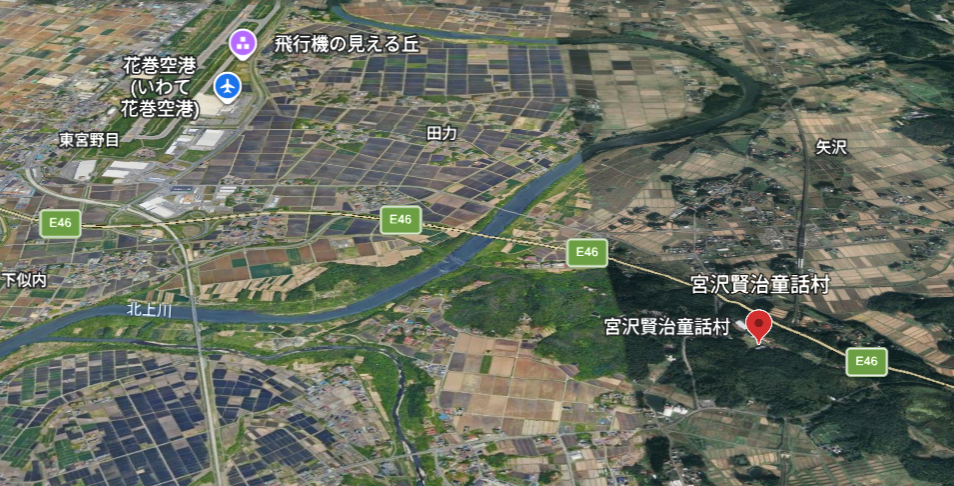
JR花巻駅から岩手県交通バス「宮沢賢治記念館」行きで約20分、「宮沢賢治童話村」下車。
東北自動車道花巻ICから車で約10分。

English access info:
By train: From JR Hanamaki Station, take an Iwate Kotsu bus bound for “Miyazawa Kenji Memorial Museum” for approx. 20 min, get off at

岩手の深層を辿る:イギリス海岸の泥岩から三王岩の荒波へ / Tracing Iwate’s Depths: From the Mudstones of the British Coast to the Wild Waves of San’o-iwa

地質学が語る岩手の壮大な物語

宮沢賢治が愛した「イギリス海岸」の静謐な泥岩と、宮古市の海岸線に聳え立つ「三王岩」が突きつける荒々しい自然の造形。これらは一見、何の関係もない別々の観光地のように思えるかもしれません。しかし、地質学というレンズを通せば、これらは岩手という土地が歩んできた壮大な物語の「起」と「結」であることがわかります。北上川のほとりで眠る太古の記憶と、太平洋の激流に削り出された現代の彫刻。この二つの地点を結ぶとき、岩手の風景は単なる景勝地から、地球の鼓動を感じる深淵なフィールドへと姿を変えます。

The Geological Narrative of Iwate

The serene mudstone of the “British Coast,” beloved by Kenji Miyazawa, and the rugged, towering San’o-iwa Rocks in Miyako City may seem like disparate, unrelated tourist spots at first glance. Yet, through the lens of geology, they represent the beginning and the climax of the epic narrative that defines the land of Iwate. By connecting the ancient memories resting along the Kitakami River with the modern sculptures carved by the violent Pacific, the landscapes of Iwate transform from mere scenic spots into a profound field where one can feel the very heartbeat of the Earth.

イギリス海岸:北上川が暴く太古の海底

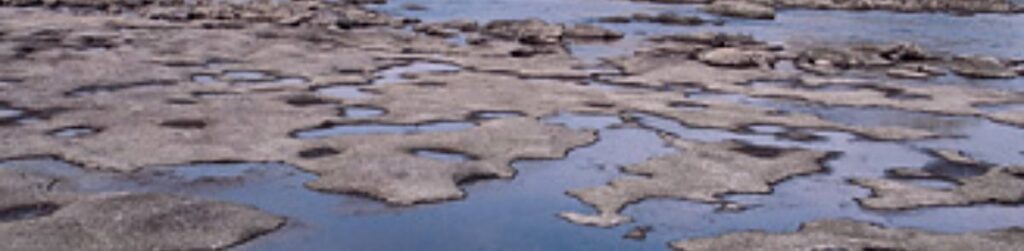
花巻市にあるイギリス海岸。詩人・宮沢賢治が名付けたこの場所は、北上川の渇水期に現れる白い泥岩の層です。一見するとただの川原の岩肌ですが、これは数百万年前、この地がまだ深い海の底であったことを示す動かぬ証拠です。堆積した泥は、地殻変動という地球規模の力によって隆起し、やがて北上川の浸食作用によって再び太陽の光を浴びることとなりました。賢治はここに、イギリスのドーバー海峡のような風景を見出したと言われています。泥岩という「静」の素材は、岩手がかつて海洋プレートの衝突によって生まれた地であることを、静かに、しかし雄弁に物語っています。

The British Coast: Ancient Seafloor Revealed

Located in Hanamaki City, the British Coast—named by the poet Kenji Miyazawa—is a layer of white mudstone revealed during the dry season of the Kitakami River. At first glance, it appears to be nothing more than a rocky riverbank, yet it is irrefutable evidence that this region was once deep beneath the ocean millions of years ago. The accumulated mud was uplifted by the tectonic forces of the Earth, eventually to be bathed in sunlight once again through the erosive power of the Kitakami River. It is said that Miyazawa saw in this place a landscape reminiscent of the English coast. This mudstone, a material of “stillness,” quietly yet eloquently tells the story of how Iwate was born from the collision of oceanic plates.

三王岩:太平洋と対峙する「動」の造形

イギリス海岸の泥岩から東へ。北上山地を越え、太平洋の荒波が打ち寄せる宮古市へ向かうと、全く異なる地質のドラマが展開されます。そこに鎮座するのが、高さ約50メートルの男岩、女岩、太鼓岩からなる「三王岩」です。これらは、大陸の一部であった岩盤が波の浸食によって切り離された「海食柱(スタック)」と呼ばれる地形です。イギリス海岸が「堆積」の歴史であるならば、三王岩は「侵食」の歴史です。太平洋の猛烈なエネルギーが、数百万年かけて岩盤を彫刻し、この圧倒的な造形美を作り上げました。荒波に晒され、崩れ落ちては新たな姿を見せる三王岩は、今この瞬間も地球が動いていることを私たちに突きつけています。

San’o-iwa: The Sculptures of “Motion” Defying the Pacific

Heading east from the mudstones of the British Coast, crossing the Kitakami Mountains to Miyako City where the wild Pacific waves crash, a completely different geological drama unfolds. Here stands “San’o-iwa,” consisting of three monoliths—the Otokoiwa (Man Rock), Onnaiwa (Woman Rock), and Taikoiwa (Drum Rock)—reaching heights of nearly 50 meters. These are “sea stacks,” landforms once part of the mainland that have been separated by the relentless erosion of the waves. If the British Coast is a history of “sedimentation,” San’o-iwa is a history of erosion. The ferocious energy of the Pacific has sculpted the bedrock over millions of years to forge this overwhelming beauty. Battered by rough waves, crumbling and reshaping into new forms, San’o-iwa powerfully reminds us that the Earth is alive and in motion at this very second.

岩手の空と大地を繋ぐ:八幡平ドラゴンアイと宮沢賢治の宇宙 / Connecting Iwate’s Earth and Sky: The Hachimantai Dragon Eye and the Universe of Kenji Miyazawa

宮沢賢治の「よだか」が夢見た空と、地上の鏡

宮沢賢治の童話『よだかの星』において、醜いと蔑まれたよだかは、誰にも愛されない絶望の果てに、自らを燃やして星へと昇華しました。あの物語が描いたのは、峻烈な孤独と、その先にある永遠の光です。岩手県八幡平の山頂付近に、春のわずかな期間だけ姿を現す「ドラゴンアイ(鏡沼)」は、まさに賢治が空に求めた輝きを地上に映し出したかのような神秘を湛えています。この雪解けの現象は、単なる観光資源ではありません。冬の深い眠りから覚め、再び生命が循環を始める地球の「脈動」を観測する、一つの儀式なのです。

The Sky Dreamed by Kenji Miyazawa’s “Nighthawk” and the Mirror on Earth

In Kenji Miyazawa’s fable “The Nighthawk Star,” the bird, despised for its ugliness, reaches the depths of despair before burning itself into a star. That story depicts a harrowing solitude and the eternal light that lies beyond it. The “Dragon Eye” (Kagami-numa) in the Hachimantai mountains, appearing for only a brief moment in spring, seems to reflect that very celestial radiance upon the earth. This phenomenon of melting snow is more than a tourist attraction; it is a ritual—an observation of the Earth’s “pulse” as it awakens from its deep winter slumber and prepares for the cycle of life to begin anew.

ドラゴンアイ:雪が描く幾何学的な「眼」の謎

八幡平山頂の鏡沼で発生する「ドラゴンアイ」は、雪解けの進み具合によって、中心部に雪が残り、周囲が水に囲まれることで、まるで巨大な龍の眼のように見える現象です。なぜ、この場所でこれほどまでに美しい同心円状の模様が描かれるのでしょうか。それは、地形、積雪量、そして春の風が織りなす複雑なパズルのような重なり合いによるものです。雪が溶ける際のわずかな水流と、凍結と融解を繰り返す地熱のバランスが、この「眼」を形作ります。人間が到達できない高みから俯瞰すれば、それは自然という名の巨大な彫刻家が、一瞬だけ見せる傑作のように感じられるはずです。

The Dragon Eye: The Mystery of the Geometric “Eye” Drawn by Snow

The “Dragon Eye” at Kagami-numa is a phenomenon where the snow melts in such a way that it leaves a center of white surrounded by water, resembling the eye of a colossal dragon. Why does such a perfect, concentric pattern appear here? It is the result of a complex puzzle woven from topography, snow depth, and the spring winds. The balance between the slight currents of melting snow and the geothermal heat that fluctuates through cycles of freezing and thawing shapes this “eye.” If one were to gaze down from a height unattainable by humans, it would feel like a masterpiece revealed for but a fleeting moment by the colossal sculptor we call Nature.

湿原という名のタイムカプセル

ドラゴンアイが消えゆく頃、八幡平の湿原には高山植物が短い夏を謳歌します。ワタスゲが風に揺れ、チングルマが群生するこの湿原は、厳しい冬を耐え抜いた生命の「再生の記憶」を内包しています。賢治が岩手の自然に求めたのは、単なる風景の美しさではなく、死と再生、そして宇宙的な循環の摂理でした。八幡平の雪解けを眺めることは、私たち自身の内なる時間を見つめ直す行為でもあります。雪が水へと変わり、それが湿原を潤し、新たな命を育む。この壮大な循環のパズルを解き明かすたび、私たちは、岩手が持つ「静かな強さ」の本質に、また一歩近づくことができるのです。

The Wetland as a Time Capsule

As the Dragon Eye fades, the wetlands of Hachimantai burst into life as alpine plants celebrate their short summer. Here, with cotton sedge swaying in the wind and clusters of Aleutian avens blooming, the wetlands contain the “memory of rebirth” for all life that endured the harsh winter. What Miyazawa sought in the nature of Iwate was not merely visual beauty, but the principles of death, rebirth, and cosmic circulation. Watching the snow melt in Hachimantai is an act of re-examining our own inner time. Snow turns to water, which moistens the wetlands and nurtures new life. Each time we solve a piece of this magnificent puzzle of circulation, we move one step closer to understanding the essence of the “quiet strength” that Iwate possesses—a resilience that does not boast, but endures and flourishes in harmony with the eternal rhythm of the earth.

鉄の鼓動とイーハトーブの夢:釜石・橋野鉄鉱山が紡ぐ近代日本の夜明け / The Pulse of Iron and the Dream of Ihatov: The Dawn of Modern Japan at Kamaishi’s Hashino Iron Mining Site

鉄と詩情が交差する場所:イントロダクション

岩手と聞けば、多くの人は宮沢賢治の描いた「イーハトーブ」の牧歌的な風景や、詩情豊かな自然を思い浮かべるだろう。しかし、その土壌には、近代日本を根底から支えた熱き鉄の鼓動が脈打っている。釜石市にある世界遺産「橋野鉄鉱山」は、単なる産業遺構ではない。そこは、孤立した島国が西洋列強の荒波に立ち向かうべく、知恵と情熱を絞り出した「近代化の実験場」であった。鉄という冷徹な素材と、賢治が夢見た理想郷。一見相反する二つの要素が、岩手という地でいかにして結びついているのか。その歴史の深層へと足を踏み入れてみたい。

Where Iron Meets Poetry: An Introduction

When people hear the name “Iwate,” many conjure images of the pastoral landscapes of “Ihatov”—the utopian world envisioned by Kenji Miyazawa—and its poetic, rich nature. Yet, beneath this soil beats the fervent pulse of iron that fundamentally supported the modernization of Japan. The Hashino Iron Mining and Smelting Site in Kamaishi City is not merely an industrial relic; it was an “experimental ground for modernization,” where an isolated island nation poured its wisdom and passion into navigating the turbulent waters of Western expansionism. How do these seemingly contradictory elements—the cold, hard material of iron and the utopian dream of Miyazawa—intersect in Iwate? Let us step into the depths of this history.

近代化の火種:橋野鉄鉱山と大島高任の執念

1857年、幕末の動乱期。南部藩士・大島高任(おおしま たかとう)は、西洋の文献を紐解き、試行錯誤の末に日本で初めてとなる洋式高炉での出銑に成功した。これは単なる技術的な偉業ではない。当時の日本は鎖国体制の終焉を迎え、技術的にも経済的にも圧倒的な西洋の脅威に晒されていた。橋野の山中で、彼らは独力で「鉄」という国家の骨格を創り出そうとしたのだ。当時の遺構に立てば、静寂の中に、当時の技術者たちが燃やした高炉の熱気と、成功への執念が今も響いているように感じられる。彼らが鋳出したのは、単なる鉄の塊ではなく、日本という国家が自立して歩むための「意志」そのものであった。

The Spark of Modernization: The Determination of Oshima Takato

In 1857, amidst the turmoil of the late Edo period, Oshima Takato, a samurai of the Nambu domain, deciphered Western texts and, through exhaustive trial and error, succeeded in producing pig iron using Japan’s first Western-style blast furnace. This was not merely a technical triumph. At the time, Japan was witnessing the end of its isolationist policy and faced the overwhelming threat of Western technological and economic power. Deep in the mountains of Hashino, they were attempting to forge the very skeleton of a nation—”iron”—entirely on their own. Standing among the ruins today, one can almost hear the heat of the blast furnaces and the fierce determination of the engineers who sought success against all odds. What they cast was not merely a lump of iron, but the very “will” for Japan to walk its own path as an independent nation.

イーハトーブという理想と産業の調和

ここで興味深いのは、この「鉄の歴史」と、宮沢賢治の「イーハトーブ」という思想の重なりである。賢治が目指したイーハトーブは、農業や産業、そして自然が調和する理想郷であった。橋野の鉄鉱山もまた、山々の恵み(鉄鉱石と木炭)を使い、人間の知性を駆使して新たな価値を創造する営みである。近代化という名の荒々しい開発ではなく、この土地の資源をいかに賢明に使い、未来を切り拓くか。その問いは、今もなお、この地を訪れる人々に静かな思索を迫る。橋野は、岩手の精神的な深層を理解するための重要なパズルピースなのだ。産業の発展と自然への敬意を両立させることの難しさと尊さを、この地は歴史を通じて私たちに語りかけている。

The Harmony of Ihatov and Industry

What is fascinating here is the intersection between this “history of iron” and Kenji Miyazawa’s philosophy of “Ihatov.” The Ihatov that Miyazawa envisioned was a utopia where agriculture, industry, and nature existed in harmony. The Hashino Iron Mine was also an endeavor that utilized the gifts of the mountains (iron ore and charcoal) and human intellect to create new value. It was not merely aggressive development under the name of modernization, but a question of how to wisely use the land’s resources to carve out a future. That question still compels visitors to this site to engage in quiet reflection. Hashino is an essential puzzle piece for understanding the spiritual depths of Iwate. Through its history, this site speaks to us about the difficulty and the nobility of balancing industrial development with respect for nature.

開拓の精神:過去から未来へ

橋野鉄鉱山を訪れることは、単なる過去への旅ではない。それは、日本という国がどのようにして「自立」を勝ち取ったのか、そして私たちはどのように自然と文明を調和させていくべきなのかという、普遍的なテーマと対峙することに他ならない。冷たい鉄の遺構に刻まれた熱い物語は、時代を超えて、私たちに「開拓」の真の意味を問い続けている。岩手の地で紡がれた鉄の歴史は、今もなお、新しい未来を切り拓こうとする人々の心に、静かに火を灯し続けているのである。

深い山懐に抱かれたこの場所で、私たちは二つの時間を目撃する。一つは、厳しい風雨による自然の「侵食」であり、もう一つは、先人たちの情熱と祈りが幾重にも「堆積」した確かな痕跡である。冷徹な自然の摂理に静かに溶け込みながらも、なお圧倒的な存在感を放つ石組みの沈黙に耳を澄ませてほしい。錆びた鉄がやがて土へと還り、新たな森の命を育むように。橋野の谷を吹き抜ける風は、朽ちゆくものの哀愁ではなく、大地と深く結びついた人間の営みの永遠性を、今日という日に運んでくるのだ。

■ English Version

The Spirit of Pioneering: From Past to Future

Visiting the Hashino Iron Mining and Smelting Site is not merely a journey into the past. It is an encounter with universal themes: how the nation of Japan achieved its “self-reliance,” and how we ought to harmonize nature with civilization. The fervent story etched into these cold iron ruins continues to challenge us, across the ages, to reconsider the true meaning of “pioneering.” The legacy of iron, forged in the rugged heart of Iwate, remains a living flame—quietly illuminating the path and sparking the resolve of those who strive to carve out a new and sustainable future today.

Embraced by the deep mountains, we bear witness to two distinct flows of time in this sanctuary: the natural “erosion” brought about by harsh winds and rains, and the resilient “accumulation” of our ancestors’ passion and prayers layered over generations. Listen closely to the silence of the stone masonry, which maintains an overwhelming presence even as it gently blends into the unforgiving laws of nature. Just as rusted iron eventually returns to the earth to nurture new life in the forest, the wind sweeping through the Hashino valley brings to us today not the sorrow of decay, but the eternity of human endeavor profoundly connected to the earth.


■ WordPress設定データ

カテゴリー: 沿岸 Coastal Iwate
タグ: 橋野鉄鉱山, 産業遺産, 世界遺産, 釜石市, 鉄の歴史
アクセスポイント(座標): 39.3361, 141.6667

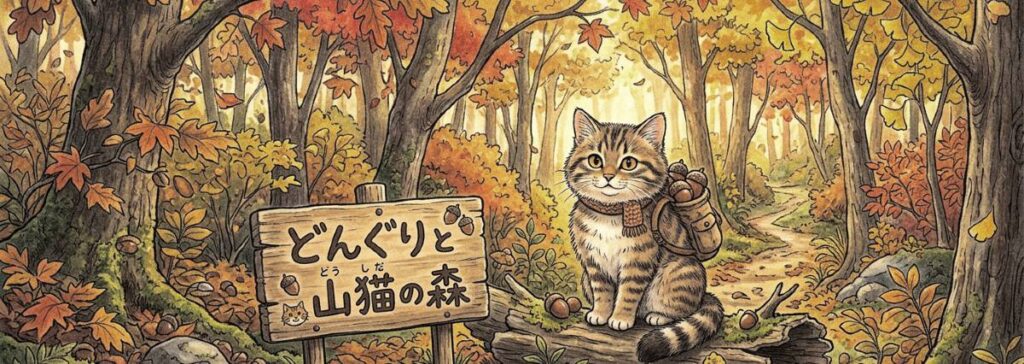
どんぐりと山猫の森から縄文の食卓へ:岩泉町のどんぐりラーメンと太古の恵み / From the Forest of “The Acorn and the Wildcat” to the Jomon Table: Iwaizumi’s Acorn Ramen and Ancient Blessings

森の記憶を食す:岩泉の静かなる革命

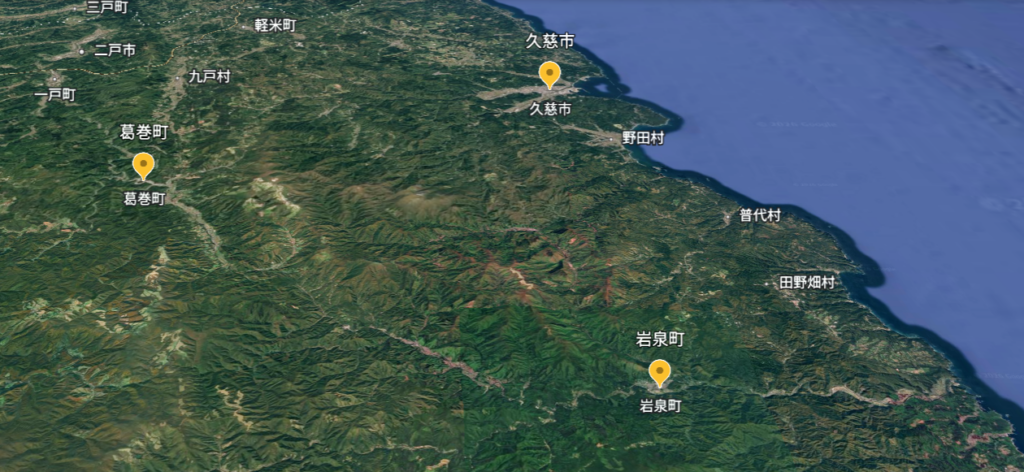
岩手県岩泉町。広大なブナの原生林が広がるこの地は、宮沢賢治の童話『どんぐりと山猫』の幻想的な舞台を彷彿とさせます。しかし、ここで語られる「どんぐり」は単なる物語の小道具ではありません。それは、数千年の時を超えて現代の食卓へと受け継がれた、縄文時代からの「生存の記憶」そのものです。岩泉のどんぐりラーメンは、単なるご当地グルメの枠を超え、私たちが忘れかけていた大地とのつながりを再認識させる、いわば「食の考古学」とも呼べる体験なのです。

Eating the Memory of the Forest: The Quiet Revolution in Iwaizumi

Iwaizumi Town, Iwate Prefecture. This land, covered in vast virgin beech forests, evokes the fantastical stage of Kenji Miyazawa’s fairy tale, “The Acorn and the Wildcat.” However, the “acorns” discussed here are not merely props in a story. They are the “memories of survival” passed down from the Jomon period to the modern table, transcending thousands of years. Iwaizumi’s acorn ramen goes beyond the scope of mere local cuisine; it is an experience that can be called “culinary archaeology,” forcing us to reconsider the connection with the earth that we have long forgotten.

縄文の食卓:苦みを克服した知恵

かつて縄文時代、どんぐりは主要なエネルギー源でした。しかし、そのままではタンニンによる強烈な渋みがあり、食用には適しません。当時の人々は、どんぐりを川にさらして灰汁(あく)を抜き、粉にして練るという高度な加工技術を編み出しました。この「苦み」を「恵み」へと変える知恵こそが、過酷な自然環境の中で彼らが生き延びる鍵でした。岩泉のどんぐりラーメンは、この伝統的な食の知恵を現代の製麺技術と融合させたものです。どんぐり粉を練り込んだ麺からは、大地そのものの素朴で力強い香りが立ち上り、一口ごとに太古の森の気配が口の中に広がります。

The Jomon Table: The Wisdom of Overcoming Bitterness

In the Jomon period, acorns were a primary energy source. However, in their raw state, they are inedible due to the intense bitterness of tannins. The people of that era developed sophisticated processing techniques—soaking the acorns in rivers to leach out the harsh lye and grinding them into flour. This wisdom, transforming “bitterness” into “blessing,” was the key to their survival in a harsh natural environment. Iwaizumi’s acorn ramen fuses this traditional culinary wisdom with modern noodle-making technology. The noodles, kneaded with acorn flour, emit a rustic and powerful aroma of the earth itself, spreading the presence of ancient forests in one’s mouth with every bite.

どんぐりと山猫、そして現代の私たち

宮沢賢治の物語の中で、どんぐりたちは「一番えらいのは誰か」を巡って大騒ぎを繰り広げます。現代の私たちがこのラーメンをすする時、その問いに対する答えが見えてくるかもしれません。一番えらいのは、特定の誰かではなく、この豊かな森そのものであり、その森を何万年も守り続けてきたサイクルそのものなのではないでしょうか。岩泉のどんぐりラーメンを味わうことは、単に空腹を満たすことではありません。それは、森の循環の一部となり、縄文から続く長い歴史の物語を、自らの血肉として取り込む儀式なのです。

The Acorn, the Wildcat, and Us in the Modern Age

In Kenji Miyazawa’s story, the acorns kick up a fuss over “who is the most important.” When we in the modern age slurp this ramen, the answer to that question may reveal itself. Perhaps the “most important” one is not any specific individual, but the lush forest itself and the very cycle that has protected that woodland for tens of thousands of years. To savor Iwaizumi’s acorn ramen is more than just satisfying hunger. It is a sacred ritual: you become a part of the forest’s eternal cycle, incorporating a narrative of history stretching back to the Jomon period into your very own flesh and blood.

旋律の彼方、大地の咆哮:北上・鬼剣舞が刻む「鬼」の記憶 / Beyond the Melody, A Roar from the Earth: The Memory of the “Oni” Carved by Kitakami’s Oni Kenbai

宮沢賢治の繊細なチェロと、大地の重低音

宮沢賢治の童話『セロ弾きのゴーシュ』において、音楽は魂の救済と成長を象徴する繊細な調和として描かれています。しかし、賢治が愛したこの岩手の地には、物語の優雅な旋律とは対極にある、もっと野性的で、地殻を揺らすような響きが存在します。それが、北上市に伝わる民俗芸能「鬼剣舞(おにけんばい)」です。賢治が言葉で描いた「宇宙の調和」に対し、鬼剣舞は「大地の浄化」をその重厚なビートで体現しています。この対比こそが、岩手の精神的な深層を理解するための鍵となるのです。

セロの弦が夜空へ向かって奏でる透明な旋律が、星々の瞬きとともに静かに精神の層を重ねていく祈りの「堆積」であるならば、怒れる仏の化身である鬼たちが大地を激しく踏み鳴らす躍動は、積年の淀みや邪気を容赦なく削り落とす「侵食」にほかなりません。天を仰ぎ、銀河の理(ことわり)に耳を澄ませる静謐なまなざしと、かがり火の下で泥土を蹴り上げ、魂の底から咆哮する生命の燃焼。この天と地、静と動、そして堆積と侵食が織りなす圧倒的なコントラストの狭間に立つとき、私たちは岩手という風土が脈打つ、荒々しくも美しい生命の鼓動に真に触れることができるのです。

■ English Version

Kenji Miyazawa’s Delicate Cello and the Earth’s Deep Bass

In Kenji Miyazawa’s short story “Gauche the Cellist,” music is depicted as a delicate harmony symbolizing the salvation and growth of the soul. However, in this land of Iwate that Kenji so dearly loved, there exists a sound that stands in stark contrast to the elegant melodies of his stories—a sound far more wild, one that shakes the very crust of the earth. This is the folk performing art known as “Oni Kenbai” (Demon Sword Dance) from Kitakami City. If Kenji represented the “harmony of the universe” through his words, Oni Kenbai embodies the “purification of the earth” through its profound and heavy beat. This sharp contrast between the sophisticated spiritualism of literature and the primal, rhythmic pulse of the soil serves as the essential key to unlocking and understanding the profound spiritual depths of Iwate. To hear the drums of the Oni is to feel the heartbeat of the land itself, reclaiming its ancient power through a dance of light and shadow.

If the transparent melodies of the cello soaring into the night sky represent a quiet “accumulation” of the spirit layered with starlight, the dynamic stomping of the demon-masked dancers—avatars of wrathful deities—is undoubtedly a fierce “erosion” that violently scrapes away accumulated stagnation and evil. The serene gaze raised toward the heavens in prayer for cosmic harmony perfectly counterbalances the burning vitality roaring from the depths of the soul, kicking up the mud under blazing bonfires. When we stand in the crux of this overwhelming contrast—between heaven and earth, stillness and motion, accumulation and erosion—we truly touch the wild yet beautiful, beating heart of Iwate’s profound climate.


■ WordPress設定データ

カテゴリー: 県南 Southern Iwate
タグ: 宮沢賢治, 鬼剣舞, 北上市, 民俗芸能, 詩的リアリズム
アクセスポイント(座標): 39.2847, 141.0506
(※北上市「鬼の館」付近の座標。鬼剣舞の歴史と精神に触れることができる代表的な文化拠点)

「石っこ賢さん」の眼差しが見た永遠――久慈の琥珀と白亜紀の記憶 / The Eternal Gaze of “Ishi-kko Ken-san”: Kuji Amber and the Memories of the Cretaceous

石の言葉を聴く――宮沢賢治と地質学への情熱

岩手県が誇る詩人、宮沢賢治は、幼少期から「石っこ賢さん」と呼ばれ、鉱物や地層に対して並々ならぬ愛情を注いでいた。彼にとって石は単なる無機物ではなく、地球の壮大な歴史を刻んだ「記憶の媒体」であった。賢治が地質学に求めたものは、単なる科学的知識を超えた、宇宙的な時間軸との対話である。その眼差しは、岩手の大地が秘める太古の真実を見透かそうとしていた。

Listening to the Language of Stones: Kenji Miyazawa and the Passion for Geology

Kenji Miyazawa, the poet who remains the pride of Iwate Prefecture, was affectionately known as “Ishi-kko Ken-san” (Ken the Stone-lover) from his childhood. He possessed an extraordinary affection for minerals and geological strata. To him, stones were not merely inorganic matter, but “media of memory” that recorded the grand history of the Earth. What Kenji sought in geology was a dialogue with a cosmic timeline, transcending mere scientific knowledge. His gaze sought to pierce through to the ancient truths concealed within the land of Iwate.

8500万年のタイムカプセル――久慈の琥珀が語るもの

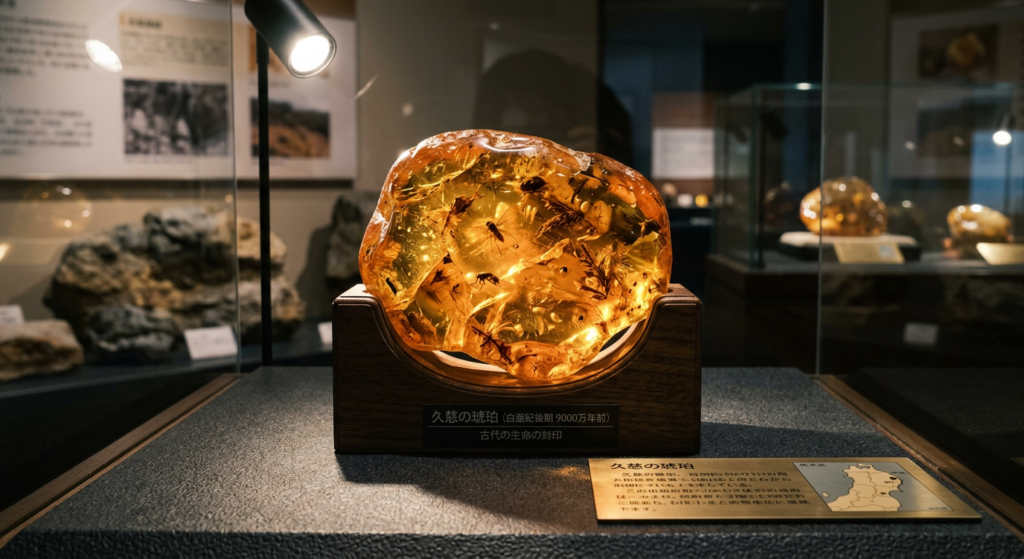
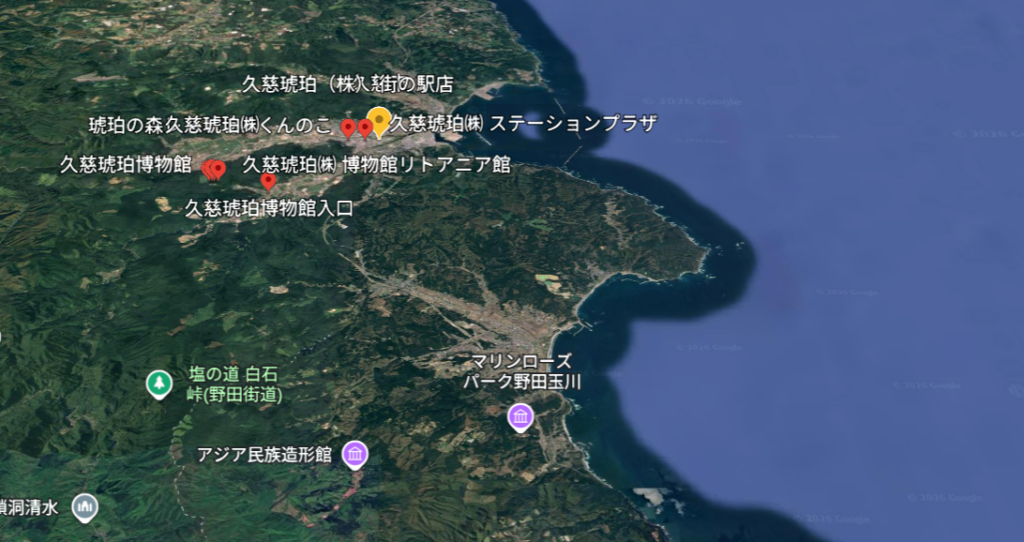
岩手県久慈市。この地は、日本有数の琥珀の産地として知られる。久慈の琥珀は、約8500万年前、白亜紀後期の樹液が長い年月をかけて化石化したものだ。賢治が愛した鉱物たちが、この地では「生命の息吹」をそのまま封じ込めている。琥珀の中に閉じ込められた昆虫や植物の断片は、当時の生態系を鮮明に現代へと伝えるタイムカプセルである。それは、賢治が詩の中で描こうとした「過去と現在が交錯する世界」が、この地の土壌に実在していることを証明している。

An 85-Million-Year Time Capsule: What Kuji Amber Reveals

Kuji City in Iwate Prefecture is renowned as one of Japan’s premier locations for amber. Kuji amber is fossilized tree resin from the Late Cretaceous period, approximately 85 million years ago. The minerals that Kenji so cherished have, in this land, sealed the very “breath of life.” The fragments of insects and plants trapped within the amber serve as time capsules, vividly conveying the ecosystem of that era to the present day. This stands as proof that the “world where the past and present intersect,” which Kenji sought to depict in his poetry, truly exists within the soil of this region.

地層に刻まれた白亜紀の記憶――恐竜と琥珀の共存

近年、久慈層群からは琥珀だけでなく、貴重な恐竜の化石が次々と発見されている。かつてこの地は、豊かな植物が生い茂り、恐竜たちが闊歩する湿地帯であった。琥珀という「宝石」と、恐竜という「巨獣」の化石が同じ地層から見つかることは、この地が白亜紀の生命の営みを多角的に保存していることを示唆する。賢治が地質調査で歩いた岩手の山野には、私たちが想像するよりも遥かに濃密な、太古の生命の物語が埋もれているのである。

Cretaceous Memories Engraved in the Strata: The Coexistence of Dinosaurs and Amber

In recent years, not only amber but also precious dinosaur fossils have been discovered one after another from the Kuji Group. This land was once a wetland, lush with vegetation, where dinosaurs roamed. The fact that the “gemstone” of amber and the fossils of “giant beasts” (dinosaurs) are found in the same strata suggests that this region preserves the activities of Cretaceous life from multiple perspectives. Beneath the mountains and fields of Iwate, where Kenji once walked during his geological surveys, lies a story of ancient life far denser than we could ever imagine.

岩手の大地を読み解く――賢治の遺志を継ぐ探求

久慈の琥珀と白亜紀の化石は、私たちに「時間とは何か」を問いかける。賢治が石を見つめることで得た知的好奇心は、現代の私たちがこの地の地層を観察する際にも不可欠な姿勢である。岩手の風景を単なる観光地としてではなく、地球の歴史が重層的に積み重なった「歴史の書物」として読み解くこと。それこそが、「石っこ賢さん」が遺した、もっとも深遠な遺産なのかもしれない。

Deciphering the Land of Iwate: A Quest Inheriting Kenji’s Will

Kuji’s amber and Cretaceous fossils challenge us with the question, “What is time?” The intellectual curiosity Kenji gained by gazing at stones is an essential mindset for us today as we observe the strata of this region. To read the landscapes of Iwate not merely as tourist destinations, but as a “book of history” where the history of the Earth is layered and accumulated—that, perhaps, is the most profound legacy left behind by “Ishikko Ken-san” (Kenji the Pebble Child). By learning to see the eternal universe within a single pebble, we inherit his vision—a way of life that seeks to harmonize our brief existence with the majestic, slow-moving narrative of the stars and the soil. This is the true “Ihatov” of the mind, where science and poetry intersect to illuminate the path toward our future.

雨ニモマケズの精神が育んだ芸術品:奥州市・前沢牛の畜産革命 / A Masterpiece Born from Resilience: The Livestock Revolution of Maesawa Beef in Oshu City

文学と農業が交差する地、奥州

宮沢賢治の詩「雨ニモマケズ」。その精神は、単なる文学的理想ではなく、岩手という厳しい風土を生き抜く農耕の哲学そのものでした。岩手県奥州市で育まれるブランド牛「前沢牛」は、まさにその土壌改良の歴史と、自然への畏敬の念が結晶化した芸術品と言えます。賢治が夢見た「丈夫なからだ」を育むための献身は、この地で家畜を育む生産者たちの情熱と深く共鳴しています。

Oshu: Where Literature Meets Agriculture

Kenji Miyazawa’s poem “Strong in the Rain” is more than just literature; it is a philosophy of farming that embodies the resilience required to survive in Iwate’s harsh climate. “Maesawa Beef,” the prized brand of Oshu City, is a culinary masterpiece crystallized from this history of soil improvement and a profound reverence for nature. The dedication to fostering a “strong body,” as dreamed of by Miyazawa, resonates deeply with the passion of the producers who raise their livestock in this region.

土壌改良から始まった畜産革命

かつて、北上川流域のこの地は、決して肥沃な大地ではありませんでした。しかし、先人たちは賢治が描いた理想像のように、黙々と土と向き合いました。前沢牛の歴史は、1950年代、この土地の農家が「質の高い畜産こそが、地域を救う」と信じ、血統管理と飼育技術の革新に挑んだことから始まります。単に牛を育てるのではなく、牛が食べる牧草や稲藁の質を高めるための「土壌改良」に執念を燃やしたことが、現在のブランド価値の礎となりました。

A Livestock Revolution Rooted in Soil Improvement

The basin of the Kitakami River was not always fertile land. However, the pioneers here, much like the figures in Kenji’s poems, quietly dedicated themselves to the soil. The history of Maesawa Beef began in the 1950s, when local farmers, believing that high-quality livestock would save the region, embarked on a revolution in pedigree management and breeding techniques. Their obsession with “soil improvement”—enhancing the quality of the grass and rice straw that the cattle consume—laid the foundation for the brand’s prestige today.

慈愛が生む奇跡の霜降り

前沢牛の特筆すべき点は、脂の融点の低さと、赤身の芳醇な旨味です。これは単に餌が良いからではありません。寒暖差の激しい奥州の気候、徹底した血統管理、そして何より「牛にストレスを与えない」という慈愛の飼育環境が、この奇跡的な霜降りを生み出します。賢治が万物に慈しみの目を向けたように、生産者たちが牛一頭一頭と向き合い、その成長を静かに見守る姿勢こそが、最高品質の肉質へと繋がっているのです。

The Miraculous Marbling Born of Compassion

What distinguishes Maesawa Beef is the low melting point of its fat and the rich, savory flavor of its lean meat. This is not merely the result of high-quality feed. The miraculous marbling is born from the drastic temperature fluctuations of Oshu’s climate, meticulous pedigree management, and above all, a compassionate breeding environment that prioritizes the cattle’s well-being. Much like how Miyazawa looked upon all things with affection, the producers’ dedication to monitoring each cow’s growth is what ensures the highest quality of meat.

岩手の誇りを世界へ

前沢牛を口にする時、私たちは単なる「高級肉」を味わっているわけではありません。それは、厳しい自然と対峙し、土を変え、命を慈しんできた岩手の人々の歴史そのものを噛み締めているのです。宮沢賢治の精神が息づくこの地で、これからも「雨ニモマケズ」の哲学と共に、前沢牛は世界中の美食家を魅了し続けることでしょう。

冷たく吹きすさぶ「やませ(偏東風)」が農民の希望を容赦なく「侵食」した時代。それでもなお、決して諦めることなく土壌を改良し、家族のように牛を慈しんできた人々の静かなる情熱が、この奥州の地に幾重にも「堆積」しています。北上川が大地を深く削り出し、同時に肥沃な土を悠久の時をかけて蓄積してきたように、冷害という過酷な侵食の歴史こそが、世界に誇る至高の味わいを育みました。一口の美しい霜降りに宿る、北国の揺るぎない誇り。それは岩手の大地への祈りであり、永劫に続く命の祝祭なのです。

■ English Version

Sharing the Pride of Iwate with the World

When we taste Maesawa Beef, we are not simply consuming a luxury product. We are savoring the very history of the people of Iwate who confronted harsh nature, transformed the soil, and cherished life. In this land where the spirit of Kenji Miyazawa still lingers, Maesawa Beef will continue to captivate gourmets around the world, upheld by the enduring philosophy of “Ame ni mo Makezu” (Strong in the Rain).

There was a time when the biting Yamase winds ruthlessly eroded the hopes of local farmers. Yet, the quiet passion of those who never gave up—cultivating the land and caring for their cattle as family—has deeply accumulated in the soil of Oshu. Just as the Kitakami River carved out the earth while simultaneously depositing fertile soil, it was this harsh history of erosion by cold that nurtured a flavor of supreme, world-class excellence. The exquisite marbling holds the unyielding resilience, quiet humility, and profound gratitude that define the very heart of the North. It is more than a delicacy; it is a heartfelt prayer for the soil and an eternal celebration of life itself.


■ WordPress設定データ

カテゴリー: 県南 Southern Iwate
タグ: 前沢牛, 奥州市, 雨ニモマケズ, 郷土の歴史, 食文化
アクセスポイント(座標): 39.0441, 141.1238 (※奥州市前沢の代表地点・前沢駅周辺)

遠野の風と鉄の記憶:橋野鉄鉱山が刻む日本の近代化 / The Winds of Tono and the Echoes of Iron: Hashino Iron Mining and Smelting Site

宮沢賢治の銀河を越えて:橋野鉄鉱山への旅路

宮沢賢治の『銀河鉄道の夜』の情景を彷彿とさせる釜石線。遠野の山々を縫うように走り、内陸の神秘的な民話の世界から、海風香る釜石の港町へと抜けるこの路線は、まさに時空を旅する回廊です。しかし、この路線の先には、単なる観光地とは一線を画す、日本の近代産業史の原風景が隠されています。それが「橋野鉄鉱山」です。遠野の深い森の中に静かに佇むこの場所は、かつて日本初の洋式高炉が火を噴き、近代化という巨大な潮流を生み出した聖地でした。民話が息づく静寂の森と、鉄を溶かす熱き技術のコントラストは、訪れる者の想像力を強く刺激します。廃墟となった高炉跡は、自然の力に飲み込まれながらも、かつてここで日本の未来を切り拓こうとした人々の熱い息吹を、今なお現代に伝えているのです。

Beyond the Milky Way of Kenji Miyazawa: A Journey to Hashino

Beyond the Milky Way of Kenji Miyazawa: A Journey to Hashino

The Kamaishi Line, evocative of the celestial landscapes in Kenji Miyazawa’s “Night on the Galactic Railroad,” weaves through the verdant mountains of Tono, serving as a profound corridor that travels through both time and space. As the train moves from the mystical realm of ancient folklore toward the sea-scented port of Kamaishi, it reveals a hidden, primal landscape at its heart: the Hashino Iron Mining and Smelting Site.

Nestled silently in the deep forest, this was once a sacred industrial ground where Japan’s first Western-style blast furnace roared to life, sparking the massive tide of national modernization. The stark contrast between the quiet, legend-filled woods and the intense, heat-driven technology of molten iron powerfully stirs the observer’s imagination. Though the ruins of the furnace are now slowly being reclaimed by the relentless force of nature, they continue to echo the passionate breath of the pioneers who once carved out a path for Japan’s future, whispering their legacy to us in the present day.

海から星降る夜空へ 岩手・鉄道ロマン旅 / A Romantic Railway Journey in Iwate

三陸の青い海から、賢治が描いた銀河の世界へ

青く輝く太平洋を横目に走る三陸鉄道。車窓を流れるリアス海岸の絶景は、息を呑む美しさです。荒波が悠久の時をかけて大地を削り出した「侵食」の芸術を堪能した後は、鉄路を西へ、内陸の花巻へと向かいます。

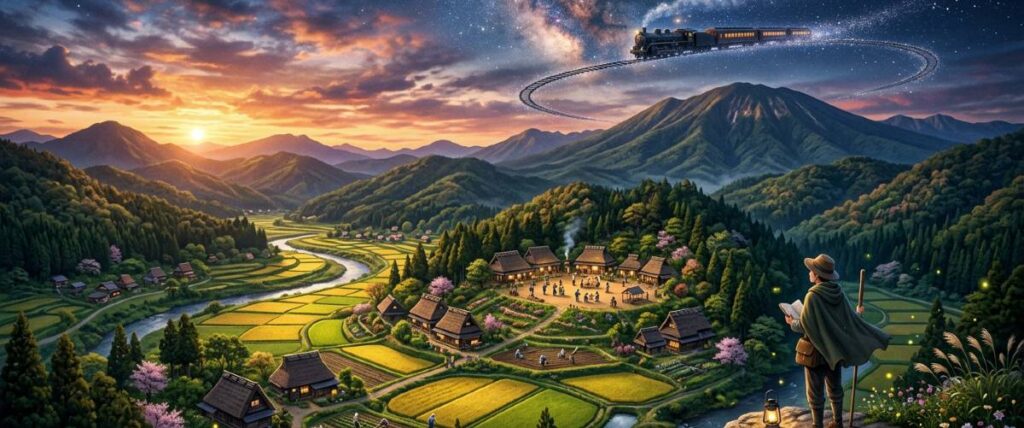
宮沢賢治が愛したこの地で夜空を見上げれば、そこはまるで『銀河鉄道の夜』の世界。満天の星が幾千年の時を超えて降り積もり、圧倒的な光の「堆積」となって、幻想的なレールを夜空に浮かび上がらせます。

海が削り出した地の記憶から、星々が紡ぎ出す天の記憶へ。波音の終着駅は、星めぐりの始発駅へと繋がっています。岩手という大地だけが描き出せる、空間と時間を越境するロマンチックな鉄道旅へ出かけてみませんか。

■ English Version

From the Blue Ocean to the Galactic Night Sky

The Sanriku Railway offers breathtaking views of the sparkling Pacific Ocean and the rugged ria coastline. After witnessing the magnificent art of “erosion”—where relentless waves have sculpted the earth over eons—the iron road carries you west, inland toward Hanamaki.

In this land deeply loved by Kenji Miyazawa, gazing at the night sky invites you directly into the world of his masterpiece, Night on the Galactic Railroad. Countless stars, traveling across millennia, pile up in a luminous “accumulation” of ancient light, illuminating phantom rails that stretch across the heavens.

From the earthly memories carved by the ocean to the celestial memories woven by the stars. The terminal of the crashing waves is merely the departure station for the cosmos. Why not embark on this romantic, time-transcending railway journey—a poetic odyssey that can only be truly felt here in Iwate.


■ WordPress設定データ

カテゴリー: 県南 Southern Iwate
タグ: 三陸鉄道, 花巻, 宮沢賢治, 銀河鉄道の夜, 星空
アクセスポイント(座標): 39.3945, 141.1118 (※星めぐりの始発駅・JR花巻駅付近)