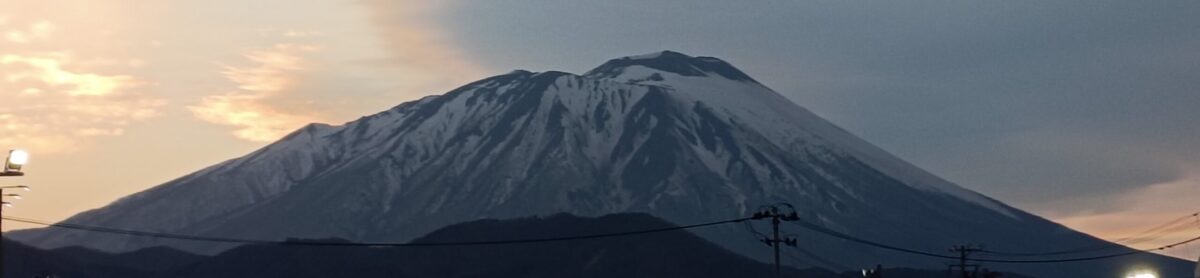
命の揺籃、八幡平のブナ樹海 / The Cradle of Life: The Primeval Beech Sea of Hachimantai

森の母が抱く、黒き毛皮の孤独な巡礼者

岩手山の北西、秋田県との県境に広がる八幡平(はちまんたい)の奥深くへ足を踏み入れると、外界の喧騒は分厚い緑のヴェールに吸い込まれ、絶対的な静寂が訪れる。足裏に伝わるのは、何千年もの間、幾世代にもわたって降り積もった落ち葉と火山灰が織りなす、スポンジのような腐葉土の感触だ。この地を覆い尽くすのは、広大なブナの原生林である。漢字で「木」に「無」と書いて「橅(ぶな)」と読むこの木は、かつて水分が多く建材としての使い道がないことからその字を当てられたという説があるが、それは人間の勝手な都合に過ぎない。自然界において、ブナほど豊かな恵みをもたらす存在はないのだ。灰白色の滑らかな樹皮を伝って降り注ぐ雨水は、保水力に富んだ土壌に深く浸透し、やがて清冽な伏流水となって麓の里を潤す。ゆえにブナは「緑のダム」であり、「森の母」と尊称される。

この豊穣なる樹海を最も必要としているのが、ツキノワグマである。晩秋、森が黄金色に染まる頃、見上げれば枝先が鳥の巣のように丸く絡まり合った「クマ棚」をあちこちに見つけることができるだろう。これは、クマが木に登り、脂質とタンパク質に富んだブナの実(堅果)を枝ごと手繰り寄せて食べた痕跡である。厳しい東北の冬を土穴の中で生き抜くため、彼らはこの小さな三角形の実を狂おしいほどに貪り食い、皮下脂肪を蓄える。興味深いことに、ブナは数年に一度、「マスティング(一斉開花・結実)」と呼ばれる現象を起こす。一説には、これは捕食者である動物たちを飽食させ、食べ残された種子を確実に発芽させるための植物の生存戦略だという。ツキノワグマはブナの実を喰らいながらも、広大な森を歩き回ることで糞と共に未消化の種子を蒔き、結果として森の領域を広げる一翼を担っているのだ。

八幡平の火山活動が創り上げた起伏に富んだ大地に根を張るブナと、その懐で命を繋ぐ黒き毛皮の巡礼者たち。風が梢を揺らすとき、それは単なる自然のざわめきではなく、気の遠くなるような時間をかけて紡がれてきた、植物と動物の壮絶で美しい命の交響曲のようにも聞こえる。この森に立つとき、私たちは自らが地球という巨大な生命体のごく一部に過ぎないという、心地よい無力感と深い畏敬の念に包まれるのである。

The Mother of the Forest and Her Solitary, Dark-Furred Pilgrims

The Mother of the Forest and Her Solitary, Dark-Furred Pilgrims

Stepping into the deep reaches of Hachimantai, sprawling northwest of Mount Iwate along the border of Akita Prefecture, the clamor of the outside world is absorbed by a thick veil of green, leaving an absolute and profound silence. Beneath your boots, you feel the spongy resilience of the forest floor—a rich humus woven from centuries of fallen leaves intertwined with ancient volcanic ash. This land is blanketed by a vast, primeval forest of Japanese beech, known as buna. In the Japanese kanji script, buna (橅) is formed by combining the characters for “tree” (木) and “nothingness” (無). Legend has it that this character was assigned because the wood, prone to retaining water and warping, was deemed useless for construction. Yet, this is merely a human-centric judgment. In the natural world, few existences offer as much abundance as the buna. Rainwater glides down their smooth, ashen-gray bark, seeping deep into the highly retentive soil, eventually emerging as pure subterranean streams that quench the thirst of the villages below. Thus, the beech is revered as a “green dam” and the “Mother of the Forest.”

No creature relies on this bountiful sea of trees more than the Asian black bear (Tsukinowaguma). In late autumn, as the forest is dyed in hues of gold and amber, looking up into the canopy reveals “bear shelves” (kumadana)—tangled clusters of broken branches that resemble oversized bird nests. These are the remnants of a bear’s feast, created as they climb high to snap off branches and gorge on the lipid- and protein-rich beech nuts. To survive the unforgiving Tohoku winter hibernating in earthen dens, they consume these small, triangular nuts with desperate voracity to build crucial subcutaneous fat. Fascinatingly, beech trees undergo a phenomenon known as mast seeding (synchronous flowering and fruiting). One theory suggests this is a survival strategy by the plants, designed to satiate predators and ensure that uneaten seeds have a higher chance of germinating. Even as they feast on beech nuts, the Asian black bears roam the vast forest, dispersing undigested seeds through their scat, thus playing an integral role in extending the forest’s reach.

The beech trees, rooted in the undulating landscape shaped by Hachimantai’s volcanic activity, and the dark-furred pilgrims whose lives are sustained within their embrace. When the wind rustles through the treetops, it sounds not merely like a natural murmur, but rather like a magnificent and poignant symphony of life, painstakingly woven over an unimaginable span of time by both flora and fauna. Standing in this forest, we are enveloped by a comforting sense of insignificance and profound reverence, realizing that we are but a minuscule part of the colossal living entity that is Earth.


■ WordPress設定データ

カテゴリー: 県央 Central Iwate
タグ: 八幡平, ブナ林, ツキノワグマ, 生態系, 森の循環
アクセスポイント(座標): 39.957, 140.925
雪嶺の彼方、山の神と契る民——西和賀に息づくマタギの魂 / Beyond the Snow-Capped Peaks: The Matagi Soul and the Vow to the Mountain Gods in Nishiwaga

白銀の帳に響く、生命と畏敬の交響曲

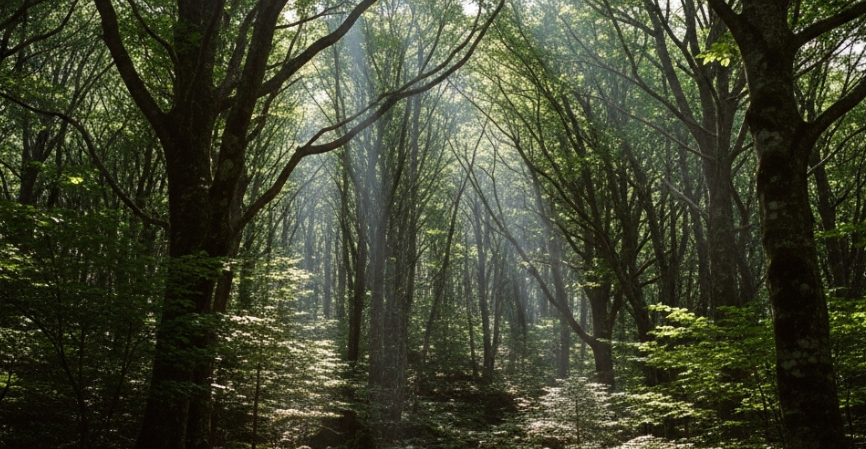
西和賀町。岩手県西部に位置し、奥羽山脈の襞深くに抱かれたこの地は、本州屈指の豪雪地帯として知られる。空から降り注ぐ雪はすべての音を吸い込み、世界を白銀の帳で包み込む。この凍てつく静寂の森、見上げるほどのブナの巨木が立ち並ぶ雪の回廊こそが、古より「マタギ」と呼ばれる狩猟民たちの聖域であった。

現代を生きる我々は、「自然共生」という言葉をどこか牧歌的で甘美な概念として捉えがちである。しかし、西和賀に息づくそれは、血の温もりと雪の冷たさが交錯する、命のやり取りという厳粛な契約に他ならない。マタギにとって、山は人間が支配する資源の宝庫ではない。そこは気まぐれで嫉妬深い女神である「山の神」が統べる異界である。彼らの最大の獲物であるツキノワグマは単なる獣ではなく、山の神が彼らに授けた「授かりもの」であり、森の化身そのものなのだ。

ここに、彼らの精神世界を垣間見る興味深い伝承がある。山の神はひどく嫉妬深い醜女とされており、マタギたちは山に入る際、神を喜ばせ機嫌をとるために、自らより醜いとされる「オコゼ(海魚)」の干物を懐に忍ばせた。また、狩りの場である山への女性の立ち入りを厳しく禁じたのも、女神の嫉妬を避けるためである。さらに、仕留めた熊の魂を天へと還す「ケボカイ(毛坊主)」と呼ばれる儀式では、獲物への深い哀悼と感謝の念が捧げられる。肉は集落の者たちで平等に分配され、毛皮や胆(くまのい)は余すところなく命の糧となった。無益な殺生を固く禁じ、必要な分だけを山から頂く彼らの掟は、何百年も前からブナ林の豊かな生態系を維持するための「究極のサステナビリティ」であったと言えよう。

豪雪という圧倒的な自然の猛威に抗うのではなく、その懐深くに入り込み、畏れをもって命をいただく。西和賀の森に足を踏み入れると、今もなお、ふんわりと積もった新雪の下で脈打つ大地のリズムを感じずにはいられない。冷たい風に混じる微かな獣の気配と、生命の循環に寄り添い続けたマタギたちの足跡が、この雪深い町で永遠の歴史として息づいているのである。

A Symphony of Life and Reverence Echoing Through the Silvery Veil

A Symphony of Life and Reverence Echoing Through the Silvery Veil

Nishiwaga Town. Nestled deep within the folds of the Ou Mountains in western Iwate Prefecture, this land is known as one of Honshu’s most unforgiving heavy-snow regions. The snow cascading from the heavens absorbs all sound, enveloping the world in a silvery veil of absolute stillness. These freezing, silent forests—snow-covered corridors lined with towering beech trees—have long been the sacred domain of the traditional hunters known as the “Matagi.”

We, living in the modern age, tend to perceive “harmony with nature” as a somewhat idyllic, sweet concept. However, the harmony that breathes in Nishiwaga is nothing less than a solemn covenant forged in the exchange of lives, where the warmth of blood and the biting cold of the snow intersect. To the Matagi, the mountain is not a repository of resources for human domination. It is the Otherworld, ruled by the “Yama-no-Kami” (Mountain Goddess), a whimsical and profoundly jealous deity. The Asiatic black bear, their primary quarry, is not merely a beast. It is a divine gift bestowed by the Mountain Goddess, an incarnation of the forest itself.

There is a fascinating piece of folklore hidden within their traditions that offers a glimpse into their spiritual worldview. The Mountain Goddess is said to be notoriously jealous and self-conscious of her unsightly appearance. To appease and delight her, the Matagi would secretly carry the dried bodies of the “okoze” (stonefish)—a marine creature deemed even more grotesque than the goddess—in their breast pockets when entering the mountains. The strict taboos placed on women entering the hunting grounds were also born from a desire to avoid incurring the goddess’s jealousy. Furthermore, the ritual known as “Kebokai” (hair priest)—a ceremony to return the soul of the slain bear to the heavens—is conducted with profound mourning and gratitude toward the prey. The meat was shared equally among the villagers, while the fur and gall bladder were fully utilized as vital sustenance. Their strict code, prohibiting senseless killing and taking only what is necessary from the mountains, can be seen as the “ultimate sustainability” that has maintained the rich ecosystem of the beech forests for centuries.

Instead of defying the overwhelming ferocity of the heavy snow, they embraced its depths and respectfully received life. Stepping into the forests of Nishiwaga, one cannot help but feel the rhythm of the earth pulsing beneath the softly accumulated fresh snow. Here lies a profound intersection: the endless “accumulation” of snow that attempts to blanket all things in white, and the “erosion” carved by the Matagi’s living testament—their souls traversing the mountains to sustain life and ingrain nature’s logic. Within this forest where such opposing forces intertwine, there exists the ultimate contrast between the absolute stillness of silver and the vivid red of flowing blood. The faint scent of beasts mingling with the freezing wind, alongside the enduring footprints of those who closely shadowed the cycle of life, will never be erased by the ever-falling snow. Instead, they continue to resonate through this snow-deep town as an eternal symphony.


■ WordPress設定データ

カテゴリー: 県南 Southern Iwate
タグ: 西和賀町, マタギ, 自然共生, ツキノワグマ, 究極のサステナビリティ
アクセスポイント(座標): 39.3151, 140.7756