雪嶺の彼方、山の神と契る民——西和賀に息づくマタギの魂 / Beyond the Snow-Capped Peaks: The Matagi Soul and the Vow to the Mountain Gods in Nishiwaga

白銀の帳に響く、生命と畏敬の交響曲

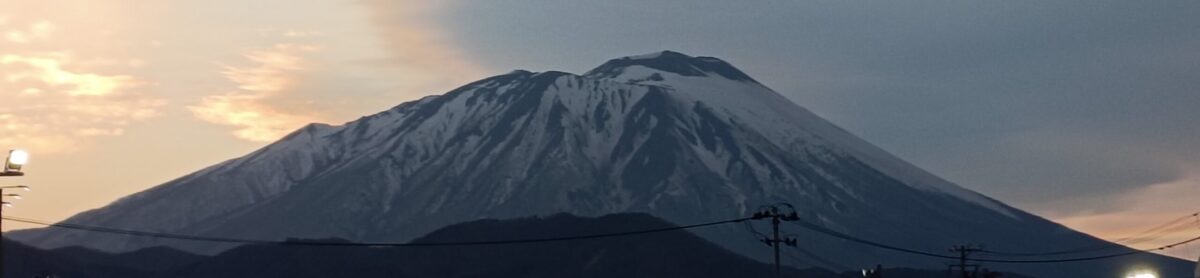
西和賀町。岩手県西部に位置し、奥羽山脈の襞深くに抱かれたこの地は、本州屈指の豪雪地帯として知られる。空から降り注ぐ雪はすべての音を吸い込み、世界を白銀の帳で包み込む。この凍てつく静寂の森、見上げるほどのブナの巨木が立ち並ぶ雪の回廊こそが、古より「マタギ」と呼ばれる狩猟民たちの聖域であった。

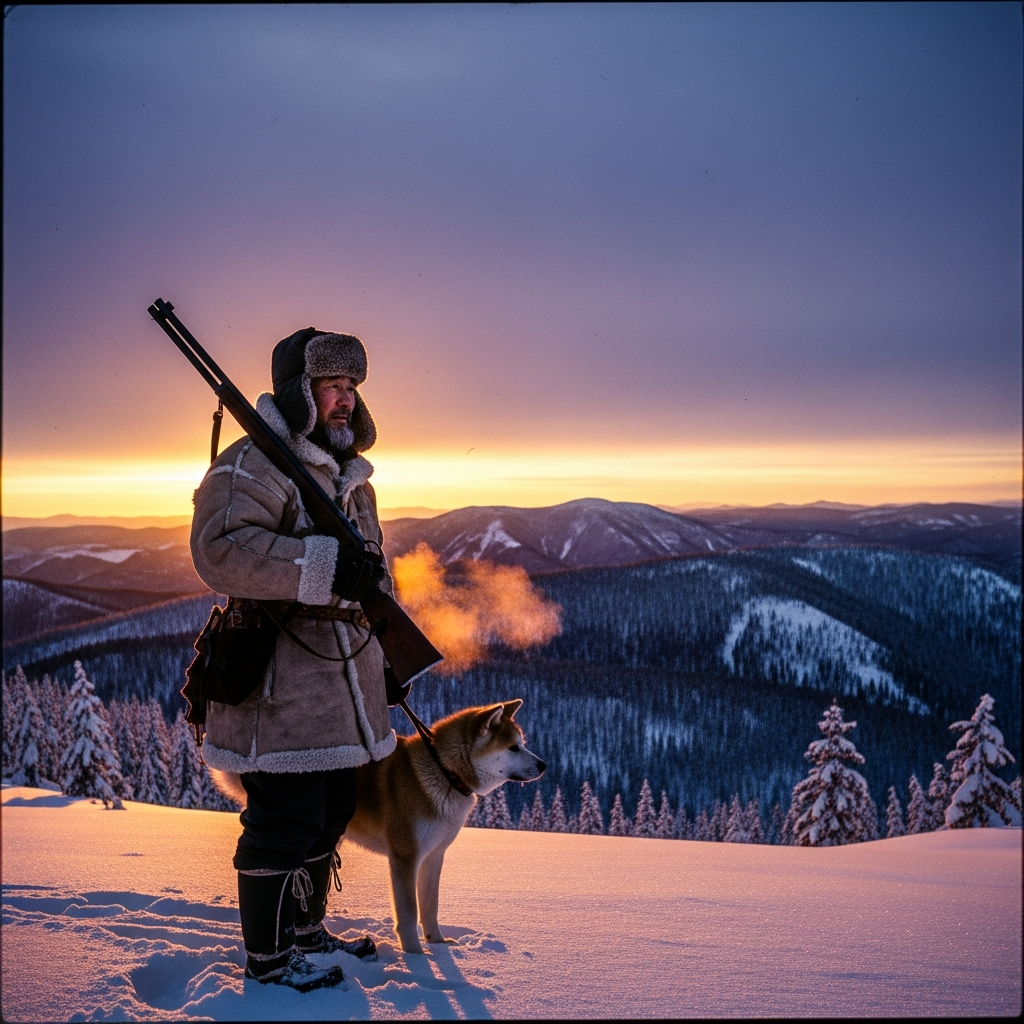
現代を生きる我々は、「自然共生」という言葉をどこか牧歌的で甘美な概念として捉えがちである。しかし、西和賀に息づくそれは、血の温もりと雪の冷たさが交錯する、命のやり取りという厳粛な契約に他ならない。マタギにとって、山は人間が支配する資源の宝庫ではない。そこは気まぐれで嫉妬深い女神である「山の神」が統べる異界である。彼らの最大の獲物であるツキノワグマは単なる獣ではなく、山の神が彼らに授けた「授かりもの」であり、森の化身そのものなのだ。

ここに、彼らの精神世界を垣間見る興味深い伝承がある。山の神はひどく嫉妬深い醜女とされており、マタギたちは山に入る際、神を喜ばせ機嫌をとるために、自らより醜いとされる「オコゼ(海魚)」の干物を懐に忍ばせた。また、狩りの場である山への女性の立ち入りを厳しく禁じたのも、女神の嫉妬を避けるためである。さらに、仕留めた熊の魂を天へと還す「ケボカイ(毛坊主)」と呼ばれる儀式では、獲物への深い哀悼と感謝の念が捧げられる。肉は集落の者たちで平等に分配され、毛皮や胆(くまのい)は余すところなく命の糧となった。無益な殺生を固く禁じ、必要な分だけを山から頂く彼らの掟は、何百年も前からブナ林の豊かな生態系を維持するための「究極のサステナビリティ」であったと言えよう。

豪雪という圧倒的な自然の猛威に抗うのではなく、その懐深くに入り込み、畏れをもって命をいただく。西和賀の森に足を踏み入れると、今もなお、ふんわりと積もった新雪の下で脈打つ大地のリズムを感じずにはいられない。冷たい風に混じる微かな獣の気配と、生命の循環に寄り添い続けたマタギたちの足跡が、この雪深い町で永遠の歴史として息づいているのである。

A Symphony of Life and Reverence Echoing Through the Silvery Veil

A Symphony of Life and Reverence Echoing Through the Silvery Veil

Nishiwaga Town. Nestled deep within the folds of the Ou Mountains in western Iwate Prefecture, this land is known as one of Honshu’s most unforgiving heavy-snow regions. The snow cascading from the heavens absorbs all sound, enveloping the world in a silvery veil of absolute stillness. These freezing, silent forests—snow-covered corridors lined with towering beech trees—have long been the sacred domain of the traditional hunters known as the “Matagi.”

We, living in the modern age, tend to perceive “harmony with nature” as a somewhat idyllic, sweet concept. However, the harmony that breathes in Nishiwaga is nothing less than a solemn covenant forged in the exchange of lives, where the warmth of blood and the biting cold of the snow intersect. To the Matagi, the mountain is not a repository of resources for human domination. It is the Otherworld, ruled by the “Yama-no-Kami” (Mountain Goddess), a whimsical and profoundly jealous deity. The Asiatic black bear, their primary quarry, is not merely a beast. It is a divine gift bestowed by the Mountain Goddess, an incarnation of the forest itself.

There is a fascinating piece of folklore hidden within their traditions that offers a glimpse into their spiritual worldview. The Mountain Goddess is said to be notoriously jealous and self-conscious of her unsightly appearance. To appease and delight her, the Matagi would secretly carry the dried bodies of the “okoze” (stonefish)—a marine creature deemed even more grotesque than the goddess—in their breast pockets when entering the mountains. The strict taboos placed on women entering the hunting grounds were also born from a desire to avoid incurring the goddess’s jealousy. Furthermore, the ritual known as “Kebokai” (hair priest)—a ceremony to return the soul of the slain bear to the heavens—is conducted with profound mourning and gratitude toward the prey. The meat was shared equally among the villagers, while the fur and gall bladder were fully utilized as vital sustenance. Their strict code, prohibiting senseless killing and taking only what is necessary from the mountains, can be seen as the “ultimate sustainability” that has maintained the rich ecosystem of the beech forests for centuries.

Instead of defying the overwhelming ferocity of the heavy snow, they embraced its depths and respectfully received life. Stepping into the forests of Nishiwaga, one cannot help but feel the rhythm of the earth pulsing beneath the softly accumulated fresh snow. Here lies a profound intersection: the endless “accumulation” of snow that attempts to blanket all things in white, and the “erosion” carved by the Matagi’s living testament—their souls traversing the mountains to sustain life and ingrain nature’s logic. Within this forest where such opposing forces intertwine, there exists the ultimate contrast between the absolute stillness of silver and the vivid red of flowing blood. The faint scent of beasts mingling with the freezing wind, alongside the enduring footprints of those who closely shadowed the cycle of life, will never be erased by the ever-falling snow. Instead, they continue to resonate through this snow-deep town as an eternal symphony.


■ WordPress設定データ

カテゴリー: 県南 Southern Iwate
タグ: 西和賀町, マタギ, 自然共生, ツキノワグマ, 究極のサステナビリティ
アクセスポイント(座標): 39.3151, 140.7756
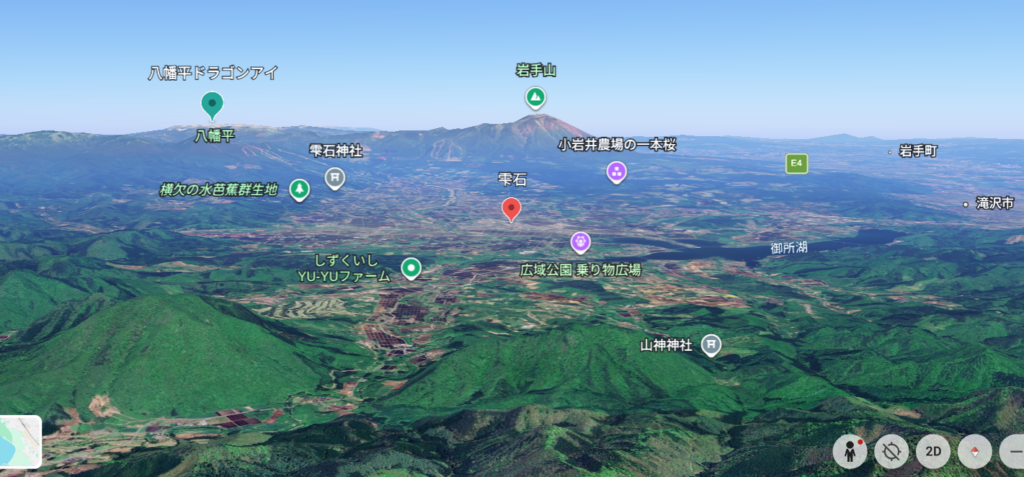
注文の多い料理店から森の民へ:雫石町・奥羽山脈に息づくマタギの自然信仰 / From the Hunters of “The Restaurant of Many Orders” to the People of the Forest: The Matagi’s Nature Worship in the Ou Mountains of Shizukuishi

宮沢賢治が描いた狩猟と、真実の森の民

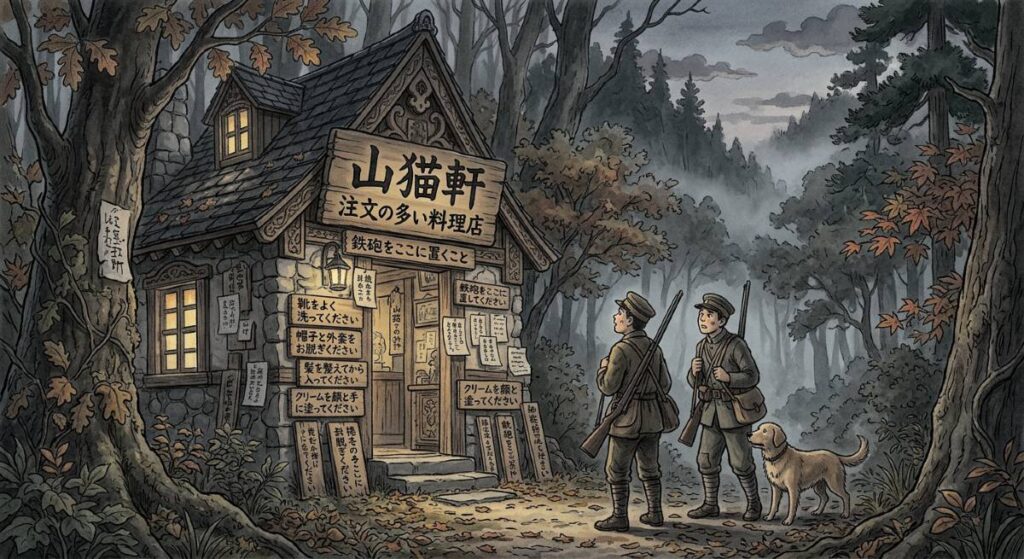
岩手県が誇る文学者、宮沢賢治の傑作『注文の多い料理店』において、二人の紳士は無邪気な狩猟者として登場する。彼らの振る舞いは、自然を支配し、所有するものと見なす近代的な人間観の象徴だ。しかし、彼らが迷い込んだ奥羽山脈の深淵には、全く異なる対極の存在があった。それこそが、命のやり取りを神聖な儀式として捉える「マタギ」という森の民である。彼らにとって、山に入ることは娯楽ではなく、畏怖と敬意を伴う精神的な営みそのものだった。

The Hunting Depicted by Kenji Miyazawa and the True People of the Forest

In the masterpiece “The Restaurant of Many Orders” by Iwate’s renowned author Kenji Miyazawa, two gentlemen appear as naive hunters. Their behavior symbolizes a modern human perspective that views nature as something to be controlled and possessed. However, deep within the abyss of the Ou Mountains where they wandered, there existed a completely opposite presence: the Matagi, the people of the forest who regarded the taking of life as a sacred ritual. For them, entering the mountains was not a pastime, but a spiritual endeavor accompanied by awe and profound respect.

山神(ヤマノカミ)の聖域:マタギの哲学

マタギにとって、奥羽山脈の深い森は単なる獲物の宝庫ではない。そこは「山神(ヤマノカミ)」が支配する厳格な聖域であり、人間は一時的に立ち入ることを許されたゲストに過ぎない。彼らの狩猟は、自然の恵みを謙虚に分け与えてもらう行為である。獲物は神からの授かり物であり、決して乱獲は許されない。この精神性は、獲物を「倒す」という感覚よりも、神に捧げられる命の一部を「預かる」という感覚に近い。狩りの前に行われる入山儀礼や、獲物への感謝の祈りには、自然に対する深い敬意が凝縮されている。

The Sanctuary of the Mountain Deity: The Matagi Philosophy

For the Matagi, the deep forests of the Ou Mountains are not merely a bounty of game. It is a strict sanctuary governed by “Yama-no-kami” (the Mountain Deity), and humans are merely guests permitted to enter temporarily. Their hunting is an act of humbly receiving blessings from nature. Prey is seen as a gift from the deity, and overhunting is strictly forbidden. This ethos is closer to the concept of “safekeeping” a portion of life offered to the gods, rather than simply “killing” prey. The rituals performed before entering the mountains and the prayers of gratitude toward the game embody a deep, concentrated respect for nature.

雫石の過酷な冬が育んだ知恵

岩手県雫石町から広がる奥羽山脈の冬は苛烈を極める。この過酷な環境こそが、マタギの精神を形作った最大の要因である。雪に閉ざされた世界で生き延びるためには、風の音や木の枝のわずかな揺れから自然の兆しを読み解く鋭い観察眼と、仲間との絶対的な信頼関係が不可欠だった。彼らは自然を支配しようとするのではなく、自然の一部として溶け込むことで、命の循環を守ってきたのである。その生き方は、現代人が忘れかけている「自然との調和」という普遍的な知恵を今に伝えている。

Wisdom Forged by the Harsh Winters of Shizukuishi

The winter in the Ou Mountains, stretching through Shizukuishi, Iwate, is severe. This harsh environment is the primary factor that shaped the spirit of the Matagi. To survive in a world locked by snow, a keen eye for reading natural signs—from the sound of the wind to the slightest sway of a tree branch—and absolute trust among companions were essential. They did not seek to conquer nature but to integrate into it, thereby preserving the cycle of life. Their way of life conveys the universal wisdom of “harmony with nature,” which modern society has begun to forget.

現代への問いかけ:持続可能な未来のために

賢治が描いた紳士たちの傲慢さは、自然に対する人間の無知への鋭い警告とも読める。対照的に、マタギは「森の掟」を厳格に守ることで、何世紀にもわたって自然との共生を実現してきた。私たちが今、失いつつあるのは、この謙虚な畏怖の念ではないだろうか。奥羽山脈に静かに息づくマタギの伝統には、単なる古い習慣を超えた、持続可能な未来を築くための哲学が隠されている。岩手の山々は、私たちに「自然とどう向き合うべきか」を今も問いかけ続けているのである。

欲望のままに森の静寂を削り取る現代社会の「侵食」に対し、マタギたちが何世代にもわたり祈りと共に積み上げてきた命と畏怖の「堆積」。その奥深い地層から響く声に耳を澄ませる時、私たちは気づくはずだ。人は自然を支配する者ではなく、自らもまたその一部として土に還り、やがて芽吹く存在であるということに。イーハトーブの風に吹かれながら、もう一度、大地と共に生き直すこと。それこそが、果てなき星めぐりの旅を続ける私たちがこの岩手の風土から受け取るべき、未来への真の「銀河の切符」なのである。

■ English Version

A Question for the Modern Age: For a Sustainable Future

The arrogance of the gentlemen depicted by Miyazawa can be read as a sharp warning against human ignorance regarding nature. In contrast, the Matagi have achieved coexistence with nature for centuries by strictly adhering to the “laws of the forest.” Perhaps what we are losing today is this humble sense of awe. The traditions of the Matagi, quietly breathing in the Ou Mountains, contain a philosophy that transcends mere ancient customs—a philosophy essential for building a sustainable future. The mountains of Iwate continue to ask us: how are we to truly face nature?

As modern civilization, driven by endless desire, ruthlessly “erodes” the profound silence of the forests, we must look to the “accumulation” of life and reverence built up over generations by the Matagi. When we listen closely to the voices echoing from these deep geological layers, we awaken to a profound truth: we are not the conquerors of nature, but merely a part of it, destined to return to the soil and eventually bloom anew. To live in harmony with the natural world once more, feeling the wind of Ihatov upon our skin—this is the true “ticket to the galaxy” that we, eternal travelers of the stars, must receive from the spiritual landscape of Iwate for the future.


■ メタデータ

カテゴリー: 県南 Southern Iwate
タグ: 宮沢賢治, マタギ, 奥羽山脈, 注文の多い料理店, 自然共生

獣の鼓動と山の記憶—鹿踊りからマタギの深淵、遠野の妖怪譚へ / The Pulse of the Beast and the Memory of the Mountains: From Shishi-odori to the Matagi and the Tales of Tono

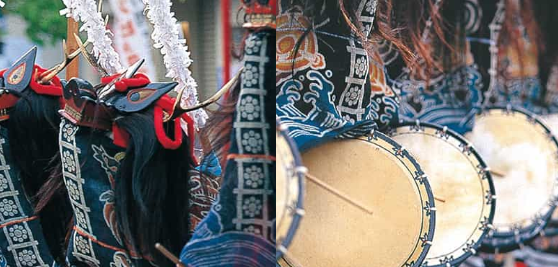
岩手県は、単なる観光地ではありません。ここは、現代社会が忘れ去った「自然への畏怖」と「精霊との共生」が、今なお色濃く残る場所です。胸に太鼓を抱き、獣の魂を憑依させて舞う鹿踊り(ししおどり)。険しき山々で命のやり取りを神聖な儀式として昇華させたマタギの狩猟術。そして、柳田國男の『遠野物語』が描き出した、境界線上の妖怪たち。これらはバラバラの民俗芸能ではなく、岩手の山々が紡いできた一つの壮大な物語の断片なのです。

The Pulse of the Beast and the Memory of the Mountains: From Shishi-odori to the Matagi and the Tales of Tono

Iwate Prefecture is not merely a tourist destination; it is a place where the “awe of nature” and “coexistence with spirits”—elements often forgotten by modern society—still breathe with vivid intensity.

There is the Shishi-odori (Deer Dance), where dancers clutch drums to their chests and dance as if possessed by the souls of beasts. There are the hunting traditions of the Matagi, who transformed the life-and-death struggle in the rugged mountains into a sacred ritual. And then, there are the yokai (supernatural beings) dwelling on the threshold of reality, as immortalized in Kunio Yanagita’s “The Tales of Tono.” These are not isolated pieces of folklore, but fragments of a single, grand epic woven over centuries by the mountains of Iwate.