
白銀の帳に響く、生命と畏敬の交響曲
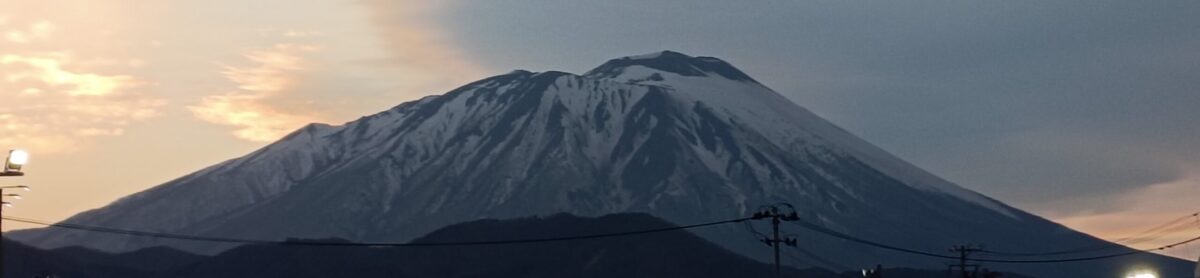
西和賀町。岩手県西部に位置し、奥羽山脈の襞深くに抱かれたこの地は、本州屈指の豪雪地帯として知られる。空から降り注ぐ雪はすべての音を吸い込み、世界を白銀の帳で包み込む。この凍てつく静寂の森、見上げるほどのブナの巨木が立ち並ぶ雪の回廊こそが、古より「マタギ」と呼ばれる狩猟民たちの聖域であった。
現代を生きる我々は、「自然共生」という言葉をどこか牧歌的で甘美な概念として捉えがちである。しかし、西和賀に息づくそれは、血の温もりと雪の冷たさが交錯する、命のやり取りという厳粛な契約に他ならない。マタギにとって、山は人間が支配する資源の宝庫ではない。そこは気まぐれで嫉妬深い女神である「山の神」が統べる異界である。彼らの最大の獲物であるツキノワグマは単なる獣ではなく、山の神が彼らに授けた「授かりもの」であり、森の化身そのものなのだ。
ここに、彼らの精神世界を垣間見る興味深い伝承がある。山の神はひどく嫉妬深い醜女とされており、マタギたちは山に入る際、神を喜ばせ機嫌をとるために、自らより醜いとされる「オコゼ(海魚)」の干物を懐に忍ばせた。また、狩りの場である山への女性の立ち入りを厳しく禁じたのも、女神の嫉妬を避けるためである。さらに、仕留めた熊の魂を天へと還す「ケボカイ(毛坊主)」と呼ばれる儀式では、獲物への深い哀悼と感謝の念が捧げられる。肉は集落の者たちで平等に分配され、毛皮や胆(くまのい)は余すところなく命の糧となった。無益な殺生を固く禁じ、必要な分だけを山から頂く彼らの掟は、何百年も前からブナ林の豊かな生態系を維持するための「究極のサステナビリティ」であったと言えよう。
豪雪という圧倒的な自然の猛威に抗うのではなく、その懐深くに入り込み、畏れをもって命をいただく。西和賀の森に足を踏み入れると、今もなお、ふんわりと積もった新雪の下で脈打つ大地のリズムを感じずにはいられない。冷たい風に混じる微かな獣の気配と、生命の循環に寄り添い続けたマタギたちの足跡が、この雪深い町で永遠の歴史として息づいているのである。
A Symphony of Life and Reverence Echoing Through the Silvery Veil
A Symphony of Life and Reverence Echoing Through the Silvery Veil
Nishiwaga Town. Nestled deep within the folds of the Ou Mountains in western Iwate Prefecture, this land is known as one of Honshu’s most unforgiving heavy-snow regions. The snow cascading from the heavens absorbs all sound, enveloping the world in a silvery veil of absolute stillness. These freezing, silent forests—snow-covered corridors lined with towering beech trees—have long been the sacred domain of the traditional hunters known as the “Matagi.”
We, living in the modern age, tend to perceive “harmony with nature” as a somewhat idyllic, sweet concept. However, the harmony that breathes in Nishiwaga is nothing less than a solemn covenant forged in the exchange of lives, where the warmth of blood and the biting cold of the snow intersect. To the Matagi, the mountain is not a repository of resources for human domination. It is the Otherworld, ruled by the “Yama-no-Kami” (Mountain Goddess), a whimsical and profoundly jealous deity. The Asiatic black bear, their primary quarry, is not merely a beast. It is a divine gift bestowed by the Mountain Goddess, an incarnation of the forest itself.
There is a fascinating piece of folklore hidden within their traditions that offers a glimpse into their spiritual worldview. The Mountain Goddess is said to be notoriously jealous and self-conscious of her unsightly appearance. To appease and delight her, the Matagi would secretly carry the dried bodies of the “okoze” (stonefish)—a marine creature deemed even more grotesque than the goddess—in their breast pockets when entering the mountains. The strict taboos placed on women entering the hunting grounds were also born from a desire to avoid incurring the goddess’s jealousy. Furthermore, the ritual known as “Kebokai” (hair priest)—a ceremony to return the soul of the slain bear to the heavens—is conducted with profound mourning and gratitude toward the prey. The meat was shared equally among the villagers, while the fur and gall bladder were fully utilized as vital sustenance. Their strict code, prohibiting senseless killing and taking only what is necessary from the mountains, can be seen as the “ultimate sustainability” that has maintained the rich ecosystem of the beech forests for centuries.
Instead of defying the overwhelming ferocity of the heavy snow, they embraced its depths and respectfully received life. Stepping into the forests of Nishiwaga, one cannot help but feel the rhythm of the earth pulsing beneath the softly accumulated fresh snow. Here lies a profound intersection: the endless “accumulation” of snow that attempts to blanket all things in white, and the “erosion” carved by the Matagi’s living testament—their souls traversing the mountains to sustain life and ingrain nature’s logic. Within this forest where such opposing forces intertwine, there exists the ultimate contrast between the absolute stillness of silver and the vivid red of flowing blood. The faint scent of beasts mingling with the freezing wind, alongside the enduring footprints of those who closely shadowed the cycle of life, will never be erased by the ever-falling snow. Instead, they continue to resonate through this snow-deep town as an eternal symphony.
■ WordPress設定データ
カテゴリー: 県南 Southern Iwate
タグ: 西和賀町, マタギ, 自然共生, ツキノワグマ, 究極のサステナビリティ
アクセスポイント(座標): 39.3151, 140.7756