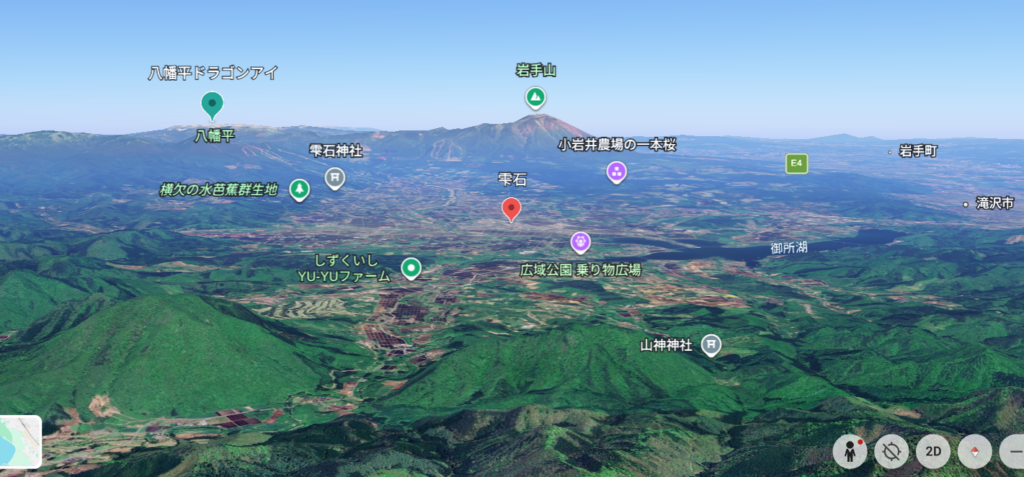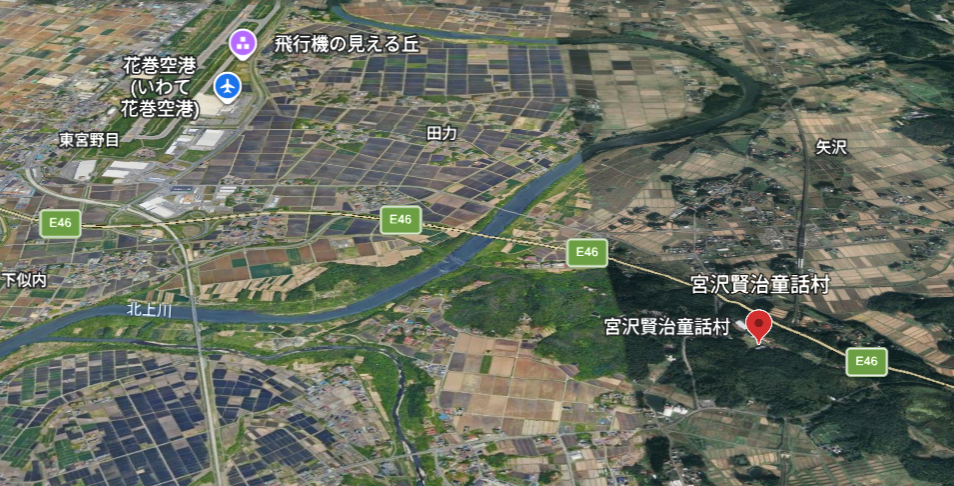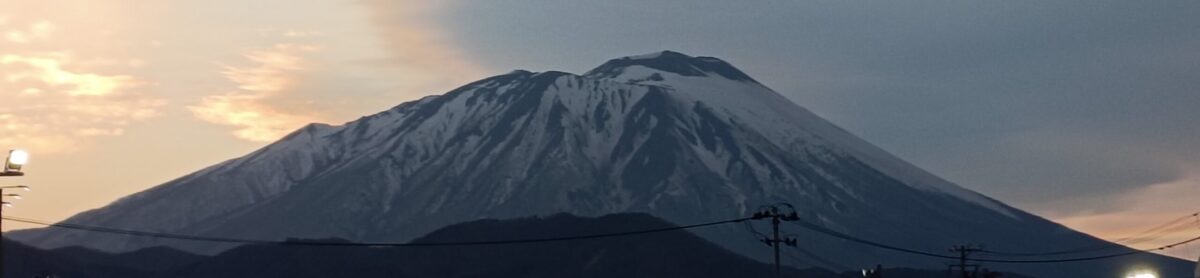
注文の多い料理店から森の民へ:雫石町・奥羽山脈に息づくマタギの自然信仰 / From the Hunters of “The Restaurant of Many Orders” to the People of the Forest: The Matagi’s Nature Worship in the Ou Mountains of Shizukuishi

宮沢賢治が描いた狩猟と、真実の森の民

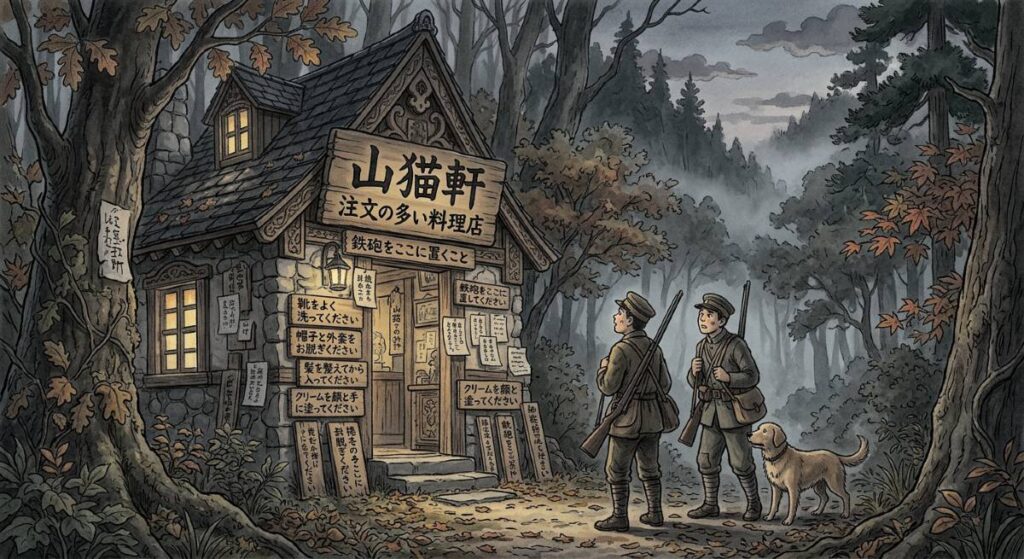
岩手県が誇る文学者、宮沢賢治の傑作『注文の多い料理店』において、二人の紳士は無邪気な狩猟者として登場する。彼らの振る舞いは、自然を支配し、所有するものと見なす近代的な人間観の象徴だ。しかし、彼らが迷い込んだ奥羽山脈の深淵には、全く異なる対極の存在があった。それこそが、命のやり取りを神聖な儀式として捉える「マタギ」という森の民である。彼らにとって、山に入ることは娯楽ではなく、畏怖と敬意を伴う精神的な営みそのものだった。

The Hunting Depicted by Kenji Miyazawa and the True People of the Forest

In the masterpiece “The Restaurant of Many Orders” by Iwate’s renowned author Kenji Miyazawa, two gentlemen appear as naive hunters. Their behavior symbolizes a modern human perspective that views nature as something to be controlled and possessed. However, deep within the abyss of the Ou Mountains where they wandered, there existed a completely opposite presence: the Matagi, the people of the forest who regarded the taking of life as a sacred ritual. For them, entering the mountains was not a pastime, but a spiritual endeavor accompanied by awe and profound respect.

山神(ヤマノカミ)の聖域:マタギの哲学

マタギにとって、奥羽山脈の深い森は単なる獲物の宝庫ではない。そこは「山神(ヤマノカミ)」が支配する厳格な聖域であり、人間は一時的に立ち入ることを許されたゲストに過ぎない。彼らの狩猟は、自然の恵みを謙虚に分け与えてもらう行為である。獲物は神からの授かり物であり、決して乱獲は許されない。この精神性は、獲物を「倒す」という感覚よりも、神に捧げられる命の一部を「預かる」という感覚に近い。狩りの前に行われる入山儀礼や、獲物への感謝の祈りには、自然に対する深い敬意が凝縮されている。

The Sanctuary of the Mountain Deity: The Matagi Philosophy

For the Matagi, the deep forests of the Ou Mountains are not merely a bounty of game. It is a strict sanctuary governed by “Yama-no-kami” (the Mountain Deity), and humans are merely guests permitted to enter temporarily. Their hunting is an act of humbly receiving blessings from nature. Prey is seen as a gift from the deity, and overhunting is strictly forbidden. This ethos is closer to the concept of “safekeeping” a portion of life offered to the gods, rather than simply “killing” prey. The rituals performed before entering the mountains and the prayers of gratitude toward the game embody a deep, concentrated respect for nature.

雫石の過酷な冬が育んだ知恵

岩手県雫石町から広がる奥羽山脈の冬は苛烈を極める。この過酷な環境こそが、マタギの精神を形作った最大の要因である。雪に閉ざされた世界で生き延びるためには、風の音や木の枝のわずかな揺れから自然の兆しを読み解く鋭い観察眼と、仲間との絶対的な信頼関係が不可欠だった。彼らは自然を支配しようとするのではなく、自然の一部として溶け込むことで、命の循環を守ってきたのである。その生き方は、現代人が忘れかけている「自然との調和」という普遍的な知恵を今に伝えている。

Wisdom Forged by the Harsh Winters of Shizukuishi

The winter in the Ou Mountains, stretching through Shizukuishi, Iwate, is severe. This harsh environment is the primary factor that shaped the spirit of the Matagi. To survive in a world locked by snow, a keen eye for reading natural signs—from the sound of the wind to the slightest sway of a tree branch—and absolute trust among companions were essential. They did not seek to conquer nature but to integrate into it, thereby preserving the cycle of life. Their way of life conveys the universal wisdom of “harmony with nature,” which modern society has begun to forget.

現代への問いかけ:持続可能な未来のために

賢治が描いた紳士たちの傲慢さは、自然に対する人間の無知への鋭い警告とも読める。対照的に、マタギは「森の掟」を厳格に守ることで、何世紀にもわたって自然との共生を実現してきた。私たちが今、失いつつあるのは、この謙虚な畏怖の念ではないだろうか。奥羽山脈に静かに息づくマタギの伝統には、単なる古い習慣を超えた、持続可能な未来を築くための哲学が隠されている。岩手の山々は、私たちに「自然とどう向き合うべきか」を今も問いかけ続けているのである。

欲望のままに森の静寂を削り取る現代社会の「侵食」に対し、マタギたちが何世代にもわたり祈りと共に積み上げてきた命と畏怖の「堆積」。その奥深い地層から響く声に耳を澄ませる時、私たちは気づくはずだ。人は自然を支配する者ではなく、自らもまたその一部として土に還り、やがて芽吹く存在であるということに。イーハトーブの風に吹かれながら、もう一度、大地と共に生き直すこと。それこそが、果てなき星めぐりの旅を続ける私たちがこの岩手の風土から受け取るべき、未来への真の「銀河の切符」なのである。

■ English Version

A Question for the Modern Age: For a Sustainable Future

The arrogance of the gentlemen depicted by Miyazawa can be read as a sharp warning against human ignorance regarding nature. In contrast, the Matagi have achieved coexistence with nature for centuries by strictly adhering to the “laws of the forest.” Perhaps what we are losing today is this humble sense of awe. The traditions of the Matagi, quietly breathing in the Ou Mountains, contain a philosophy that transcends mere ancient customs—a philosophy essential for building a sustainable future. The mountains of Iwate continue to ask us: how are we to truly face nature?

As modern civilization, driven by endless desire, ruthlessly “erodes” the profound silence of the forests, we must look to the “accumulation” of life and reverence built up over generations by the Matagi. When we listen closely to the voices echoing from these deep geological layers, we awaken to a profound truth: we are not the conquerors of nature, but merely a part of it, destined to return to the soil and eventually bloom anew. To live in harmony with the natural world once more, feeling the wind of Ihatov upon our skin—this is the true “ticket to the galaxy” that we, eternal travelers of the stars, must receive from the spiritual landscape of Iwate for the future.


■ メタデータ

カテゴリー: 県南 Southern Iwate
タグ: 宮沢賢治, マタギ, 奥羽山脈, 注文の多い料理店, 自然共生
石川啄木の哀愁から、宮沢賢治の宇宙へ — 花巻「宮沢賢治童話村」が解き放つ想像力の系譜 / From the Pathos of Takuboku to the Cosmos of Kenji: The Genealogy of Imagination at Hanamaki’s “Kenji Miyazawa Fairy Tale Village”

岩手の文学が持つ二つの地平

岩手県という土地は、明治から大正にかけて、日本の近代文学における二つの極点を生み出した。石川啄木がその詩歌で表現した「ふるさと」への郷愁と、近代化の荒波の中で揺れ動く「個」の孤独。それは多くの日本人の心に深く刺さる普遍的な苦悩である。しかし、同じ岩手の地で、宮沢賢治はその「個」の閉塞感を、宇宙的な想像力によって鮮やかに突破した。啄木の文学が内面への沈潜であるならば、賢治の文学は、花巻の風景をキャンバスにして描かれた、銀河系規模の拡張である。

The Two Horizons of Iwate Literature

From the Meiji to the Taisho era, the land of Iwate produced two poles of modern Japanese literature. Ishikawa Takuboku expressed the nostalgia for “home” and the loneliness of the “individual” struggling amidst the waves of modernization. This remains a universal anguish that strikes deep into the hearts of many. Yet, in the same land, Kenji Miyazawa brilliantly broke through that individual isolation using cosmic imagination. If Takuboku’s literature was an immersion into the inner self, Kenji’s was an expansion on a galactic scale, painting the scenery of Hanamaki as his canvas.

童話村:イーハトーブという宇宙への入り口

花巻市にある「宮沢賢治童話村」は、単なる観光施設ではない。ここは、賢治が「イーハトーブ」と呼んだ理想郷の縮図である。園内に足を踏み入れると、そこは現実の物理法則から切り離された空間となる。「賢治の学校」の展示室は、彼の童話世界を空間芸術として再構築しており、訪れる者は「宇宙の部屋」「天空の部屋」といったエリアを通じて、彼の脳内で繰り広げられていた多重的な世界観を体感することになる。啄木の詩に見られる「個人の哀しみ」は、賢治の手にかかれば「宇宙的な連帯」へと昇華されるのだ。

Fairy Tale Village: The Gateway to the Cosmos of Ihatov

Hanamaki’s “Kenji Miyazawa Fairy Tale Village” is far more than a mere tourist attraction. It is a microcosm of the utopia Kenji called “Ihatov.” Stepping into the park, one leaves behind the laws of physical reality. The exhibition halls of the “Kenji School” reconstruct his fairy tales as spatial art; visitors traverse areas like the “Room of the Cosmos” and the “Room of the Sky,” experiencing the multi-layered worldview that unfolded within his mind. The “individual sorrow” found in Takuboku’s poetry is sublimated into “cosmic solidarity” in Kenji’s hands.

なぜ、花巻から「宇宙」が生まれたのか

賢治が描いたイーハトーブは、岩手の厳しい自然環境と、彼が抱いた熱烈な科学的探究心の化学反応によって生まれた。農学校の教師として土と向き合い、同時に星空を見上げては望遠鏡を覗いた賢治。彼にとって、農作業の泥と銀河の輝きは等価であった。童話村を歩くことは、この「地上の労働」と「天上の理想」を統合しようとした、一人の天才の格闘の痕跡をなぞることと同義である。私たちはここで、啄木的な「情念」から跳躍し、より高次の視座から世界を眺める賢治の哲学に触れることができる。

その眼差しは、何万年もの時をかけてイーハトーブの地層に「堆積」した土着の哀しみや祈りを、宇宙という無限のスケールで「侵食」し、普遍的な美へと昇華させる試みであった。花巻の風に吹かれながら耳を澄ませば、チェロの重低音のように響く大地の鼓動と、星々の瞬きにも似た風の囁きが交差するのを感じるだろう。泥にまみれた足で大地に深く根を張りながら、心は銀河の彼方へ飛翔する。この鮮やかなコントラストこそが、今なお色褪せない岩手の原風景として、私たちの魂を深く揺さぶり続けるのだ。

■ English Version

Why the “Cosmos” was Born in Hanamaki

The Ihatov depicted by Kenji was born from a chemical reaction between the harsh natural environment of Iwate and his fervent scientific curiosity. As a teacher at an agricultural school, he faced the soil, while simultaneously peering through a telescope at the starry sky. To him, the mud of farm work and the brilliance of the galaxy were equivalent. Walking through the Fairy Tale Village is synonymous with tracing the traces of a genius’s struggle to integrate “earthly labor” and “celestial ideals.” Here, we can leap from Takuboku-esque “passions” and touch Kenji’s philosophy, which views the world from a higher perspective.

His gaze was a profound attempt to let the infinite scale of the cosmos “erode” the indigenous sorrows and prayers that had “accumulated” in the geological layers of Ihatov over tens of thousands of years, sublimating them into universal beauty. If you listen closely while feeling the wind of Hanamaki, you will sense the intersection of the earth’s heartbeat, echoing like the deep resonance of a cello, and the whispers of the wind, akin to the twinkling of stars. Standing with mud-stained feet firmly rooted in the earth, the mind soars beyond the galaxy. This vivid contrast remains an unfading primeval landscape of Iwate, continuing to deeply shake our souls.


■ WordPress設定データ

カテゴリー: 県南 Southern Iwate
タグ: 宮沢賢治, 花巻, イーハトーブ, 宮沢賢治童話村, 宇宙
アクセスポイント(座標): 39.4005, 141.1706

北上の詩情から花巻の銀河へ:岩手が紡ぐ「日常」と「宇宙」の対話 / From the Poetic Heart of Kitakami to the Galaxies of Hanamaki: A Dialogue Between the “Everyday” and the “Cosmos” in Iwate

岩手という土地が持つ二重の視点

岩手県という広大な大地は、単なる観光地ではない。それは、人間の精神がいかにして世界を認識するかという、深遠な哲学の実験場である。北上川の穏やかな流れに沿って育まれたサトウハチローの「日常への慈しみ」と、花巻の冷涼な風の中で宮沢賢治が夢想した「宇宙的広がり」。この二人の巨人が描き出した世界観は、一見すると対極にあるようでいて、実は「岩手」という同じ土壌から生まれた表裏一体のパズルである。本稿では、この土地でこそ成立する、ミクロからマクロへの認識の跳躍について考察する。

The Dual Perspective of the Iwate Landscape

The vast expanse of Iwate Prefecture is not merely a destination for sightseeing; it is a profound philosophical testing ground for how the human spirit perceives the world. There is the “affection for the everyday” cultivated by Sato Hachiro along the gentle currents of the Kitakami River, and the “cosmic expansion” dreamed of by Kenji Miyazawa amidst the cool winds of Hanamaki. While these two visions might seem polarized at first glance, they are, in fact, two sides of the same puzzle, emerging from the very soil of Iwate. In this article, we explore that leap of perception—from the micro to the macro—that can only be fully realized in this unique land.

北上:サトウハチローが掬い上げた「日常の永遠」

北上を流れる川面を見つめるとき、私たちはサトウハチローの詩『小さい秋みつけた』の旋律を思い出す。彼は、北上の静かな風土の中で、巨大な叙事詩ではなく、足元に落ちている枯葉や、ふと通り過ぎる季節の気配にこそ真実があると見抜いていた。彼の視点は、徹底して「人間的」であり、生活者の目線である。これは、岩手の冬の厳しさと春の歓喜を、身体感覚として受け入れる北上の人々の暮らしそのものである。彼が北上で発見したのは、永遠に続く宇宙の法則ではなく、一瞬にして消えてしまう「今」という時間の尊さであった。

Kitakami: The “Eternity of the Everyday” Gathered by Sato Hachiro

When gazing upon the surface of the Kitakami River, one cannot help but recall the melody of Sato Hachiro’s poem, “Chiisai Aki Mitsuketa” (Found a Little Autumn). In the quiet climate of Kitakami, he perceived that truth lies not in grand epics, but in the fallen leaves at one’s feet and the subtle shifts of the passing seasons. His perspective was thoroughly “human,” rooted in the viewpoint of an ordinary life. This mirrors the lives of the people of Kitakami, who embrace the severity of Iwate’s winters and the joy of its springs as a visceral, physical experience. What he discovered in Kitakami was not the laws of an eternal universe, but the preciousness of the “present” moment, which vanishes as quickly as it appears.

花巻:宮沢賢治が描いた「銀河への跳躍」

一方、北上からわずかに北へ向かった花巻の地で、宮沢賢治は全く異なる次元へと意識を飛ばした。彼は岩手の地質学的な歴史を学び、それを天文学的な時間軸へと接続した。彼のイーハトーブは、現実の岩手でありながら、同時に銀河系の一部であった。賢治にとって、岩手の山々は単なる地形ではなく、星々が降り注ぐ舞台装置に他ならない。彼は、サトウハチローが見つめた「日常の地面」を掘り下げ、その地層の深淵から宇宙の真理を吸い上げたのだ。彼の作品に漂う透明な寂寥感は、人間が宇宙という広大なシステムの中で、いかに小さく、同時にいかにかけがえのない存在であるかを私たちに突きつける。

Hanamaki: The “Leap to the Galaxy” Depicted by Kenji Miyazawa

Meanwhile, just a short distance north in Hanamaki, Kenji Miyazawa projected his consciousness into an entirely different dimension. He studied the geological history of Iwate and connected it to an astronomical timeline. His “Ihatov” was the real Iwate, yet simultaneously a part of the galaxy. To Kenji, the mountains of Iwate were not merely topography; they were a stage where stars descended. He delved into the “everyday ground” that Sato Hachiro observed, and from the depths of those strata, he drew out the truths of the cosmos. The transparent loneliness that permeates his work forces us to realize how small, yet how irreplaceable, we are within the vast system of the universe.

岩手というパズルを完成させるために

北上の「日常」と花巻の「宇宙」。この二つの視点を行き来することこそが、岩手を旅する本当の意味である。私たちは、北上でサトウハチローのように足元の小さな秋に感動し、その足で花巻へ向かい、宮沢賢治のように夜空を見上げて銀河の運行に思いを馳せるべきだ。この二重構造の体験を経て初めて、岩手という土地が持つ重層的な魅力が理解できる。日常の積み重ねが宇宙を形作り、宇宙の広がりが日常を照らし出す。岩手というパズルの最後の一片は、訪れる旅人自身の内側で、静かに、しかし確実に埋め込まれることになるだろう。

Completing the Puzzle of Iwate

The “everyday” of Kitakami and the “cosmos” of Hanamaki—moving between these two perspectives is the true meaning of traveling through Iwate. We should be moved by the small autumn at our feet like Sato Hachiro in Kitakami, and then, on the same journey, look up at the night sky in Hanamaki and contemplate the movement of the galaxies like Kenji Miyazawa. Only through this dual-structured experience can one grasp the multi-layered charm of this land. The accumulation of daily life shapes the universe, and the vastness of the universe illuminates daily life. The final piece of the puzzle that is Iwate will be quietly, yet surely, placed within the heart of the traveler who visits.

📍 アクセス / Access

日本語の交通アクセス:
JR花巻駅から岩手県交通バス「宮沢賢治記念館」行きで約20分、「宮沢賢治童話村」下車。
東北自動車道花巻ICから車で約10分。

English access info:
By train: From JR Hanamaki Station, take an Iwate Kotsu bus bound for “Miyazawa Kenji Memorial Museum” for approx. 20 min, get off at