岩手の食の深層:わんこそばの祝祭と、豪雪が生んだ「ビスケットの天ぷら」 / The Depths of Iwate’s Cuisine: The Festive Wanko Soba and the “Tempura Biscuits” Born of Heavy Snow

岩手の食文化に見る、祝祭と生存の二面性

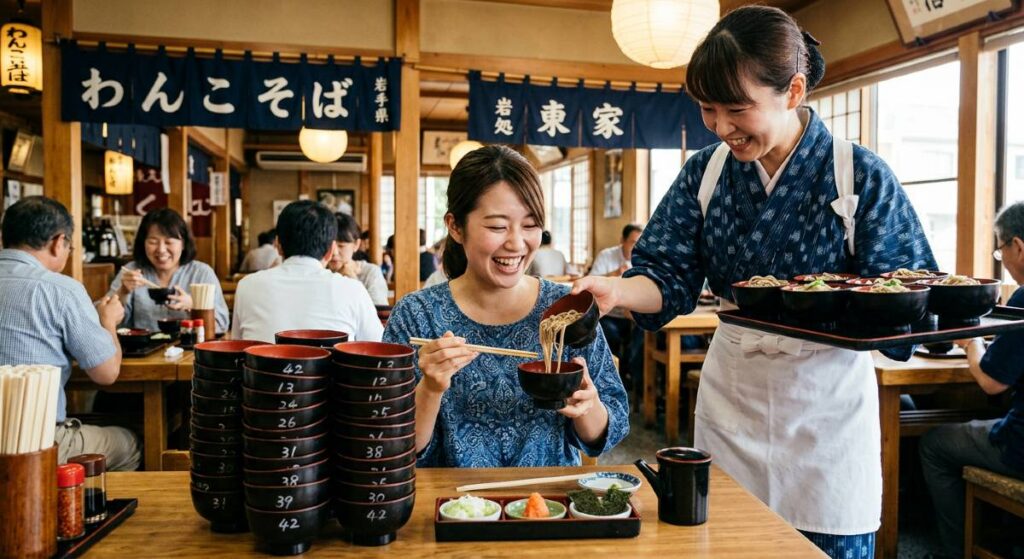
岩手県という広大な土地の食文化を紐解くと、そこには華やかな「祝祭」の側面と、厳冬を生き抜くための「生存」の知恵という、対極的な二つの顔が見えてきます。盛岡を中心とした地域で愛される「わんこそば」は、ゲストを最大限にもてなすための祝祭の文化です。一方で、県内有数の豪雪地帯である西和賀町には、極限の環境下で生まれた独自の食のサバイバル術が息づいています。この二つを比較することは、岩手の歴史的背景を深く理解する鍵となります。

The Duality of Iwate’s Cuisine: Celebration and Survival

Unraveling the culinary culture of Iwate Prefecture reveals two contrasting faces: the grand spirit of celebration and the profound wisdom required for survival in harsh winters. “Wanko Soba,” beloved in the Morioka region, is a culture of celebration designed to provide the ultimate hospitality. Conversely, in Nishiwaga, one of the prefecture’s heaviest snowfall areas, a distinct survival-based culinary tradition thrives. Comparing these two provides a key to deeply understanding Iwate’s historical context.

「わんこそば」:おもてなしの精神の具現化

「わんこそば」は、単なる大食いの競技ではありません。その起源は、かつて岩手で行われていた宴席料理にあります。大人数にそばを振る舞う際、温かい状態で提供し続けるために、少しずつお椀に入れるようになったのが始まりとされています。そこにあるのは、「お腹いっぱい食べてほしい」というホスト側の切実な願いと、客をもてなすための洗練されたオペレーションです。このリズム感とライブ感こそが、岩手が誇るおもてなしの原点といえるでしょう。

Wanko Soba: The Embodiment of Omotenashi

“Wanko Soba” is far more than a competitive eating challenge. Its origins lie in traditional banquet cuisine. To serve large groups of guests hot noodles continuously, the noodles were served in small portions into bowls. This practice reflects the host’s earnest desire to ensure guests are fully satisfied, combined with refined hospitality operations. This rhythm and live atmosphere represent the very essence of Iwate’s famed *omotenashi*.

西和賀の知恵:豪雪地帯の「ビスケットの天ぷら」

翻って西和賀町に目を向けると、そこには雪に閉ざされる冬を乗り切るための、質実剛健な食文化が根付いています。中でも異彩を放つのが「ビスケットの天ぷら」です。なぜビスケットを揚げるのか。それは、寒冷地で不足しがちなカロリーを補い、温かい食べ物で活力を得るための、先人の知恵の結晶です。少し硬くなったビスケットを衣で包み、油で揚げることで、香ばしさと甘みが引き立ち、冬の保存食としての役割を果たしました。これは単なる珍味ではなく、過酷な自然と対峙した人々の歴史的遺産なのです。

屋根を軋ませて「堆積」する豪雪と、孤独によって人々の心を「侵食」しようとする長く厳しい冬。その圧倒的な白の静寂の中で、囲炉裏の火で黄金色に揚げられたビスケットは、身と心を温める小さな太陽でありました。サクサクとした熱い衣をかじれば、素朴な甘さが口いっぱいに広がり、凍てつく時間を優しく溶かしていく。苛烈な風土の重圧に抗うのではなくしなやかに寄り添い、ささやかな日常に生きる喜びを見出す営み。この一片の天ぷらには、イーハトーブの雪深い大地を生き抜く強靭な生命力が、今も色褪せることなく息づいているのです。

■ English Version

Nishiwaga’s Wisdom: The “Tempura Biscuit” of the Snow Country

Turning to Nishiwaga, we find a robust culinary culture rooted in surviving snow-bound winters. A standout is the “tempura biscuit” (biscuits fried in batter). Why fry a biscuit? It is the crystallization of our ancestors’ wisdom, created to supplement the calories often lacking in cold regions and to spark vitality through a warm meal. By wrapping slightly hardened biscuits in batter and deep-frying them, their savory aroma and sweetness were beautifully drawn out, fulfilling their role as essential winter provisions. This is no mere local curiosity; it is a historical legacy of a people confronting an unforgiving nature.

As heavy snows persistently “accumulated” to test their endurance, and the long, bitter winter threatened to “erode” their spirits with isolation, these golden-fried biscuits shone like miniature suns, warming both body and soul amid the overwhelming white silence. Bite into the hot, crispy batter, and a rustic sweetness fills your mouth, gently melting away the frozen hours. It is an act of gracefully embracing the immense pressure of a harsh climate, finding pure joy in everyday survival. Within a single piece of this biscuit tempura breathes the resilient life force that continues to thrive in the deep-snow lands of Ihatov, remaining unfaded to this day.


■ WordPress設定データ

カテゴリー: 県南 Southern Iwate
タグ: 西和賀町, ビスケットの天ぷら, 郷土料理, 雪国, 堆積と侵食
アクセスポイント(座標): 39.3155, 140.7760
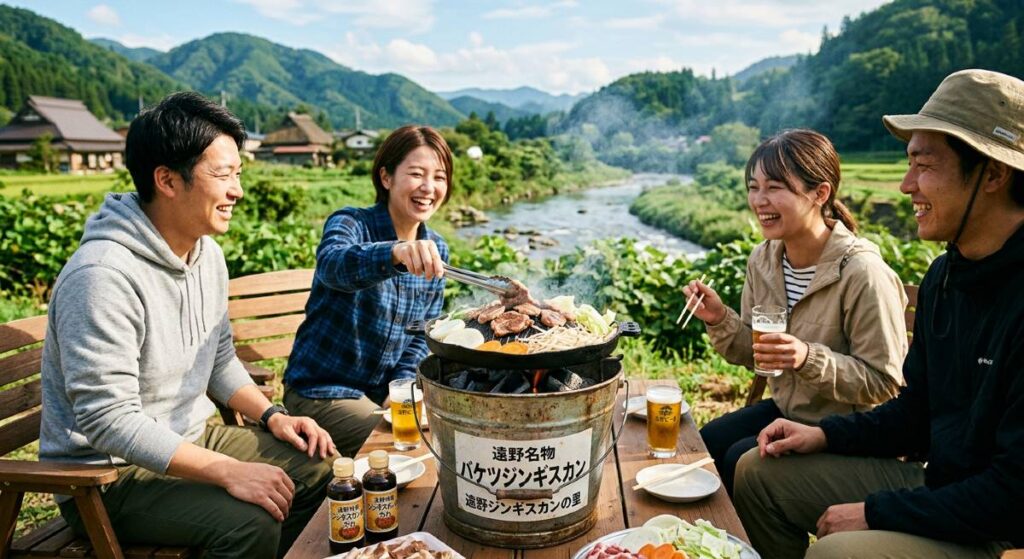
遠野の風が運ぶ羊の記憶:バケツジンギスカンという野外食文化 / The Memory of Sheep Carried by the Tono Wind: The Outdoor Food Culture of “Bucket Genghis Khan”

遠野の風物詩「バケツジンギスカン」。かつての羊毛産業の歴史が、開放的な野外食文化として今も息づいています。炭火の煙と羊肉の香りが紡ぐ、岩手の温かな物語。ぜひ遠野で体験してください! #VisitIwate #Morioka #Tono #GenghisKhan

遠野の風土に根ざした羊の物語

岩手県遠野市。民話の里として知られるこの地には、特異な食の風景がある。それが「バケツジンギスカン」だ。単なる焼肉料理ではない。それは、この土地の寒冷な気候と、かつて国策として推進された羊毛産業の歴史が交差して生まれた、遠野独自の「野外食文化」である。なぜ、わざわざバケツを使うのか。その背景には、合理性と遊び心、そして厳しい冬を越えてきた人々の知恵が隠されている。

The Story of Sheep Rooted in Tono’s Climate

Tono City in Iwate Prefecture, famous as the home of folklore, possesses a unique culinary landscape: “Bucket Genghis Khan” (Bucket Jingisukan). It is not merely a dish of grilled lamb; it is a distinct outdoor food culture born from the intersection of the region’s cold climate and the history of the wool industry, once promoted as a national policy. Why use a bucket, of all things? Hidden behind this practice are rationality, a sense of playfulness, and the wisdom of people who have endured harsh winters.

国策と食の変遷:なぜ遠野で羊肉なのか

大正時代から昭和初期にかけて、日本政府は軍用服の原料となる羊毛の自給自足を目指し、全国各地で綿羊飼育を奨励した。遠野もその拠点の一つであった。冷涼な気候は羊の飼育に適しており、牧歌的な風景が広がった。しかし、戦後になり安価な輸入羊毛が台頭すると、羊毛産業は衰退の道を辿る。それでも、遠野の人々は羊肉を食べる文化を捨てなかった。牧場から食卓へ、そして裏庭や河川敷へと、羊肉は「遠野の味」として生活に深く溶け込んだのだ。

National Policy and Culinary Evolution: Why Lamb in Tono?

From the Taisho era to the early Showa period, the Japanese government encouraged sheep farming across the country, aiming for self-sufficiency in wool for military uniforms. Tono became one of the key hubs. Its cool climate was well-suited for raising sheep, creating a pastoral landscape. However, after the war, as cheap imported wool flooded the market, the wool industry declined. Yet, the people of Tono did not abandon the culture of eating lamb. From the farms to the dining tables, and eventually to backyards and riverbeds, lamb became deeply embedded in daily life as the “taste of Tono.”

バケツという名の「調理器具」

遠野でジンギスカンを食べる際、専用の鍋を置くのは、なんと「穴を開けたバケツ」である。このバケツは、単なる容器ではない。炭火の熱を効率よく循環させ、肉を焼くための最適な対流を生む「簡易コンロ」なのだ。河川敷や裏庭に持ち出し、その場で火を熾し、新鮮な羊肉を焼く。このスタイルは、遠野の人々にとって「特別なご馳走」ではなく、日常の延長線上にあるコミュニケーションのツールである。閉鎖的な室内ではなく、開放的な屋外で煙に巻かれながら食べる。その行為そのものが、遠野という土地が育んだ、人と人を繋ぐ儀式となっている。

The “Cooking Utensil” Called a Bucket

When eating Genghis Khan in Tono, the specialized griddle is placed on—of all things—a perforated bucket. This bucket is not merely a container; it is a makeshift stove that efficiently circulates the heat of charcoal, creating optimal convection to grill the meat. People take it to riverbeds or backyards, start a fire on the spot, and grill fresh lamb. For the people of Tono, this style is not a “special treat,” but a tool for communication that exists as an extension of daily life. Eating while surrounded by smoke in the open air, rather than in a closed room—the act itself has become a ritual that connects people, nurtured by the land of Tono.

受け継がれる野外食文化の誇り

遠野のバケツジンギスカンは、時代を超えて進化し続けている。精肉店が秘伝のタレを競い合い、各家庭にはそれぞれの「バケツの流儀」がある。この食体験は、単なるグルメガイドには載らない「生きた歴史」だ。遠野を訪れる旅人は、ぜひこのバケツの煙に触れてみてほしい。羊肉の香ばしい匂いと共に、かつてこの地を駆けた羊たちの鼓動と、それを慈しんできた人々の温かな記憶が、あなたの五感を満たしてくれるはずだ。

冷たい風が盆地を吹き抜け、古い伝承の記憶を少しずつ削り取るように時代の侵食が進む中でも、この地で紡がれる人々の営みは、ジンギスカン鍋に焼き付く焦げ目のように幾重にも旨味として堆積していく。夕暮れの空に溶けていく青白い煙を見上げれば、イーハトーヴの星屑にも似た火の粉が夜風に舞い上がる。空気穴の空いたバケツという「小さな宇宙」を囲むとき、私たちは岩手の土と火、そして命が交響する、最も原初的で豊かな宴の座につくのである。

■ English Version

The Inherited Pride of Outdoor Food Culture

Tono’s Bucket Genghis Khan continues to evolve across generations. Butcher shops compete with their secret sauces, and every household has its own “philosophy of the bucket.” This culinary experience is “living history” that you won’t find in a typical guidebook. Travelers visiting Tono should definitely experience the smoke of these buckets. Along with the savory aroma of lamb, the heartbeat of the sheep that once roamed this land and the warm memories of the people who cherished them will surely fill your senses.

Even as the cold winds sweep through the basin and the passage of time steadily erodes the memories of old folklore, the daily lives of the people woven into this land accumulate layer by layer, much like the rich, savory char on the cast-iron grill. Gazing up at the pale smoke melting into the twilight sky, you can see sparks dancing in the night breeze like stardust from the Milky Way of Ihatov. When we gather around this “miniature universe” known as the ventilated bucket, we take our seats at the most primordial and profound banquet, where the soil, fire, and life of Iwate resonate in a beautiful symphony.


■ WordPress設定データ

カテゴリー: 県南 Southern Iwate
タグ: 遠野, バケツジンギスカン, 郷土料理, 羊肉, イーハトーブ
アクセスポイント(座標): 39.3283, 141.5303 (遠野駅周辺・食文化の交差点として)

寒冷地に咲く甘じょっぱい奇跡:久慈市「まめぶ汁」に刻まれた生き抜くための記憶 / A Sweet and Savory Miracle in the Cold: The Survival Wisdom Behind Kuji’s

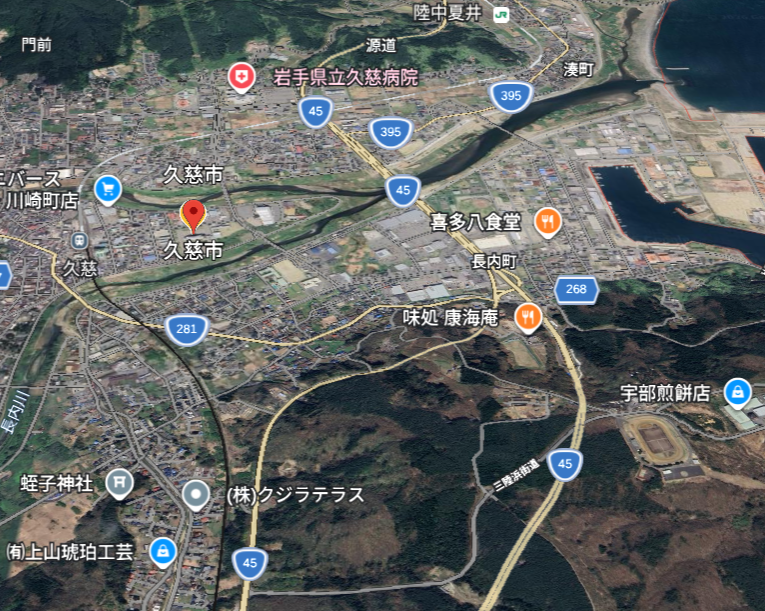
「やませ」と呼ばれる冷たく湿った海風が、容赦なく大地を這う岩手県北部の沿岸部、久慈市。この地は古くから、厳しい気候によって幾度も豊かな実りを「侵食」されてきた。米が育ちにくい過酷な風土のなかで、人々は逞しく麦を育て、山の恵みを拾い集めた。そうして生まれたのが「まめぶ汁」である。
昆布と煮干し、根菜の旨味が溶け込んだ醤油仕立てのしょっぱい汁。そこに浮かぶ親指ほどの小麦の団子を噛み締めれば、中から黒砂糖の鮮烈な甘みとクルミの香ばしさが溢れ出す。

この一杯は、ただの郷土料理ではない。自然の猛威という「侵食」に抗い、代々の母たちが祈るように重ねてきた命の「堆積」そのものだ。冷害に泣いた歴史のしょっぱさを、せめてものハレの日には甘さで優しく包み込みたいという、北の民の切実な願い。雪に閉ざされた冬の夜、椀から立ち上る湯気の向こうには、決して諦めることなく土に根を張った人々の静かな熱情が揺らめいている。口の中で弾ける甘じょっぱい奇跡の雫は、今も私たちの冷えた魂の底へ染み渡り、凍てつく心を力強く溶かしていくのだ。

■ English Version

A Sweet and Savory Miracle in the Cold: The Survival Wisdom Behind Kuji’s Mamebu-jiru

In Kuji City, located on the northern coast of Iwate Prefecture, the biting, damp sea wind known as “Yamase” creeps relentlessly across the land. Historically, this harsh climate has repeatedly “eroded” the region’s bountiful harvests. In a severe environment where rice struggled to grow, the people resiliently cultivated wheat and gathered the blessings of the mountains. From this desperate necessity, “Mamebu-jiru” was born.
In a salty, soy-based broth imbued with the rich umami of kelp, dried sardines, and root vegetables, float thumb-sized wheat dumplings. Bite into one, and a vivid sweetness of brown sugar mixed with the earthy crunch of walnuts bursts forth.

This bowl is no ordinary local dish. It is the very “accumulation” of life, layered like a prayer by generations of mothers defying the “erosion” wrought by nature’s fury. It embodies the earnest wish of the northern people: to tenderly wrap the salty tears of historical famines in a sweet embrace, at least on days of celebration. On a snowbound winter night, beyond the steam rising from the bowl, flickers the quiet passion of those who rooted themselves in this soil without ever giving up. That sweet and savory drop of miracle continues to seep into the depths of our chilled souls, powerfully melting away the frost within.
■ WordPress設定データ

カテゴリー: 【県北 Northern Iwate】
タグ: 久慈市, まめぶ汁, 郷土料理, やませ, くるみ
アクセスポイント(座標): 40.1905, 141.7756