滴る地下水が刻む「現在」と、岩壁に眠る「石炭紀の海」
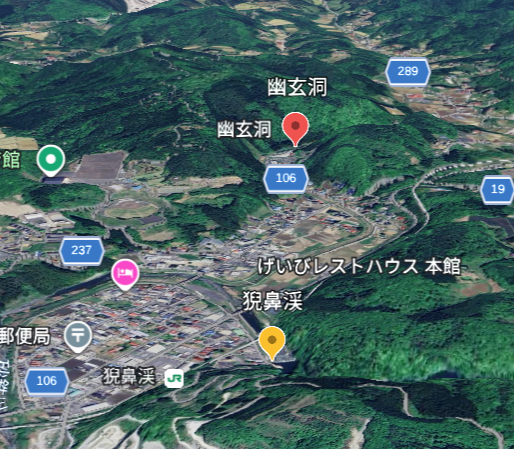
岩手県南部に位置する一関市東山町。木漏れ日が揺れる静謐な森の奥に、地球の深部へと続く小さな裂け目が口を開けている。「幽玄洞」——その名の通り、底知れぬ神秘を湛えたこの鍾乳洞に足を踏み入れると、肌を刺すような冷気と、石灰岩を舐めるように滴る地下水の幽かな響きに包まれる。だが、この洞窟が持つ真の恐ろしさと美しさは、自然が気の遠くなるような時間をかけて造り上げた鍾乳石の造形だけにあるのではない。濡れた岩壁にカンテラの光を当て、目を凝らしてみてほしい。そこには、ウミユリの茎やフズリナ、三葉虫、そして古代のサンゴたちが、まるでつい先ほどまで生きていたかのように立体的な姿をとどめている。彼らが海を泳ぎ、波に揺らめいていたのは約三億五千万年前、古生代石炭紀のことだ。
ここで少し、目眩がするような「地球の寄り道」に付き合っていただきたい。三億五千万年前、現在私たちが立っているこの岩手の大地は、ここには存在していなかった。当時、地球上の陸地は巨大な超大陸パンゲアへと集結しつつあり、今の北上山地を形作る岩盤は、なんと赤道直下の暖かく浅い海(パンサラッサ海)にあったのだ。生命がひしめく熱帯のサンゴ礁は、やがて死して分厚い石灰岩の地層となり、プレートの運動という地球の巨大なベルトコンベアに乗って、途方もない年月をかけて北上を続けた。そして幾度もの地殻変動と激しい隆起を経て、この極東の島国、東北の山奥にたどり着いたのである。あなたが今、幽玄洞の暗闇で触れている冷たい岩肌は、赤道の熱を記憶したまま凍りついた「数億年の旅の終着点」に他ならない。
洞奥へと進むにつれ、透明なエメラルドグリーンを湛えた地底湖が現れる。ポトリ、ポトリと暗闇にこだまする水滴の音は、一センチの鍾乳石を育てるのに百年の歳月を費やす「現在」の時計の針だ。一方で、壁面に埋め込まれた化石たちは「三億五千万年前」の姿のまま、完全に時間を止めている。幽玄洞とは、現在進行形で滴り続ける地質学的時間と、遠い古生代の記憶とが、静寂の中でひっそりと交差する奇跡の空間である。ここでそっと目を閉じれば、頭上の森を吹き抜ける風の音に混じって、遥かなる赤道の海鳴りが聞こえてこないだろうか。
The “Present” Carved by Dripping Groundwater and the “Carboniferous Sea” Slumbering in the Rock Walls
Located in Higashiyama-cho, Ichinoseki City, in the southern part of Iwate Prefecture, a modest fissure leading to the depths of the Earth yawns quietly deep within a tranquil forest dappled with sunlight. “Yugendo” (The Cave of Profound Mystery)—stepping into this limestone cavern, which lives up to its name by brimming with an unfathomable enigma, you are immediately enveloped by a piercingly cool air and the faint, echoing symphony of groundwater lapping against the limestone. However, the true awe and beauty of this subterranean realm do not lie solely in the geological formations of stalactites crafted over mind-boggling stretches of time. Shine the light of your lantern upon the damp, glistening rock walls and peer closely. There, preserved in astonishing three-dimensional relief, lie the remnants of crinoid stems, fusulinids, trilobites, and ancient corals, looking as though they were pulsing with life but a moment ago. The time when they swam and swayed in the ocean currents was approximately 350 million years ago, during the Carboniferous period of the Paleozoic era.
Here, I invite you to indulge in a dizzying “geological detour.” Three hundred and fifty million years ago, the very land of Iwate upon which we now stand did not exist in its current location. At that time, the Earth’s landmasses were gradually coalescing into the supercontinent Pangea, and the bedrock that now forms the Kitakami Mountains was situated in a warm, shallow sea (the Panthalassic Ocean) directly beneath the equator. The tropical coral reefs, teeming with life, eventually died and calcified into thick layers of limestone. Riding the immense conveyor belt of the Earth known as plate tectonics, this colossal raft of stone embarked on an agonizingly slow northward journey over incomprehensible eons. After undergoing countless tectonic shifts and violent continental upheavals, it finally arrived here, deep in the mountains of the Tohoku region in this Far Eastern archipelago. The cold rock face you touch today in the darkness of Yugendo is nothing less than the terminus of a multi-million-year odyssey, frozen in time yet still holding the primordial memory of equatorial heat.
As you venture deeper into the abyss, a subterranean lake brimming with translucent emerald-green water reveals itself. The *drip, drip* of falling water droplets echoing in the dark serves as the ticking hand of the”present.” Conversely, the fossils embedded within the walls have held time perfectly still for 350 million years. Yugendo is a threshold of the blue—a space where geological time, still flowing today, quietly intersects with the ancient memories of the Paleozoic era. If you close your eyes here, perhaps you will hear the roar of the eternal ocean from that unimaginably distant era, drifting through the sound of the wind as it brushes past the forests far above ground.