渋民村の原風景:啄木の魂を育んだ岩手の土壌
岩手という土地は、柳田國男が『遠野物語』で描き出した神秘的な「異界」の香りが色濃く残る場所である。しかし、この地が育んだもう一つの文学的系譜がある。それが、天才歌人・石川啄木である。盛岡市渋民村。この地で少年時代を過ごした啄木にとって、北上川のせせらぎと姫神山の峻厳な姿は、単なる故郷の風景ではなく、自己のアイデンティティを形作る根源的な存在であった。啄木は幼少期、この地で厳しい自然と生活の機微に触れながら、鋭い感受性を磨き上げた。遠野の民話が日本人の集合的無意識に潜む「怪異」や「物語」を紡ぎ出したのに対し、啄木は、岩手の厳しい現実に根ざした「個の苦悩」を、自身の短歌へと昇華させた。渋民の風土は、彼が東京という近代化の奔流の中で挫折を繰り返すたびに、魂が帰るべき「心の聖域」として機能していたのである。彼にとって故郷とは、単なる物理的な空間ではなく、常に背後にあり続ける「精神の揺りかご」であった。
The Scenery of Shibutami: The Soil that Nurtured Takuboku’s Soul
Iwate is a land where the scent of the mysterious “otherworld,” as depicted in Kunio Yanagita’s *Tono Monogatari* (Tales of Tono), lingers. Yet, there is another literary lineage nurtured by this land: that of the genius poet Takuboku Ishikawa. In Shibutami Village, Morioka City, where Takuboku spent his youth, the murmuring of the Kitakami River and the austere silhouette of Mount Himekami were not merely scenery, but fundamental elements that shaped his identity. During his childhood, Takuboku honed his sharp sensibilities while touching upon the harsh realities of life in this environment. While the folklore of Tono wove tales of “mysteries” lurking in the collective unconscious of the Japanese people, Takuboku sublimated the “individual suffering” rooted in the harsh reality of Iwate into his own tanka poetry. The landscape of Shibutami functioned as a “sanctuary of the heart” to which his soul would return whenever he faced setbacks in the rushing currents of modernization in Tokyo. For him, his hometown was not just a physical space, but a “cradle of the spirit” that always existed behind him.
望郷の念が昇華させた近代文学の深淵
啄木の代表作『一握の砂』に収められた「ふるさとの山に向ひて言ふことなし ふるさとの山はありがたきかな」。この一節には、都会の喧騒と経済的困窮の中で彼が抱いた、痛切な望郷の念が凝縮されている。啄木にとって故郷・岩手は、自身の無力さや矛盾をすべて静かに受け入れてくれる、絶対的な母のような存在であった。彼は東京で近代社会の冷徹な波に揉まれ、社会的な成功を夢見ては破れ、そのたびに岩手の山河を想った。この「遠く離れているからこそ美化され、かつ切実に求められる」という感情こそが、彼の詩歌に普遍的な文学的価値を与えたのである。遠野の神秘的な物語群が岩手の精神的な深層を支える柱であるならば、啄木の望郷の詩歌は、近代日本人が抱える「個の孤独」を癒やす文学的な救済となった。岩手の風土は、こうして民話の幻想的な世界から、啄木の人間味あふれる近代文学へと、時を超えて美しく昇華されていったのである。
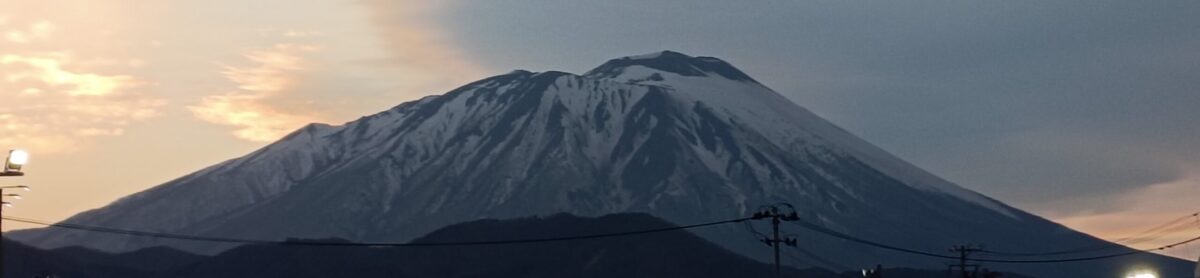
都会という名の荒野で冷徹な風に「侵食」され、身も心も削り取られていった啄木。しかし、彼が擦り切れていくほどに、心の奥底には岩手の不動の山容が、決して消えることのない原風景として分厚く「堆積」していったのだ。悠然とそびえる岩手山や、渋民の村を抱く空は、今もなお、時代という激しい風雨に削られ傷ついた現代人の魂を優しく包み込む。啄木が涙とともに仰ぎ見たあのふるさとの山々は、今を生きる私たちの「孤独という侵食」をも静かに埋め合わせ、明日への新たな祈りとなって深く積もり続けている。
■ English Version
The Abyss of Modern Literature Sublimated by Nostalgia
In his masterpiece Ichiaku no Suna (A Handful of Sand), Takuboku wrote: “Facing the mountains of my hometown, I have no words; how grateful I am for the mountains of my hometown.” This verse encapsulates the poignant nostalgia he felt amidst the hustle and bustle of the city and his economic distress. For Takuboku, his hometown of Iwate was like an absolute mother, silently accepting all his helplessness and contradictions. In Tokyo, battered by the cold waves of modern society and seeing his dreams of success repeatedly shattered, he constantly thought of the mountains and rivers of Iwate. This sentiment—that the distance makes the homeland both idealized and desperately longed for—gave his poetry universal literary value. If the mysterious tales of Tono are the pillars supporting the deep psyche of Iwate, Takuboku’s poems of nostalgia became a literary salvation, healing the “solitude of the individual” that began to plague modern Japanese society. Through his words, the landscape of Iwate was beautifully sublimated across time—evolving from the fantastical world of folklore into a raw, deeply human modern literature that continues to resonate with the hearts of many today.
In the barren wasteland of the metropolis, Takuboku was ruthlessly “eroded” by the cold winds of modernity, his mind and body scraped away day by day. Yet, the more he was worn down, the more thickly the unshakeable silhouettes of Iwate’s mountains were “deposited” deep within his soul as an indelible primal landscape. The majestic peak of Mount Iwate and the sky embracing the village of Shibutami remain unchanged today, gently enveloping the souls of modern people battered by the fierce storms of our times. Those hometown mountains, which Takuboku once looked up to with tears, continue to quietly fill the “erosion of our solitude,” accumulating deeply as a silent prayer for tomorrow.
■ WordPress設定データ
カテゴリー: 【県央 Central Iwate】
タグ: 石川啄木, 望郷, 一握の砂, 岩手山, 詩的リアリズム
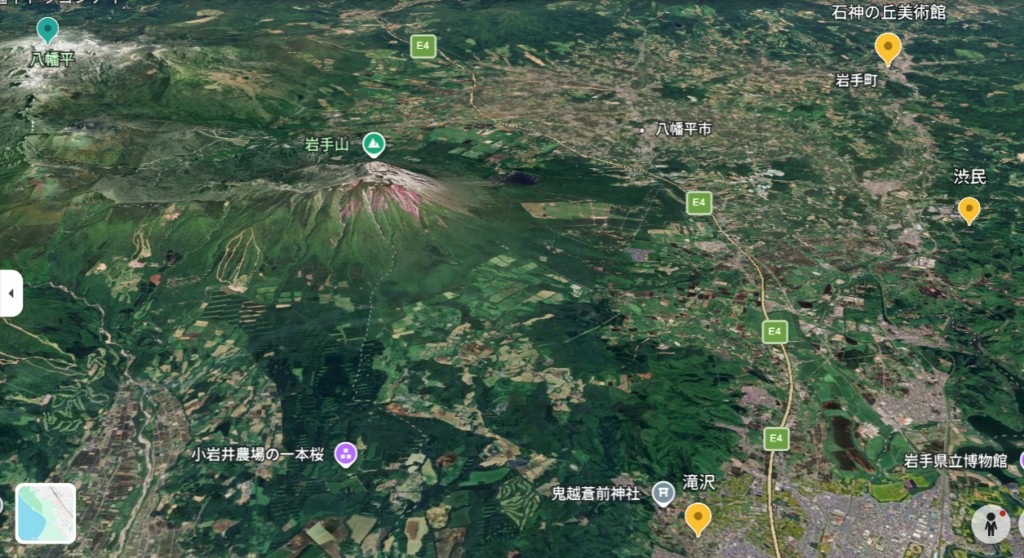
アクセスポイント(座標): 39.8415, 141.1517 (※盛岡市渋民・石川啄木記念館付近)