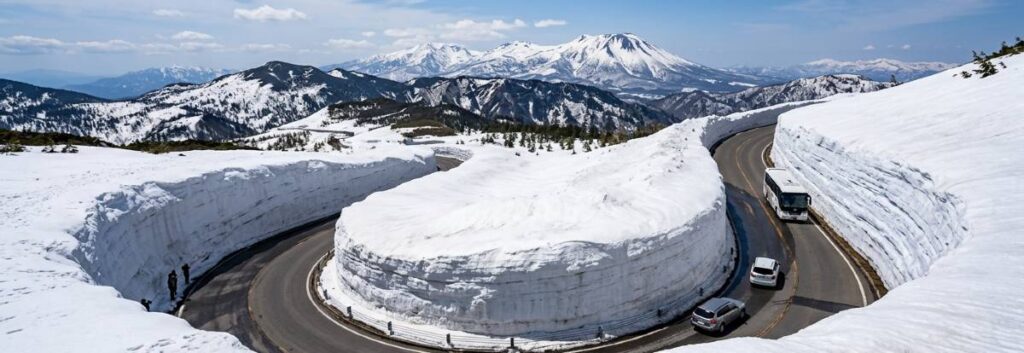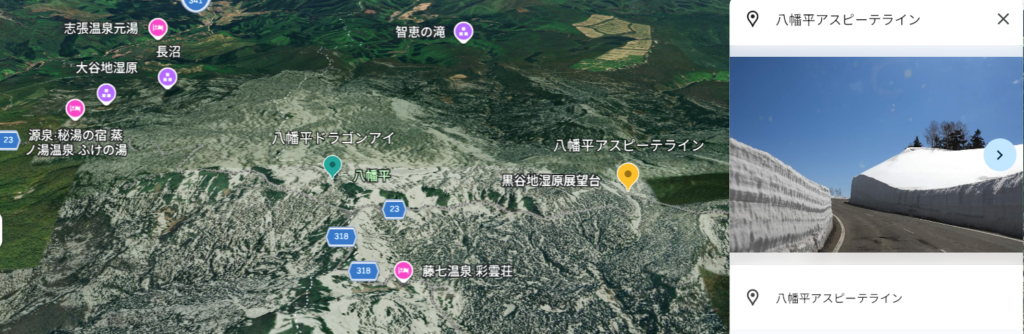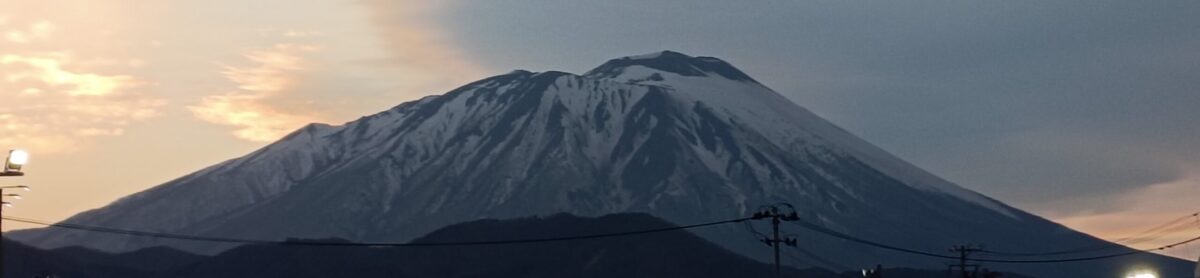
岩手県北部の八幡平を駆け抜ける「八幡平アスピーテライン」。雪の回廊や雄大な山岳パノラマは、現代の私たちが享受する最高のドライブコースです。しかし、その爽快なドライブの記憶を一度横に置き、少しだけ南へ視線を移してみてください。そこには、現代の舗装路とは対極にある「道なき道」が眠っています。雫石町から秋田へと続く「秋田街道」です。かつてこの山道は、物流の動脈であると同時に、幕末の動乱期には歴史の運命を左右する激戦の舞台となりました。
秋田街道:物流と軍事の要衝
盛岡と秋田を結ぶ秋田街道は、古くから南部藩の経済を支える重要な路でした。雫石盆地を抜け、険しい奥羽山脈の国見峠を越えるこのルートは、単なる交易路以上の意味を持っていました。それは、もしもの時に備えた軍事的な防衛ラインでもあったのです。江戸時代、この道は人々の往来だけでなく、文化や情報の伝達、そして時には藩の命運を賭けた防衛の最前線として機能していました。
国見峠の激戦:歴史の分岐点
1868年、戊辰戦争の火の手が東北に及んだとき、国見峠は歴史の岐路に立たされました。新政府軍の侵攻に対し、奥羽越列藩同盟の一角である盛岡藩は、この国見峠を最後の防衛拠点としました。切り立った地形と厳しい自然環境の中で繰り広げられた攻防戦は、まさに死闘でした。銃声が山々に響き渡り、多くの若者たちがこの峠で散っていったのです。現代の登山者が何気なく歩くこの道には、かつて命を懸けて戦った武士たちの無念と、時代の転換期に翻弄された人々の息吹が、今も土の中に沈み込んでいます。
現代に残る記憶の断片
現在、国見峠の周辺は静寂に包まれています。アスピーテラインの活気とは対照的に、かつての街道跡は木々に覆われ、自然の中に還りつつあります。しかし、雫石の町には、今も当時の歴史を伝える石碑や古戦場の痕跡が点在しています。この地を訪れることは、単なる観光ではありません。現代の便利な交通網という「線」から降りて、歴史の「点」に触れる旅です。静かな森の中で足を止めれば、150年前の風の音が聞こえてくるかもしれません。
時は容赦なく人々の記憶を「侵食」し、かつての激戦の生々しい爪痕を深い緑の奥へと風化させてゆきます。しかし、この地に流れた若き血潮や、平和を願った切なる祈りは決して消え去ることはなく、豊かな土壌の記憶として静かに「堆積」し続けているのです。アスファルトで覆われた輝かしい現代の道と、落ち葉に埋もれた苔生す古道。私たちがその両方に目を向け、光と影の層をたどるとき、岩手という大地が織りなす真の曼荼羅が、時間を越えて鮮やかに浮かび上がってくることでしょう。
■ English Version
The Hachimantai Aspite Line, cutting through the northern mountains of Iwate, offers a spectacular driving experience, famous for its walls of snow and panoramic alpine views. Yet, if we set aside the modern convenience of this route for a moment and turn our gaze slightly south, we encounter a forgotten path that stands in stark contrast to the paved roads of today: the Akita Kaido (Akita Highway) leading from Shizukuishi to Akita. This mountain trail was once a vital artery for trade, but during the turbulent final years of the Edo period, it became a stage for a fierce conflict that would shape the course of history.
The Akita Kaido: A Vital Artery for Trade and War
Connecting Morioka and Akita, the Akita Kaido was a crucial route that supported the economy of the Nambu Domain. Crossing the rugged Ou Mountains via the Kunimi Pass after leaving the Shizukuishi Basin, this path held a significance far beyond mere trade. It served as a strategic military defensive line. During the Edo period, this road facilitated not only the movement of people and goods but also the flow of culture and information, and at times, it functioned as the frontline upon which the fate of the domain rested.
The Battle of Kunimi Pass: A Turning Point in History
In 1868, when the flames of the Boshin War reached the Tohoku region, the Kunimi Pass stood at a historical crossroads. Faced with the advance of the Imperial Army, the Morioka Domain—part of the Northern Alliance—marked the Kunimi Pass as their final defensive stronghold. The battle that unfolded within this steep, rugged terrain was a desperate struggle. Gunfire echoed through the mountains, and many young lives were lost on this pass. Along this path, which modern hikers might traverse casually today, the regrets of samurai who fought for their lives and the lingering spirits of those caught in the tides of a changing era remain buried deep within the earth.
Echoes Remaining in the Present
Today, the area around Kunimi Pass is wrapped in silence. In contrast to the vibrancy of the Aspite Line, the remnants of the old highway are being reclaimed by trees and returning to nature. However, the town of Shizukuishi still holds scattered monuments and traces of the old battlefield that tell this history. Visiting this place is more than just sightseeing; it is a journey to step off the convenient “lines” of our modern transportation network and touch the “points” of history. If you stand still in the quiet forest, you might just hear the whisper of the wind from 150 years ago.
Time mercilessly “erodes” human memory, weathering the raw scars of fierce battles into the deep green abyss. Yet, the young blood shed upon this earth and the fervent prayers for peace never truly vanish; they continue to silently “accumulate” as the profound memory of the soil. The shining modern roads paved with asphalt and the moss-covered ancient trails buried under fallen leaves—when we turn our gaze to both, tracing the layers of light and shadow, the true mandala woven by the land of Iwate will vividly emerge across the expanse of time.
■ WordPress設定データ
カテゴリー: 県央 Central Iwate
タグ: 秋田街道, 国見峠, 戊辰戦争, 雫石町, 古道
アクセスポイント(座標): 39.7342, 140.8258