南部藩の馬産:岩手の風景を形作った歴史的土壌
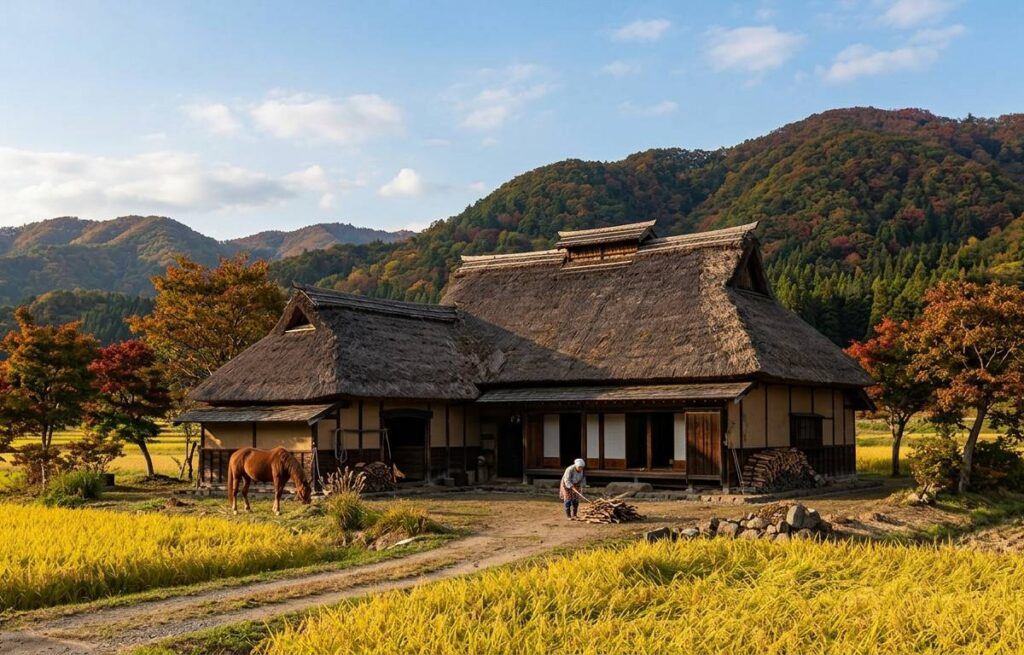
岩手県の中央部に位置する滝沢市。この地を語る上で欠かせないのが、かつてこの地を統治した南部藩による「馬産」の歴史です。南部地方は古来より、冷涼な気候と広大な放牧地に恵まれ、優れた軍馬や農耕馬の産地として知られていました。単に馬を飼育するだけでなく、馬は家族の一員として、あるいは運命を共にするパートナーとして、藩の経済と生活の根幹を支えていたのです。この歴史的背景が、現在の「チャグチャグ馬コ」という独自の文化を育む深い土壌となりました。
Nambu Horse Breeding: The Historical Soil that Shaped the Landscape of Iwate
Takizawa City, located in the central part of Iwate Prefecture, cannot be discussed without mentioning the history of “horse breeding” under the Nambu Domain. Since ancient times, the Nambu region, blessed with a cool climate and vast grazing lands, has been known as a producer of superior warhorses and farm horses. Horses were not merely livestock; they were considered members of the family or partners with whom people shared their destiny, forming the backbone of the domain’s economy and daily life. This historical background became the profound soil that cultivated the unique culture of “Chagu-Chagu Umako” we see today.
チャグチャグ馬コ:鈴の音が紡ぐ人と馬の絆
毎年6月の第2土曜日、滝沢市から盛岡市にかけて、色鮮やかな装束を纏った馬と、それを引く人々の行列が街を彩ります。これが「チャグチャグ馬コ」です。馬の首に下げられた鈴が鳴らす「チャグチャグ」という音色が、農作業の無事を祈る人々の願いを乗せて響き渡ります。この祭りは、かつて農家が馬を「馬屋(まや)」と呼ばれる家屋の一部で大切に飼育し、冬の厳しい寒さを共に耐え抜いた、かつての生活様式を今に伝える無形文化財です。馬は単なる労働力ではなく、畏敬の対象であり、家族の絆そのものだったのです。
Chagu-Chagu Umako: The Bond Between Humans and Horses Woven by the Sound of Bells
On the second Saturday of June every year, a procession of horses dressed in vibrant, traditional costumes, led by their handlers, parades from Takizawa City to Morioka City. This is “Chagu-Chagu Umako.” The sound of the bells—”chagu-chagu”—hanging from the horses’ necks resonates with the prayers of the people for a safe and prosperous harvest. This festival is an intangible cultural heritage that conveys the lifestyle of the past, where farmers cherished their horses in “Maya” (stables attached to the main house) and endured the harsh winters together. The horse was not merely a labor force; it was an object of reverence and the very essence of familial bonds.
命への敬意という哲学
現代において、農耕馬は機械に取って代わられました。しかし、チャグチャグ馬コが毎年開催されることは、効率性のみを追求する現代社会へのアンチテーゼとも捉えられます。馬の装束には、感謝と祈りが込められています。南部藩の時代から受け継がれてきたこの精神は、私たちに「命あるものと共に生きる」ことの尊さを教えてくれます。滝沢市を訪れ、その鈴の音を耳にするとき、あなたは岩手の歴史が単なる記録ではなく、今も脈々と息づく「生きた物語」であることを実感するはずです。
効率化という冷たい波が多くの手触りを侵食していく現代社会において、何百年もの間この地に分厚く堆積してきた人と馬とのあたたかな絆は、決して風化することがありません。色鮮やかな装束を纏い、誇り高く歩む馬たちの一歩一歩は、過去から未来へと受け継がれる祈りの連なりそのものです。初夏の青葉を抜ける風に揺れ、シャンシャンと鳴り響く無数の鈴の音は、みちのくの広大な大地にこだまし、私たちの心の奥底に眠る郷愁と、命の原風景を静かに呼び覚ましてくれるのです。
■ English Version
The Philosophy of Reverence for Life
In modern times, farm horses have been replaced by machinery. However, the annual holding of the Chagu-Chagu Umako festival can be seen as an antithesis to a modern society that pursues only efficiency. The horses’ costumes are imbued with gratitude and prayer. This spirit, passed down since the days of the Nambu Domain, teaches us the sanctity of “living alongside other living beings.” When you visit Takizawa City and hear the sound of those bells, you will realize that the history of Iwate is not just a record, but a living story that continues to breathe to this day.
In an era where the relentless waves of efficiency erode so much of the tangible world, the warm bond between humans and horses—deeply accumulated and layered in this land over centuries—will never weather away. Every graceful step taken by the horses, adorned in their brilliant and proud costumes, is a continuous thread of prayer linking the past to the future. The chiming of the bells, swaying in the crisp breeze of early summer leaves, echoes across the vast earth of Michinoku, gently awakening the profound nostalgia and primal landscapes of life slumbering deep within our souls.
■ WordPress設定データ
カテゴリー: 県央 Central Iwate
タグ: チャグチャグ馬コ, 滝沢市, 伝統文化, 農耕馬, 祈り
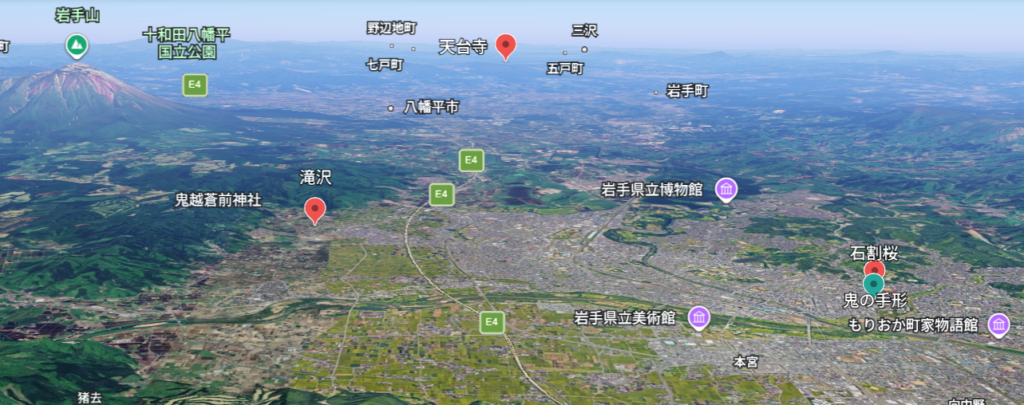
アクセスポイント(座標): 39.7369, 141.0965(※行事の出発点である鬼越蒼前神社付近)