From Denshoen to Goshono: An Odyssey Through Iwate’s Timeless Landscapes
Traveling through Iwate is more than just sightseeing; it is an archaeological experience that delves into layers of time. From the warmth of the Magariya (L-shaped farmhouse) at Tono’s Denshoen to the ancient breath of the Jomon period at the Goshono Site in Ichinohe, these two locations are connected by the memory of “daily life” (kurashi) lived by the people of Iwate who survived alongside a harsh yet beautiful nature. Join us as we trace the original landscapes of Japan and rediscover the profound meaning of “settlement” that modern society has long forgotten.
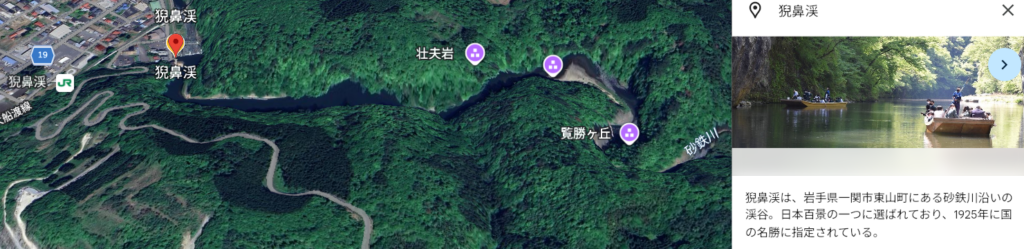
The Breath of Spring at Geibikei: A Story Woven on the River
In early April, Iwate awakens from its long winter slumber, bathed in soft, gentle sunlight. The Geibikei Funakudari (boat ride), where you drift slowly down the Satetsu River swollen with snowmelt on a boat steered by a skilled boatman, is a special experience that can only be savored during this fleeting season. Along the banks, the cherry blossoms are beginning to bud, quietly announcing the arrival of a brand-new season.
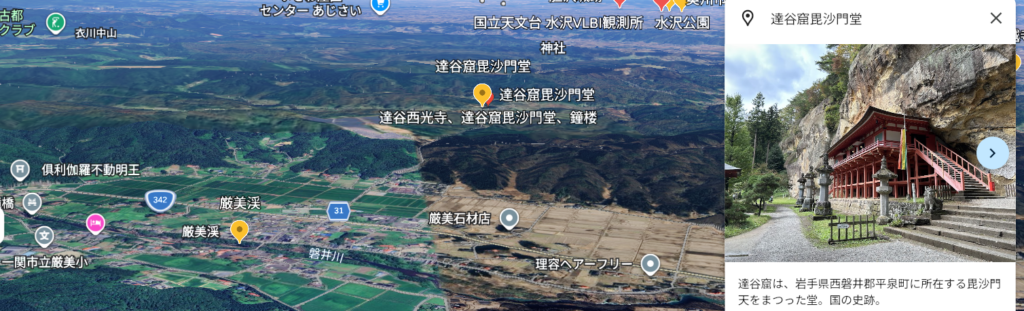
In early April, the soft spring sunlight finally graces Iwate. As the melting snow from the mountains turns into gentle streams and cherry buds begin to bloom on the branches, why not embark on a journey to feel the breath of history? This time, we introduce the mysterious ancient temple, “Takkoku no Iwaya Bishamondo,” enfolded within the embrace of a sheer cliff.
Here, the natural “erosion” that relentlessly carved the rugged rock face beautifully contrasts with the “accumulation” of silent prayers offered by the people over a staggering 1,200 years. Standing before this dim, hollowed cavern, even the gentle spring breeze resonates like a distant echo from the ancient era when the Emishi roamed these lands. Beneath the falling petals of blooming cherry blossoms, let the tranquil yet awe-inspiring illusion—woven by the grayish-brown rock sculpted by eternity and the vivid vermilion of the temple hall—etch itself deeply into your soul.
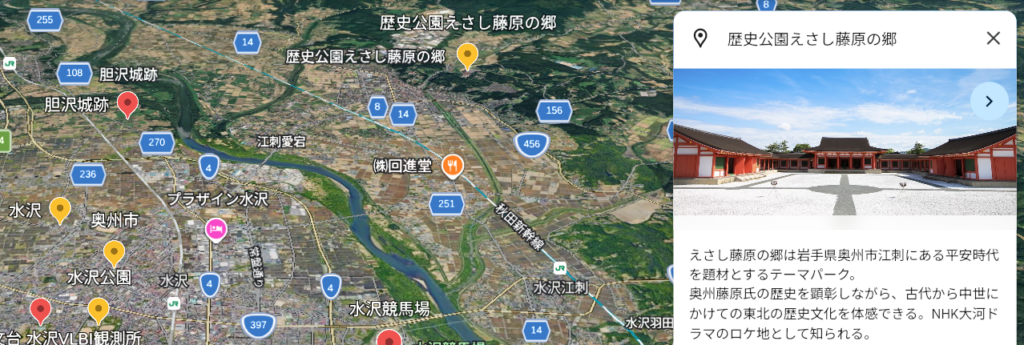
Spring has truly arrived in Iwate. In early April, beyond the chilly winds of the melting snow, soft sunlight begins to pour down. At Esashi-Fujiwara no Sato in Oshu City, cherry blossom buds are eagerly waiting to bloom, and the sprouting trees announce the beginning of a new season. This place is not merely a theme park; it is a historical stage that brings to life the grandeur of the Oshu Fujiwara clan who once ruled this land.
平安の息吹を感じる歴史の旅 / A Journey to Feel the Spirit of the Heian Period
Esashi-Fujiwara no Sato is a historical park that faithfully reproduces the architectural styles of the Heian period. Stepping into the park feels like traveling back in time. The gardens swaying in the spring breeze and the solemn temple buildings tell the story of the greatness of the Fujiwara clan, who once built a “golden culture” in Tohoku.
Yet, the overwhelming accumulation of their glory was once eroded by the merciless flow of time and the ravages of war, buried deep within the silent strata of history. Nevertheless, as we run our hands over the restored vermilion pillars and gaze at the resplendent designs rippling on the pond’s surface today, we do more than merely reminisce about the past. We can palpably feel the prayers and indomitable spirit of those who took root in the harsh northern earth, breathing vividly once again across a millennium. Though it may be an exquisitely crafted illusion, what respires here beneath the sky of Esashi is the very pride of Michinoku, eternally unfading.
Celebrating Spring in Iwate with Mochi: A Journey into the Food Culture of Ichinoseki and Hiraizumi
In early April, the landscape of southern Iwate is filled with hope. The snowmelt feeds the Kitakami River, and cherry buds wait in anticipation of the coming spring. As the season of new beginnings unfolds, we invite you to experience the deep-rooted “mochi culture” of the Ichinoseki and Hiraizumi areas. Far from being just a light snack, mochi is treated as the pinnacle of hospitality (omotenashi) in this region—a tradition that has been cherished and passed down through centuries of history. To taste mochi here is to partake in the warmth and spirit of the people who have lived in harmony with this fertile land.
Early April in Iwate is filled with the gentle breath of spring. The harsh winter cold is fading, and gliding along the Satetsu River—swollen with water from melting snow—on the traditional
The Sacred Spirit of Spring: A Visit to Takkoku no Iwaya Bishamondo
In early April, the snowmelt in Hiraizumi, Iwate, nourishes the land, and the breath of spring finally begins to be felt. Tiny cherry buds are starting to swell on the branches, filling the air with the excitement of a new beginning. On such a spring day, a visit to Takkoku no Iwaya Bishamondo, a temple strikingly built into the face of a sheer cliff, is a must. This sacred site, with its vibrant vermilion hall embedded into the ancient rock, stands as a powerful testament to the spiritual resilience and unique architectural heritage of the region.