二戸・浄法寺塗の漆掻き / Urushi Tapping for Joboji Lacquerware in Ninohe

浄法寺塗——木々の命を一滴に宿す、沈黙と艶の美学

岩手県北部に位置する二戸市浄法寺町。初夏から秋にかけて、この地の深く青々とした森に足を踏み入れると、張り詰めた静寂の中で「カン、カン」と小気味よい音が響くことがある。それは「漆掻き」と呼ばれる職人たちが、漆の木と静かに、そして命がけの対話をしている音だ。

浄法寺は、現在日本で使われる国産漆の実に七割以上を産出する「漆の里」である。ここで古くから受け継がれてきたのは「殺し掻き」という壮絶な採取法だ。樹齢十年を超える漆の木の幹に、数日おきに専用のカンナで少しずつ傷を刻み、滲み出る乳白色の樹液を一滴ずつ掻き取る。秋の終わりに木が枯死するまで限界まで命を搾り取るこの手法によって、一本の木から得られる漆は、わずか牛乳瓶一本分(約200グラム)にすぎない。漆とは単なる塗料ではなく、木がその短い生涯をかけて大地から吸い上げた水分、ミネラル、そして岩手の冷涼で厳しい風雪の記憶が凝縮された「森の血液」なのである。

この神聖なる一滴一滴から生み出される「浄法寺塗」の器は、実に素っ気ない。豪華絢爛な蒔絵や螺鈿の装飾は影を潜め、多くは漆黒や深い朱色の単色で塗られている。手に入れたばかりの器は、どこかマットで鈍い光を放ち、まるで沈黙を守っているかのようだ。しかし、ここにこそ浄法寺塗の真髄がある。

日々の食卓で熱い汁を注がれ、人の両手に包まれ、布で拭かれる。その無数の摩擦と、人の肌から伝わるわずかな油分が、強靭な漆の膜を少しずつ磨き上げていくのだ。数年の時を経た器は、やがて内側から透き通るような鏡のごとき艶を放ち始める。作り手の手を離れた時はまだ「未完成」であり、使い手が日々の営みを通じて育て上げることで初めて完成する——これが浄法寺塗の持つ「時間の美学」である。

縄文の昔から日本人は漆の防腐作用と美しさに魅了されてきた。世界遺産である平泉・中尊寺金色堂の燦然たる輝きを下支えしているのも、他ならぬこの浄法寺の漆だ。堅牢という言葉だけでは語り尽くせない。そこには、命を奪うことへの深い畏敬と、それを日々の暮らしの中で永遠の美へと昇華させようとする、岩手の人々の祈りのような精神が宿っている。両手でその椀を包み込んだ時、あなたはきっと、東北の森の奥深き鼓動を感じるだろう。

Joboji Lacquerware—The Aesthetics of Silence and Luster, Distilling the Life of Trees into a Single Drop

In Joboji, nestled within the northern reaches of Iwate Prefecture, the deep, verdant forests between early summer and autumn hold a profound stillness. Step inside, and you may hear a rhythmic, echoing *clack, clack*—the sound of *urushi-kaki* (lacquer tappers) engaging in a quiet, almost sacred dialogue with the lacquer trees.

Joboji is Japan’s preeminent sanctuary of lacquer, producing over 70% of the domestically sourced *urushi* used today. The traditional harvesting method preserved here is known as *koroshi-gaki*, or “death tapping”—a stark and unyielding process. Over several months, the tapper meticulously scores the trunk of a tree that has grown for over a decade, gathering the seeping milky-white sap drop by precious drop until the tree is completely drained of its life force by late autumn. The absolute yield from a single tree after its entire lifetime is a mere 200 grams—barely enough to fill a small glass bottle. Thus, this lacquer is not merely a varnish; it is the “blood of the forest,” a potent distillation of water, minerals, and the harsh, freezing winds of Iwate that the tree absorbed during its fleeting existence.

The lacquerware born from these sacred drops, known as Joboji-nuri, may initially appear remarkably austere. Stripped of the extravagant gold dust (*maki-e*) or mother-of-pearl inlays found in other regions, it typically presents itself in solid, unadorned shades of profound black or deep vermilion. When newly purchased, the vessels bear a matte, subdued finish, as if keeping a resolute silence. Yet, therein lies the true essence of Joboji lacquerware.

As the bowl is used at the daily dining table—filled with hot soup, cradled in human hands, and washed and wiped with a cloth—countless micro-frictions and the subtle oils from human skin gradually polish its robust surface. After years of faithful use, the once-matte vessel begins to radiate a mirror-like, translucent luster from deep within. The vessel is, in fact, “incomplete” when it leaves the artisan’s hands; it achieves perfection only through the daily life of its user. This is the “aesthetics of time” inherent in Joboji-nuri.

Since the Jomon period, the Japanese have been captivated by the preservative power and beauty of lacquer. Even the resplendent golden glory of the World Heritage site, Chuson-ji Temple’s Konjikido in Hiraizumi, is sustained by the steadfast foundation of Joboji lacquer. The word “robustness” alone cannot fully encompass the depth found here. It contains a profound reverence for the sanctity of life and a prayer-like spirit unique to the people of Iwate, who seek to sublimate the fleeting life of a tree into eternal beauty through the rhythms of daily existence. When you cradle such a bowl in both hands, you will surely feel the deep, resonant heartbeat of the Tohoku soul.
祈りの地:平泉・中尊寺 / Hiraizumi Chuson-ji: Sanctuary of Prayer

千年の時を超える「浄土」への願い

沿岸部の復興を願う岩手の祈りのルーツは、約900年前に遡ります。戦乱で傷ついた地に、奥州藤原氏は「敵味方なく御霊を慰める」ため平泉・中尊寺を建立。黄金に輝く金色堂には、争いのない理想郷「浄土」への切なる願いが込められています。千年の時を超える平和への祈りを、ぜひ現地で体感してください。【アクセス】JR平泉駅から巡回バスで約10分

A Millennium of Prayers for Peace

Iwate’s coastal prayers for recovery echo a 900-year-old wish. The Fujiwara clan built Chuson-ji Temple to console all souls equally. The Golden Hall embodies their dream of a peaceful Pure Land. Experience this eternal prayer for peace yourself. [Access] 10 mins by bus from JR Hiraizumi Station.

📍 アクセス / Access

JR平泉駅からバス約10分 / 10 mins by bus from JR Hiraizumi Sta.

春の訪れを告げる浄土庭園:平泉・毛越寺の息吹 / The Pure Land Garden Welcomes Spring: The Breath of Motsu-ji in Hiraizumi

p>4月初旬の岩手県は、長い冬の眠りから覚め、生命の息吹が満ち溢れる季節です。雪解け水が小川を駆け抜け、木々の枝先には桜のつぼみが膨らみ始めました。この季節、平泉にある「毛越寺(もうつうじ)」を訪れると、まるで時が止まったかのような静寂と、新たな始まりへの希望を感じることができます。

In early April, Iwate Prefecture awakens from its long winter slumber, overflowing with the breath of new life. The snowmelt rushes through the streams, and the cherry buds begin to swell on the branches. Visiting Motsu-ji Temple in Hiraizumi during this season allows you to experience a profound stillness, as if time itself has paused, while feeling the hope of a new beginning.

浄土庭園で感じる春の兆し / Signs of Spring in the Pure Land Garden

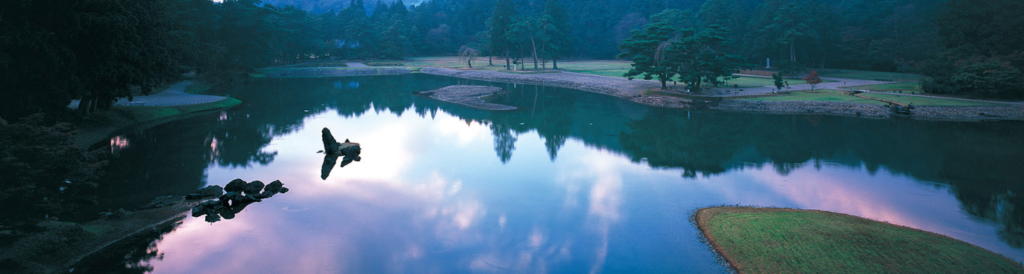
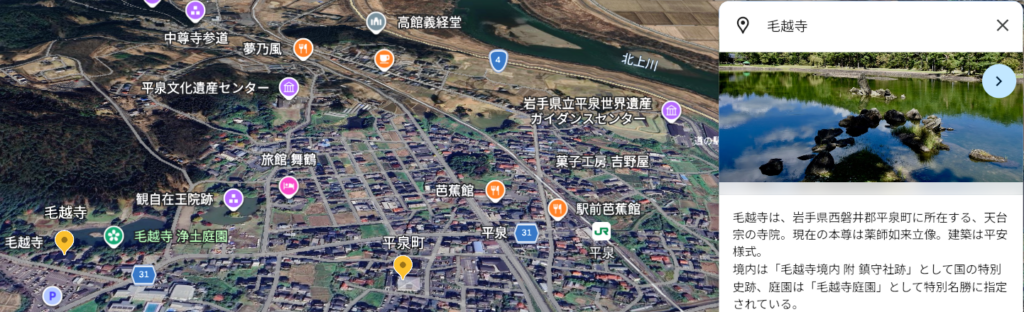
毛越寺の最大の魅力は、平安時代の姿を今に伝える「浄土庭園」です。春の穏やかな日差しが池の水面に反射し、周囲の木々の芽吹きを優しく照らします。この庭園は、極楽浄土を地上に表現しようとした当時の人々の祈りが込められています。4月のこの時期には、地元の春の味覚である山菜を使った料理も楽しめます。冬を越した身体を、岩手の豊かな自然の恵みが優しく癒してくれるでしょう。

The greatest charm of Motsu-ji is its

平泉レンタサイクルで巡る、春の歴史散歩 / A Spring History Walk: Exploring Hiraizumi by Rental Cycle

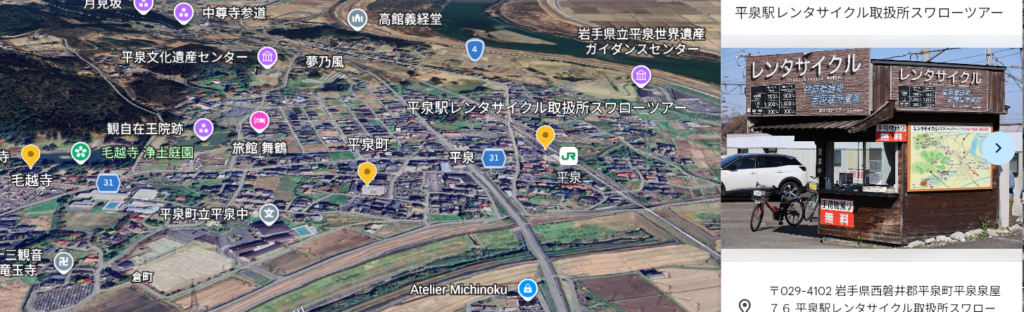
p>4月初旬、岩手県平泉には穏やかな春の訪れが感じられます。雪解け水が小川をせせらぎ、桜のつぼみは開花の時を待ちわびて膨らみ始めました。新たな生活が始まるこの季節、風を切って走るレンタサイクルでの観光は、平泉の歴史を肌で感じるのに最適な選択肢です。

Early April brings a gentle, refreshing spring to Hiraizumi, Iwate. With the melting snow flowing in the streams and cherry buds beginning to swell in anticipation of blooming, it is the perfect time to explore. As you start a new chapter in life, cycling through this World Heritage site is the best way to feel the historic breeze.

歴史の点と線をつなぐ旅 / Connecting the Dots of History

平泉といえば、平安時代末期に藤原清衡(ふじわらのきよひら)が築いた「黄金の都」として知られています。中尊寺金色堂に代表される史跡は町に点在していますが、自転車を使えば、それらの「点」を繋いで一つの「線」のように巡ることができます。歴史の息吹を感じながら、自由に移動できるのがレンタサイクルの醍醐味です。

Connecting the Dots of History

Hiraizumi is known as the “Golden Capital” established by Fujiwara no Kiyohira during the late Heian period. While famous historical monuments, led by the Chuson-ji Konjikido (Golden Hall), are dotted across the town, a bicycle allows you to seamlessly connect these “dots” into a single, flowing “line.” The true joy of using a rental cycle here lies in the freedom to navigate at your own pace while feeling the very breath of history.

平泉に響く絆の物語:義経と弁慶の足跡を辿る春の旅 / The Legend Echoing in Hiraizumi: A Spring Journey Tracing Yoshitsune and Benkei

p>4月初旬、岩手県の平泉は、冬の長い眠りから覚め、柔らかな春の光に包まれています。北上川の雪解け水がせせらぎ、桜のつぼみも今か今かと開花を待つこの時期は、新しい生活の始まりを予感させる清々しい季節です。この美しい春の風景の中で、私たちは時を超え、悲劇の英雄・源義経と、彼を支え抜いた武蔵坊弁慶の伝説に想いを馳せます。

In early April, Hiraizumi in Iwate Prefecture awakens from its long winter slumber, bathed in soft spring light. As the snow melts into the Kitakami River and cherry buds prepare to bloom, the air is filled with the fresh promise of new beginnings. Amidst this beautiful spring scenery, we find ourselves reflecting on the timeless legend of the tragic hero, Minamoto no Yoshitsune, and his loyal companion, Musashibo Benkei.

義経と弁慶の終焉の地 / The Final Days of Yoshitsune and Benkei

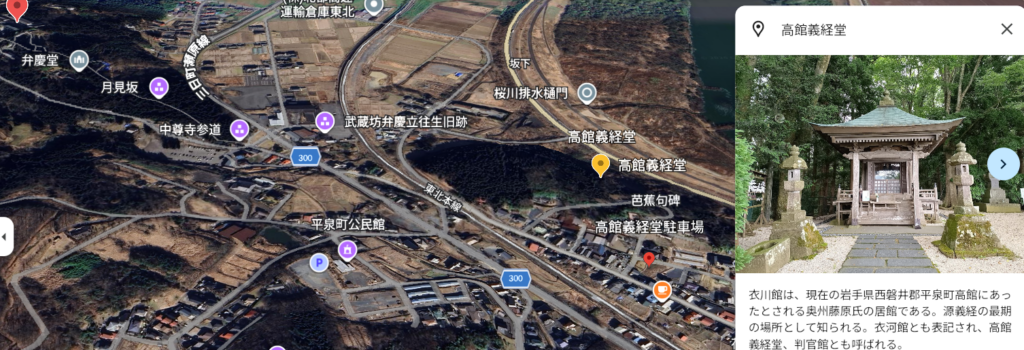
平泉には、義経が最期の時を迎えた「高館義経堂(たかだちぎけいどう)」があります。ここから望む北上川の景色は、当時と変わらぬ静寂を保っています。弁慶が主君を守るために仁王立ちで戦い抜いたという伝説は、今もなお日本人の心を打ちます。春の風が吹き抜けるこの丘に立つと、彼らの揺るぎない絆と、歴史の重みを肌で感じることができるでしょう。

The Final Days of Yoshitsune and Benkei: Tracing the Footsteps of Heroes at Takadachi Gikeido

In Hiraizumi stands Takadachi Gikeido, the poignant site where Minamoto no Yoshitsune, the legendary tragic hero, met his end. The view of the Kitakami River from this hill remains as serene and timeless as it was centuries ago. The legend of Benkei, who fought to the last breath standing firm to protect his master, still deeply resonates with the Japanese heart. Standing on this hill where the spring breeze sweeps through, you can truly feel the weight of history and the unwavering bond of loyalty that defines this sacred ground.

岩手の春は「餅」で祝う—一関・平泉の食文化を巡る旅 / Celebrating Spring in Iwate with

4月初旬、岩手県南部の景色は、冬の名残である雪解け水が北上川を潤し、桜のつぼみが春の訪れを今か今かと待ちわびる、希望に満ちた季節です。この新生活の始まりを告げる時期に、岩手でぜひ体験していただきたいのが、一関・平泉エリアに深く根付く「餅食文化」です。単なる軽食ではなく、この地では餅は「おもてなし」の最高峰として、歴史と共に大切に受け継がれてきました。

Celebrating Spring in Iwate with Mochi: A Journey into the Food Culture of Ichinoseki and Hiraizumi

In early April, the landscape of southern Iwate is filled with hope. The snowmelt feeds the Kitakami River, and cherry buds wait in anticipation of the coming spring. As the season of new beginnings unfolds, we invite you to experience the deep-rooted “mochi culture” of the Ichinoseki and Hiraizumi areas. Far from being just a light snack, mochi is treated as the pinnacle of hospitality (omotenashi) in this region—a tradition that has been cherished and passed down through centuries of history. To taste mochi here is to partake in the warmth and spirit of the people who have lived in harmony with this fertile land.

崖に刻まれた祈りの歴史:達谷窟毘沙門堂と春の訪れ / A Prayer Carved into the Cliff: Takkoku no Iwaya and the Arrival of Spring

p>4月初旬、岩手県平泉では雪解け水が大地を潤し、ようやく春の息吹が本格的に感じられる季節です。木々の枝先には小さな桜のつぼみが膨らみ始め、新たな一年が始まる高揚感に包まれています。そんな春の日に訪れたいのが、断崖絶壁にめり込むように建つ「達谷窟毘沙門堂(たっこくのいわやびしゃもんどう)」です。

The Sacred Spirit of Spring: A Visit to Takkoku no Iwaya Bishamondo

In early April, the snowmelt in Hiraizumi, Iwate, nourishes the land, and the breath of spring finally begins to be felt. Tiny cherry buds are starting to swell on the branches, filling the air with the excitement of a new beginning. On such a spring day, a visit to Takkoku no Iwaya Bishamondo, a temple strikingly built into the face of a sheer cliff, is a must. This sacred site, with its vibrant vermilion hall embedded into the ancient rock, stands as a powerful testament to the spiritual resilience and unique architectural heritage of the region.

春の訪れを感じる平泉・毛越寺の静寂 / Whispers of Spring: The Serenity of Motsu-ji Temple in Hiraizumi

p>4月上旬の岩手県平泉町。冬の厳しい寒さが和らぎ、毛越寺の庭園にもようやく春の足音が聞こえ始めました。境内では、雪解け水が池に静かに流れ込み、木々のつぼみが膨らみ始めています。新生活が始まるこの季節、歴史あるこの地で心静かな時間を過ごしてみませんか。

In early April, the town of Hiraizumi in Iwate Prefecture begins to thaw. As the harsh winter fades, the soft footsteps of spring can finally be heard in the gardens of Motsu-ji Temple. Snowmelt quietly feeds the pond, and the buds on the trees are beginning to swell. As the season of new beginnings unfolds, why not spend a moment of quiet reflection in this historic sanctuary?

浄土庭園で感じる春の息吹 / Embracing the Breath of Spring in the Pure Land Garden

毛越寺の代名詞である「浄土庭園」は、平安時代の美意識が今も色濃く残る場所です。4月初旬は、まだ少し肌寒さが残るものの、春の光が池面に反射し、キラキラと輝く様子は格別です。この庭園は、極楽浄土をこの世に再現しようとした当時の人々の願いが込められています。

Embracing the Breath of Spring in the Pure Land Garden

The “Pure Land Garden,” the very symbol of Motsu-ji Temple, is a place where the aesthetic sensibilities of the Heian period remain vividly alive today. In early April, while a slight chill still lingers in the air, the way the spring sunlight reflects and sparkles on the surface of the pond is truly exceptional. This garden is infused with the prayers of the people from that era, who sought to recreate the Pure Land—the Buddhist paradise—within this world.

平泉の春、黄金の輝きと桜の息吹 — 中尊寺と金色堂を巡る旅 / Spring in Hiraizumi: Golden Brilliance and Cherry Blossoms — A Journey to Chuson-ji and Konjikido

p>岩手の春は、雪解け水が北上川を潤し、ようやく訪れる生命の息吹と共に始まります。世界遺産・平泉の象徴である「中尊寺と金色堂」は、新生活の始まりにふさわしい、清廉で凛とした空気に包まれています。春の訪れとともに、歴史の息吹を感じに出かけてみませんか。

Spring in Iwate begins as melting snow nourishes the Kitakami River, bringing the breath of life to the land. The symbols of World Heritage Hiraizumi,