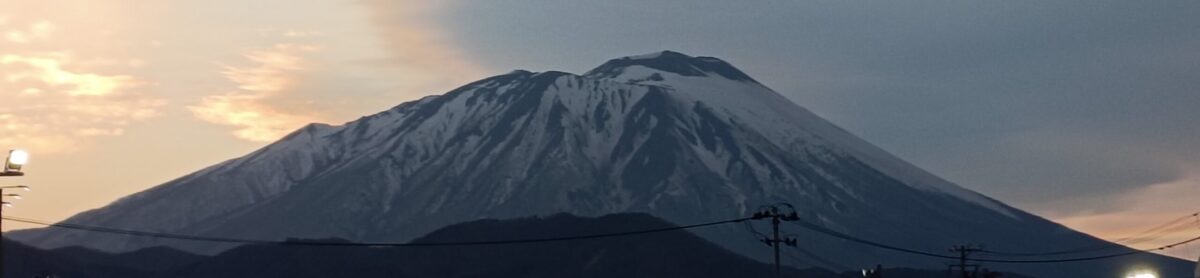
太陽と神々が交差する岩手の祈り
本州最東端・魹ヶ崎。海から昇る荘厳な日の出は岩手始まりの光です。その光は内陸へ向かい、山岳信仰の聖地「早池峰山」を照らします。伝説では猟師の四角藤蔵が霊獣に導かれ開山したとされ、深い信仰は今も息づいています。神々への祈りを込めて舞うユネスコ無形文化遺産「早池峰神楽」の荒々しくも美しいリズムに、脈々と受け継がれる岩手の魂を感じてください。
Iwate’s Prayer: Where the Sun and Gods Intersect
Cape Todogasaki, Honshu’s easternmost point, welcomes the first majestic dawn. This light reaches Mt. Hayachine, a sacred peak founded by a legendary hunter guided by a mystical beast. This mountain worship lives on through Hayachine Kagura, a UNESCO Intangible Cultural Heritage dance. Experience the rugged, beautiful rhythm of Iwate’s enduring soul.
📍 アクセス / Access
宮古駅からバスと徒歩で魹ヶ崎灯台へ / Bus and hike from Miyako Sta. to Todogasaki Lighthouse.
海と山の最高傑作:アワビと前沢牛 / Sea & Land Masterpieces: Abalone & Maesawa Beef
献上級の美食を巡る旅
荒波が育む三陸の肉厚アワビと、豊かな大地が育む極上の霜降り「前沢牛」。岩手が誇る海と山の最高傑作は、かつて朝廷などに献上された歴史を持つ至高の食材です。磯の香りと奥深い旨味が弾けるアワビ、舌の上でとろける甘い脂の前沢牛。沿岸から内陸へ車を走らせれば、この二大グルメを一度の旅で堪能できます。究極の美食体験をぜひ岩手で。
A Journey of Imperial Gastronomy
Sanriku’s premium abalone, nurtured by rough seas, and Maesawa Beef, offering ultimate marbled perfection. These coastal and inland masterpieces boast a history of being presented to emperors. Experience the ocean’s deep umami and the melting sweetness of premium beef on a single road trip across Iwate.
📍 アクセス / Access
盛岡駅から新幹線で一ノ関駅へ、そこから在来線で前沢駅へ / Access via Shinkansen from Morioka to Ichinoseki, then local train to Maesawa.
岩手の地質を辿るタイムトラベル:盛岡城の石垣から、久慈の琥珀が語る恐竜時代へ / A Geological Time Travel Through Iwate: From the Stone Walls of Morioka Castle to the Dinosaur Era of Kuji Amber
岩手県は、まるで地球の記憶を閉じ込めた巨大な博物館のような場所です。県央の盛岡から北部の久慈へ。この旅は、単なる観光地巡りではありません。人間が築いた堅固な石垣の歴史から、数千万年の時を超えて地層に眠る琥珀の物語へと、地質学的な時間を遡る壮大なタイムトラベルです。
盛岡城跡の石垣:都市を支える花崗岩の記憶
Morioka Castle Ruins: The Granite Memories Supporting the City
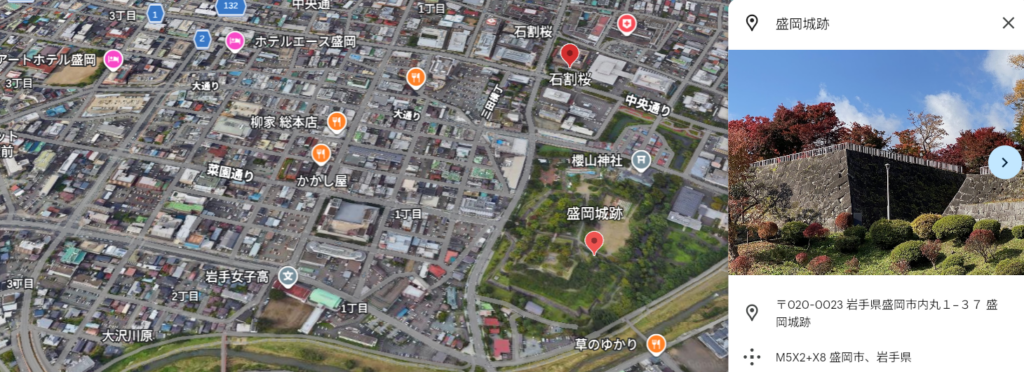
盛岡城跡公園(岩手公園)に足を踏み入れると、まず圧倒されるのが重厚な石垣です。これらの石垣には、主に盛岡近郊で採掘された花崗岩が使用されています。花崗岩は、マグマが地下深くでゆっくりと冷却されて固まった火成岩です。この「石」たちが、かつて南部藩の威信をかけて積み上げられ、数世紀にわたって盛岡の街を見守ってきました。
無骨でありながら洗練された石積みは、当時の職人たちの技術の結晶です。苔むした石の表面に触れると、この花崗岩が数千万年前に冷え固まった時の地球の鼓動が聞こえてくるような錯覚に陥ります。盛岡の歴史は、この堅固な石の基礎の上に築かれているのです。
The Pulse of the Earth in the Stone Walls: The Pride of the Nambu Clan
When you step into the Morioka Castle Ruins (Iwate Park), the first thing that overwhelms you is the imposing stone walls. These walls are constructed primarily from granite quarried in the vicinity of Morioka. Granite is an igneous rock formed when magma cools slowly deep underground. These “stones” were stacked with the prestige of the Nambu clan and have watched over the city of Morioka for centuries. The rugged yet refined masonry is a culmination of the skills of the craftsmen of that era. When you touch the mossy surface of the stones, you feel as if you are hearing the heartbeat of the Earth from tens of millions of years ago when this granite cooled and solidified. Morioka’s history is built upon this solid stone foundation.
錦秋の彩りから、紫紺の深淵へ ― 岩手が紡ぐ色彩と美酒の物語
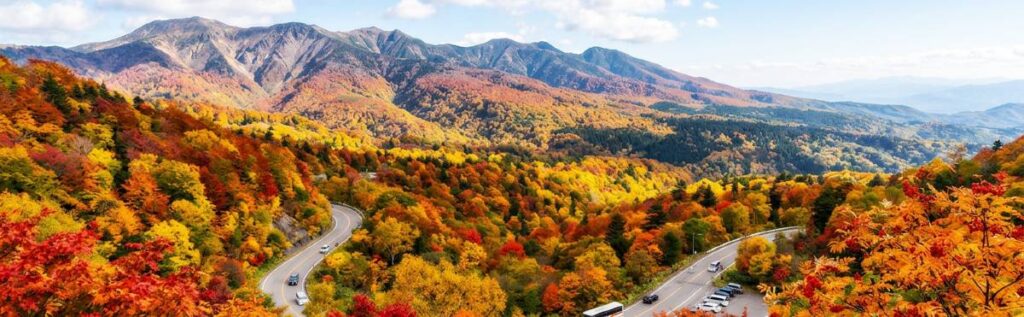
p>岩手の秋は、圧倒的な色彩のパレードから幕を開けます。八幡平の山々が燃えるような赤と黄金に染まる時、その光景は見る者の心を奪います。しかし、旅の視点を少し南へと移すと、そこには全く異なる「色」の世界が広がっています。本日は、自然の鮮烈な紅葉から、紫波町で受け継がれる高貴な「紫根染」の深い色合い、そしてその地で醸される至高の日本酒へと続く、五感を巡る旅路へとご案内します。
English Text (Completion): Iwate’s autumn begins with a breathtaking parade of colors. When the mountains of Hachimantai ignite in shades of fiery red and brilliant gold, the scenery captures the soul of every observer. Yet, as we shift our perspective slightly south, a completely different world of color awaits. Today, we invite you on a sensory journey that transitions from the vivid autumn leaves of nature to the noble, deep hues of “Shikon-zome” (purple root dye) passed down in Shiwa Town, and the exquisite sake brewed in that same land. Join us as we explore a sensory path that traverses through nature’s brilliance and the sophisticated heights of human craftsmanship.
響き渡る初夏の鈴音―南部馬の誇りを継ぐ「チャグチャグ馬コ」の祈り / The Resonating Bells of Early Summer
岩手の初夏、風に乗って聞こえてくる独特の音色をご存じでしょうか。それは、金属の鈴が重なり合って奏でる「チャグ、チャグ」という軽やかなリズムです。滝沢市から盛岡市へと続く約13キロの道のりを、色鮮やかな装束をまとった馬たちが練り歩く「チャグチャグ馬コ」。この祭礼は、単なる観光行事ではありません。かつてこの地を治めた南部藩の軍馬としての誇りと、人と馬が家族のように寄り添って生きた歴史の断片を、現代へと繋ぐ重要な祈りの儀式なのです。
The rhythmic “chagu-chagu” sound of the bells, echoing as nearly a hundred brightly decorated horses march from Takizawa to Morioka, is a soulful prayer of gratitude. This festival celebrates the profound bond between humans and horses, a connection that has defined Iwate’s history as a legendary horse-breeding region. It is a living symphony of tradition, echoing into the future.
寒冷地に咲く甘じょっぱい奇跡:久慈市「まめぶ汁」に刻まれた生き抜くための記憶 / A Sweet and Savory Miracle in the Cold: The Survival Wisdom Behind Kuji’s
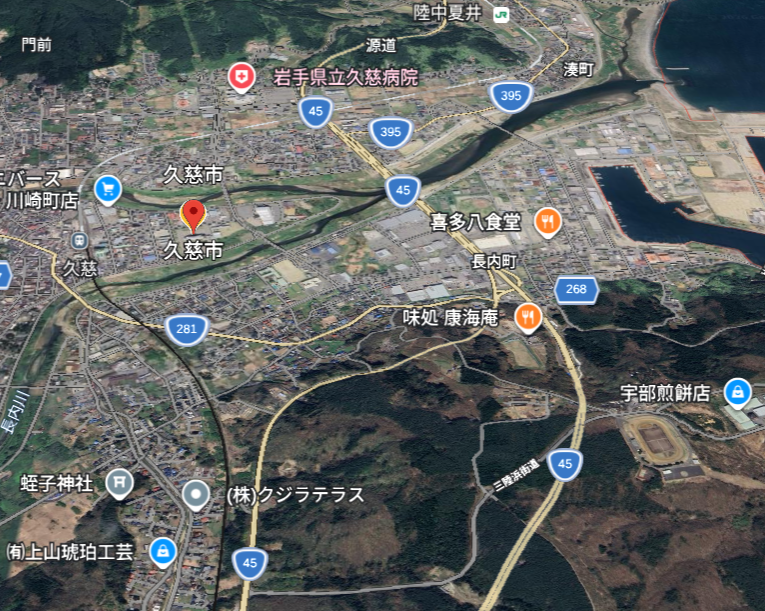
久慈市山形町に伝わる「まめぶ汁」は、岩手の厳しい冬を生き抜くための知恵と愛情が凝縮された郷土料理です。クルミと黒砂糖を包んだ小麦団子(まめぶ)を、野菜や豆腐と共に醤油仕立ての汁で煮込む――。口の中で広がる「甘み」と「しょっぱさ」の絶妙なハーモニーは、単なる味覚の驚きだけでなく、かつて貴重だった糖分を大切に分かち合った先人たちの「生きる力」を伝えてくれます。
English Text: “Mamebu-jiru,” a traditional dish from the Yamagata district of Kuji City, is a concentrated essence of the wisdom and affection needed to survive Iwate’s harsh winters. It features “mamebu”—small wheat flour dumplings stuffed with walnuts and brown sugar—simmered in a savory soy-based broth with vegetables and tofu. The exquisite harmony of “sweet and salty” that spreads in the mouth is more than just a culinary surprise; it conveys the “vitality” of ancestors who cherished and shared precious sugar in times of scarcity.
遠野の河童から盛岡の鬼へ――岩手という名の起源を辿る神話の旅 / From Tono’s Kappa to Morioka’s Demon: A Mythical Journey Tracing the Origins of
From Tono’s Kappa to Morioka’s Demon: A Mythical Journey Tracing the Origins of Iwate
岩手県という名前そのものが、実はひとつの巨大な神話によって刻印されていることをご存知でしょうか。この地は、目に見えない存在たちが人間と共生し、時には歴史を動かしてきた「物語の集積地」です。今回は、遠野の象徴である「河童」から、県都・盛岡の名の由来となった「鬼」の伝説まで、岩手の精神的なルーツを辿る旅へご案内します。
遠野の河童:異界との境界線
遠野物語で語られる河童は、単なる愛らしいキャラクターではありません。それは、自然の猛威や人知を超えた現象の象徴であり、人間が「異界」に対して抱く畏怖の念が形を成したものです。カッパ淵の静寂の中に身を置くと、現代社会が忘れ去った「自然への謙虚さ」を思い起こさせます。
盛岡の鬼と「岩手」の起源
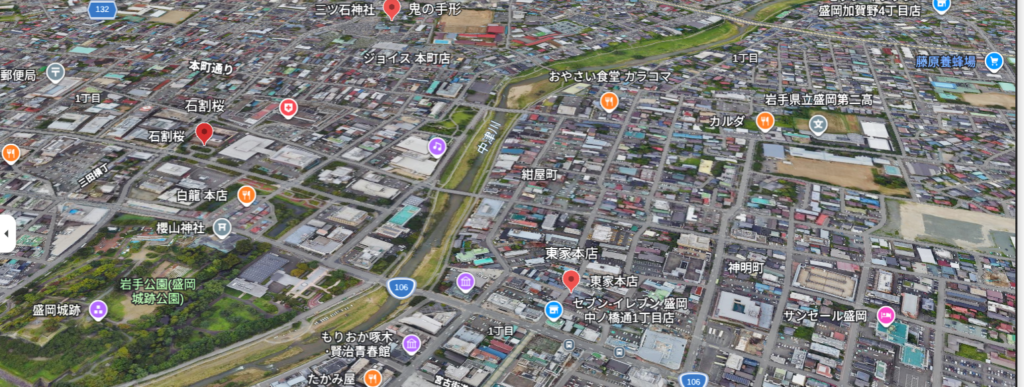
一方、盛岡市の三ツ石神社には、さらにダイナミックな神話が残っています。かつてこの地で暴れていた鬼「羅刹」が、神様の力に屈し、二度と悪さをしない誓いとして巨大な岩に手形を残しました。これこそが「岩に手形」、つまり**「岩手」**という県名の由来そのものなのです。
遠野の水の精霊と、盛岡の岩の巨像。これら二つの物語を繋ぐことは、岩手という土地が持つ「目に見えない力」を紐解く作業に他なりません。
Did you know that the name "Iwate" itself is inscribed by a single, grand myth? This land is a "collection of narratives" where invisible beings have coexisted with humans and, at times, shaped history. In this article, we journey through Iwate’s spiritual roots, from the "Kappa" (water imps)—the symbols of Tono—to the legend of the "Demon" that gave the capital city of Morioka its name.
Tono’s Kappa: The Boundary with the Otherworld
The Kappa depicted in "The Tales of Tono" are more than just cute characters. They represent the fury of nature and phenomena beyond human understanding—the embodiment of the awe humans felt toward the "otherworld." Standing in the silence of Kappabuchi pool reminds us of the "humility toward nature" that modern society has long forgotten.
The Demon of Morioka and the Origin of "Iwate"
Meanwhile, at Mitsuishi Shrine in Morioka City, an even more dynamic myth remains. Long ago, a demon named "Rasetsu" who terrorized the area was defeated by the power of a god. As a vow never to cause trouble again, he left his handprint on a massive rock. This "handprint on the rock" (Iwa-te) is the very origin of the prefecture's name.
From the water spirits of Tono to the stone monoliths of Morioka—connecting these two stories is nothing less than unraveling the "invisible power" that the land of Iwate holds.
彫刻家・高村光太郎と久慈の太古:岩手が刻む「永遠」への旅 / Sculptor Kotaro Takamura and the Prehistoric Kuji: A Journey into Iwate’s Eternal Time
岩手県は、ただ美しい景色が広がるだけの場所ではありません。そこには、詩人であり彫刻家であった高村光太郎が追い求めた「真実の形」と、久慈の大地が数千万年の時を超えて提示する「生命の断片」が同居しています。人の手による芸術と、地球が自ら彫り上げた歴史。この二つの視点を行き来することで、岩手の旅は単なる観光を超え、時空を旅する深い思索へと変わります。
Sculptor Kotaro Takamura and the Prehistoric Kuji: A Journey into Iwate’s Eternal Time
Iwate is more than just a place of scenic beauty. It is a land where the “form of truth” pursued by the poet and sculptor Kotaro Takamura coexists with the “fragments of life” presented by the land of Kuji across tens of millions of years.
Art created by human hands and history carved by the Earth itself—by moving between these two perspectives, a journey through Iwate transcends mere sightseeing and transforms into deep contemplation, traveling through time and space.
遠野の清流から三陸の荒波へ:岩手が織りなす静と動の絶景旅 / From the Gentle Streams of Tono to the Roaring Waves of Sanriku: A Journey Through Iwate’s Contrast of Stillness and Motion
From the mystical stillness of Tono’s Kappabuchi to the raw
岩手県の地図を眺めると、内陸の山あいを流れる穏やかな川と、太平洋の荒波が打ち付ける切り立った海岸線が、見事なコントラストを描いていることに気づきます。今回の旅のテーマは、この「水」が紡ぐ二つの表情です。民話の里・遠野の静謐な清流から、三陸のダイナミックな海蝕崖まで。岩手の自然が持つ「静」と「動」の物語を辿ることで、この地の奥深い魅力を再発見しましょう。
Kappabuchi: A Sanctuary of Silence Where Folklore Breathes
カッパ淵:民話が息づく静寂の聖域
遠野市の中心部から少し離れた場所にひっそりと佇む「カッパ淵」。ここは、かつてカッパが住んでいたと語り継がれる、岩手でも屈指の神秘的なスポットです。木々の緑を映し出すエメラルドグリーンの水面は、まるで時が止まったかのような静寂に包まれています。川沿いに並ぶ柳の木が風に揺れるたび、遠野物語の世界観がすぐそこにあるような錯覚を覚えます。ここは単なる観光地ではなく、日本人の心の原風景に触れることができる、精神的な避難所(サンクチュアリ)なのです。
Goishi Coast: The Art of Rugged Sea Cliffs
碁石海岸:三陸が誇る荒々しい海蝕崖の芸術
遠野から東へ、山を越えて大船渡市へと向かうと、そこには全く異なる「動」の世界が広がっています。三陸復興国立公園に位置する「碁石海岸」は、太平洋の荒波が数万年かけて彫り上げた芸術作品です。海岸を埋め尽くす黒い小石が、かつて碁石の材料として使われたことからその名がつきました。特に、波が打ち寄せるたびに轟音を響かせる「雷岩(かみなりいわ)」や、巨大な岩に空いた「穴通磯(あなとおしいそ)」の迫力は、地球の鼓動を肌で感じるほど強烈です。静かな川から、生命力あふれる海へ。このコントラストこそが、岩手の自然を理解するための鍵となるのです。
From Stillness to Motion: The Earth’s Heartbeat at Goishi Coast, Ofunato
Traveling east from Tono and crossing the mountains to Ofunato City, you are greeted by a completely different world of “motion.” Located within the Sanriku Fukko (Reconstruction) National Park, the “Goishi Coast” is a masterpiece of natural art, carved by the rough waves of the Pacific Ocean over tens of thousands of years. The name “Goishi” (Go stones) comes from the black pebbles covering the shore, which were once used as materials for the traditional board game Go.
The raw power of the “Kaminari-iwa” (Thunder Rock), which echoes with a roaring sound every time a wave strikes, and the “Anatoshi-iso,” a colossal rock formation with three massive holes, is intense enough to make you feel the very heartbeat of the Earth. From quiet rivers to the life-filled sea—this dramatic contrast is the essential key to understanding the true nature of Iwate.
伝承園から御所野へ:時を超えて繋がる岩手の原風景 / From Denshoen to Goshono: An Odyssey Through Iwate’s Timeless Landscapes
岩手の地を旅することは、単なる観光ではなく、時間という層を掘り下げる考古学的な体験に似ています。遠野の伝承園で目にする曲り家(まがりや)の温もりから、一戸町の御所野遺跡で触れる縄文の息吹まで。この二つの場所を繋ぐのは、厳しい自然と共に生き抜いてきた岩手の人々の「暮らし」の記憶です。今回は、日本の原風景を辿り、私たちが忘れてしまった「定住」の意味を紐解く旅へご案内します。
From Denshoen to Goshono: An Odyssey Through Iwate’s Timeless Landscapes
Traveling through Iwate is more than just sightseeing; it is an archaeological experience that delves into layers of time. From the warmth of the Magariya (L-shaped farmhouse) at Tono’s Denshoen to the ancient breath of the Jomon period at the Goshono Site in Ichinohe, these two locations are connected by the memory of “daily life” (kurashi) lived by the people of Iwate who survived alongside a harsh yet beautiful nature. Join us as we trace the original landscapes of Japan and rediscover the profound meaning of “settlement” that modern society has long forgotten.