悠久の奇岩が語る地球の鼓動:一関・厳美渓と猊鼻渓 / The Earth’s Pulse Carved in Stone: The Timeless Geology of Genbikei and Geibikei

城の石垣から地質学的時間へ

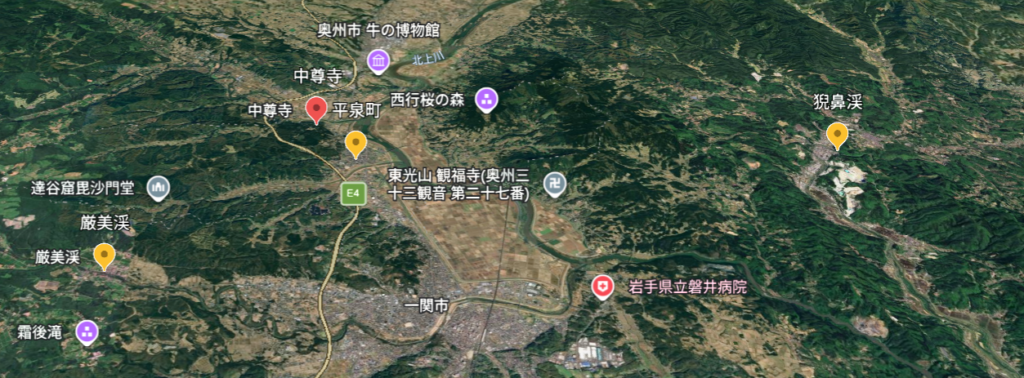
日本の歴史において、城の石垣は権力者の意志を体現する象徴であり、人為的な防壁として「静止した時間」を刻んでいる。しかし、岩手県一関市に位置する厳美渓(げんびけい)と猊鼻渓(げいびけい)の前に立つとき、我々は全く異なる「動的な歴史」のスケールに直面する。これらは人の手ではなく、水と地殻変動という地球の営みが、数百万年から数億年という途方もない時間をかけて彫り上げた芸術作品である。

From Castle Walls to Geological Time

In Japanese history, castle stone walls are symbols that embody the will of rulers, representing “frozen time” as artificial fortifications. However, when standing before Genbikei and Geibikei in Ichinoseki, Iwate, we confront a completely different scale of “dynamic history.” These are not works of human hands, but masterpieces carved by the Earth—water and tectonic activity—over an unfathomable span of millions to hundreds of millions of years.

厳美渓:磐井川が穿つ火山岩の芸術

厳美渓は、栗駒山から流れる磐井川が、火山活動によって堆積した凝灰岩を浸食して形成された渓谷である。最大の特徴は、激流によって岩盤に穿たれた「ポットホール(甌穴)」だ。硬い岩石が川底のくぼみで回転し、まるでドリルで削ったかのように円筒形の穴をあける。この現象は、自然の物理学的な力の凄まじさを物語っている。城の石垣が整然と積まれることで強固さを誇るならば、厳美渓は流動的な水の力によって、岩という「個体」を液体のように変幻自在に操る、自然の破壊と創造のドラマそのものである。

Genbikei: The Art of Volcanic Rock Pierced by the Iwai River

Genbikei is a gorge formed by the Iwai River, flowing from Mt. Kurikoma, as it erodes the tuff deposited by ancient volcanic activity. The most striking features are the “potholes” bored into the bedrock by the raging current. Hard stones trapped in depressions on the riverbed rotate, drilling cylindrical holes as if by a machine. This phenomenon speaks to the sheer ferocity of nature’s physical force. If castle walls boast strength through orderly stacking, Genbikei is a drama of nature’s destruction and creation, where the fluid power of water manipulates “solid” rock as if it were malleable.

猊鼻渓:2億年の堆積が眠る石灰岩の断崖

一方、猊鼻渓は厳美渓とは異なる地質学的物語を持っている。この渓谷を形作る巨大な石灰岩の断崖は、かつて海底であった場所が隆起し、その後の浸食作用によって露出したものである。その歴史は2億年前に遡る。三畳紀の海洋生物の遺骸が積み重なり、石灰岩の地層を形成した。川面から見上げる高さ100メートルを超える断崖は、地球の記憶を封じ込めた巨大な書物のようなものだ。舟下りで静寂の中を漂うとき、観光客は単なる景勝地を訪れているのではなく、地球の長い眠りと目覚めの歴史の中に身を置いているのである。

Geibikei: Limestone Cliffs Sleeping with 200 Million Years of History

Geibikei, conversely, holds a different geological narrative. The massive limestone cliffs that define this gorge are the result of ancient seafloor uplifted and exposed by subsequent erosion. Its history dates back 200 million years. Remains of Triassic marine organisms accumulated to form these limestone strata. Looking up at the cliffs, which tower over 100 meters from the river surface, feels like reading a massive book containing the Earth’s memories. As visitors drift through the silence on a traditional boat, they are not merely visiting a scenic spot; they are placing themselves within the history of the Earth’s long slumber and awakening.

一関という土地の地質学的重層性

一関という地域は、これらの渓谷に見られるように、火山活動と海成層が複雑に入り混じる多様性に満ちている。石垣が「場所の防御」を目的とするならば、これらの渓谷は「地球の変遷の記録」である。私たちは、城跡を巡るようにして、これらの自然の造形美を歩くべきだ。そこには、人間の文明よりも遥かに長く、重厚な時間が流れている。岩手の地質学的な深淵を知ることは、日本列島がどのようにして生まれ、今もなお変化し続けているのかを理解する鍵となるだろう。

何千万年という気の遠くなるような歳月が「堆積」させた分厚い岩盤を、川の澄んだ水が絶え間なく「侵食」し、今日に見る幽玄なる峡谷を削り出した。厳美渓や猊鼻渓の深き水面を見つめるとき、私たちは創造と破壊が織りなす悠久の営みに立ち会う。それはまるで、岩手の大地そのものが語りかけてくる無言の詩のようだ。削り取られた荒々しい岩肌に触れ、岩間を縫うせせらぎに耳を澄ませば、人間の束の間の生もまた、この壮大なる地球のタペストリーのほんの一部なのだと、深く静かに悟るのである。

■ English Version

The Geological Layering of Ichinoseki

The Ichinoseki region is full of diversity, where volcanic activity and marine strata intermingle, as evidenced by these gorges. If stone walls aim for “defense of a place,” these gorges are “records of the Earth’s transformation.” We should walk through these beautiful natural formations just as we would wander through the ruins of an ancient castle. Here flows a time far longer and more profound than the span of human civilization. Delving into the geological abyss of Iwate is the key to understanding how the Japanese archipelago was born and how it continues to evolve.

The thick bedrock, “deposited” over tens of millions of unfathomable years, has been relentlessly “eroded” by clear river waters, carving out the ethereal gorges we see today. Gazing at the deep waters of Genbikei and Geibikei, we bear witness to the eternal cycle woven by creation and destruction. It is as if the very land of Iwate is reciting a silent poem. By touching the rugged, sculpted rock faces and listening to the streams weaving through the stones, we profoundly and quietly realize that our fleeting human lives are but a small fraction of this magnificent earthly tapestry.


■ WordPress設定データ

カテゴリー: 県南 Southern Iwate
タグ: 一関, 地質多様性, 堆積と侵食, 厳美渓・猊鼻渓, 地球の記憶
アクセスポイント(座標): 38.9908, 141.2523
静寂の山間に刻まれた信仰の爪痕:一関市大籠キリシタン殉教公園 / Scars of Faith Etched in Silent Mountains: Okago Christian Martyr Park in Ichinoseki

「不来(こない)」という響きから跳躍する記憶

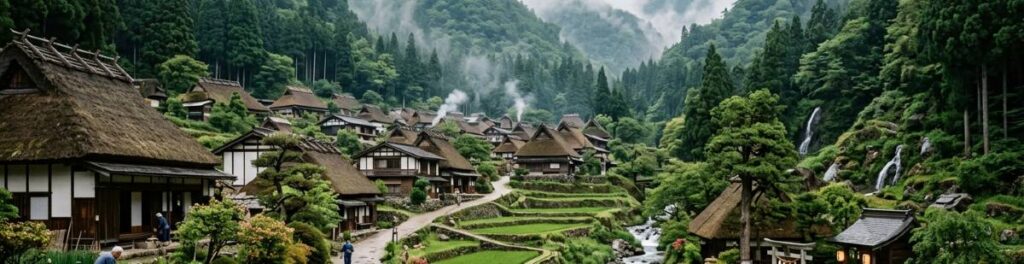
「不来(こない)」という言葉が暗示する、未踏の地や隔絶された空間。岩手県一関市藤沢町大籠(おおかご)は、かつてその峻険な地形ゆえに、時代の波から取り残された「隠れ里」でした。この山村は、単なる地理的な孤立地ではなく、江戸幕府の禁教令という巨大な歴史の歯車が、人々の信仰を真っ向から否定した悲劇の舞台です。私たちが今日この地を訪れるとき、それは単なる観光ではなく、歴史の暗部を直視し、失われた声に耳を傾ける知的巡礼となるはずです。

Leaping from the Echo of “Furai” (Inaccessibility)

The term “Furai” (meaning “not coming”) hints at an unreachable land or a space cut off from the world. Okago, in Fujisawa-cho, Ichinoseki, was once a “hidden village,” left behind by the tides of time due to its rugged terrain. This mountain settlement was not merely a geographical isolation; it was the stage for a profound tragedy where the massive gears of the Tokugawa Shogunate’s ban on Christianity clashed directly with the people’s faith. When we visit this site today, it is not merely tourism; it becomes an intellectual pilgrimage to confront the shadows of history and listen to the voices that were once silenced.

金山に隠された魂の聖域

17世紀初頭、大籠は金山として栄え、多くの労働者が集まっていました。その労働者たちの中に、密かにキリスト教を信仰する人々が混じっていたことは、歴史の必然だったのかもしれません。幕府の厳しい弾圧が山間部まで及ぶと、彼らは信仰を捨てるか、死を選ぶかの二択を突きつけられました。1659年、大籠で起きた大規模な処刑は、信仰の自由を求めた人々の魂が、この地の土壌に深く沈み込んだ瞬間でした。彼らがこの過酷な山奥を選んだのは、隠れるためだけではありません。それは、この地こそが神の御許(みもと)へ繋がる、彼らだけの聖域だったからに他なりません。

A Sanctuary of Souls Hidden in the Gold Mines

In the early 17th century, Okago flourished as a gold mining town, attracting many laborers. It may have been a historical inevitability that among these workers were those who secretly practiced Christianity. When the Shogunate’s brutal oppression reached these mountains, they were faced with an impossible choice: renounce their faith or face death. The mass executions of 1659 were a moment when the souls of those seeking freedom of belief became inextricably woven into the soil of this land. They did not choose this harsh, remote wilderness merely to hide; it was because this place was, for them, a sanctuary leading directly to the presence of God.

現代に問いかける沈黙の遺産

殉教公園を訪れると、現代の喧騒とは隔絶された空気が流れています。当時の彼らが感じたであろう孤独と、それを凌駕する精神の結びつき。公園に整備された石碑や遺構は、単なる過去の記録ではなく、現代社会に対しても静かな問いを投げかけています。多様性や寛容さが問われる今、岩手の山々が抱くこの記憶は、私たちがどのように「他者」を受け入れ、どのような「信条」を持って生きるべきかという、普遍的なテーマを照らし出しているのです。

長い年月をかけてこの大地に「堆積」した名もなき者たちの祈りは、歴史の風化という過酷な「侵食」を受けながらも、決して消え去ることはありませんでした。むしろ、容赦ない時代の風雨に削られることで、その精神の純粋な核がむき出しとなり、岩手という風土の底光りする原風景として私たちの前に立ち現れるのです。沈黙の山肌に触れ、かつての声なき声に耳を澄ませるとき、過去と現在は静かに交差し、私たちの内なる魂を震わせる新たな光となることでしょう。

■ English Version

A Silent Legacy Posing Questions to the Present

Visiting the martyr park today, one feels an atmosphere completely detached from the noise of modernity. One contemplates the isolation they must have felt and the spiritual bonds that surely surpassed that loneliness. The stone monuments and ruins preserved in the park are not just records of the past; they pose a quiet, enduring question to contemporary society. In an age where diversity and tolerance are paramount, the memory held by these Iwate mountains illuminates a universal theme: how we should accept the “other” and with what convictions we must navigate our own lives.

The nameless prayers that have “accumulated” deep within this earth over centuries have never truly vanished, despite facing the relentless “erosion” of time and weathering history. On the contrary, as the winds and rains strip away the surface, the pure, unyielding core of their faith is exposed, emerging as a profoundly resonant, bedrock landscape of Iwate. When we touch these silent mountainsides and listen closely to the voiceless echoes of the past, antiquity and modernity quietly intersect, illuminating a new light that profoundly stirs our souls.


■ WordPress設定データ

カテゴリー: 県南 Southern Iwate
タグ: 大籠キリシタン, 殉教公園, 歴史の記憶, 祈りの風土, 寛容と多様性
アクセスポイント(座標): 38.8611, 141.3522
(※注: 記事の舞台と推測される岩手県一関市藤沢町「大籠キリシタン殉教公園」の代表的な緯度経度です。岩手県南部に位置するため38度台となります)

春の息吹と空飛ぶだんご:厳美渓の絶景散歩 / The Breath of Spring and Flying Dango: A Scenic Stroll at Genbikei Gorge

4月初旬、岩手県一関市の厳美渓(げんびけい)は、冬の眠りから覚め、春の活気に満ち溢れています。雪解け水がエメラルドグリーンの川面を勢いよく流れ、川辺では桜のつぼみがほころび始めました。新生活の始まりを祝うかのような爽やかな風が吹き抜けるこの季節、岩手の自然が織りなす絶景体験に出かけませんか。

In early April, Genbikei Gorge in Ichinoseki, Iwate, awakens from its winter slumber, bursting with the energy of spring. Snowmelt rushes through the emerald green waters, and cherry blossom buds begin to bloom along the riverbanks. As a fresh breeze signals the start of new beginnings, why not embark on a scenic journey through the natural beauty of Iwate?

厳美渓で体験する「空飛ぶだんご」 / The “Flying Dango” Experience at Genbikei Gorge


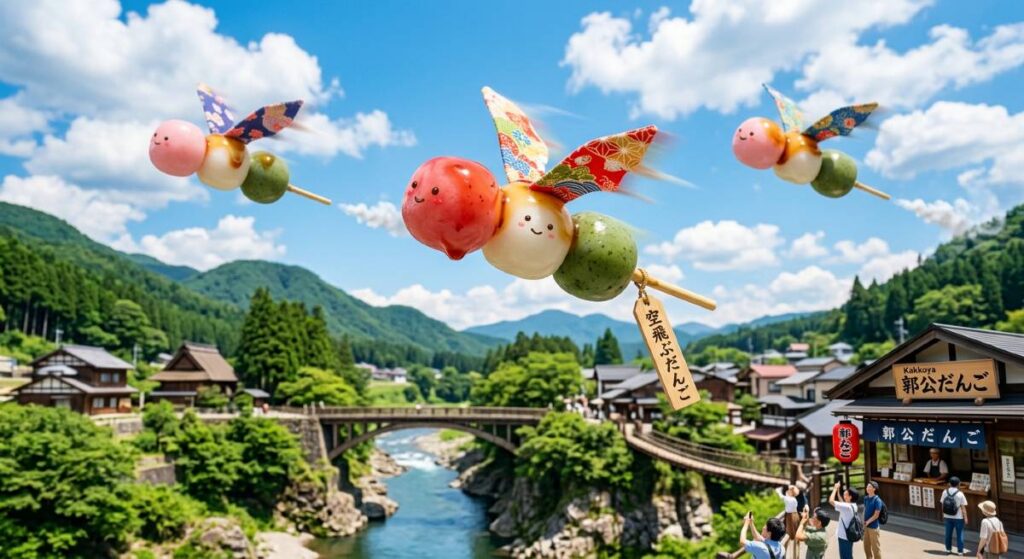
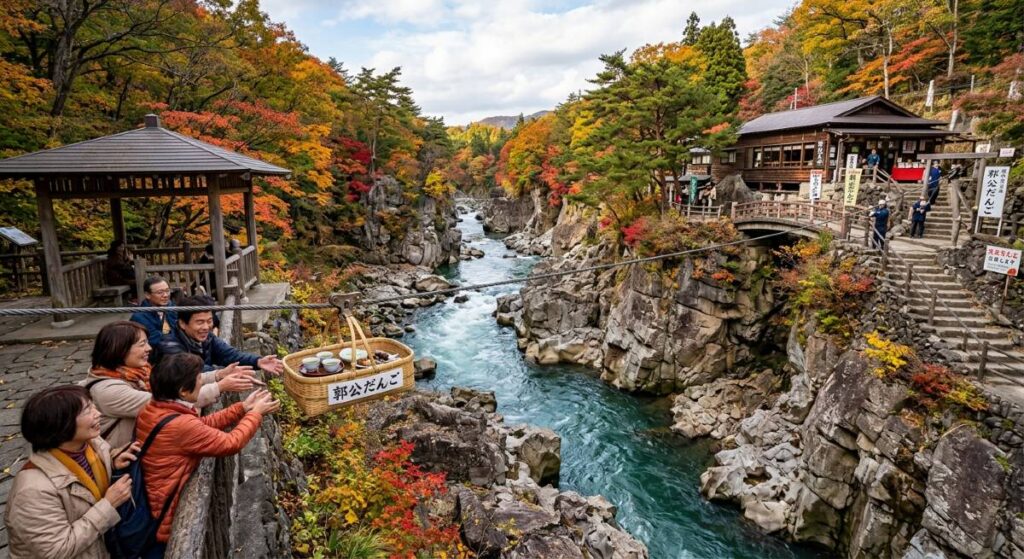
厳美渓の散策で欠かせない名物が、通称「空飛ぶだんご」として親しまれる郭公(かっこう)だんごです。渓谷の対岸にある茶屋から、ワイヤーロープに吊るされた籠が滑り降りてくるユニークな注文スタイルは、訪れる人々を驚かせ、笑顔にします。

籠に代金を入れて板を叩くと、籠が引き上げられ、代わりにお茶とだんごがシュッと飛んでくる——。この粋な演出と、もちもちとしただんごの甘みは、岩手の旅の忘れられない1ページとなるはずです。エメラルドグリーンの水面を眺めながら味わうだんごは、まさに絶品です。


The highlight of any visit to Genbikei Gorge is undoubtedly the “Kakkou Dango,” famously known as the “Flying Dango.” This unique ordering style, where a basket suspended on a wire rope glides down from a teahouse on the opposite bank, never fails to surprise and delight visitors.

Simply place your money in the basket and strike a wooden board with a mallet to signal your order. Before you know it, the basket is whisked away and returns “flying” back to you with fresh dango and hot green tea. This ingenious display of hospitality, combined with the sweet, chewy texture of the dango, creates an unforgettable memory of Iwate. Savoring this local treat while gazing at the emerald-green waters is a truly exquisite experience.


カテゴリー: 【県南 Southern Iwate】
タグ: 厳美渓, 郭公だんご, 磐井川, 食文化, 侵食と堆積
アクセスポイント(座標): 38.9458, 141.0478

岩手の春は「餅」で祝う—一関・平泉の食文化を巡る旅 / Celebrating Spring in Iwate with

4月初旬、岩手県南部の景色は、冬の名残である雪解け水が北上川を潤し、桜のつぼみが春の訪れを今か今かと待ちわびる、希望に満ちた季節です。この新生活の始まりを告げる時期に、岩手でぜひ体験していただきたいのが、一関・平泉エリアに深く根付く「餅食文化」です。単なる軽食ではなく、この地では餅は「おもてなし」の最高峰として、歴史と共に大切に受け継がれてきました。

Celebrating Spring in Iwate with Mochi: A Journey into the Food Culture of Ichinoseki and Hiraizumi

In early April, the landscape of southern Iwate is filled with hope. The snowmelt feeds the Kitakami River, and cherry buds wait in anticipation of the coming spring. As the season of new beginnings unfolds, we invite you to experience the deep-rooted “mochi culture” of the Ichinoseki and Hiraizumi areas. Far from being just a light snack, mochi is treated as the pinnacle of hospitality (omotenashi) in this region—a tradition that has been cherished and passed down through centuries of history. To taste mochi here is to partake in the warmth and spirit of the people who have lived in harmony with this fertile land.