鉄と詩情が交差する場所:イントロダクション
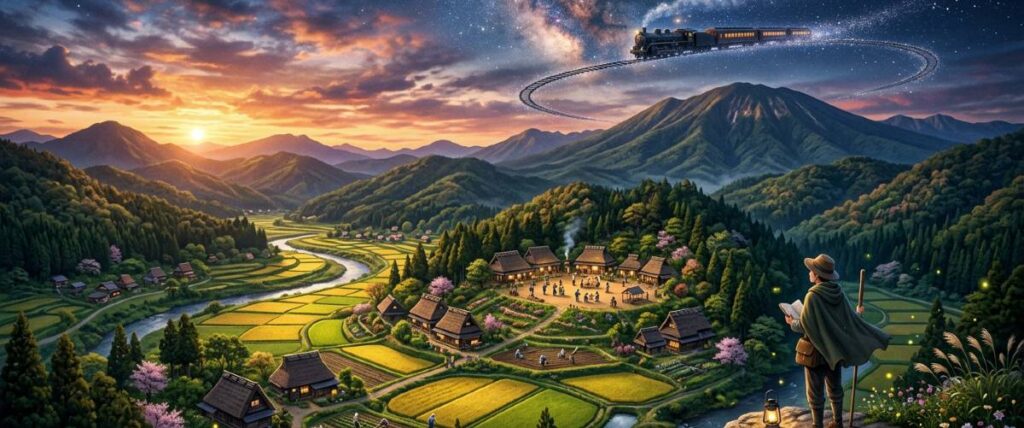
岩手と聞けば、多くの人は宮沢賢治の描いた「イーハトーブ」の牧歌的な風景や、詩情豊かな自然を思い浮かべるだろう。しかし、その土壌には、近代日本を根底から支えた熱き鉄の鼓動が脈打っている。釜石市にある世界遺産「橋野鉄鉱山」は、単なる産業遺構ではない。そこは、孤立した島国が西洋列強の荒波に立ち向かうべく、知恵と情熱を絞り出した「近代化の実験場」であった。鉄という冷徹な素材と、賢治が夢見た理想郷。一見相反する二つの要素が、岩手という地でいかにして結びついているのか。その歴史の深層へと足を踏み入れてみたい。
Where Iron Meets Poetry: An Introduction
When people hear the name “Iwate,” many conjure images of the pastoral landscapes of “Ihatov”—the utopian world envisioned by Kenji Miyazawa—and its poetic, rich nature. Yet, beneath this soil beats the fervent pulse of iron that fundamentally supported the modernization of Japan. The Hashino Iron Mining and Smelting Site in Kamaishi City is not merely an industrial relic; it was an “experimental ground for modernization,” where an isolated island nation poured its wisdom and passion into navigating the turbulent waters of Western expansionism. How do these seemingly contradictory elements—the cold, hard material of iron and the utopian dream of Miyazawa—intersect in Iwate? Let us step into the depths of this history.
近代化の火種:橋野鉄鉱山と大島高任の執念
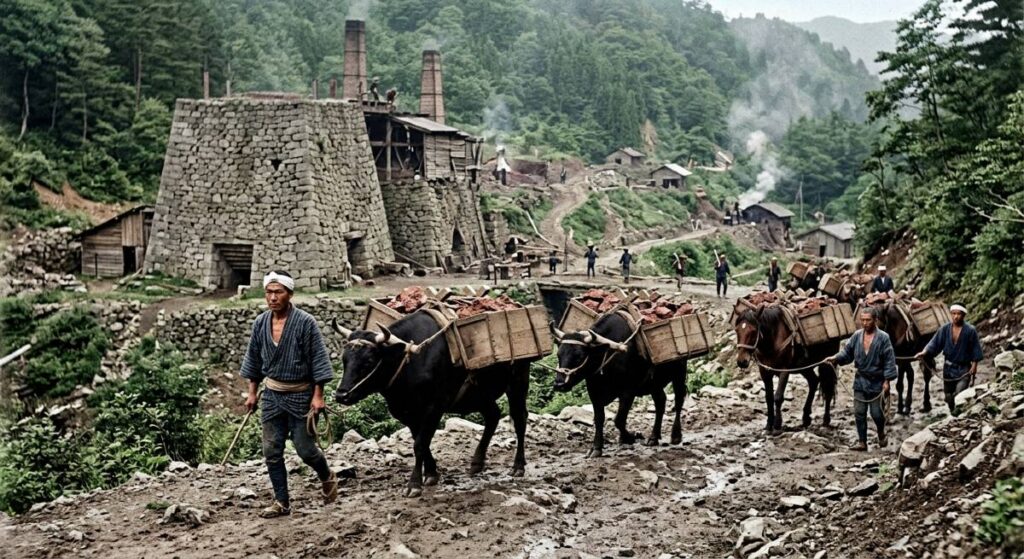
1857年、幕末の動乱期。南部藩士・大島高任(おおしま たかとう)は、西洋の文献を紐解き、試行錯誤の末に日本で初めてとなる洋式高炉での出銑に成功した。これは単なる技術的な偉業ではない。当時の日本は鎖国体制の終焉を迎え、技術的にも経済的にも圧倒的な西洋の脅威に晒されていた。橋野の山中で、彼らは独力で「鉄」という国家の骨格を創り出そうとしたのだ。当時の遺構に立てば、静寂の中に、当時の技術者たちが燃やした高炉の熱気と、成功への執念が今も響いているように感じられる。彼らが鋳出したのは、単なる鉄の塊ではなく、日本という国家が自立して歩むための「意志」そのものであった。
The Spark of Modernization: The Determination of Oshima Takato
In 1857, amidst the turmoil of the late Edo period, Oshima Takato, a samurai of the Nambu domain, deciphered Western texts and, through exhaustive trial and error, succeeded in producing pig iron using Japan’s first Western-style blast furnace. This was not merely a technical triumph. At the time, Japan was witnessing the end of its isolationist policy and faced the overwhelming threat of Western technological and economic power. Deep in the mountains of Hashino, they were attempting to forge the very skeleton of a nation—”iron”—entirely on their own. Standing among the ruins today, one can almost hear the heat of the blast furnaces and the fierce determination of the engineers who sought success against all odds. What they cast was not merely a lump of iron, but the very “will” for Japan to walk its own path as an independent nation.
イーハトーブという理想と産業の調和
ここで興味深いのは、この「鉄の歴史」と、宮沢賢治の「イーハトーブ」という思想の重なりである。賢治が目指したイーハトーブは、農業や産業、そして自然が調和する理想郷であった。橋野の鉄鉱山もまた、山々の恵み(鉄鉱石と木炭)を使い、人間の知性を駆使して新たな価値を創造する営みである。近代化という名の荒々しい開発ではなく、この土地の資源をいかに賢明に使い、未来を切り拓くか。その問いは、今もなお、この地を訪れる人々に静かな思索を迫る。橋野は、岩手の精神的な深層を理解するための重要なパズルピースなのだ。産業の発展と自然への敬意を両立させることの難しさと尊さを、この地は歴史を通じて私たちに語りかけている。
The Harmony of Ihatov and Industry
What is fascinating here is the intersection between this “history of iron” and Kenji Miyazawa’s philosophy of “Ihatov.” The Ihatov that Miyazawa envisioned was a utopia where agriculture, industry, and nature existed in harmony. The Hashino Iron Mine was also an endeavor that utilized the gifts of the mountains (iron ore and charcoal) and human intellect to create new value. It was not merely aggressive development under the name of modernization, but a question of how to wisely use the land’s resources to carve out a future. That question still compels visitors to this site to engage in quiet reflection. Hashino is an essential puzzle piece for understanding the spiritual depths of Iwate. Through its history, this site speaks to us about the difficulty and the nobility of balancing industrial development with respect for nature.
開拓の精神:過去から未来へ
橋野鉄鉱山を訪れることは、単なる過去への旅ではない。それは、日本という国がどのようにして「自立」を勝ち取ったのか、そして私たちはどのように自然と文明を調和させていくべきなのかという、普遍的なテーマと対峙することに他ならない。冷たい鉄の遺構に刻まれた熱い物語は、時代を超えて、私たちに「開拓」の真の意味を問い続けている。岩手の地で紡がれた鉄の歴史は、今もなお、新しい未来を切り拓こうとする人々の心に、静かに火を灯し続けているのである。
深い山懐に抱かれたこの場所で、私たちは二つの時間を目撃する。一つは、厳しい風雨による自然の「侵食」であり、もう一つは、先人たちの情熱と祈りが幾重にも「堆積」した確かな痕跡である。冷徹な自然の摂理に静かに溶け込みながらも、なお圧倒的な存在感を放つ石組みの沈黙に耳を澄ませてほしい。錆びた鉄がやがて土へと還り、新たな森の命を育むように。橋野の谷を吹き抜ける風は、朽ちゆくものの哀愁ではなく、大地と深く結びついた人間の営みの永遠性を、今日という日に運んでくるのだ。
■ English Version
The Spirit of Pioneering: From Past to Future
Visiting the Hashino Iron Mining and Smelting Site is not merely a journey into the past. It is an encounter with universal themes: how the nation of Japan achieved its “self-reliance,” and how we ought to harmonize nature with civilization. The fervent story etched into these cold iron ruins continues to challenge us, across the ages, to reconsider the true meaning of “pioneering.” The legacy of iron, forged in the rugged heart of Iwate, remains a living flame—quietly illuminating the path and sparking the resolve of those who strive to carve out a new and sustainable future today.
Embraced by the deep mountains, we bear witness to two distinct flows of time in this sanctuary: the natural “erosion” brought about by harsh winds and rains, and the resilient “accumulation” of our ancestors’ passion and prayers layered over generations. Listen closely to the silence of the stone masonry, which maintains an overwhelming presence even as it gently blends into the unforgiving laws of nature. Just as rusted iron eventually returns to the earth to nurture new life in the forest, the wind sweeping through the Hashino valley brings to us today not the sorrow of decay, but the eternity of human endeavor profoundly connected to the earth.
■ WordPress設定データ
カテゴリー: 沿岸 Coastal Iwate
タグ: 橋野鉄鉱山, 産業遺産, 世界遺産, 釜石市, 鉄の歴史
アクセスポイント(座標): 39.3361, 141.6667