岩手の二つの龍:山頂の瞳から地底の深淵へ / The Two Dragons of Iwate: From the Mountain Peak to the Earth’s Core

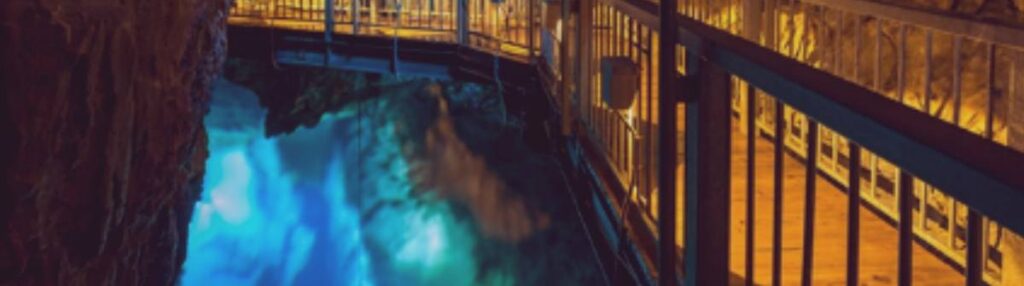
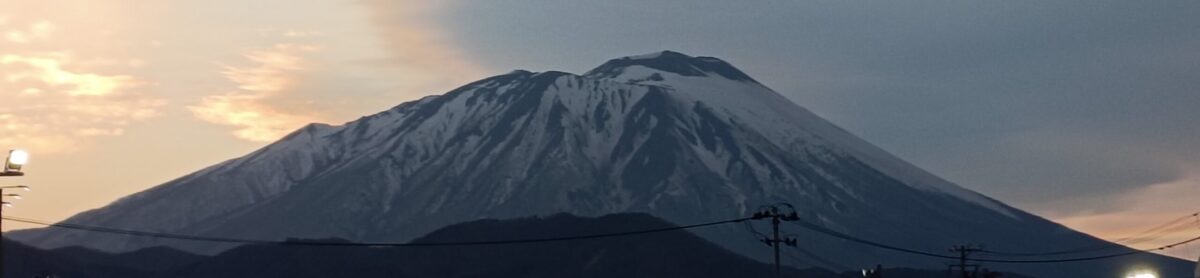
岩手県の大地には、二つの龍が眠っているという伝説が、現代の絶景となって息づいています。一つは、春の限られた時期にだけ八幡平の山頂に現れる雪の奇跡「ドラゴンアイ」。もう一つは、岩泉町の地底深くで静かに青い呼吸を続ける「龍泉洞」の地底湖です。空を仰ぐ龍と、地の底に潜む龍。この二つの神秘を巡る旅は、単なる観光ではなく、岩手の自然が織りなす垂直方向の壮大な物語を体感する冒険と言えるでしょう。

天上の雪がもたらす一瞬の奇跡と、地下の石灰岩が数億年かけて侵食された悠久の空間。山頂に降り積もった純白の「堆積」が春の陽光にとけて天の龍を開眼させるとき、その雪解け水はやがて地中深くへと潜り、途方もない年月をかけて地の龍の棲家であるドラゴンブルーの地底湖を満たしていきます。「堆積」と「侵食」という対極の自然の営み。空のまばゆさと地底の静寂。イーハトーブの風に吹かれながら、天と地を巡る水の軌跡に想いを馳せるとき、私たちは岩手という大地そのものが、脈打つ一つの巨大な生命体であることを静かに悟るのです。

■ English Version

In the vast landscape of Iwate, two dragons are said to dwell, manifesting today as breathtaking natural phenomena. One is the “Dragon Eye,” a miracle of snow that appears on the summit of Mount Hachimantai only during a brief window in spring. The other is the subterranean lake of “Ryusendo” Cave in Iwaizumi, quietly breathing deep blue beneath the earth. A dragon looking up at the sky, and another lurking in the abyss. A journey to witness these two mysteries is not mere sightseeing, but an adventure to experience the magnificent, vertical narrative woven by Iwate’s nature.

It is a profound contrast between the fleeting miracle brought by celestial snow and the eternal space carved by the erosion of limestone over hundreds of millions of years. When the pure white accumulation on the summit melts in the spring sunlight to awaken the heavenly dragon, that water eventually seeps deep into the earth, taking an eternity to fill the dragon-blue lakes where the earthly dragon resides. The “accumulation” of snow and the “erosion” of stone—these opposing breaths of the earth connect the dazzling sky and the silent subterranean depths. As we feel the wind of Ihatov and trace the trajectory of water traveling between heaven and earth, we silently realize that the very land of Iwate is a single, colossal living organism.


■ WordPress設定データ

カテゴリー: 【県北 Northern Iwate】
タグ: 八幡平ドラゴンアイ, 龍泉洞, イーハトーブ, 自然の循環, 絶景
アクセスポイント(座標): 39.9545, 140.8491

遠野の伝承と龍泉洞の深淵:岩手が織りなす異界と地球の記憶 / Tales of Tono and the Abyss of Ryusendo: Iwate’s Tapestry of Folklore and Earth’s Memory

遠野の情景:カッパ伝説が語る人と自然の境界線

岩手県遠野市を訪れると、そこには近代化の喧騒を忘れさせる静寂が広がっています。この地を象徴する「カッパ淵」は、柳田國男の『遠野物語』の舞台として知られ、かつて日本人が抱いていた自然への畏敬と、異界に対する想像力を今に伝える聖域です。カッパという存在は、単なる民話のキャラクターではありません。それは、制御不能な自然の力や、川の深淵に潜む未知の脅威を擬人化したものであり、古の人々が水辺という境界線に対してどれほど謙虚であったかを物語っています。清らかな小川のせせらぎを聞きながら木陰を歩けば、現代の私たちは忘れていた「自然との対話」を再発見することでしょう。遠野は、民俗学的な知的好奇心を刺激するだけでなく、目に見えないものに心を寄せるという、日本人の精神性の原風景を今なお色濃く残しているのです。

The Scenery of Tono: The Boundary Between Humanity and Nature in Kappa Folklore

Visiting Tono City in Iwate Prefecture reveals a tranquility that makes one forget the hustle and bustle of modernization. The “Kappa-buchi” (Kappa Pool), symbolic of this region, is famous as the setting for Kunio Yanagita’s “The Legends of Tono.” It serves as a sanctuary that conveys the reverence for nature and the imagination for the supernatural that the Japanese people once held. The creature known as the “Kappa” is not merely a character from fairy tales; it is a personification of uncontrollable natural forces and the unknown threats lurking in the depths of rivers. It tells us just how humble our ancestors were toward the boundary of the waterfront. As we walk through the shade, listening to the murmurs of the crystal-clear stream, we rediscover the “dialogue with nature” that we modern people have long forgotten. Tono not only stimulates folkloric curiosity but also retains the original landscape of the Japanese spirit—the practice of keeping one’s heart open to the unseen.

龍泉洞の神秘:数億年の時を湛える「ドラゴンブルー」の深淵

遠野の地上の物語から一転、岩泉町の龍泉洞へと足を踏み入れると、そこには地球の深層が作り上げた圧倒的な静寂が待っています。日本三大鍾乳洞の一つであるこの洞窟は、数億年という途方もない時間をかけて、地下水脈が石灰岩を浸食し、芸術的な造形を創り上げてきました。特に、地底湖の湖水が放つ「ドラゴンブルー」と呼ばれる透明度の高い青色は、見る者の魂を揺さぶるほどの美しさを湛えています。この水は、太古から続く岩盤の隙間をくぐり抜け、清冽な冷たさを保ったまま、地球の呼吸そのものとして存在し続けているのです。暗闇の中で輝くその青は、人類の歴史など一瞬に過ぎないことを教えるかのように、悠久の時の流れを静かに物語っています。龍泉洞は、単なる観光地ではなく、地球という惑星が持つ「水の循環」と「時間の重なり」を体感できる、科学と神秘が交差する哲学的な空間なのです。

水という柔らかき刃による「侵食」が穿つ虚空と、微かな水滴が数万年の歳月をかけて石の柱を育む「堆積」の結実。これら相反する二つの力が、暗黒の地底で永遠のせめぎ合いを演じています。削り取られる喪失と、降り積もる生成。その果てしない対話の結晶こそが、眼前に広がる圧倒的な造形美に他なりません。ドラゴンブルーの深淵を覗き込むとき、私たちは透き通る冷気の中に岩手の大地が刻む静かな鼓動を聴くでしょう。無数の水滴が奏でる地底の調べは、終わりのない星の営みを讃え続けています。やがて洞窟を抜け、再び地上の眩い光と森の風を浴びたとき、私たちは日常という瞬きの中で、自らもまたこの壮大な宇宙の理(ことわり)の一部であることを深く悟るのです。

■ English Version

Turning from the terrestrial tales of Tono and stepping into Ryusendo Cave in Iwaizumi Town, one is met with an overwhelming silence crafted by the depths of the Earth. As one of Japan’s three great limestone caves, it has been sculpted over hundreds of millions of years, as underground water channels eroded the rock to create artistic formations. In particular, the deep, high-transparency blue of the subterranean lakes, known as “Dragon Blue,” possesses a beauty that stirs the soul of the beholder. This water, having passed through the crevices of ancient bedrock, retains its crystal-cold purity and continues to exist as the very breath of the Earth. That blue, shining in the darkness, quietly tells the story of the flow of eternal time, as if teaching us that human history is but a fleeting moment. Ryusendo is not merely a tourist destination; it is a philosophical space where science and mystery intersect, allowing visitors to experience the “circulation of water” and the overlapping of time inherent to our planet.

Here, the “erosion” hollowed out by the soft blade of water and the “accumulation” of calcium from single droplets nurturing stone pillars over tens of thousands of years engage in an eternal struggle within the subterranean abyss. The loss through carving and the genesis through settling—the crystallization of this endless dialogue is nothing other than the overwhelming architectural beauty spread before our eyes. Peering into the profound depths of Dragon Blue, we hear the quiet pulsation of the Iwate earth amidst the crystalline chill. The subterranean melody, played by countless water droplets, continues to praise the endless deeds of the planet. Eventually, emerging from the cave and once again bathing in the dazzling terrestrial light and the wind of the forest, we deeply realize within the fleeting moment of daily life that we, too, are a part of this magnificent cosmic providence.


■ WordPress設定データ

カテゴリー: 沿岸 Coastal Iwate
タグ: 龍泉洞, ドラゴンブルー, 堆積と侵食, 地底湖, 岩泉町
アクセスポイント(座標): 39.8596, 141.7978

時を遡る地質学の旅:北上山地の深淵と龍泉洞「ドラゴンブルー」の神秘 / A Geological Journey Through Time: The Abyss of the Kitakami Mountains and the Mystery of Ryusendo’s “Dragon Blue”

地球の記憶が眠る場所:北上山地というタイムカプセル

岩手県の中央から東部を占める北上山地は、単なる山塊ではありません。それは、日本列島の形成史を紐解くための鍵となる巨大なタイムカプセルです。この地層の一部は、約4億年前の古生代にまで遡ります。大陸プレートの衝突と分離、そして気の遠くなるような長い時間をかけた隆起と侵食。私たちが今日目にするこの雄大な景観は、地球という惑星が繰り返してきた激しい営みの「結果」に過ぎません。北上山地を歩くことは、地質学的な時間軸において、人類の歴史がいかに瞬きのような短さであるかを痛感する、知的な巡礼の旅なのです。

A Place Where Earth’s Memory Sleeps: The Time Capsule of the Kitakami Mountains

The Kitakami Mountains, covering the central and eastern parts of Iwate Prefecture, are far more than a mere mountain range. They are a colossal time capsule, holding the keys to unlocking the formation history of the Japanese archipelago. Parts of these strata date back to the Paleozoic Era, some 400 million years ago. Through the collision and separation of tectonic plates, followed by eons of uplift and erosion, the majestic landscape we see today is merely the “result” of the planet’s violent, repetitive labor. Walking through the Kitakami Mountains is an intellectual pilgrimage—one that makes us acutely aware of how fleeting human history is when measured against the geological timeline.

石灰岩の迷宮:龍泉洞が語る水の彫刻

北上山地の懐深く、岩泉町に位置する「龍泉洞」は、この古生代の地層が作り出した芸術作品です。かつて海底にあった石灰岩層が隆起し、長い年月をかけて雨水や地下水によって溶かされたことで、この巨大な洞窟群は形成されました。洞内に入ると、そこは外界とは異なる時間軸が流れる空間です。鍾乳石が数センチ伸びるのに数百年を要するという事実は、私たちがこの空間で直面しているのが、人間的なスケールを遥かに超越した「永遠」に近い時間であることを物語っています。

数億年という果てしない時をかけて海の底に「堆積」した命の記憶は、今度は暗闇を流れる澄み切った地下水によって静かに「侵食」され、底なしの青を湛える地底湖へと生まれ変わりました。堆積という過去の蓄積と、侵食という現在進行形の彫刻。その果てしない破壊と創造の狭間で、一滴の水が水面を叩く澄んだ音が響くとき。私たちは、岩手の大地が内包する大いなる自然の循環と、地球の静かな呼吸を、自らの魂の底に聴くのです。

■ English Version

The Labyrinth of Limestone: Water’s Sculpture in Ryusendo

Deep within the embrace of the Kitakami Mountains, in Iwaizumi Town, lies “Ryusendo Cave”—a work of art crafted by these Paleozoic strata. This vast cavern system was formed when limestone layers, once resting at the bottom of the ancient sea, uplifted and were slowly dissolved by rainwater and groundwater over eons. Stepping inside, one enters a realm where an entirely different axis of time prevails. The fact that a stalactite requires centuries to grow mere centimeters tells us that we are confronting a time akin to “eternity,” far transcending any human scale.

The memories of life, patiently “deposited” at the ocean floor over hundreds of millions of years, are now being quietly “eroded” by crystal-clear groundwater flowing through the dark, reborn into subterranean lakes filled with a bottomless, mesmerizing blue. Between the past accumulation of deposition and the ongoing sculpture of erosion—within this endless cycle of destruction and creation—a single drop of water echoes as it strikes the pristine surface. In that resonance, we hear the profound circulation of nature embraced by the land of Iwate, feeling the quiet breathing of the earth deep within our own souls.


■ メタデータ

カテゴリー: 沿岸 Coastal Iwate
タグ: 龍泉洞, 地底湖, 北上山地, 石灰岩, 自然の循環