北上の古民家から滝沢の鈴の音へ:岩手の歴史を刻む「馬」との共生 / From Kitakami’s Folk Houses to the Bells of Takizawa: The Symbiosis of Horse and History in Iwate

岩手の風土が物語る、人と馬の絆

岩手県北上市、北上川のほとりに佇む「みちのく民俗村」。ここに移築された茅葺き屋根の古民家群を歩くと、かつてこの地で人間と馬が「一つの屋根の下」で分かち合っていた深い絆の気配に触れることができる。それは単なる住居の展示ではなく、岩手の厳しい風土が育んだ、命の共生という物語の断片である。

The Bonds of Man and Horse in the Iwate Landscape

Standing along the Kitakami River in Kitakami City, Iwate, the “Michinoku Folklore Village” offers more than just a collection of relocated, thatched-roof houses. Walking through these structures, one can feel the lingering spirit of an era when humans and horses shared the same roof. It is not merely an architectural exhibit; it is a fragment of the narrative of symbiosis that defined life in the harsh Iwate landscape.

南部曲り家:熱源としてのパートナー

注目すべきは、「南部曲り家(なんぶまがりや)」という建築構造である。L字型に折れ曲がったこの建物は、居住空間と厩(うまや)が直結している。厳しい冬の寒さの中、馬は家族同様に慈しまれ、その体温は家全体を温める熱源でもあった。この密接な距離感こそが、岩手の農耕文化の根幹を成していた。馬は単なる使役動物ではなく、生活を共に支える「家族」そのものだったのである。

The Nanbu Magariya: A Partner as a Source of Warmth

The focus here is the “Nanbu Magariya,” an L-shaped architectural marvel where living quarters were directly connected to the stable. During the brutal winters, horses were cherished like family members, and their body heat served as a vital source of warmth for the entire household. This intimate proximity formed the very foundation of Iwate’s agricultural culture. The horse was not merely a beast of burden, but a “family member” who supported their daily existence.

蒼前信仰とチャグチャグ馬コ:鈴の音が繋ぐ記憶

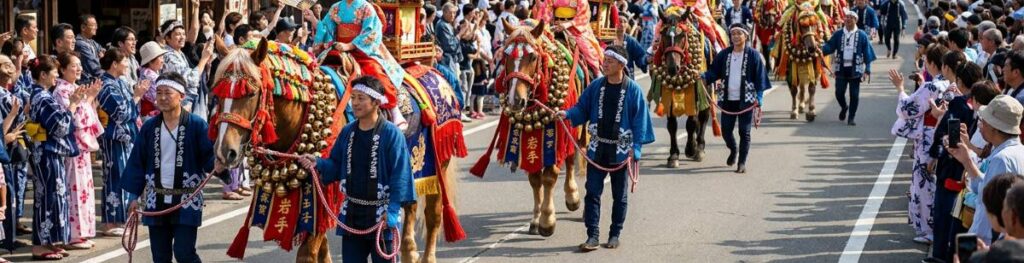
この馬への深い敬意は、農耕の記憶から「神の使い」という信仰へと昇華される。滝沢市に伝わる「蒼前(そうぜん)信仰」は、馬の健康と安全を守る神への祈りである。かつて農作業のパートナーであった馬たちは、歴史の彼方へ消えゆく存在ではない。毎年6月に響く「チャグチャグ馬コ」の鈴の音は、その記憶を現在に繋ぎ止めるための儀式なのだ。色鮮やかな装束を纏い、滝沢から盛岡までを行進する馬たちの姿は、この地に根付いた感謝の念を体現している。

Sosen Faith and Chagu Chagu Umako: Bells Linking Memories

This deep reverence for the horse transcended practical labor, elevating the animal to the status of a “divine messenger.” The “Sosen Faith” preserved in Takizawa City is a prayer to the deities who protect the health and safety of horses. The horses that were once partners in labor are not fading into the abyss of history. The sound of the bells during the “Chagu Chagu Umako” festival, held every June, is a ritual that anchors that memory firmly in the present. The sight of these horses, adorned in colorful traditional costumes and parading from Takizawa to Morioka, embodies the gratitude deeply rooted in this land.

歴史のパズルを解く旅

みちのく民俗村で見た静かな厩の記憶と、チャグチャグ馬コの動的な鈴の音は、岩手の歴史という巨大なパズルのピースとして互いに共鳴している。歴史を紐解くことは、過去を回顧することではない。岩手の馬文化に触れることは、人間が自然や動物といかにして共に生きるかという、現代にも通じる普遍的な問いへの答えを探す旅なのである。

A Journey to Solve the Puzzle of History

The silent memory of the stables seen in the Michinoku Folklore Village and the dynamic, rhythmic ringing of the Chagu Chagu Umako bells resonate together as essential pieces of the vast, intricate puzzle of Iwate’s history. Unraveling history is not merely about looking back. Engaging with the horse culture of Iwate is a journey to find answers to universal questions that remain relevant today: how can humanity live in harmony with nature and animals?

📍 アクセス / Access

JR盛岡駅から岩手県交通バス「滝沢駅前」行きまたは「巣子」行きで「蒼前神社前」下車。車の場合は東北自動車道盛岡ICから約10分。 / From JR Morioka Station, take Iwate Kotsu bus bound for “Takizawa Station” or “Sugo” and get off at

北上の半導体から奥州の南部鉄器へ:岩手が紡ぐ「鉄」の時空を超えた物語 / From Kitakami Semiconductors to Oshu Nanbu Tekki: A Timeless Tale of Iron Forged in Iwate

未来を刻む、北上の「極限」の技術

岩手県北上市は、今や「北のシリコンバレー」として世界的な注目を集めている。超微細な回路を描く半導体製造は、極限まで突き詰められた現代の錬金術である。シリコンという素材を操り、目に見えないほどの緻密さで未来の基盤を築くその姿は、一見すると伝統的な手仕事とは対極にあるように思えるかもしれない。しかし、この精密なモノづくりが、かつてこの地で育まれた鉄の文化と無縁であるはずがない。岩手という土地には、素材の性質を極限まで理解し、それを制御しようとする職人魂が、時代を超えて深く根付いているのだ。

The “Limit” of Technology: Carving the Future in Kitakami

Kitakami City in Iwate Prefecture is now attracting global attention as the “Silicon Valley of the North.” Semiconductor manufacturing, which etches ultra-fine circuits, is a form of modern alchemy pushed to its absolute limits. The way it manipulates silicon to build the foundations of the future with invisible precision might seem, at first glance, to be at the opposite end of the spectrum from traditional handicrafts. However, this precision manufacturing cannot be unrelated to the iron culture nurtured in this region for centuries. In the land of Iwate, the artisan spirit—that which seeks to deeply understand and control the properties of materials—is rooted deeply, transcending the boundaries of time.

奥州水沢:炎と鉄が織りなす「南部鉄器」の哲学

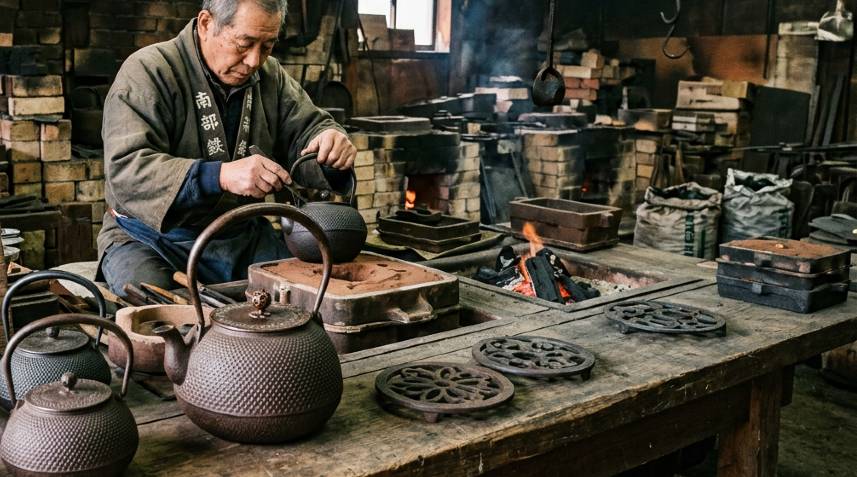
北上の工場から車を走らせれば、ほどなくして奥州市水沢へ辿り着く。ここには、平安時代から続く砂鉄の文化が息づいている。水沢の「南部鉄器」は、単なる工芸品の枠を超え、生活と芸術が溶け合う歴史の証人だ。伊達藩の庇護を受け、かつては鍋や釜、そして茶の湯の道具として洗練されたその技術は、素材の「収縮」や「冷却速度」を計算し尽くすという、ある種の科学的なアプローチを内包している。職人が鋳型に鉄を流し込む瞬間、そこには千年の歴史が凝縮された緊張感が漂う。この「鉄を扱う」という行為の連続性は、北上の半導体工場でウェハーを焼く技術者たちの姿勢と、驚くほど重なり合うものがある。

Oshu Mizusawa: The Philosophy of “Nanbu Tekki” Woven by Fire and Iron

A short drive from the factories of Kitakami brings one to Mizusawa, Oshu City, where the culture of iron sand, dating back to the Heian period, still breathes. The “Nanbu Tekki” of Mizusawa transcends the boundaries of mere crafts; it is a witness to history where life and art converge. Patronized by the Date clan and refined into pots, kettles, and tea ceremony utensils, its techniques contain a certain scientific approach, calculating the “shrinkage” and “cooling rate” of the material. The moment an artisan pours iron into a mold, a tension condensed with a thousand years of history fills the air. This continuity in the act of “handling iron” overlaps surprisingly well with the attitude of the technicians firing wafers in the semiconductor factories of Kitakami.

モノづくりの原点:岩手が示す創造の真価

鉄を溶かし、型に流し込み、冷やす。この単純な工程の中に、職人は数千度の炎と対話し、素材の微細な変化を読み取る。半導体という「見えない回路」を創る科学者も、鉄器という「手触りのある美」を創る職人も、彼らが目指しているのは同じ「極致」である。岩手を訪れることは、単なる観光ではない。未来を創る最先端の技術と、古から受け継がれる職人の魂が交差するこの地で、私たちは「人間の創造力」の真価を目撃することになるのだ。北上と奥州、この二つの拠点は、岩手が誇る「モノづくりの精神」の両輪として、これからも世界を驚かせ続けるだろう。

The Origin of Craftsmanship: The True Value of Creation in Iwate

Melting iron, pouring it into molds, cooling it. In this simple process, the artisan dialogues with fire reaching thousands of degrees and reads the minute changes in the material. Whether it is the scientist creating “invisible circuits” like semiconductors, or the artisan creating “tangible beauty” like ironware, both are aiming for the same “pinnacle.” Visiting Iwate is more than just tourism. In this land where cutting-edge technology that builds the future intersects with the soul of artisans passed down from ancient times, we witness the true value of human creativity. Kitakami and Oshu, as the two wheels of the “spirit of craftsmanship” that Iwate boasts, will surely continue to surprise the world.

📍 アクセス / Access

日本語の交通アクセス:
【電車】JR東北本線「水沢駅」からタクシーで約10~15分(南部鉄器伝統工芸館など南部鉄器関連施設への目安)。
【車】東北自動車道「水沢IC」から約15分。

English access info:
【By Train】From JR Tohoku Main Line

時を遡る地質学の旅:北上山地の深淵と龍泉洞「ドラゴンブルー」の神秘 / A Geological Journey Through Time: The Abyss of the Kitakami Mountains and the Mystery of Ryusendo’s “Dragon Blue”

地球の記憶が眠る場所:北上山地というタイムカプセル

岩手県の中央から東部を占める北上山地は、単なる山塊ではありません。それは、日本列島の形成史を紐解くための鍵となる巨大なタイムカプセルです。この地層の一部は、約4億年前の古生代にまで遡ります。大陸プレートの衝突と分離、そして気の遠くなるような長い時間をかけた隆起と侵食。私たちが今日目にするこの雄大な景観は、地球という惑星が繰り返してきた激しい営みの「結果」に過ぎません。北上山地を歩くことは、地質学的な時間軸において、人類の歴史がいかに瞬きのような短さであるかを痛感する、知的な巡礼の旅なのです。

A Place Where Earth’s Memory Sleeps: The Time Capsule of the Kitakami Mountains

The Kitakami Mountains, covering the central and eastern parts of Iwate Prefecture, are far more than a mere mountain range. They are a colossal time capsule, holding the keys to unlocking the formation history of the Japanese archipelago. Parts of these strata date back to the Paleozoic Era, some 400 million years ago. Through the collision and separation of tectonic plates, followed by eons of uplift and erosion, the majestic landscape we see today is merely the “result” of the planet’s violent, repetitive labor. Walking through the Kitakami Mountains is an intellectual pilgrimage—one that makes us acutely aware of how fleeting human history is when measured against the geological timeline.

石灰岩の迷宮:龍泉洞が語る水の彫刻

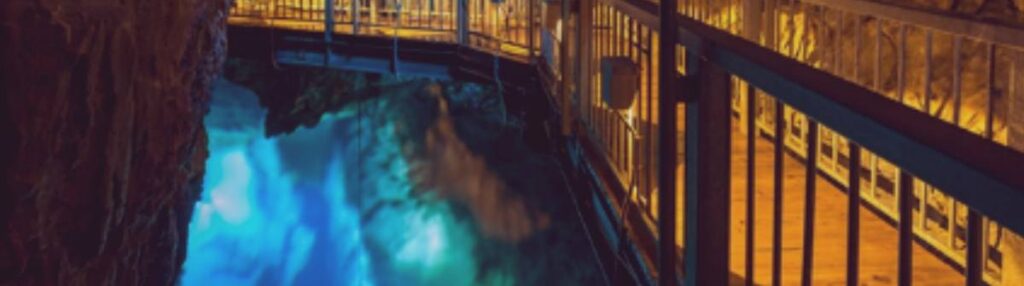
北上山地の懐深く、岩泉町に位置する「龍泉洞」は、この古生代の地層が作り出した芸術作品です。かつて海底にあった石灰岩層が隆起し、長い年月をかけて雨水や地下水によって溶かされたことで、この巨大な洞窟群は形成されました。洞内に入ると、そこは外界とは異なる時間軸が流れる空間です。鍾乳石が数センチ伸びるのに数百年を要するという事実は、私たちがこの空間で直面しているのが、人間的なスケールを遥かに超越した「永遠」に近い時間であることを物語っています。

数億年という果てしない時をかけて海の底に「堆積」した命の記憶は、今度は暗闇を流れる澄み切った地下水によって静かに「侵食」され、底なしの青を湛える地底湖へと生まれ変わりました。堆積という過去の蓄積と、侵食という現在進行形の彫刻。その果てしない破壊と創造の狭間で、一滴の水が水面を叩く澄んだ音が響くとき。私たちは、岩手の大地が内包する大いなる自然の循環と、地球の静かな呼吸を、自らの魂の底に聴くのです。

■ English Version

The Labyrinth of Limestone: Water’s Sculpture in Ryusendo

Deep within the embrace of the Kitakami Mountains, in Iwaizumi Town, lies “Ryusendo Cave”—a work of art crafted by these Paleozoic strata. This vast cavern system was formed when limestone layers, once resting at the bottom of the ancient sea, uplifted and were slowly dissolved by rainwater and groundwater over eons. Stepping inside, one enters a realm where an entirely different axis of time prevails. The fact that a stalactite requires centuries to grow mere centimeters tells us that we are confronting a time akin to “eternity,” far transcending any human scale.

The memories of life, patiently “deposited” at the ocean floor over hundreds of millions of years, are now being quietly “eroded” by crystal-clear groundwater flowing through the dark, reborn into subterranean lakes filled with a bottomless, mesmerizing blue. Between the past accumulation of deposition and the ongoing sculpture of erosion—within this endless cycle of destruction and creation—a single drop of water echoes as it strikes the pristine surface. In that resonance, we hear the profound circulation of nature embraced by the land of Iwate, feeling the quiet breathing of the earth deep within our own souls.


■ メタデータ

カテゴリー: 沿岸 Coastal Iwate
タグ: 龍泉洞, 地底湖, 北上山地, 石灰岩, 自然の循環