わんこそばの精神と雑穀の記憶
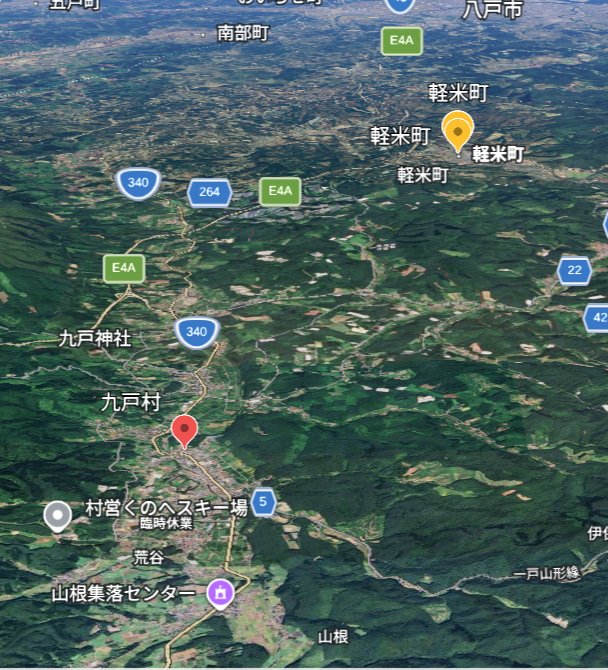
岩手の代名詞として知られる「わんこそば」。次々と椀に投げ入れられるその華やかなおもてなしの裏には、実は厳しい北の地で育まれた「雑穀」という、もう一つの逞しい食の系譜があります。わんこそばが「ハレ(非日常)」の祝祭的な食であるならば、県北・軽米町(かるまいまち)で受け継がれてきた雑穀文化は、この地の人々を支え続けてきた「ケ(日常)」の生命線です。岩手の歴史パズルを解くように、この二つの食の接点を探ってみましょう。
The Spirit of Wanko Soba and the Memory of Millet
Wanko Soba is synonymous with Iwate. Yet, behind this flamboyant display of hospitality, where noodles are tossed into bowls in rapid succession, lies another resilient lineage of food nurtured in the harsh northern climate: millet (zakkoku).
If Wanko Soba represents the festive, extraordinary meals of hare (special occasions), then the millet culture passed down in the northern town of Karumai is the lifeline of ke (everyday life) that has long sustained the people of this region. Let’s explore the intersection of these two culinary traditions, as if piecing together the historical puzzle of Iwate.
カテゴリー: 県北 Northern Iwate
タグ: わんこそば, 雑穀, ハレとケ, 軽米町, 食文化
アクセスポイント(座標): 40.3262, 141.4607