三陸の宝石箱、宮古の瓶ドン / The Jewel Box of Sanriku: Miyako’s Bin-Don

牛乳瓶に詰まった三陸の結晶:瓶ドンの革新

岩手県宮古市の名物「瓶ドン」は、単なる海鮮丼を超えた、三陸の海を象徴するアートです。かつて、宮古の漁師たちが新鮮なウニを保存するために、滅菌した牛乳瓶に海水と共に詰めて持ち帰ったという伝統的な知恵。この「保存の技」が、現代の食文化と出会い、色鮮やかな海鮮を詰め込んだ贅沢な一品へと昇華されました。瓶を逆さにしてご飯の上に中身を流し込む瞬間、キラキラと輝くウニやイクラ、メカブが器を彩ります。それはまるで、岩手の荒々しくも豊かな海が、そのまま食卓に飛び込んできたかのような光景です。牛乳瓶というレトロな容器が、逆に新鮮な驚きを与え、三陸の海の幸を最も純粋な形で楽しませてくれるのです。この革新性は、伝統を単に守るだけでなく、時代に合わせてアップデートし続ける岩手の人々の柔軟な精神を体現しています。

静寂なガラス瓶の底に「堆積」した漁師たちの無骨な歴史は、いまや現代の鮮やかな感性によって「侵食」され、新たな光を放ち始めています。波の記憶を閉じ込めたこの小さな宇宙を白いご飯の上にほどくとき、私たちはただ海を味わうのではありません。永遠に波打ち続ける三陸の鼓動と、幾星霜をかけて磨き上げられた岩手の風土そのものを深く飲み込むのです。ガラス越しに瞬く原風景は、これからも私たちの食卓で、静かに、そして力強く息づいていくことでしょう。

■ English Version

A Crystallization of Sanriku in a Milk Bottle: The Innovation of Bin-Don

The famous “Bin-Don” of Miyako City is a culinary masterpiece that transcends the boundaries of a simple seafood bowl. Its roots lie in the ingenious tradition of local fishermen, who once used sterilized milk bottles filled with seawater to preserve the delicate freshness of sea urchins. Today, this “art of preservation” has been reimagined as a luxurious feast, where vibrant layers of seafood are packed into a single vessel. The moment you invert the bottle, a glittering cascade of sea urchin, salmon roe, and mekabu seaweed spills onto your rice like a treasure chest being opened. It is a sensory experience where the wild, bountiful essence of the Sanriku coast leaps directly onto your dining table. By repurposing the nostalgic milk bottle, this innovation offers a fresh surprise and proves that Iwate’s spirit is not just about guarding the past, but gracefully evolving with the times.

The rugged history of the fishermen, once quietly “accumulated” within these silent glass walls, has now been “eroded” and reshaped by modern sensibilities, radiating a brilliant new light. When we unravel this miniature universe of oceanic memories upon our bowls, we do more than simply taste the sea. We deeply swallow the eternal heartbeat of Sanriku and the very essence of Iwate’s landscape, polished over countless generations. This primordial scenery, captured behind glass, will continue to breathe quietly yet powerfully upon our tables for years to come.


■ WordPress設定データ

カテゴリー: 沿岸 Coastal Iwate
タグ: 瓶ドン, 宮古市, 三陸の海, 食文化, 伝統と革新
アクセスポイント(座標): 39.6415, 141.9463


浄土ヶ浜:三日月が満ちる時、岩肌は極楽浄土へと変貌する / Jodogahama: When the Crescent Moon Becomes Whole – The Transformation of Rock into Pure Land

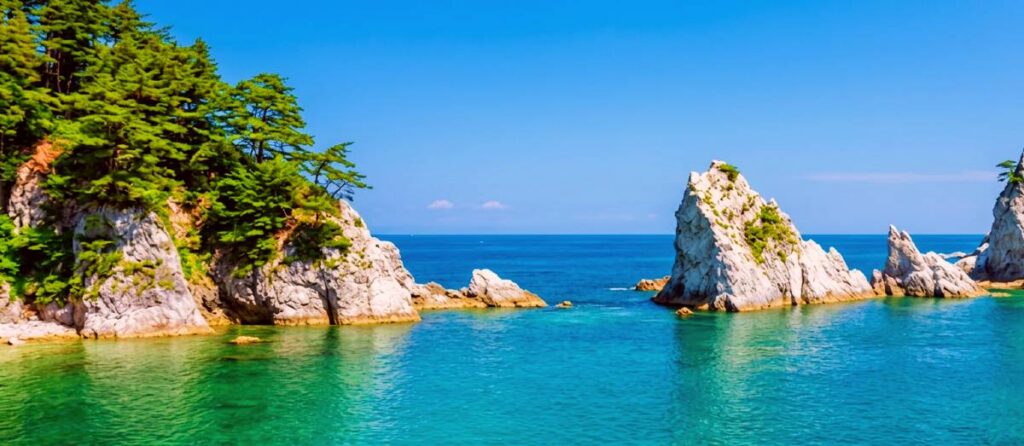
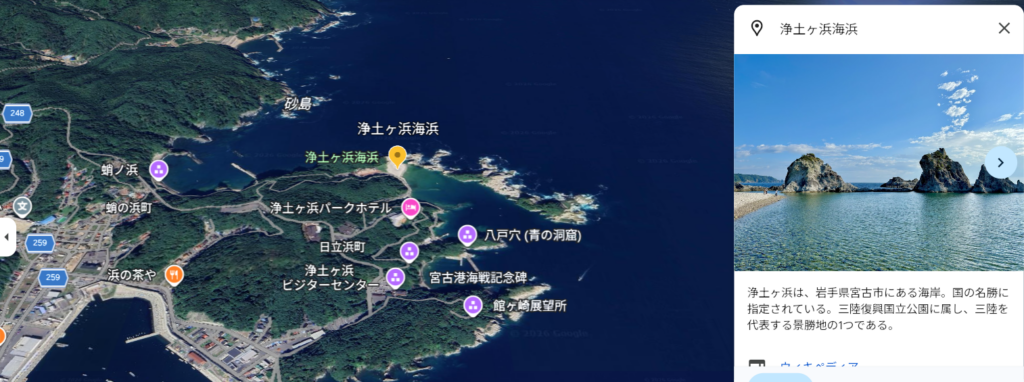
岩手県宮古市、三陸の荒々しい海岸線に突如として現れる白亜の絶景。それが「浄土ヶ浜」です。深い紺碧の海と、鋭く尖った白い岩肌のコントラストは、まるで水墨画が色彩をまとったかのような静謐な美しさを湛えています。三日月が満ちて丸くなるまで、悠久の時をかけてこの岩が削り出されたかのように、ここには自然の神秘と仏教的な祈りが交差する特別な空気が流れています。

Jodogahama in Miyako City, Iwate, is a breathtaking vista of white rock that emerges suddenly along the rugged Sanriku coastline. The contrast between the deep, azure sea and the sharp, white rhyolite crags creates a serene beauty, as if a traditional ink wash painting had suddenly come to life with color. Just as a crescent moon waxes into fullness over time, this landscape feels as though it was sculpted by eons of nature, creating a space where mystery and Buddhist devotion intersect.

5200万年の地質が語る「白亜の聖域」

浄土ヶ浜の主役である鋭く尖った白い岩肌は、約5200万年前の火山活動によって形成された「流紋岩(りゅうもんがん)」です。長い年月をかけて波と風に洗われ、削り出されたその造形は、自然が作り出した彫刻と言っても過言ではありません。

この白い岩肌が、陽光を受けて輝くとき、海面は鏡のように空を映し出し、訪れる者を現世から隔絶された別世界へと誘います。岩の白さは、不純物を削ぎ落としたかのような清廉さを持ち、見る人の心に深い静寂をもたらします。地質学的な荒々しさと、目に見える静謐さ。この二面性こそが、浄土ヶ浜が持つ最大の魅力です。

The White Sanctuary Carved by 52 Million Years of Geology

The jagged, white rock that defines Jodogahama is rhyolite, formed by volcanic activity approximately 52 million years ago. Sculpted by the relentless waves and wind over vast eons, these formations are nothing short of natural sculptures.

When these white rocks catch the sunlight, the sea reflects the sky like a mirror, drawing visitors into a world apart from the mundane. The whiteness of the rock possesses a purity that seems to strip away impurities, bringing a profound silence to the observer’s heart. This duality—geological ruggedness juxtaposed with visual serenity—is the true essence of Jodogahama’s charm.

僧侶・霊鏡が観た「この世の極楽」

江戸時代の天和年間(1678年頃)、この地を訪れた宮古山常安寺の僧、霊鏡(れいきょう)和尚は、あまりの美しさにこう詠みました。「さながら極楽浄土のごとし」。

彼がこの地を「浄土」と名付けた背景には、当時の人々が抱いていた極楽浄土への憧れと、この風景が持つ圧倒的な精神的救済力がありました。仏教宇宙において、極楽浄土は苦しみのない理想郷です。霊鏡和尚にとって、この荒々しい断崖と穏やかな海の調和は、まさに彼が修行の果てに目指していた理想の境地そのものだったのでしょう。

歴史のパズルを紐解くと、浄土ヶ浜は単なる観光地ではなく、かつての人々が「祈り」を捧げた聖域であったことが分かります。三日月が満月へと変化するような、自然の摂理と人の信仰心が重なり合った場所。それが、ここ浄土ヶ浜なのです。

The stark contrast between the jagged white rocks and the deep blue sea creates a space where one can truly feel the intersection of geological history and spiritual devotion. Visiting Jodogahama is not just a sightseeing trip; it is an encounter with the eternal “Pure Land” that exists within the rugged beauty of the Sanriku coast.

遠野の清流から三陸の荒波へ:岩手が織りなす静と動の絶景旅 / From the Gentle Streams of Tono to the Roaring Waves of Sanriku: A Journey Through Iwate’s Contrast of Stillness and Motion

From the mystical stillness of Tono’s Kappabuchi to the raw

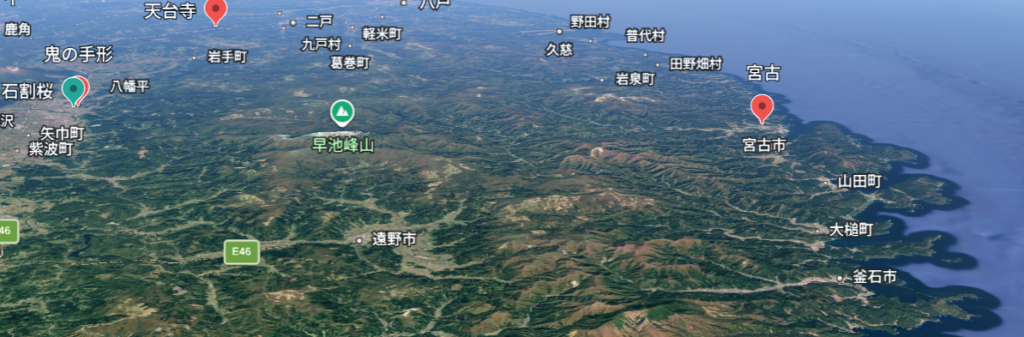
岩手県の地図を眺めると、内陸の山あいを流れる穏やかな川と、太平洋の荒波が打ち付ける切り立った海岸線が、見事なコントラストを描いていることに気づきます。今回の旅のテーマは、この「水」が紡ぐ二つの表情です。民話の里・遠野の静謐な清流から、三陸のダイナミックな海蝕崖まで。岩手の自然が持つ「静」と「動」の物語を辿ることで、この地の奥深い魅力を再発見しましょう。

Kappabuchi: A Sanctuary of Silence Where Folklore Breathes
カッパ淵:民話が息づく静寂の聖域

遠野市の中心部から少し離れた場所にひっそりと佇む「カッパ淵」。ここは、かつてカッパが住んでいたと語り継がれる、岩手でも屈指の神秘的なスポットです。木々の緑を映し出すエメラルドグリーンの水面は、まるで時が止まったかのような静寂に包まれています。川沿いに並ぶ柳の木が風に揺れるたび、遠野物語の世界観がすぐそこにあるような錯覚を覚えます。ここは単なる観光地ではなく、日本人の心の原風景に触れることができる、精神的な避難所(サンクチュアリ)なのです。

Goishi Coast: The Art of Rugged Sea Cliffs
碁石海岸:三陸が誇る荒々しい海蝕崖の芸術

遠野から東へ、山を越えて大船渡市へと向かうと、そこには全く異なる「動」の世界が広がっています。三陸復興国立公園に位置する「碁石海岸」は、太平洋の荒波が数万年かけて彫り上げた芸術作品です。海岸を埋め尽くす黒い小石が、かつて碁石の材料として使われたことからその名がつきました。特に、波が打ち寄せるたびに轟音を響かせる「雷岩(かみなりいわ)」や、巨大な岩に空いた「穴通磯(あなとおしいそ)」の迫力は、地球の鼓動を肌で感じるほど強烈です。静かな川から、生命力あふれる海へ。このコントラストこそが、岩手の自然を理解するための鍵となるのです。

From Stillness to Motion: The Earth’s Heartbeat at Goishi Coast, Ofunato

Traveling east from Tono and crossing the mountains to Ofunato City, you are greeted by a completely different world of “motion.” Located within the Sanriku Fukko (Reconstruction) National Park, the “Goishi Coast” is a masterpiece of natural art, carved by the rough waves of the Pacific Ocean over tens of thousands of years. The name “Goishi” (Go stones) comes from the black pebbles covering the shore, which were once used as materials for the traditional board game Go.

The raw power of the “Kaminari-iwa” (Thunder Rock), which echoes with a roaring sound every time a wave strikes, and the “Anatoshi-iso,” a colossal rock formation with three massive holes, is intense enough to make you feel the very heartbeat of the Earth. From quiet rivers to the life-filled sea—this dramatic contrast is the essential key to understanding the true nature of Iwate.