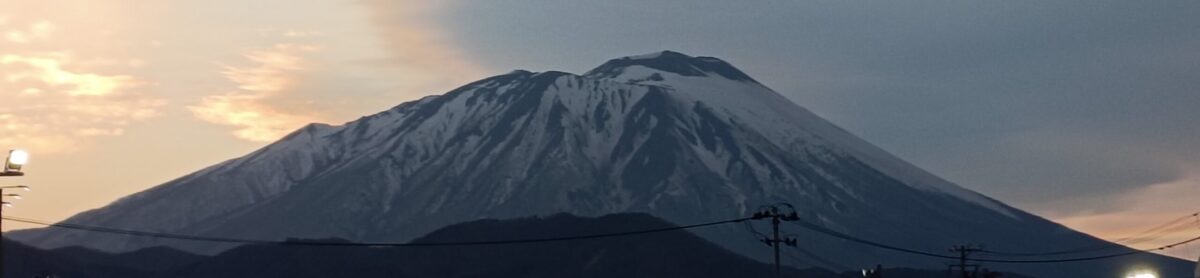
岩手の背骨を遡る思索の旅
岩手県を縦断する北上川は、全長249キロメートルにおよぶ東北随一の大河です。盛岡の市街地を穏やかに流れるその姿からは想像し難いかもしれませんが、この川を遡行することは、単なる自然探訪の域を超えた、ある種の「時間旅行」に似ています。岩手の広大な大地を切り拓き、人々の営みと文化を運んできたこの水脈の正体とは何でしょうか。私たちは、その答えを求めて、川の産声が聞こえる源流部、岩手町へと向かいます。そこには、地図上の点として記される以上の、重厚な歴史の物語が隠されているのです。
A Journey of Contemplation Up the Spine of Iwate
The Kitakami River, traversing Iwate Prefecture, stands as the longest river in the Tohoku region, stretching 249 kilometers. It is difficult to imagine from its calm flow through the city of Morioka, but tracing this river upstream is akin to a “time travel” that transcends mere nature exploration. What is the true essence of this waterway, which has carved through the vast lands of Iwate and carried the livelihoods and cultures of its people? We head toward the town of Iwate, the headwaters where the river’s first cry can be heard, in search of an answer. There, a profound historical narrative lies hidden, far deeper than what is marked as a mere point on a map.
弓弭の泉:伝説と歴史の交差点
岩手町にある「弓弭の泉(ゆみはずのいずみ)」は、北上川の源流の一つとして知られています。この地にまつわる伝承は、平安時代の武将・坂上田村麻呂にまで遡ります。蝦夷征伐の際、渇きに苦しんだ軍勢のために、彼が弓の弭(弓の両端にある弦をかける部分)で岩を突いたところ、清水が湧き出したという伝説です。この泉は、単なる地理的な「源流」という記号ではありません。それは、中央集権的な国家の意志と、この地に根を下ろしていた蝦夷の文化が激しく衝突し、そして混ざり合った、歴史の断層そのものなのです。
Yumihazu no Izumi: The Intersection of Legend and History
“Yumihazu no Izumi” (The Bow-Tip Spring) in Iwate Town is known as one of the sources of the Kitakami River. The folklore associated with this site dates back to the Heian period, involving the legendary general Sakanoue no Tamuramaro. Legend has it that during his campaign against the Emishi, his troops suffered from thirst, and he struck the rock with the tip of his bow, causing fresh water to gush forth. This spring is not merely a geographic symbol of a “source.” It is the very fault line of history, where the will of the centralized state violently collided with, and eventually mingled with, the culture of the Emishi people who had taken root in this land.
自然の静寂が語るもの
現代の私たちがこの泉を訪れるとき、そこにあるのは静寂だけです。しかし、その静寂の中に耳を澄ませると、川が北上平野へと流れ下り、やがて太平洋へと注ぐまでの長い旅路の記憶を感じ取ることができます。岩手町から始まるこの一滴の水は、数多の支流を集め、米を育て、町を潤し、時には氾濫という猛威を振るいながら、岩手の歴史を形作ってきました。源流に立つことは、この巨大な生命循環の「始まり」に触れる行為です。それは、自然の力に畏敬の念を抱き、歴史の深淵を覗き込むような、知的好奇心を強く刺激する体験となるはずです。
What the Silence of Nature Speaks
When we visit this spring today, all that remains is silence. Yet, if one listens closely to that silence, one can sense the memories of the river’s long journey: flowing down to the Kitakami Plain and eventually emptying into the Pacific Ocean. This single drop of water, originating in Iwate Town, has gathered countless tributaries, nurtured rice crops, enriched towns, and occasionally unleashed the fury of floods, all while shaping the history of Iwate. Standing at the source is an act of touching the “beginning” of this massive life cycle. It is an experience that strongly stimulates intellectual curiosity, akin to feeling awe for the power of nature and peering into the abyss of history.
📍 アクセス / Access
日本語の交通アクセス:
【電車・バス】
JR東北本線またはIGRいわて銀河鉄道「いわて沼宮内駅」下車。
いわて沼宮内駅より岩手町コミュニティバス「川口線」に乗車、「弓弭の泉入口」バス停下車。バス停から徒歩約10分。
※バスの本数が少ないため、事前に時刻表を確認してください。
【車】
東北自動車道「滝沢IC」または「盛岡IC」から国道4号線を北上。岩手町役場川口支所方面へ。
滝沢ICから約40分、盛岡ICから約50分。駐車場あり。
English access info:
【By Train & Bus】
Take the JR Tohoku Main Line or IGR Iwate Galaxy Railway to “Iwate-Numakunai Station”.
From Iwate-Numakunai Station, take the Iwate Town Community Bus (Kawaguchi Line) and get off at the “Yumihazu-no-Izumi Iriguchi” bus stop. The spring is about a 10-minute walk from the bus stop.
*Please note that bus services are infrequent, so check the timetable in advance.
【By Car】
From Tohoku Expressway “Takizawa IC” or “Morioka IC”, take National Route 4 northbound. Head towards the Iwate Town Office Kawaguchi Branch.
Approx. 40 minutes from Takizawa IC, 50 minutes from Morioka IC. Parking is available.
北上川の生命の循環と宮古の海:瓶ドンが体現する岩手の食の哲学 / The Vital Cycle of the Kitakami River and the Sea of Miyako: The Culinary Philosophy of “Bin-don”
北上川から太平洋へ:生命を繋ぐ水脈の物語
岩手県を貫く北上川は、単なる河川ではありません。それは山々の養分を海へと運び、鮭という生命の循環を運ぶ動脈です。かつて南部藩の時代、鮭は冬を越すための貴重なタンパク源であり、川沿いの民と深い絆で結ばれていました。この「川の恵み」への敬意は、やがて河口の先にある太平洋、そして三陸海岸の漁業へと、その精神的支柱を移していきます。山から海へと流れる水脈は、岩手の食文化を形作る根源的なテーマなのです。
森の奥深くで静かに「堆積」した枯れ葉の記憶は、雪解け水とともに大地を「侵食」し、川底の石をひそやかに磨きながら海へと向かいます。そして三陸の荒波が削り出すリアス式海岸の険しさの中で、豊穣の海産物として再び命を宿すのです。連綿と繰り返されるこの堆積と侵食の壮大なドラマ。私たちは力強く川を遡上する鮭の姿に、過去から未来へと還流する生命のきらめきを見出し、岩手の風土という名のキャンバスに刻み込まれた、永遠の詩を深く味わうのです。
■ English Version
From the Kitakami River to the Pacific: A Tale of Vital Waterways
The Kitakami River, which traverses Iwate Prefecture, is more than just a waterway. It is an artery that carries nutrients from the mountains to the sea, facilitating the cycle of life embodied by the salmon. In the era of the Nanbu Clan, salmon were a precious source of protein for surviving the winters, forging a deep bond with the people living along the riverbanks. This reverence for the “bounty of the river” eventually shifted its spiritual foundation toward the Pacific Ocean beyond the river mouth, and into the fisheries of the Sanriku Coast. The water vein that flows from the mountains to the sea serves as the fundamental theme shaping Iwate’s profound food culture.
The memories of fallen leaves, quietly “accumulated” deep within the silent forests, gracefully “erode” the earth alongside melting snow, polishing the riverbed stones as they journey toward the ocean. Amidst the ruggedness of the rias coast, carved out by the erosive, crashing waves of Sanriku, these memories are reborn as the sea’s bountiful harvest. In this grand, unending drama of accumulation and erosion, we witness the brilliant spark of life cycling from the past to the future in the fierce upstream run of the salmon, savoring the eternal poem etched deeply into the canvas of Iwate’s majestic landscapes.
■ メタデータ
カテゴリー: 沿岸 Coastal Iwate
タグ: 北上川, 三陸海岸, 鮭, 生命の循環, 食文化

北上の半導体から奥州の南部鉄器へ:岩手が紡ぐ「鉄」の時空を超えた物語 / From Kitakami Semiconductors to Oshu Nanbu Tekki: A Timeless Tale of Iron Forged in Iwate
未来を刻む、北上の「極限」の技術
岩手県北上市は、今や「北のシリコンバレー」として世界的な注目を集めている。超微細な回路を描く半導体製造は、極限まで突き詰められた現代の錬金術である。シリコンという素材を操り、目に見えないほどの緻密さで未来の基盤を築くその姿は、一見すると伝統的な手仕事とは対極にあるように思えるかもしれない。しかし、この精密なモノづくりが、かつてこの地で育まれた鉄の文化と無縁であるはずがない。岩手という土地には、素材の性質を極限まで理解し、それを制御しようとする職人魂が、時代を超えて深く根付いているのだ。
The “Limit” of Technology: Carving the Future in Kitakami
Kitakami City in Iwate Prefecture is now attracting global attention as the “Silicon Valley of the North.” Semiconductor manufacturing, which etches ultra-fine circuits, is a form of modern alchemy pushed to its absolute limits. The way it manipulates silicon to build the foundations of the future with invisible precision might seem, at first glance, to be at the opposite end of the spectrum from traditional handicrafts. However, this precision manufacturing cannot be unrelated to the iron culture nurtured in this region for centuries. In the land of Iwate, the artisan spirit—that which seeks to deeply understand and control the properties of materials—is rooted deeply, transcending the boundaries of time.
奥州水沢:炎と鉄が織りなす「南部鉄器」の哲学
北上の工場から車を走らせれば、ほどなくして奥州市水沢へ辿り着く。ここには、平安時代から続く砂鉄の文化が息づいている。水沢の「南部鉄器」は、単なる工芸品の枠を超え、生活と芸術が溶け合う歴史の証人だ。伊達藩の庇護を受け、かつては鍋や釜、そして茶の湯の道具として洗練されたその技術は、素材の「収縮」や「冷却速度」を計算し尽くすという、ある種の科学的なアプローチを内包している。職人が鋳型に鉄を流し込む瞬間、そこには千年の歴史が凝縮された緊張感が漂う。この「鉄を扱う」という行為の連続性は、北上の半導体工場でウェハーを焼く技術者たちの姿勢と、驚くほど重なり合うものがある。
Oshu Mizusawa: The Philosophy of “Nanbu Tekki” Woven by Fire and Iron
A short drive from the factories of Kitakami brings one to Mizusawa, Oshu City, where the culture of iron sand, dating back to the Heian period, still breathes. The “Nanbu Tekki” of Mizusawa transcends the boundaries of mere crafts; it is a witness to history where life and art converge. Patronized by the Date clan and refined into pots, kettles, and tea ceremony utensils, its techniques contain a certain scientific approach, calculating the “shrinkage” and “cooling rate” of the material. The moment an artisan pours iron into a mold, a tension condensed with a thousand years of history fills the air. This continuity in the act of “handling iron” overlaps surprisingly well with the attitude of the technicians firing wafers in the semiconductor factories of Kitakami.
モノづくりの原点:岩手が示す創造の真価
鉄を溶かし、型に流し込み、冷やす。この単純な工程の中に、職人は数千度の炎と対話し、素材の微細な変化を読み取る。半導体という「見えない回路」を創る科学者も、鉄器という「手触りのある美」を創る職人も、彼らが目指しているのは同じ「極致」である。岩手を訪れることは、単なる観光ではない。未来を創る最先端の技術と、古から受け継がれる職人の魂が交差するこの地で、私たちは「人間の創造力」の真価を目撃することになるのだ。北上と奥州、この二つの拠点は、岩手が誇る「モノづくりの精神」の両輪として、これからも世界を驚かせ続けるだろう。
The Origin of Craftsmanship: The True Value of Creation in Iwate
Melting iron, pouring it into molds, cooling it. In this simple process, the artisan dialogues with fire reaching thousands of degrees and reads the minute changes in the material. Whether it is the scientist creating “invisible circuits” like semiconductors, or the artisan creating “tangible beauty” like ironware, both are aiming for the same “pinnacle.” Visiting Iwate is more than just tourism. In this land where cutting-edge technology that builds the future intersects with the soul of artisans passed down from ancient times, we witness the true value of human creativity. Kitakami and Oshu, as the two wheels of the “spirit of craftsmanship” that Iwate boasts, will surely continue to surprise the world.
📍 アクセス / Access
日本語の交通アクセス:
【電車】JR東北本線「水沢駅」からタクシーで約10~15分(南部鉄器伝統工芸館など南部鉄器関連施設への目安)。
【車】東北自動車道「水沢IC」から約15分。
English access info:
【By Train】From JR Tohoku Main Line

岩手に息づく鉄の魂:釜石の高炉から奥州・南部鉄器へ / The Soul of Iron in Iwate: From Kamaishi to Oshu
炎と職人が生み出す実用美
日本の近代製鉄は釜石の洋式高炉から始まりました。その鉄の記憶は、奥州市に伝わる「南部鉄器」の職人技へと繋がります。約900年の歴史を持つ南部鉄器は、灼熱の炎と職人の手仕事が生み出す実用美の極致。重厚な鉄肌に刻まれた精緻な紋様は、世代を超えて愛されています。釜石の革新と奥州の伝統。岩手で脈々と受け継がれる「鉄の魂」に触れる旅へ出かけましょう。
Functional Beauty Born of Fire and Artisans
Japan’s modern ironmaking began at Kamaishi’s blast furnace. This heritage connects to the master craftsmanship of Nambu Ironware in Oshu City. With a 900-year history, these ironwares are born from roaring flames and artisans’ hands, featuring intricate patterns. Experience the soul of iron passed down through Kamaishi’s innovation and Oshu’s tradition in Iwate.
📍 アクセス / Access
JR水沢江刺駅からタクシーで約10分
Approx. 10 mins by taxi from JR Mizusawa-Esashi Sta.