岩手の土壌が内包する二つの時間軸
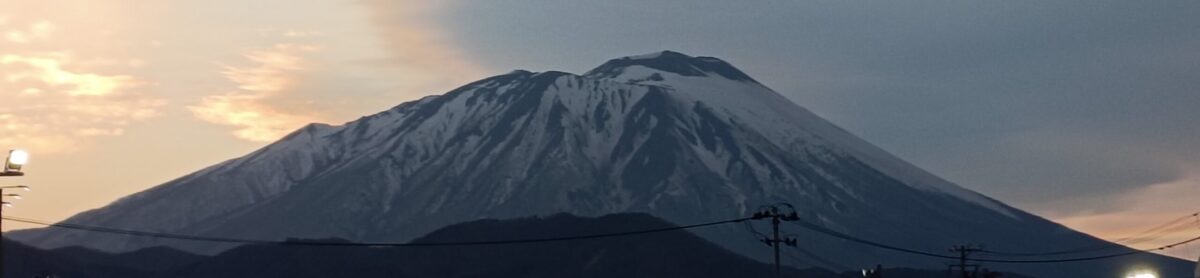
岩手という土地は、単なる地理的な広がりではない。それは数十億年にわたる地球の記憶が重なり合った、巨大な地質学的な図書館である。北上盆地の肥沃な土壌が育む食文化と、久慈の地層に眠る白亜紀の遺産。これらは一見無関係に見えて、実は「岩手の土」という同じ文脈で結ばれている。我々が享受する現在の恵みと、地層深くで静止した太古の記憶。これら二つの視点を行き来することは、岩手の本質的な豊かさを理解するための鍵となる。
Two Timelines Encapsulated in Iwate’s Soil
Iwate is more than just a geographical location; it is a colossal geological library where memories of the Earth, spanning billions of years, are layered upon one another. The culinary culture nurtured by the fertile soil of the Kitakami Basin and the Cretaceous legacy sleeping within the strata of Kuji may seem unrelated at first glance, yet they are intrinsically linked by the very context of “Iwate’s soil.” Moving between these two perspectives—the bounty we enjoy today and the ancient memories frozen deep within the strata—is the key to understanding the essential richness of Iwate.
北上の恵み:二子さといもが繋ぐ農耕の歴史
北上川の恩恵を受ける北上市二子町は、古くから「二子さといも」の産地として知られている。この里芋は、単なる農作物ではない。その粘り気と独特の風味は、この地特有の土壌と気候が長い年月をかけて作り上げた「地質の恵み」である。地域ブランドとして確立された「北上コロッケ」の主役として、この里芋は現代の食卓に彩りを与えるが、その根底には、北上川が運んできた堆積物と、先人たちが守り続けてきた農耕の歴史という、地表の記憶が刻まれている。土壌の質が作物の個性を決定づけるという事実は、我々が大地と共に生きていることの証明に他ならない。
The Bounty of Kitakami: The Agricultural History Linked by “Futago Satoimo”
Futago-machi in Kitakami City, blessed by the Kitakami River, has long been renowned for the “Futago Satoimo” (taro). This taro is far more than a mere agricultural product. Its characteristic stickiness and unique flavor are a “blessing of the geology,” crafted over eons by the specific soil and climate of this region. As the centerpiece of the regional brand “Kitakami Croquette,” this taro brightens modern dining tables. Yet, at its core, it embodies the memory of the surface: the sediments carried by the Kitakami River and the history of cultivation preserved by generations of ancestors. The fact that the quality of the soil determines the character of the crops is nothing less than proof that we live in harmony with the land.
久慈の琥珀:白亜紀から届いた静止した時間
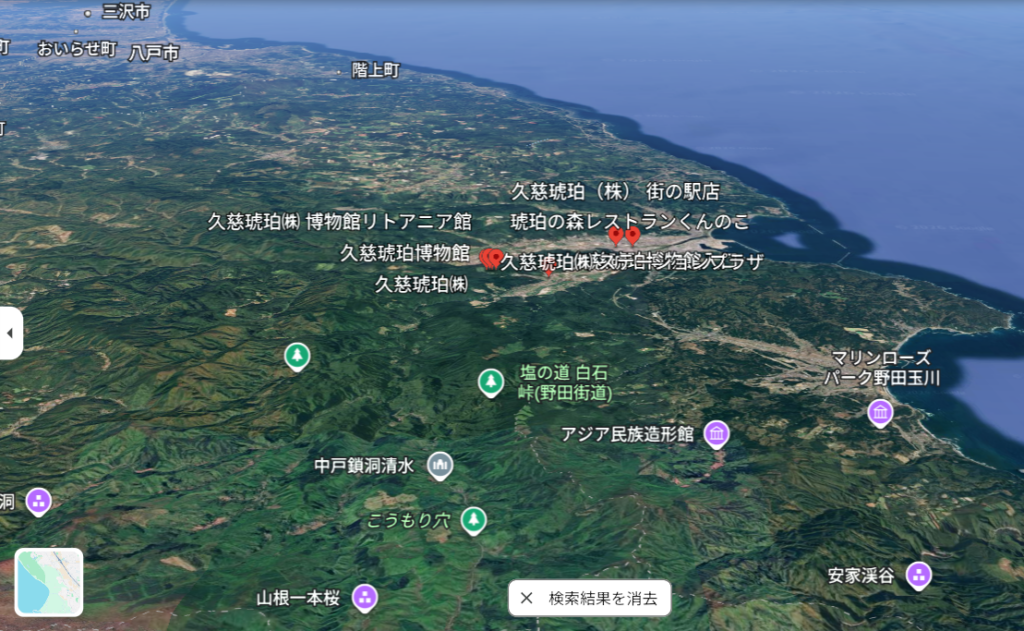
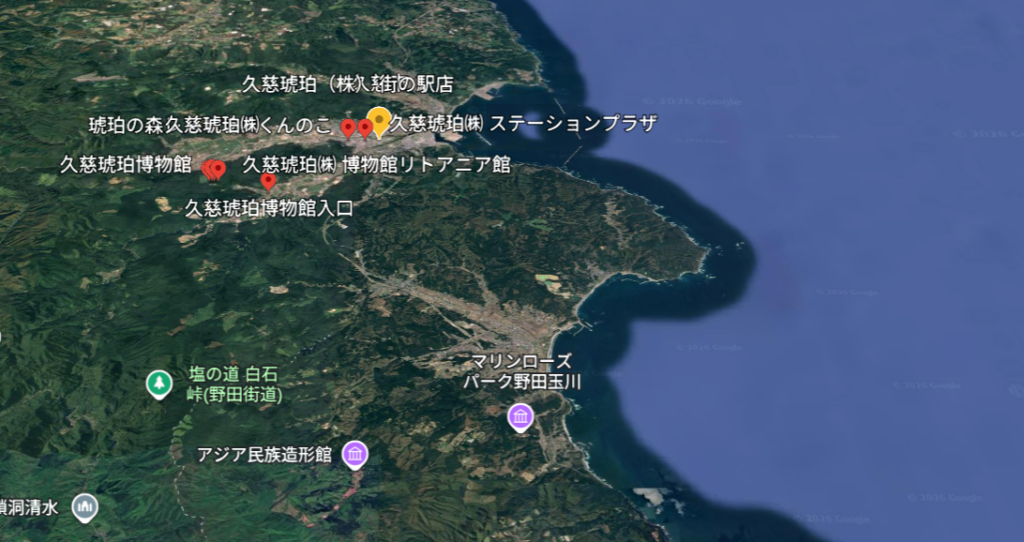
一方、県北の久慈市に目を向けると、そこには時間軸を大きく遡った「土中の宝」が存在する。約8500万年前の白亜紀、この地は恐竜たちが闊歩する緑豊かな森であった。久慈の地層から発見される琥珀は、当時の植物の樹脂が長い年月を経て宝石へと昇華したものであり、その中には太古の昆虫が閉じ込められていることもある。さらに、この地層からは恐竜の化石も発掘されており、岩手の土は、私たちが食べる作物だけでなく、地球の創生期の記憶をも抱き続けているのである。久慈の琥珀は、いわば地球の呼吸が止まった瞬間の「静止した時間」そのものである。
Kuji Amber: Frozen Time Arriving from the Cretaceous Period
Turning our gaze to Kuji City in the north, we encounter “treasures in the earth” that reach back to a vastly different timeline. Roughly 85 million years ago, during the Cretaceous period, this land was a lush forest where dinosaurs roamed. The amber discovered in Kuji’s strata is the result of ancient plant resin transforming into gemstones over vast eras, sometimes trapping prehistoric insects within. Furthermore, dinosaur fossils unearthed from these same strata reveal that Iwate’s soil holds not only the food we consume today but also the memories of our planet’s genesis. Kuji’s amber is, in a sense, “frozen time”—capturing the very moment the Earth’s breath paused.
土壌が描く岩手の輪郭
北上の里芋が現在の生命を養う「生きた土」であるならば、久慈の琥珀は遠い過去を語る「記憶の土」である。岩手という土地を歩くことは、この豊かな土層を横断する旅に他ならない。私たちは、日々の糧を享受する時、足元の土壌が持つ二つの顔――恵みと記憶――に想いを馳せるべきではないだろうか。岩手の地層には、まだ解き明かされていない物語が幾重にも重なっている。それを紐解くことは、我々自身のルーツを知る行為に繋がるのである。
The Silhouette of Iwate Drawn by the Soil
If the taro of Kitakami is “living soil” that sustains current life, then the amber of Kuji is “memory soil” that speaks of the distant past. Walking through the land of Iwate is nothing less than a journey across these rich strata. As we enjoy our daily sustenance, perhaps we should reflect upon the two faces of the soil beneath our feet: that of bounty and that of memory. Within the strata of Iwate, countless untold stories are layered upon one another. Unraveling them is an act that leads us to understand our own roots.
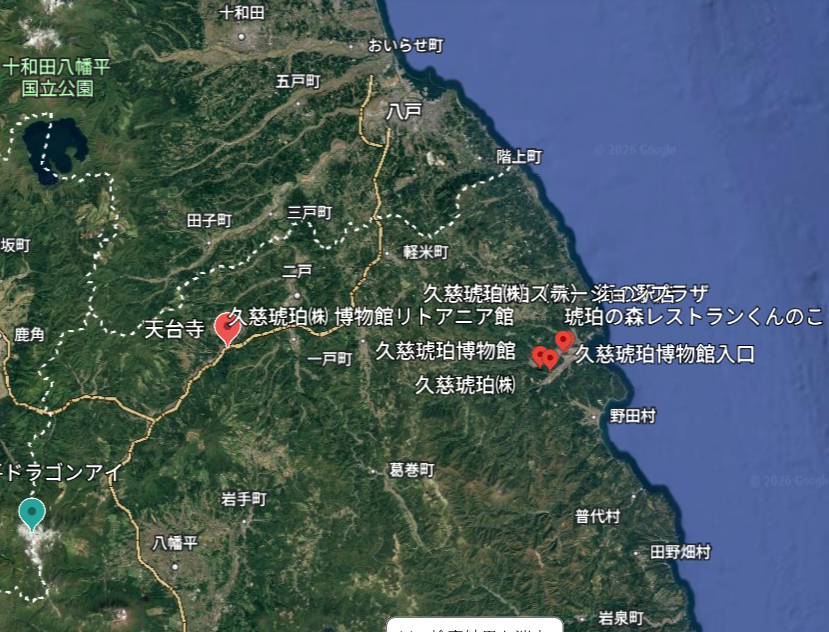
📍 アクセス / Access
日本語:
【電車・バス】JR八戸線・三陸鉄道リアス線「久慈駅」から岩手県北バス「琥珀博物館」行きで約10分、「琥珀博物館」下車すぐ。
【車】八戸自動車道「九戸IC」から国道340号経由で約40分。
English:
By Train/Bus: From Kuji Station (JR Hachinohe Line / Sanriku Railway Rias Line), take an Iwate Kenpoku Bus bound for “Kohaku Hakubutsukan (Amber Museum)” for about 10 minutes, then get off at “Kohaku Hakubutsukan” and it is just a short walk.
By Car: About 40 minutes from Kunohe IC on the Hachinohe Expressway via National Route 340.
カテゴリー: 【県北 Northern Iwate】
タグ: [久慈, 琥珀, 白亜紀, 堆積と侵食, タイムカプセル]
アクセスポイント(座標): 39.1764, 141.7611