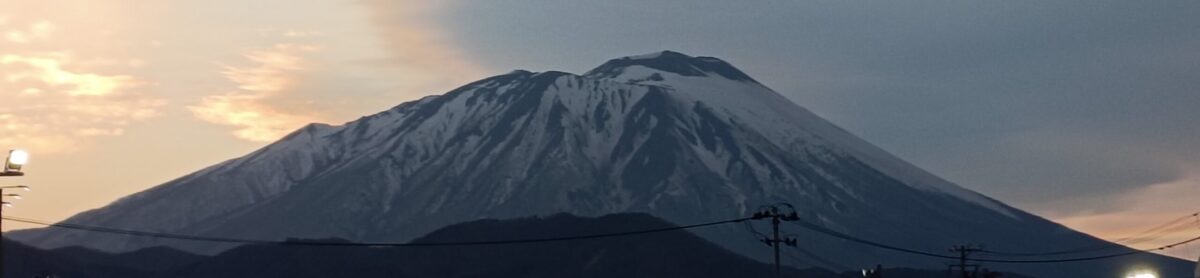
岩手という「異界」への入り口
岩手県は、現世と異界が交差する稀有な土地である。深い山々に抱かれ、厳しい冬が支配するこの地では、古来より人々は「目に見えないもの」と共に生きてきた。北上の「鬼剣舞」の勇壮な跳躍から、遠野の深淵に潜む妖怪伝承まで、その精神的風土を紐解くことは、日本人の深層心理に眠るアニミズムの根源を探求する行為に他ならない。
The Gateway to the “Otherworld” of Iwate
Iwate Prefecture is a rare landscape where the mundane world intersects with the supernatural. Embraced by deep mountains and ruled by harsh winters, the people here have lived alongside the “unseen” since ancient times. Unraveling the spiritual climate of this region—from the dynamic leaps of the “Onikenbai” in Kitakami to the legends of yokai lurking in the depths of Tono—is nothing less than an exploration of the roots of animism that lie in the Japanese subconscious.
鬼剣舞:鎮魂の儀式としての「鬼」
北上の「鬼剣舞(おにけんばい)」は、単なる郷土芸能ではない。鬼の面を被り、刀を振るうその姿は、かつての修験道や仏教的儀礼が混ざり合った「鎮魂」の儀式である。ここで表現される鬼は、悪の象徴ではない。むしろ、外敵や災厄を追い払う守護神としての「荒ぶる神」である。舞い手が跳躍するたびに、現世の穢れが払われ、静寂がもたらされる。この荒々しいエネルギーこそが、岩手の精神的な防波堤となってきた歴史を物語っている。
Onikenbai: The “Oni” as a Ritual of Repose
The “Onikenbai” (Demon Sword Dance) of Kitakami is far more than mere folk performance. Wearing masks and wielding swords, the dancers perform a ritual of “repose” (chinkon), blending Shugendo and Buddhist rites. The “Oni” (demon) depicted here is not a symbol of evil; rather, it is a “wrathful deity” acting as a guardian to ward off external enemies and calamities. Each leap of the dancer purifies the mundane world, ushering in a sacred silence. This raw, turbulent energy tells the history of how the spirit of the Oni has served as a spiritual bulwark for Iwate.
遠野の妖怪たち:畏怖と共生の物語
鬼という強大な異形から、遠野の「河童」や「座敷わらし」という身近な異界の住人へ。この系譜の背後には、厳しい自然と共存せざるを得なかった北の民の切実な知恵がある。柳田國男の『遠野物語』で知られるこの地は、まさに妖怪たちの聖域だ。川辺で悪戯を働く河童、家に富をもたらす座敷わらし。これらは自然の畏怖を擬人化し、異界との境界を曖昧にすることで、死や災厄を日常の一部として受け入れようとする人間の営みそのものである。
The Yokai of Tono: Tales of Awe and Coexistence
Moving from the powerful, grotesque form of the Oni to the more intimate denizens of the supernatural like Tono’s “Kappa” and “Zashiki-warashi,” we see a shift. Behind this genealogy lies the pragmatic wisdom of northern people who had to coexist with harsh, unforgiving nature. Tono, immortalized by Kunio Yanagita’s Tono Monogatari, is truly a sanctuary for these spirits. Kappa play by the riverbanks; Zashiki-warashi watch over households. These tales anthropomorphize the awe of nature. By blurring the border with the supernatural, humanity attempts to accept death and calamity as part of daily life.
目に見えないものとの対話
岩手を訪れることは、単なる観光ではない。それは、合理主義が覆い隠してしまった「目に見えないもの」との対話を取り戻す旅である。鬼剣舞の足音が地面を揺らし、遠野の森が静かに物語を囁くとき、私たちは現代文明の喧騒から切り離され、遥か昔から続く「異界との隣人関係」を追体験することになるだろう。
A Dialogue with the Unseen
Visiting Iwate is not merely sightseeing. It is a journey to reclaim a dialogue with the “unseen”—a dialogue that modern rationalism has long obscured. When the footsteps of the Onikenbai shake the earth and the forests of Tono whisper their ancient tales, we are detached from the clamor of modern civilization, re-experiencing the “neighborly relationship with the Otherworld” that has endured since time immemorial.
📍 アクセス / Access
日本語:
【鬼剣舞(北上市)】
電車: JR北上駅下車。駅東口から岩手県交通バス「口内線」で「鬼の館前」下車。またはタクシーで約20分。
車: 東北自動車道 北上江釣子ICから国道107号経由で約10分。
【遠野地方(河童・座敷わらし)】
電車: JR遠野駅下車。盛岡駅からJR釜石線で約1時間40分。カッパ淵や遠野ふるさと村へは、駅からタクシーまたはレンタカー。
車: 釜石自動車道 遠野ICから遠野市内へすぐ。盛岡市から国道396号経由で約1時間30分。
English:
For Onikenbai (Kitakami City):
By Train: Take JR Kitakami Station. From the East Exit, take Iwate Kenpoku Bus “Kuchinai Line” to
